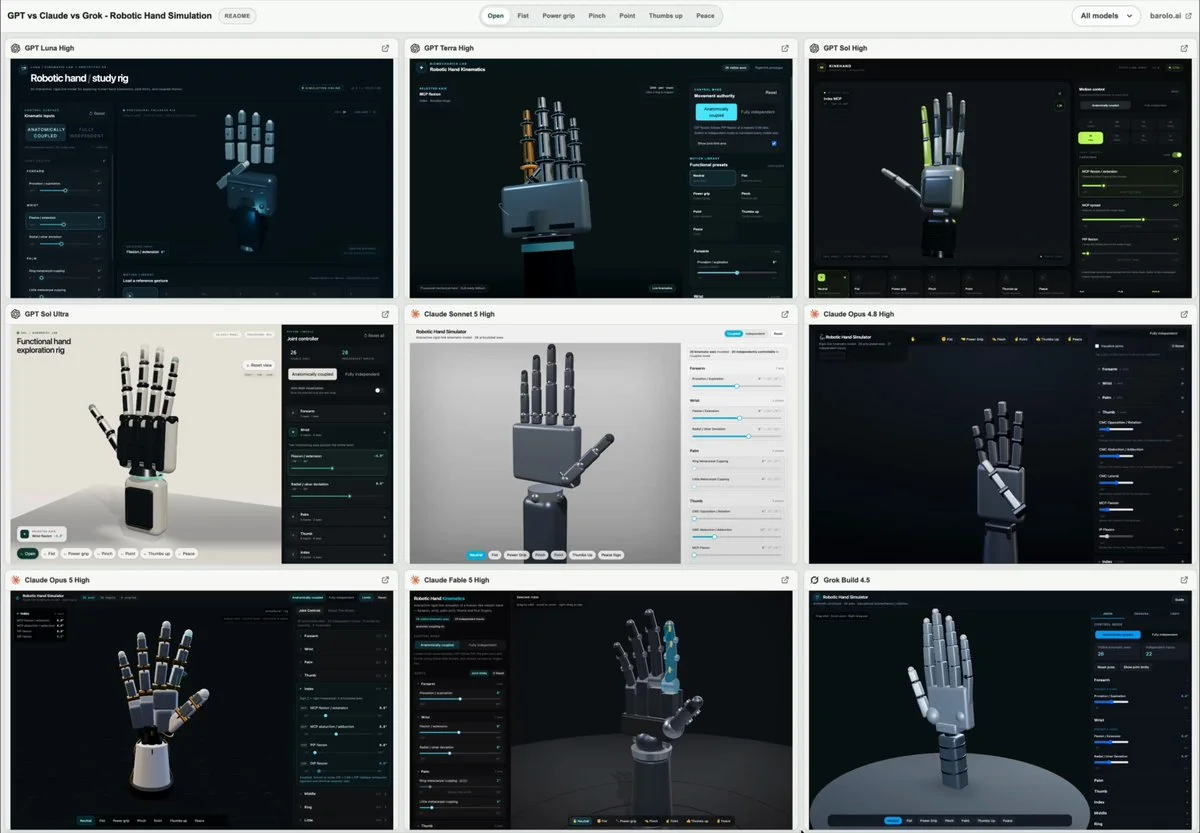
Claude Opus 5 prompt for an interactive 3D robotic hand simulation
I gave 9 model/reasoning configurations the same one-shot prompt: build an interactive 3D robotic-hand simulation.
Fresh 3D inspiration, updated daily
Use these source-backed 3D prompts as references, adapt them, and try the same idea across GPT-6 Astra, Claude, Kimi or any model you use.
I gave 9 model/reasoning configurations the same one-shot prompt: build an interactive 3D robotic-hand simulation.
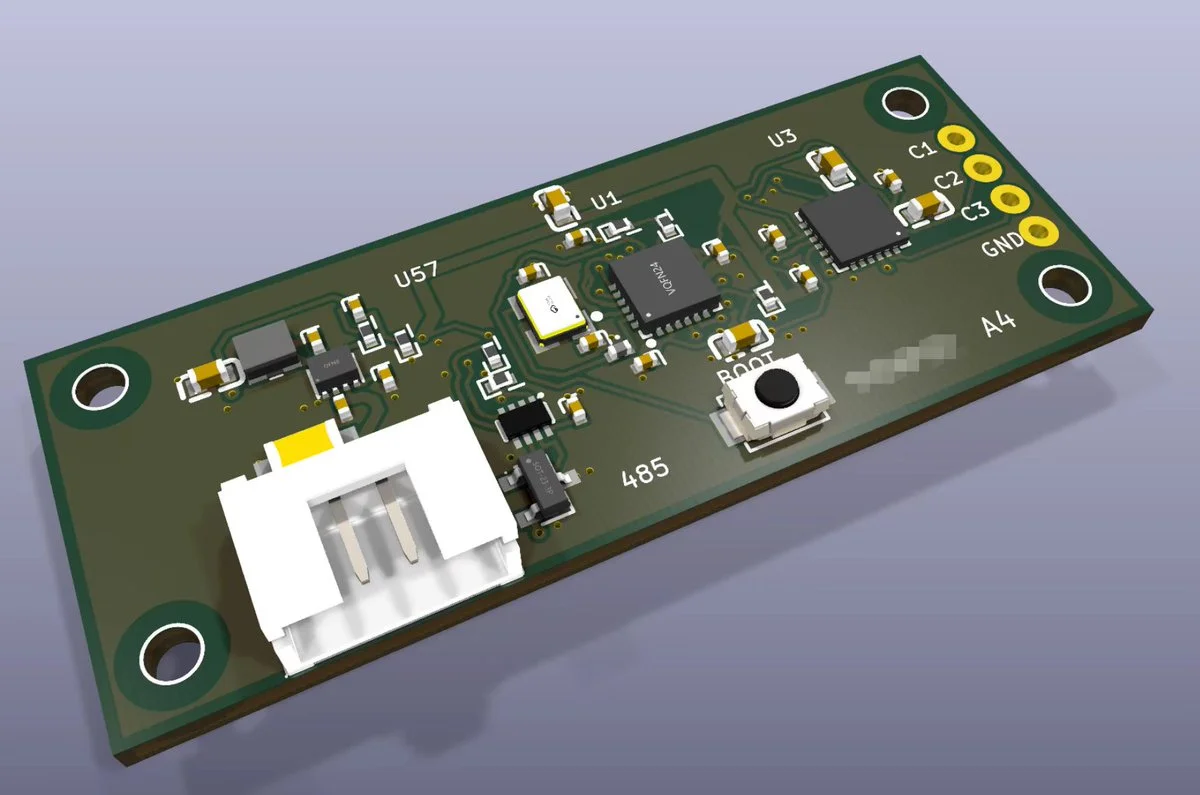
Use a schematic PDF to revise a circuit in KiCad, route a 50 by 20 mm two-layer PCB and render its 3D assembly. Review component datasheets and resolve design-rule violations.
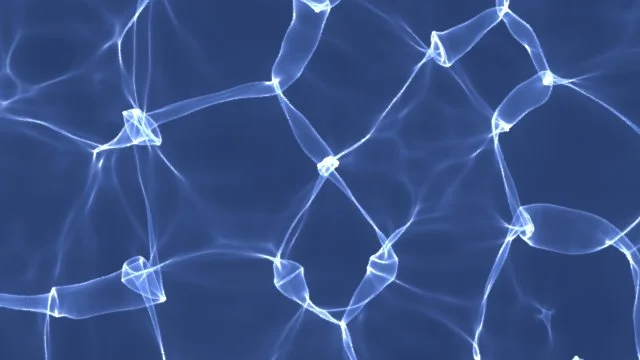
Create a periodic water-surface effect using Blender Geometry Nodes without baking. Keep the node setup editable and describe it as a surface model, not a full fluid simulation.
Build an interactive 3D solar system with orbiting planets, scale-aware navigation, labels, speed controls, camera targets and useful educational details.
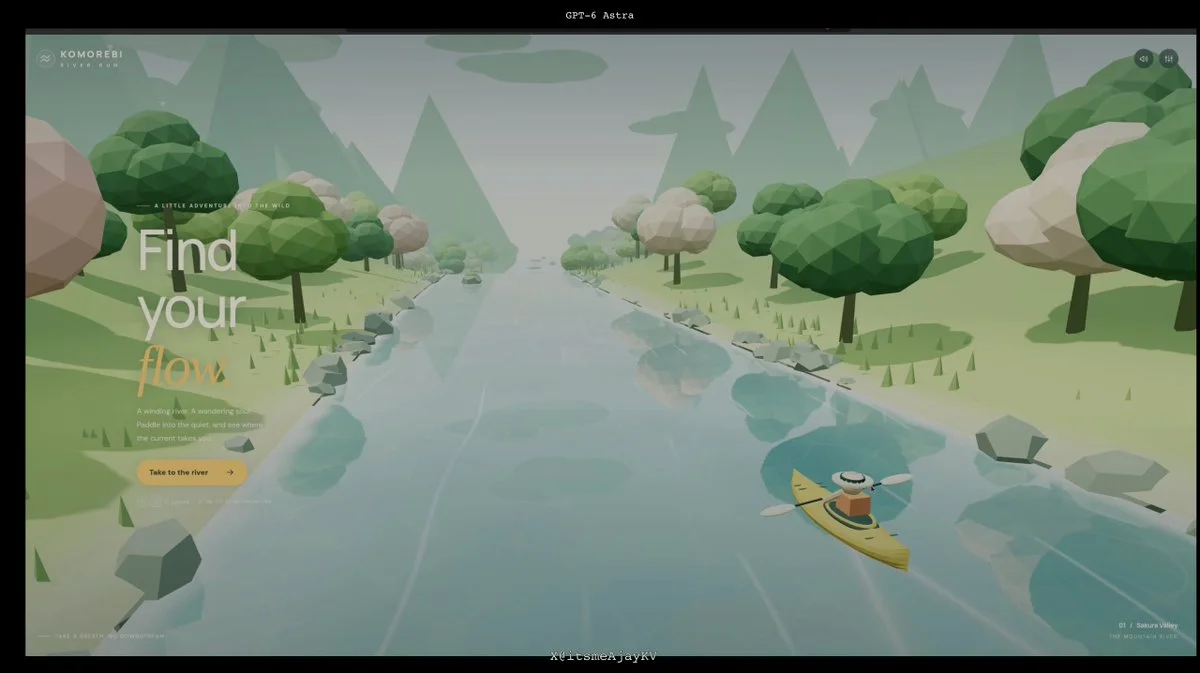
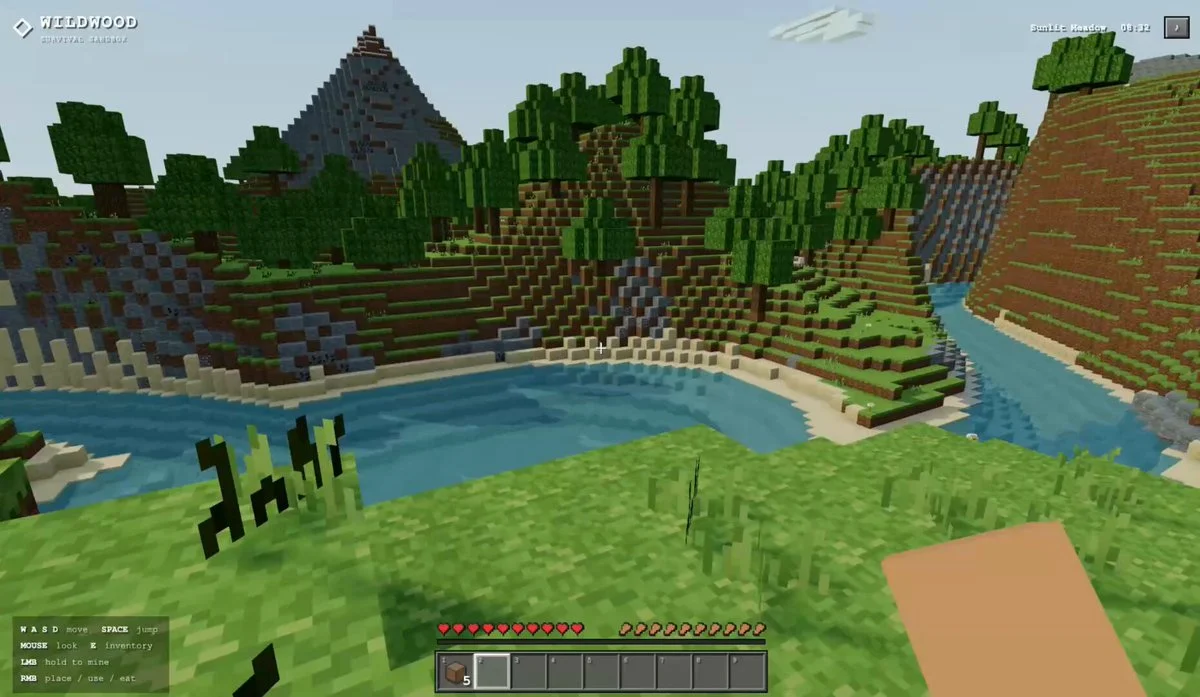
Build a 3D river kayaking game with anime-inspired aesthetics. Let the player paddle left and right to avoid obstacles, with flowing water, scenery, music and sound effects generated in code.
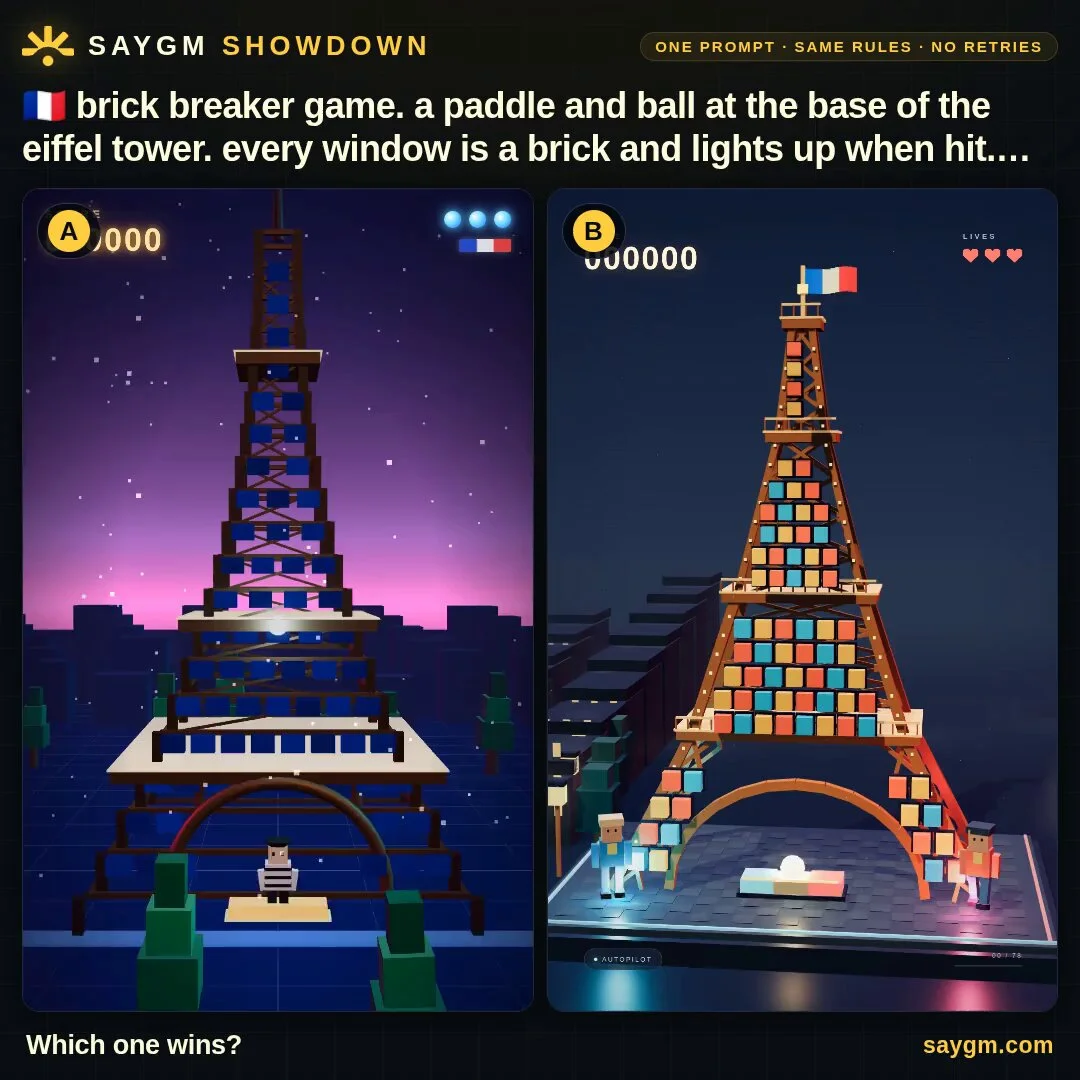
Build a self-playing arcade game for a G7 country. Translate one recognizable cultural landmark into the core mechanic, make the action readable without input, and add score, escalating challenge and a memorable reveal.
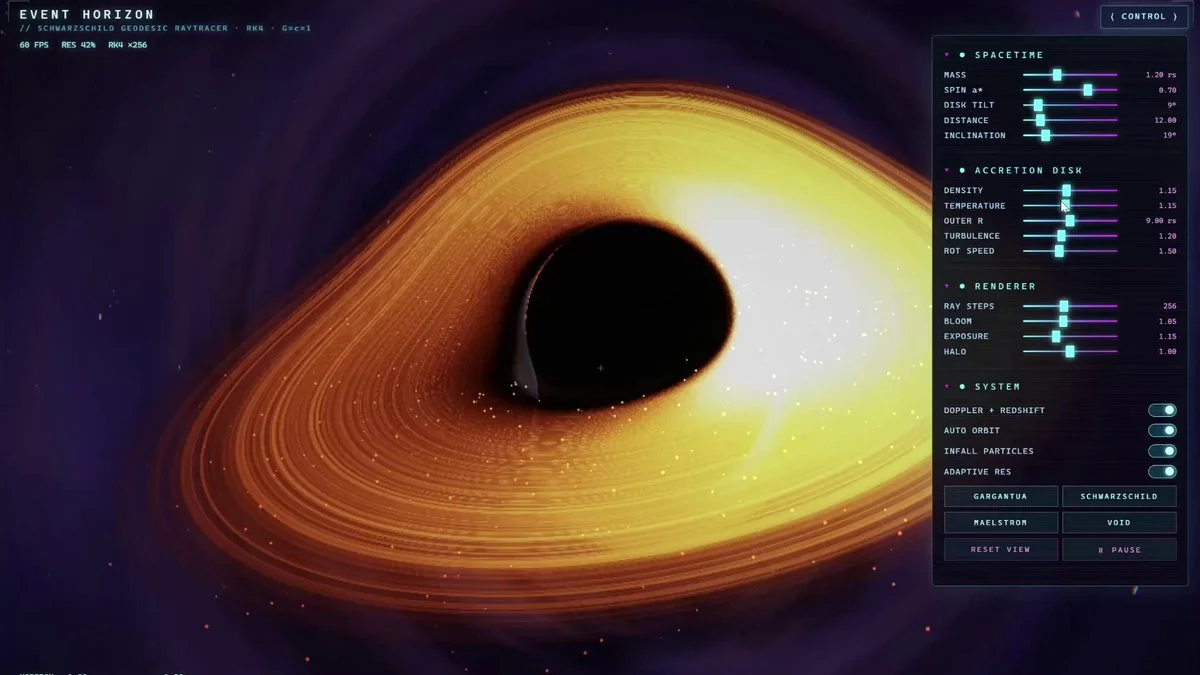
Create a complete, self-contained single HTML file (no external libraries like Three.js) that implements a real-time geodesic raytracer for a Schwarzschild black hole inspired by Gargantua. Use raw WebGL2 with GLSL ES 3.00 in a single fragment shader. Implement accurate physics: null geodesic integration with 4th-order Runge-Kutta solver, event horizon, photon sphere, accretion disk with proper rendering, gravitational lensing, Doppler beaming, and gravitational redshift effects. Target stable 60 FPS performance. Include mouse-controlled camera orbiting/zooming, and a cyberpunk-style control panel with sliders for parameters (mass, spin, disk density, view angle, etc.). Add subtle particle effects for matter falling in and dynamic lighting/shadows. The output must be 100% complete, immediately runnable in a modern browser, with no black screen, NaNs, errors, or missing features. Prioritize numerical correctness, boundary handling, solver discipline, and physical accuracy above all. Verify and comment key physics equations in the code. Make it visually stunning and interactive like a premium physics demo/game.
A one-shot hide-and-seek game: a white chameleon hiding in a hand-drawn room, painting itself to match the wall, surviving three sweeps of a robot seeker. Live pixel-diff match %, five procedural zones, synthesized sound, three scored rounds — one HTML file, no libraries.
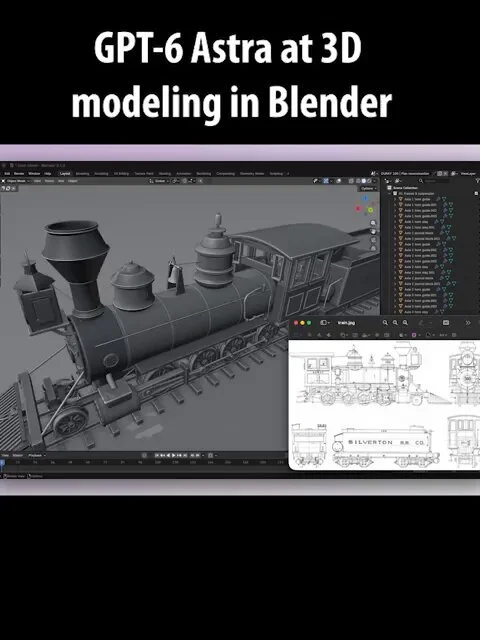
Model a steam locomotive in Blender as a real mechanical breakdown rather than a textured shell. Name and separate the axles, horn guides, journal blocks, stays, suspension links, steam dome and every major assembly.
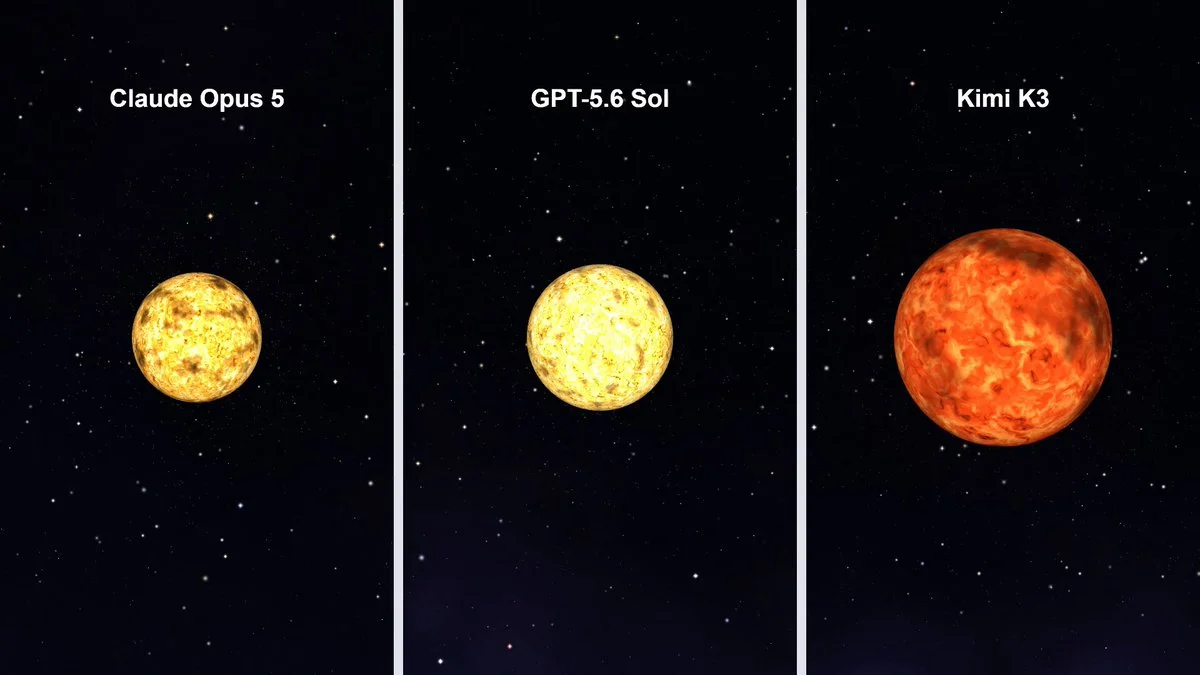
Build a 3D visualizer of the Sun spinning in space. One HTML file.
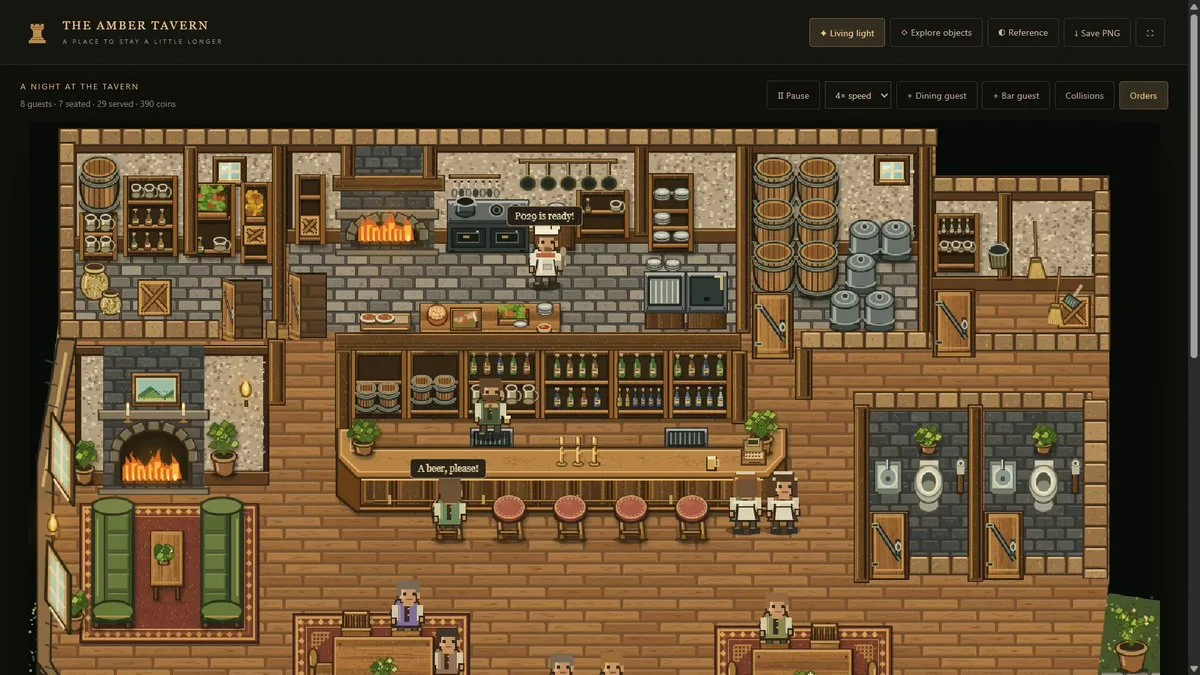
Recreate a tavern from a reference image and populate it with guests and workers. Guests order food and drinks; staff prepare them, with collision handling and pathfinding.
Create a premium launch-page hero around a real-time Three.js galaxy. Make the particles form a subtle number-six silhouette, respond to scroll and pointer motion, preserve text readability and gracefully reduce effects on weaker devices.
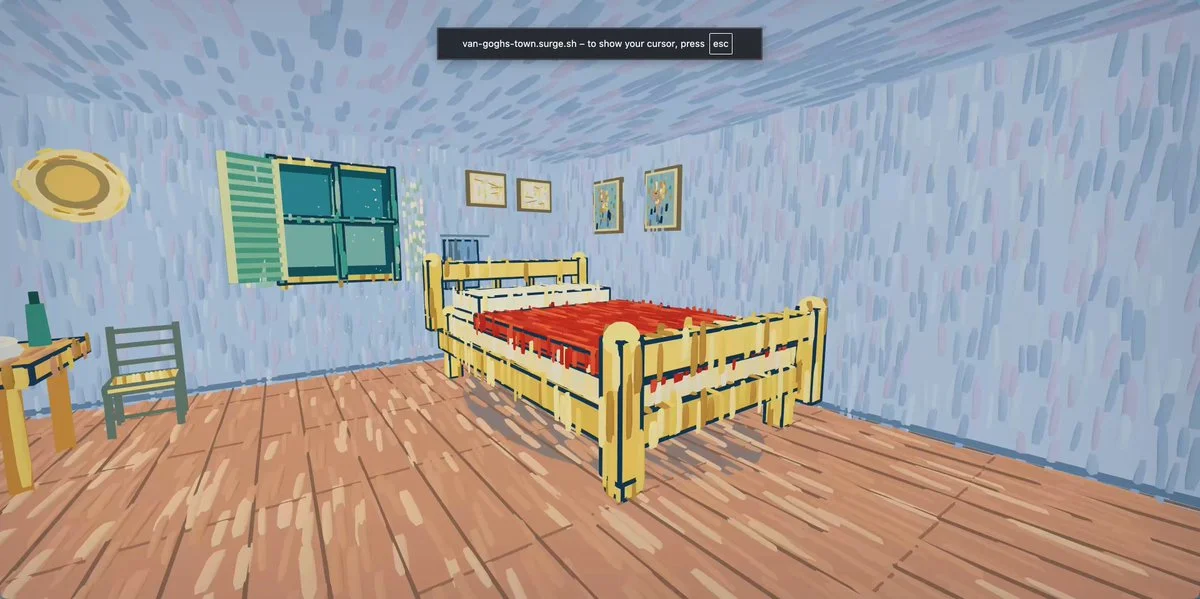
Create a walkable Three.js town inspired by Van Gogh. Turn painted streets, stars, cafés and fields into layered 3D spaces while keeping the brushwork alive through shaders, texture and animated light.
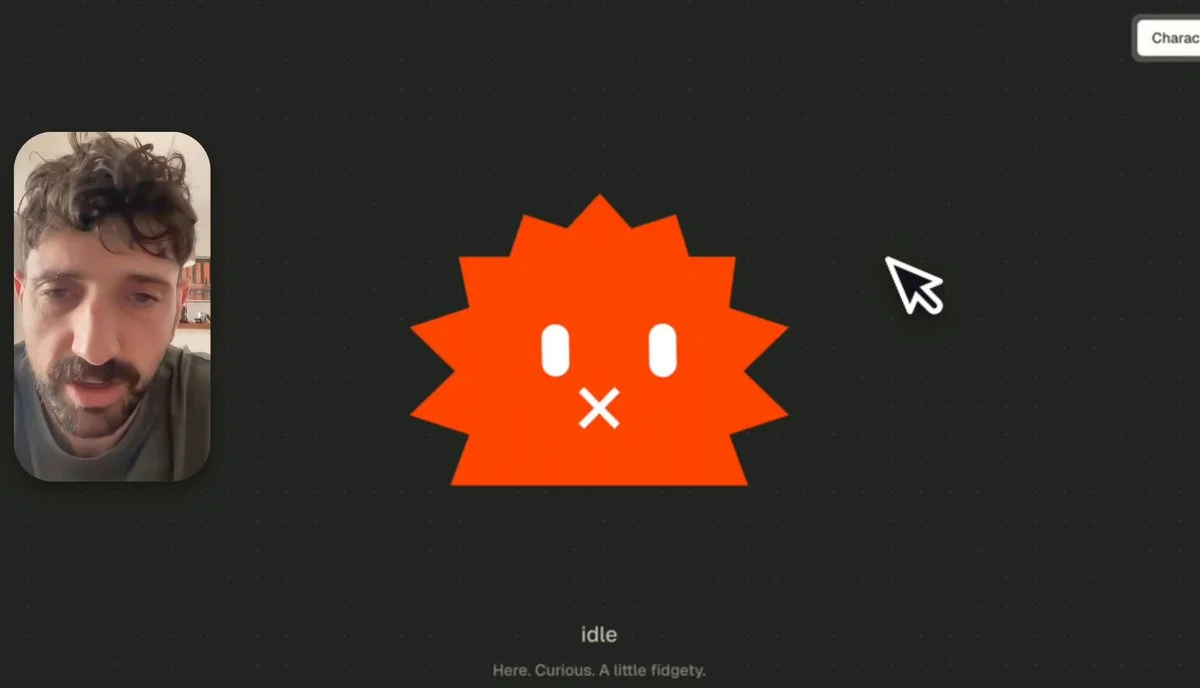
Turn a supplied 2D character logo into an animated 3D version. Preserve its recognizable identity as the character gains volume and movement.
Extend a Three.js role-playing game with first- and third-person cameras. Preserve movement and exploration when switching between the two views.
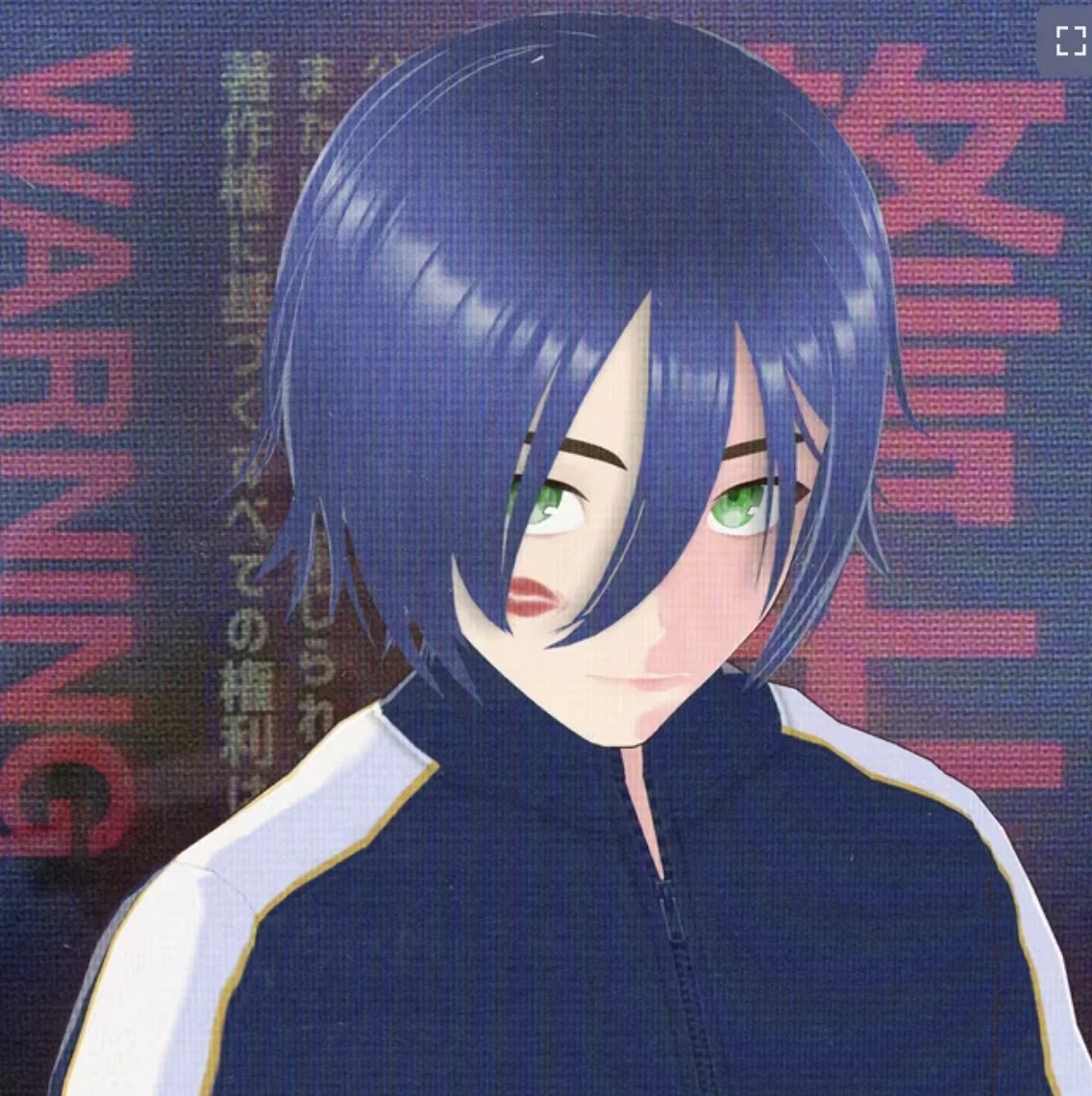
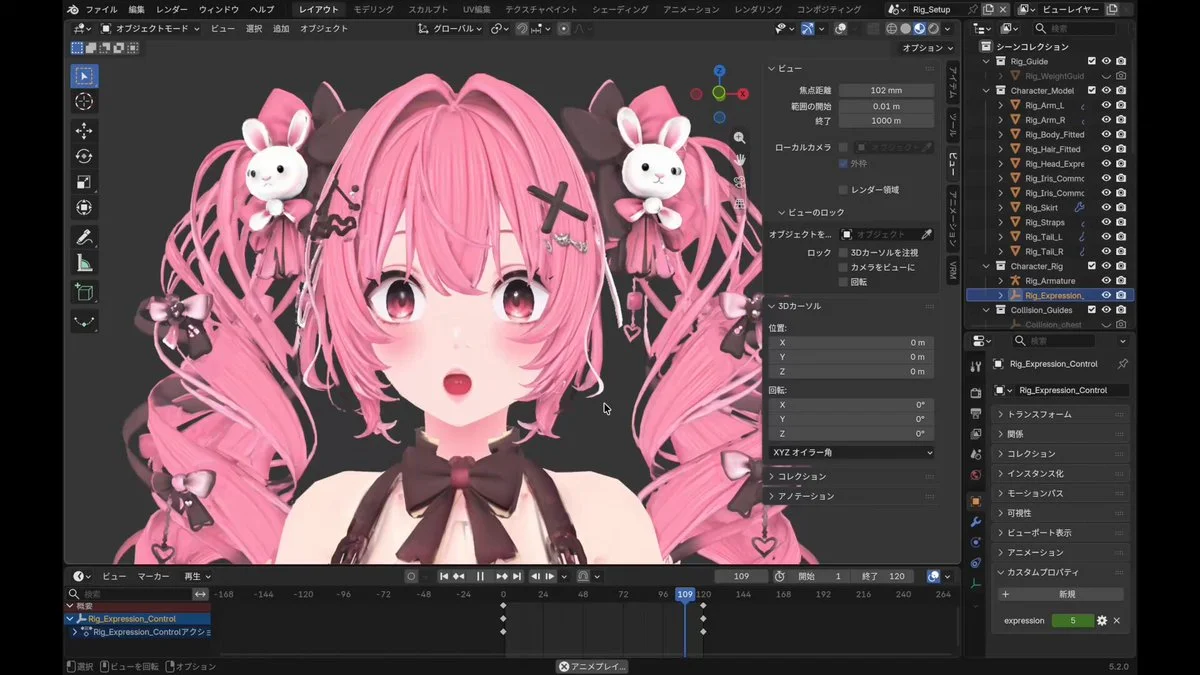
Recreate a Noctavia character artwork as a playable 3D character. Preserve the design language and build a complete model suitable for interactive presentation.
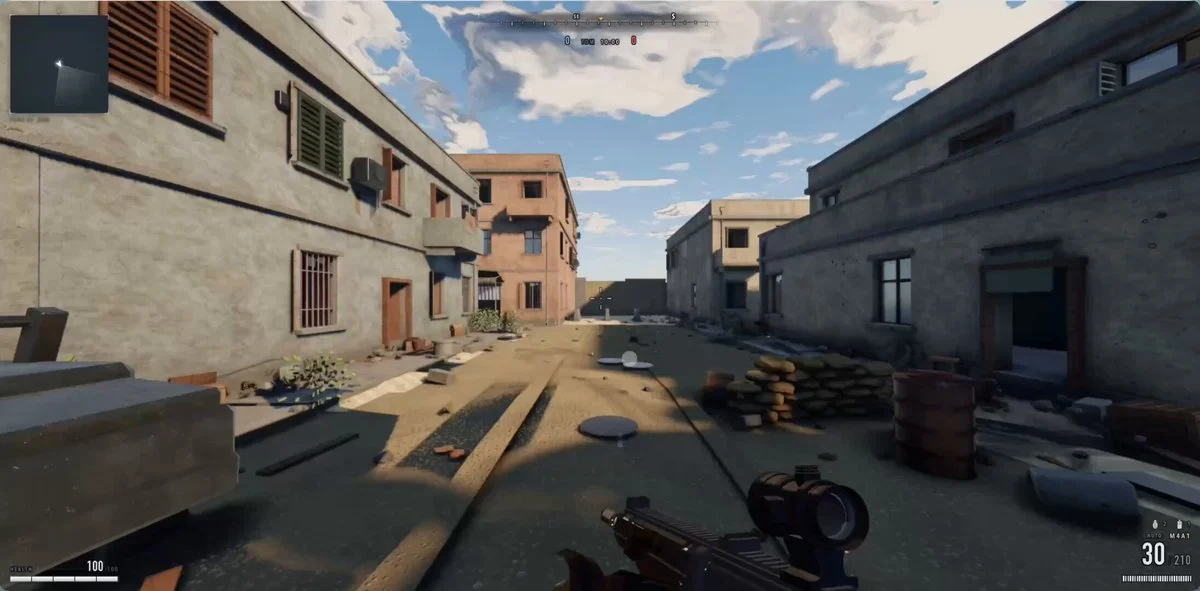
Recently, the Call of Duty game created by Claude Opus 5 has been going viral, with the author claiming it was achieved with just one prompt. Many people are skeptical, and the author has directly open-sourced the code and prompt. I originally thought the prompt would be very complex, but it turned out to be just a short few hundred words. The key among them is the loop. Here is the prompt: "I want you to develop a first-person shooter game that reaches the level of the latest Call of Duty. It must be flawless, with stunningly beautiful graphics, from textures to physics effects—all the elements you can think of must reach AAA-level quality. You need to create multiple sub-agents and have each sub-agent handle every detail separately to ensure the game reaches perfection. You should /loop each project and have an independent sub-agent perform a visual inspection to ensure it reaches AAA-level standards. This independent sub-agent should be extremely strict; if it doesn't reach AAA-level standards, it should continue checking. Do not stop until every sub-agent, after comparing with the Call of Duty game, is utterly amazed by the game's graphics quality. It should be able to compare the two games side by side without even looking at the visuals and point out which one is better. Use ThreeJS to complete this work. /loop until the game reaches perfection. Create multiple sub-agents and use UltraCode for optimization."
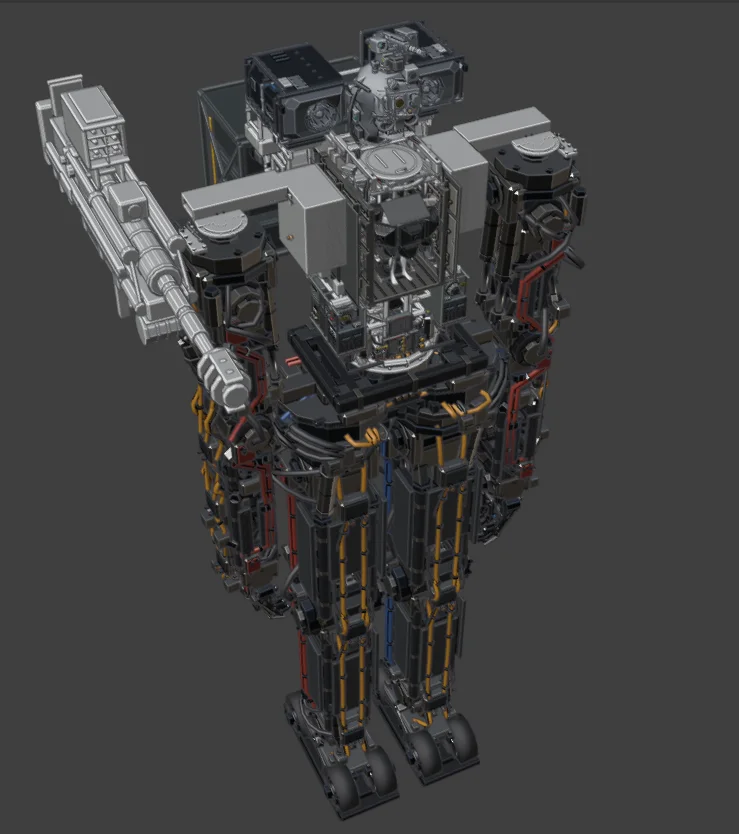
Sharing my prompts i used to create with Claude OPUS 5 + Blender, a GUNDAM SIZED mech robot blueprint using real math and physics: "lets think about the design of the mech, essentially he has 2 turboshaft engines and runs on electric motors + hydraulic power, he also has an apu, maybe pneumatic system too, he has strong bateries that help him coast a lil bit if things get messy, im think about having the 2 engines sit on the shoulders of the mech, with the service panel outwards so we can do maintennce on it. btw look at the systems of the mech again and then we're going create all of the systems physically.its gonna be awesome, set some agent to help you with this and rebuild the torso section, but leaving a large space in the middle for the cockpit + sleeping pod." "What if we give it wheels on his feet that are powered by electrical motors? that could assist movement for the most part." "assign an agent to take in those merics and create a leg design, with real wires going into the actuators and whantot" "ok inject the new glbs in the scene" "oh my god this is fckin insane. dude ok unhide the other parts real quick" "give the low poly head actual FLIR +NV cameras, + an 1980/1990s CROWS M2. machinegun." "its... beautiful... T_T" "we have to Rig the skeleton of the legs so if im animating it it obeys restraints and also this is necessary to calculate force and etc." "its ok, i dont understand most of it anyway lmao," "ok so, the stuff thatr youve built like the engines the power train and the legs, make sure those parts are sotred for later use incase we can reuse them in other areas, that being said, instruct an agent to build the arms and hands" "also, design the hips mechanism properly to fit the legs" "the wayi see it is that the joint between PELVIS and CHEST has the circular torque" "get an agent to create a handheld semi auto rifle using the bofors system so the robot has some rapid fire semi auto pew pewzer" "i want the 40mm actually, get one built in accurate but low poly so we can measure if its better as a pistol or semi auto rifle." "make both, and then make one where its an abrams cannon but with a semi auto mechanism ." "create a bolt nd spring like a rifle." "ok so the cockpit im thinking about getting rid of all the decorative wiring and stuff and actually do real wiring o-O whats ur take" "solution: make rel wiring, but wire like a savage animal." "inject the 120mm cannon thing" "RIG and animate the 120mm cannon operation." "i want an armored BIG hatch here, so that we can make the seat RAISE up and the pilot be able to see around and pilot the mech from that position, also, the 4 telescopic viewports inside the cockpit need a correspndent end point on the top too, to make sense." "continue the rig nd animate the 120mm and also the hatch command,. the pause was missclick." "ok so, the powerplant i think the belly is a good location, however, i dont like where the engines are, i think we should place them above where they re and have an actual truss structure that will suppport the torso and the shoulders... your call, how would you want to do the chest? we re doing to phatch entrance so the front chest can be built ..." "ok and the outer shell, it can be think aluminum or even carbon fiber id ont care, but has to look cool, id guess NCT could wokr as armor? idk, your call, we will have to later on put some parts to make thismontrosity look a bit pallatable.. anyways, get your team and start building." "i found this inverter PT125 floating around and i dont know where its supposed to go."
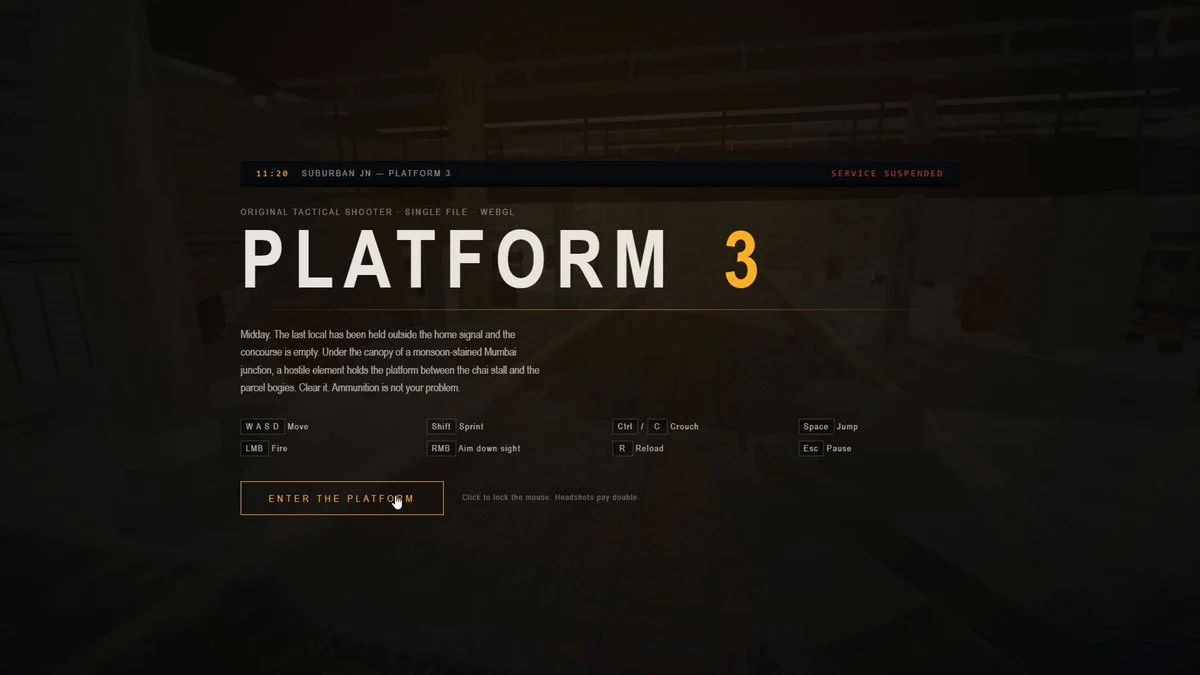
a counter-strike inspired tactical FPS set in a railway station. three.js, single HTML file, all original assets.
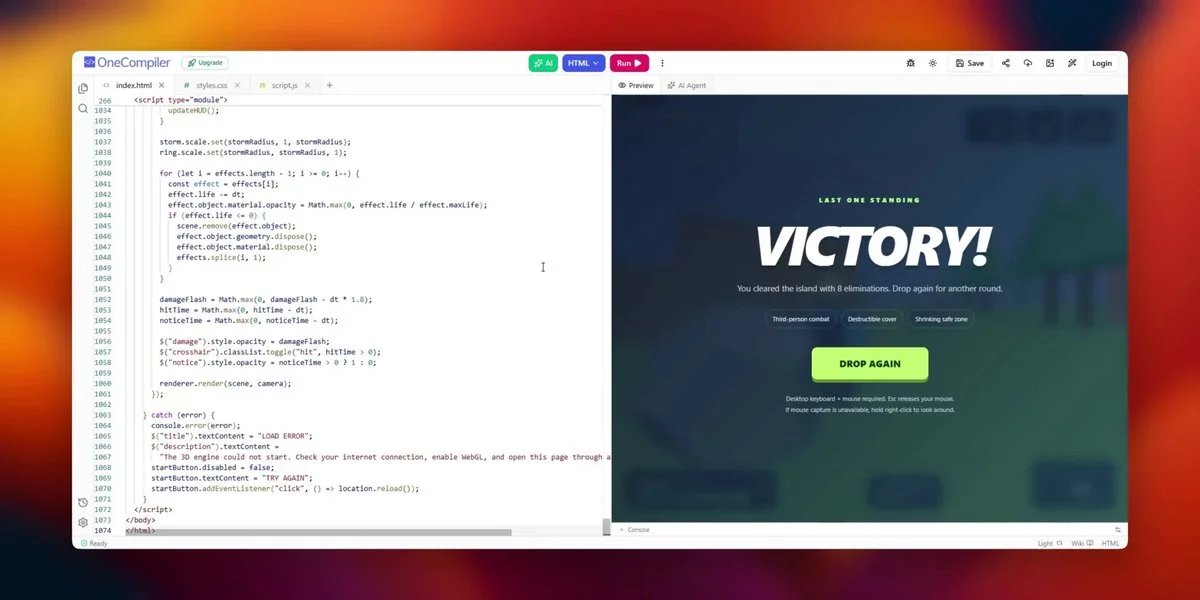
Build a third-person browser battle royale with a storm circle, nine AI enemies, a pulse rifle, health and reloading. Include placeable cover walls and a complete elimination loop.
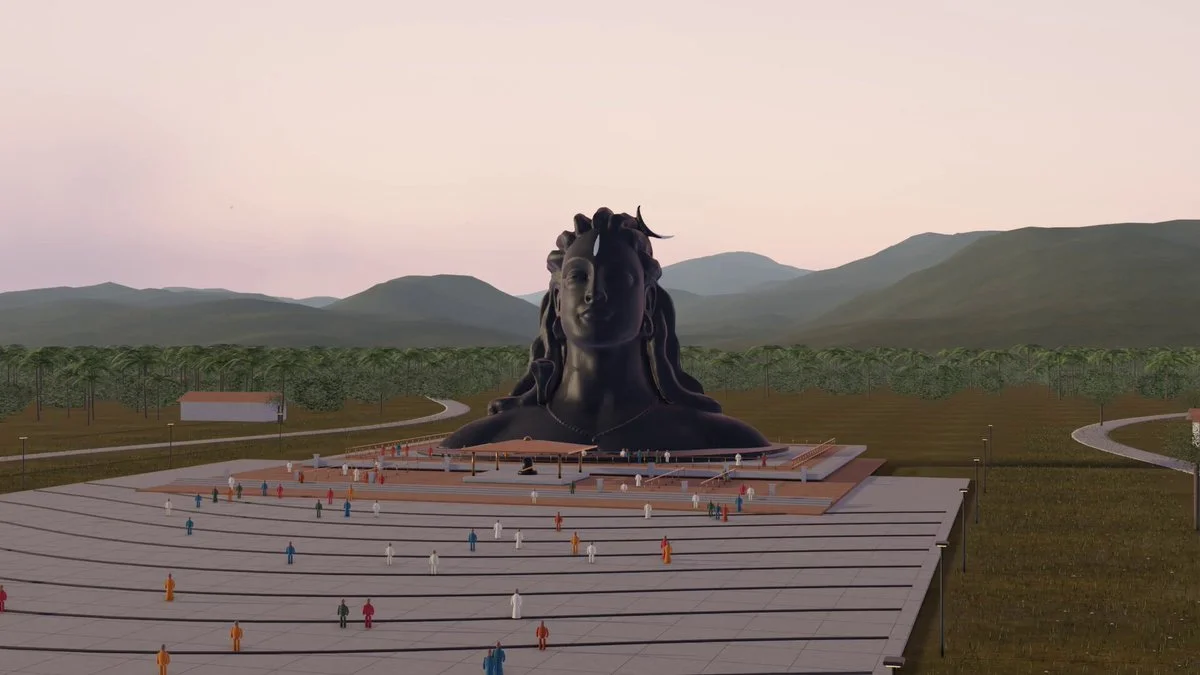
Build an Adiyogi scene in Blender with wide grounds, detailed close-ups and warm evening light. Render a 30-second fly-through and retain the editable scene.
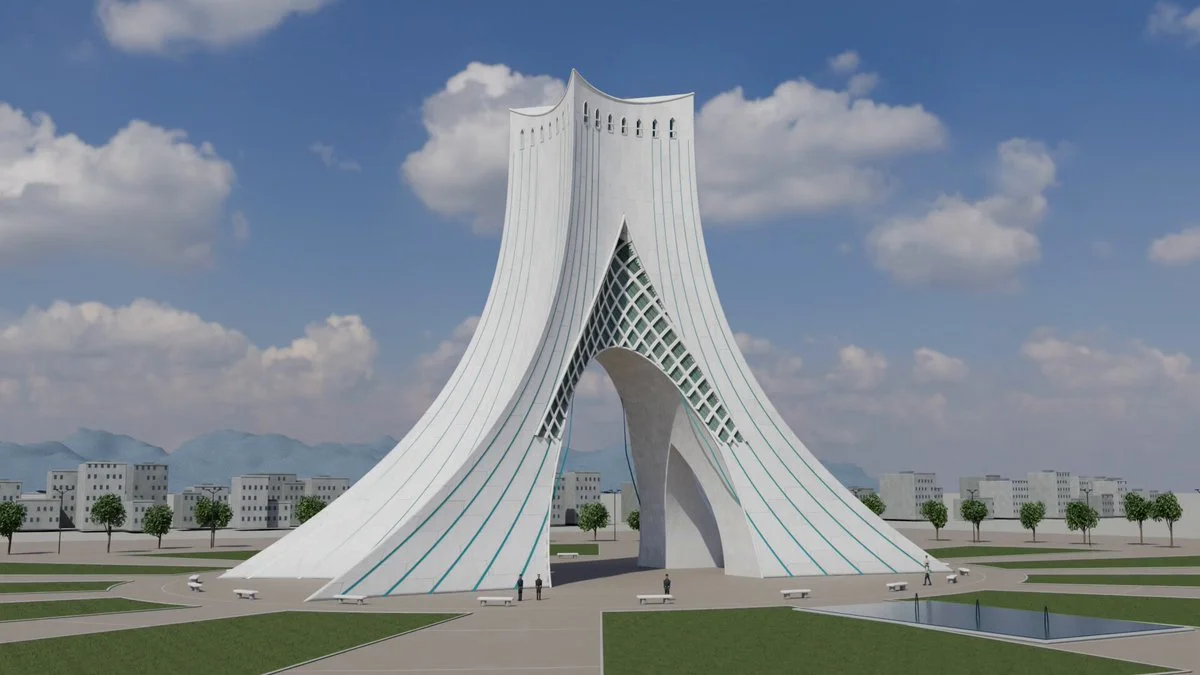
Create an editable Blender model of Azadi Tower, focusing on its flared base, crossing arch, patterned surfaces and recognizable proportions.
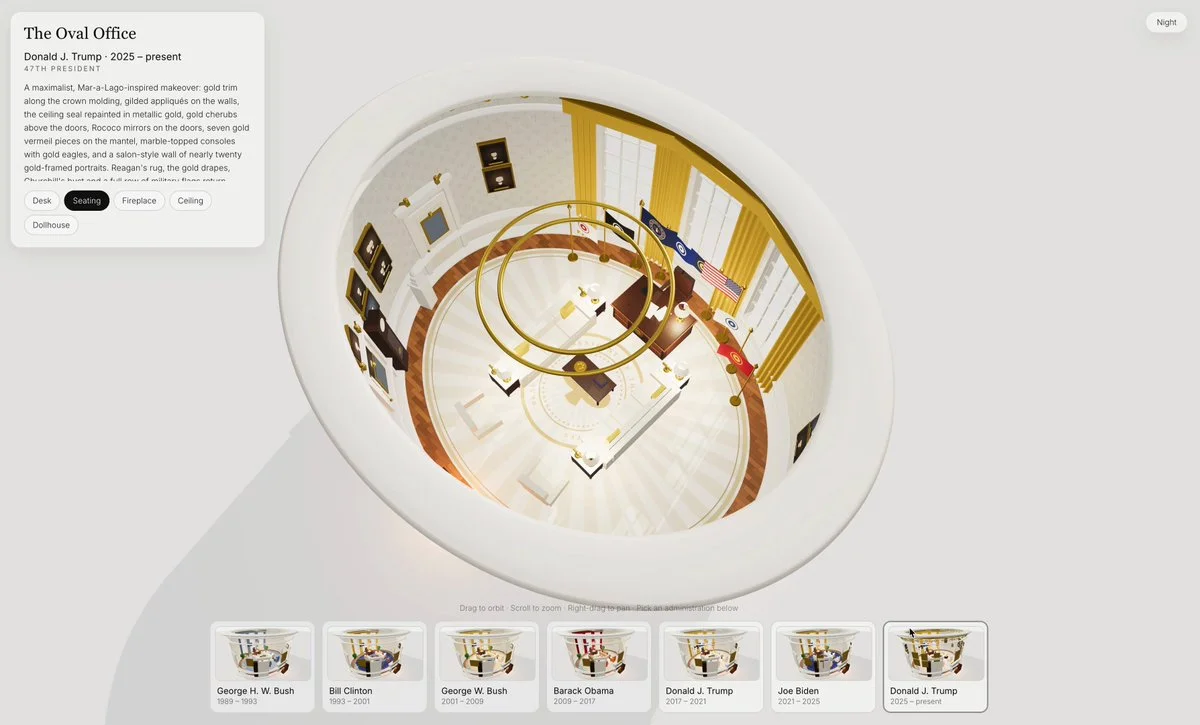
Build an interactive Three.js project exploring how the Oval Office changed across presidencies. Allow switching periods to inspect furniture, decor and room composition.
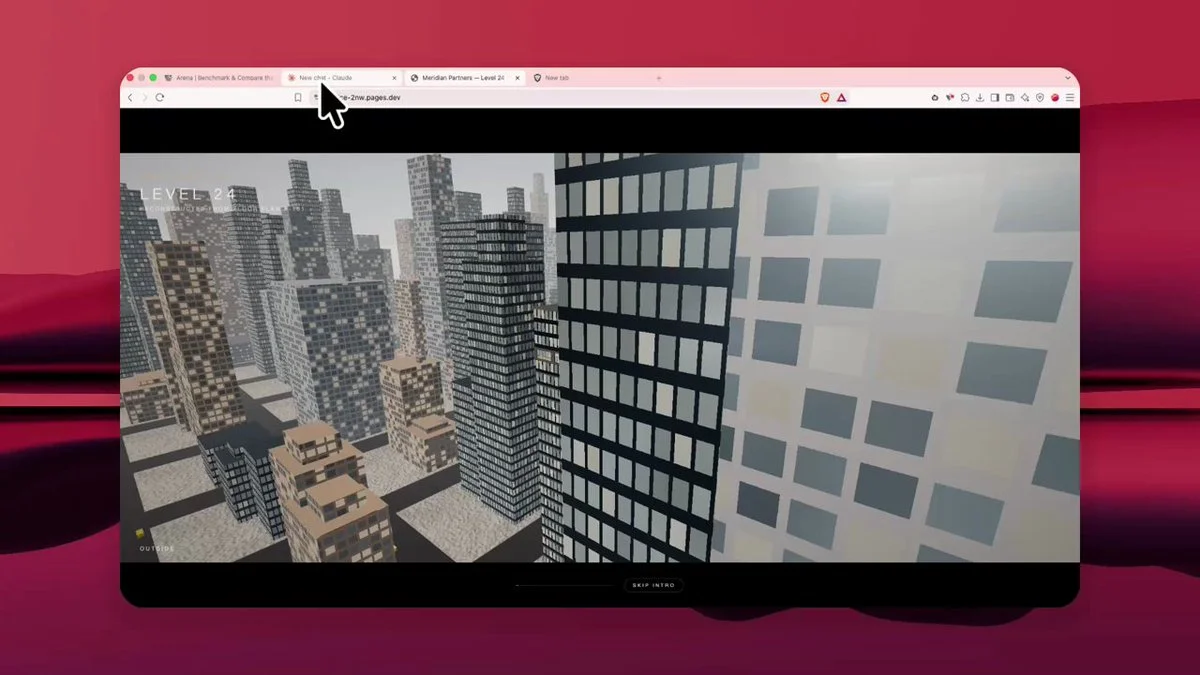
Build a browser office in Three.js with first-person navigation, 32 rigged people who greet the visitor by name, clickable doors, orbit controls and a blueprint view.
3D build walkthroughs
Watch independent creators put each model through a real 3D build, then use the free prompts above to run your own version of the experiment.
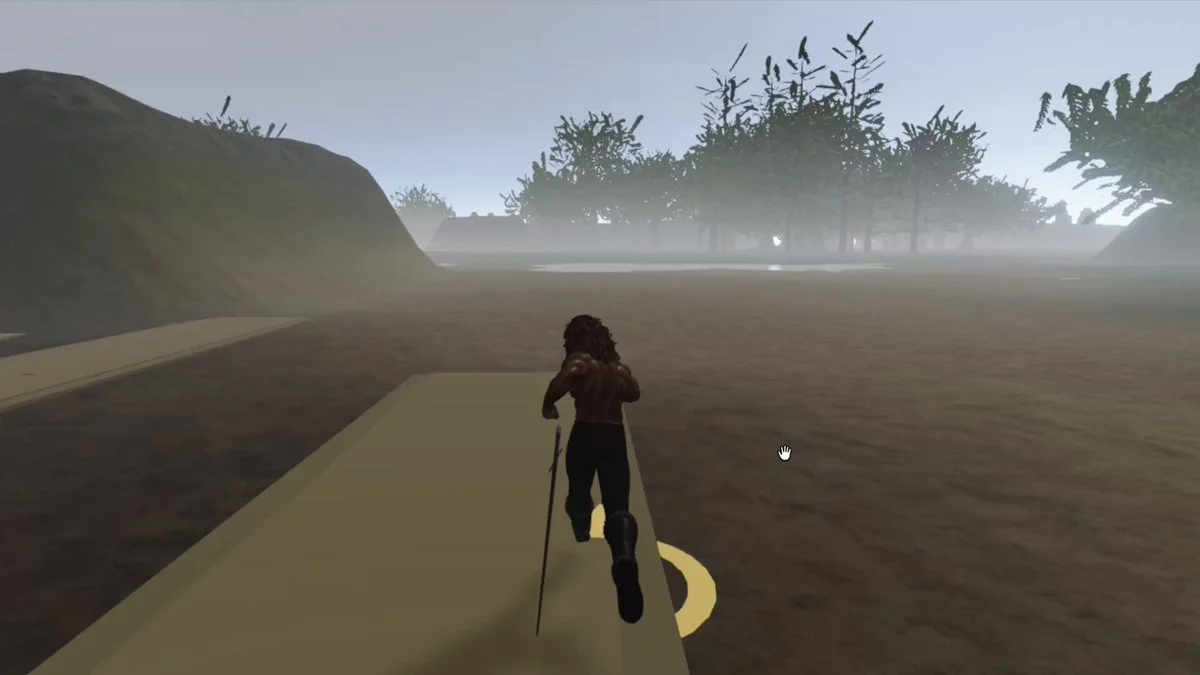
Follow Peter Yang’s workflow for four game projects, from reference images and setup to playable scenes and iterative feedback.
YouTube ↗Jump to the 3D segment at 11:35: a werewolf character, animation and a playable forest scene. This is part of a broader Astra review.
YouTube ↗See how Kimi K3 drives a 3D and Blender workflow, from interpreting the brief to planning geometry and iterating on a scene.
YouTube ↗A practical one-prompt challenge that asks Claude Opus 5 to create a playable 3D game—useful evidence for structuring controls, game state and acceptance checks.
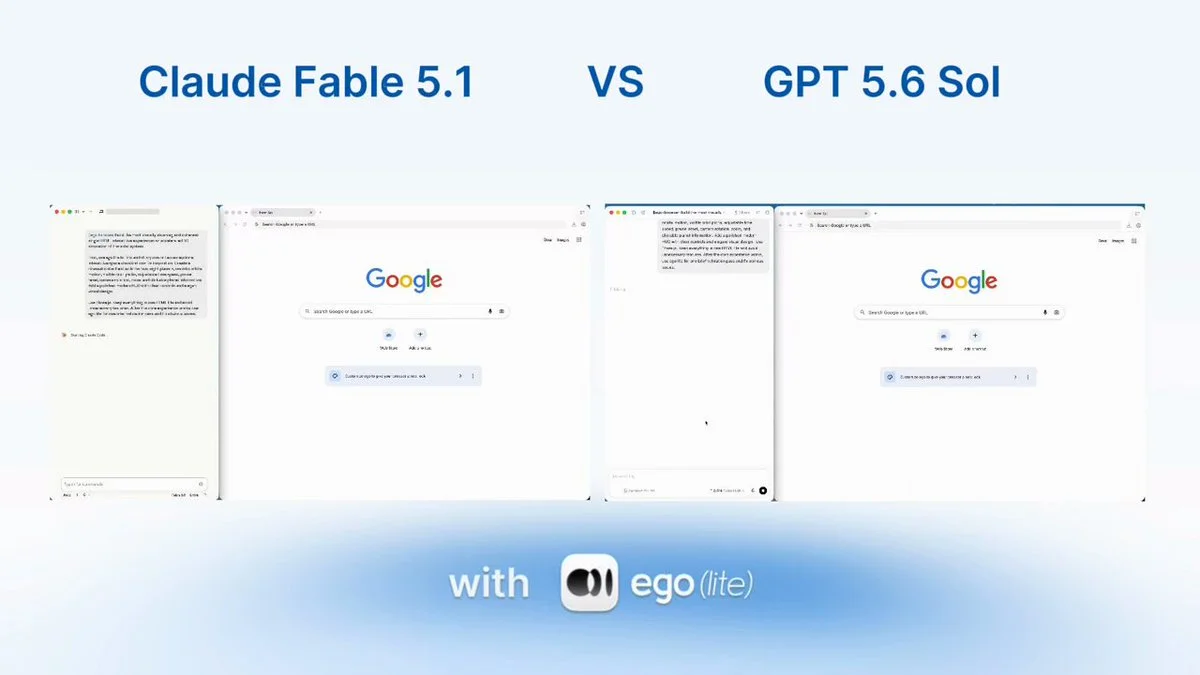
YouTube ↗A hands-on test of Claude Fable 5 as a 3D modeling agent, with useful context on the strengths and limits to account for when refining a visual prompt.
YouTube ↗Free AI 3D prompt library
Browse 3D prompt examples for Blender modeling, Three.js websites, browser games and interactive worlds. Each entry links to a public project and distinguishes the author’s exact prompt from a source-derived brief, so you know what you are adapting.
Start with Astra prompts, explore Claude and Kimi examples, or filter for projects with GitHub code. Copy a reference, adapt it to your scene and try it in your preferred model. For more detailed characters and props, create 3D assets in Tripo.
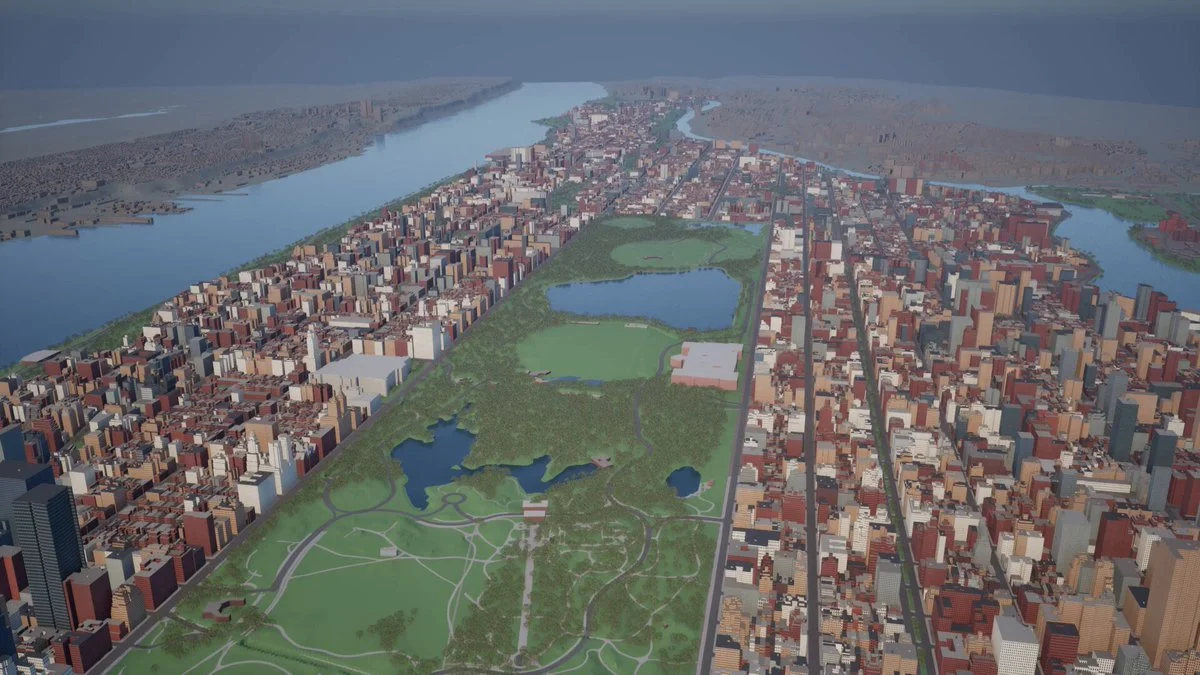
Browse Astra prompts and real 3D examples for Blender scenes, Three.js websites and games. Preview the results, copy a brief and explore GitHub projects where available.
Explore prompts →Free Claude Fable 5.1 3D prompts and source-backed briefs for Three.js games, WebGL worlds, Blender scenes, simulations and interactive websites.
Explore prompts →Free Kimi K3 3D prompts for playable browser games, Three.js worlds, physics simulations and fast interactive coding experiments.
Explore prompts →Free Claude Opus 5 3D prompts for complex Three.js applications, physics simulations, browser games and carefully constrained interactive prototypes.
Explore prompts →Free Claude Fable 5 3D prompts for expressive Three.js scenes, stylized environments, generative motion and interactive visual experiments.
Explore prompts →Keep the scene hierarchy, controls and feedback loop before changing the theme.
Swap the subject, camera, palette and signature interaction instead of rewriting everything.
Generate original characters, props and environments in Tripo once the prototype works.
Give your next scene a character worth a closer look. Create detailed, textured 3D assets from an image or a few words.
Generate 3D Assets Free