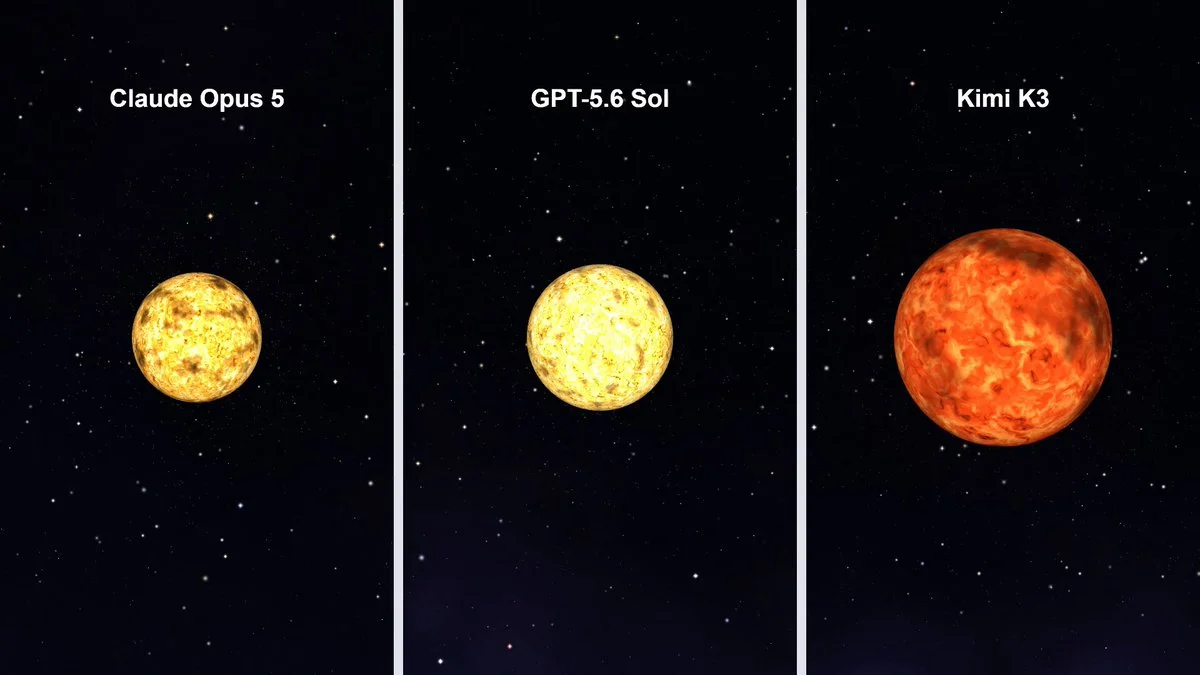
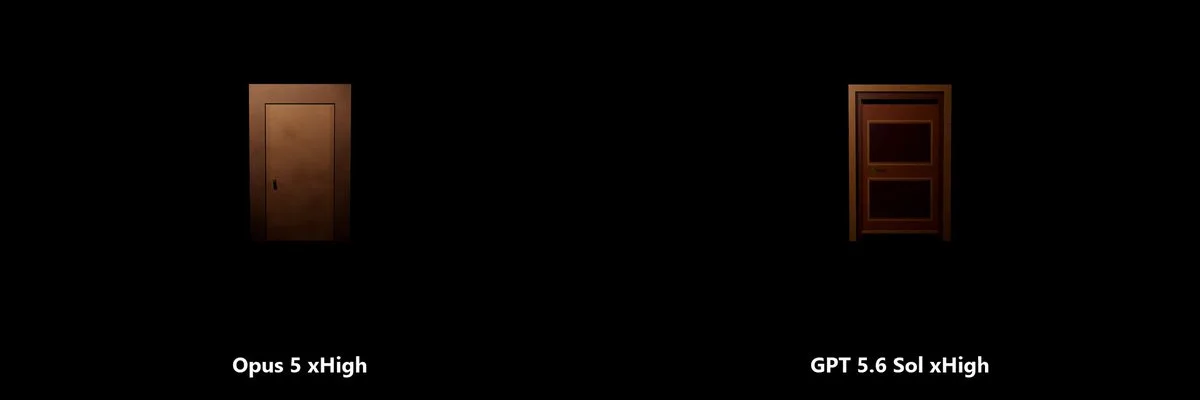
Complex brief → structured prototype

Claude Opus 5 3D Prompts & Examples

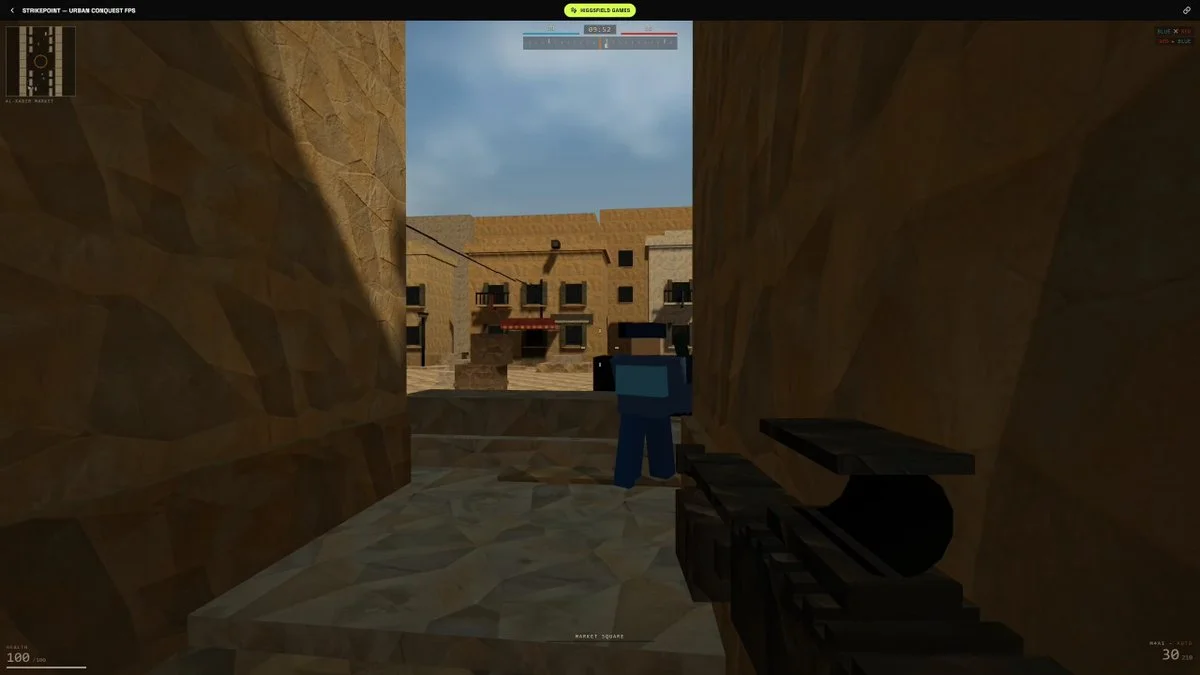
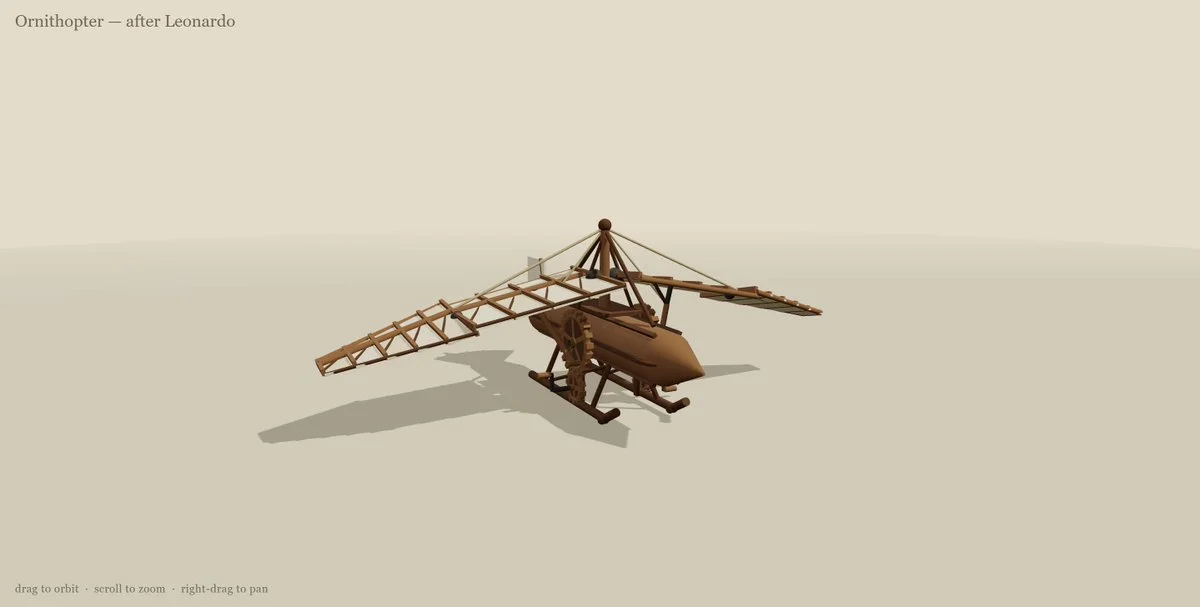
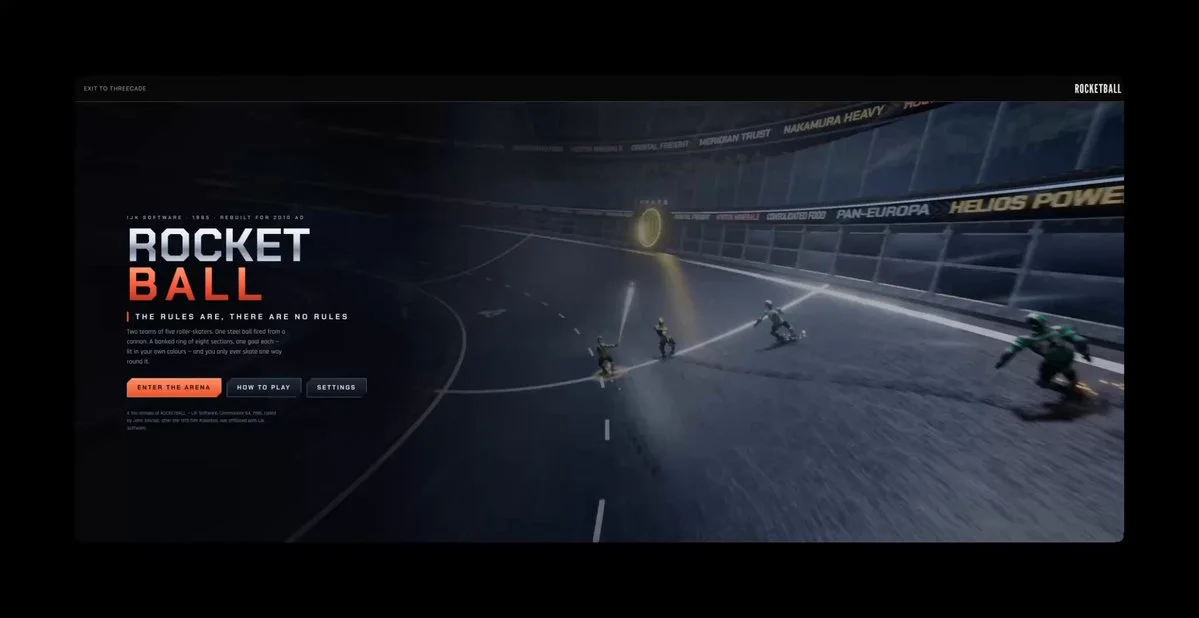
Free Claude Opus 5 3D prompts for complex Three.js applications, physics simulations, browser games and carefully constrained interactive prototypes.

Copy, adapt, build

Claude Opus 5 3D examples and prompts

Prompt for building an explorable Three.js world from a reference image with Opus 5

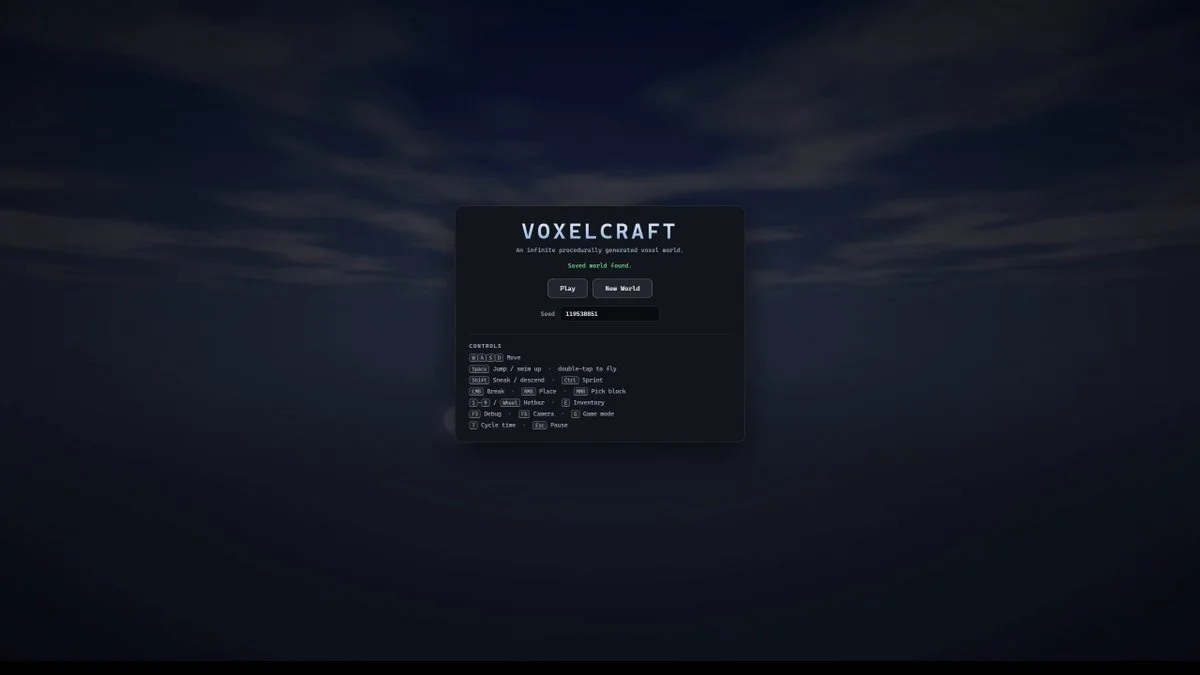
Build an explorable 3D world in Three.js based on the attached image. Requirements First-person controls (WASD + mouse look), collision detection, no clipping through geometry AAA visuals: PBR materials, HDRI-based lighting, real shadows, post-processing (tone mapping, bloom, AA) Physics on anything that moves or can be interacted with 60fps on a mid-range GPU Process Split the work into independent streams: terrain, props/geometry, materials/textures, lighting, physics, controls/camera, performance. Assign one sub-agent per stream. Each sub-agent owns its stream end to end and reports what it built plus what is still weak. Integrate, then run a review pass: walk the world, list every visible defect, fix them. Repeat that loop until a full pass produces zero defects, or until 5 loops. Report anything unresolved either way. Deliver a single runnable project plus launch instructions.

PromptJul 27, 2026

Prompt for upgrading a zombie game to AAA-style 3D visuals in Claude Opus 5

Here’s the prompt I gave to Claude Code, running Opus 5 on High mode. This was spoken/transcribed with @WisprFlow hence the conversational format. PROMPT: I want you to fork this zombie project directory, and I want us to make the environment, the map, and the gameplay look AAA, just like this tweet (screenshots attached for visual reference): https://t.co/b5CzKRTbVt Right now, the game you'll see is very blocky and not realistic... I want it to look like Battlefield 6 or the latest Call of Duty, with motion blur, amazing shadows, lighting, microanimations, and all the other bells/whistles that differentiate a vibe-coded game from a studio-level game. I want the map and gameplay and logic to effectively stay the same, but the visuals and movement need a huge update. Let's not edit this directory directly. I just want you to fork it and then redo everything graphics-wise: * visual theme * movement * all the models * etc If you need new sound effects, you can do it with ElevenLabs, and you can even do new music with ElevenLabs or text-to-speech, anything. You can also use the ElevenLabs library of sound effects we already have as well. Whatever's best. For the 3D modeling of the zombies, the gun, that map, the lighting, everything, the motion blur, the movement systems, how smooth it is, how your camera shakes when you run, all that stuff: that's gotta get to that level of quality of latest Battlefield/COD. Work until you are done. Test using browser if you need. And just have many recursive loops until its fully up to AAA standards. (note: attached screenshots of Matt's video for visual reference)

RishiJul 26, 2026

Claude Opus 5 prompt for a modern AAA game remake

Review this video https://t.co/I0i1uPfPtb and build a modern remake. It should be utterly perfect, visually beautiful, with every single thing done at AAA quality—from textures to physics to anything you could think of. Fan out sub-agents and have sub-agents tackle each one individually so that the game is utterly perfect. You should /loop on each item and have a separate sub-agent check it visually to ensure it looks triple A. That separate sub-agent should be a really harsh critic, and if it doesn't look triple A, it should keep going. Don't stop until each sub-agent is utterly wowed with the quality when compared with other games. Do this in whichever technology will provider the best result. /loop until it's utterly perfect.

Claude Opus 5 development workflow for a 3D MMO

Almost all of the code was written with Claude Opus 5. But what let the project keep moving through thousands of iteration loops was not a clever prompt. It was organizing the project so the AI could find what it needed without reading the entire codebase. 1. Keep instructions next to the code, not in one central pile Every folder has its own guide with common workflows and previously discovered pitfalls. The guide loads automatically when a session starts in that folder. Work on monsters does not need to pay the context cost of the map guide. The context required before each task dropped from roughly 76,000 tokens to about 10,000. 2. Enforce rules with tools, not discipline I had it write scripts that fail the build when they detect circular imports or color values written directly at the point of use instead of being defined centrally. Do not hope the AI remembers every rule; making the commit fail is much more reliable. 3. Let TypeScript be the reminder Add a skill without its effect and the project will not compile. Add a monster without creating its model and the project will not compile. It cannot be forgotten because the type system does not allow it. 4. Make content data-driven Adding a monster, skill or item should mean adding one row instead of modifying the whole system. AI handles “add one row” much more accurately than “update five places that must stay consistent.” 5. Effective prompts define evaluation criteria, not procedures Examples: “regular monsters must die within 2 to 5 seconds,” “at least 97% of every map must be reachable,” and “no game item may have a drop rate below 3%.” Then encode those criteria as tests. Once the AI knows what good means, it can find the route and determine whether it has succeeded. In short: invest in structure and tests first, then invest in the prompt.

Claude Opus 5 AAA shooter game prompt

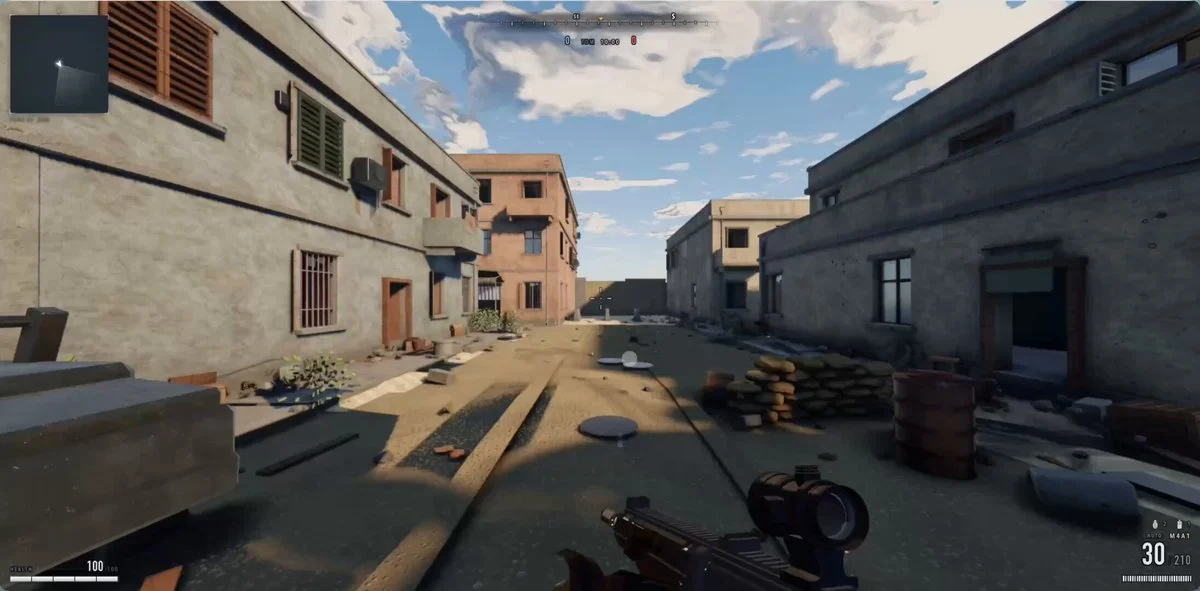
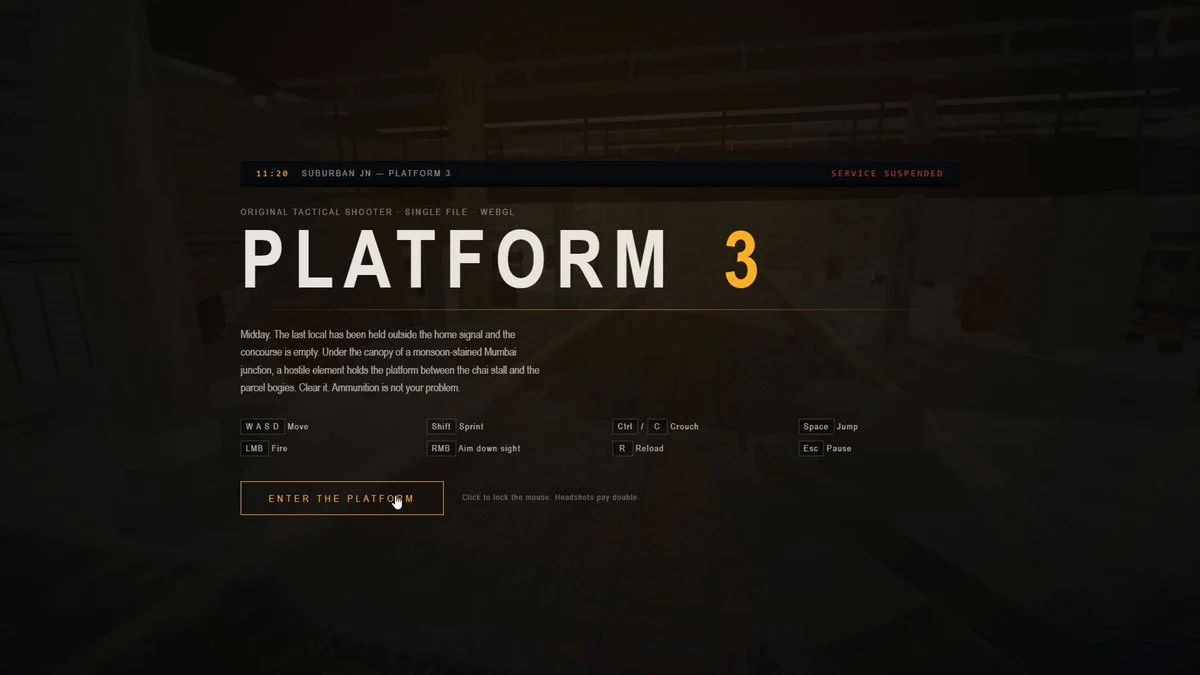
Recently, the Call of Duty game created by Claude Opus 5 has been going viral, with the author claiming it was achieved with just one prompt. Many people are skeptical, and the author has directly open-sourced the code and prompt. I originally thought the prompt would be very complex, but it turned out to be just a short few hundred words. The key among them is the loop. Here is the prompt: "I want you to develop a first-person shooter game that reaches the level of the latest Call of Duty. It must be flawless, with stunningly beautiful graphics, from textures to physics effects—all the elements you can think of must reach AAA-level quality. You need to create multiple sub-agents and have each sub-agent handle every detail separately to ensure the game reaches perfection. You should /loop each project and have an independent sub-agent perform a visual inspection to ensure it reaches AAA-level standards. This independent sub-agent should be extremely strict; if it doesn't reach AAA-level standards, it should continue checking. Do not stop until every sub-agent, after comparing with the Call of Duty game, is utterly amazed by the game's graphics quality. It should be able to compare the two games side by side without even looking at the visuals and point out which one is better. Use ThreeJS to complete this work. /loop until the game reaches perfection. Create multiple sub-agents and use UltraCode for optimization."

Garry YuanJul 28, 2026

Claude Opus 5 mech robot blueprint prompt set

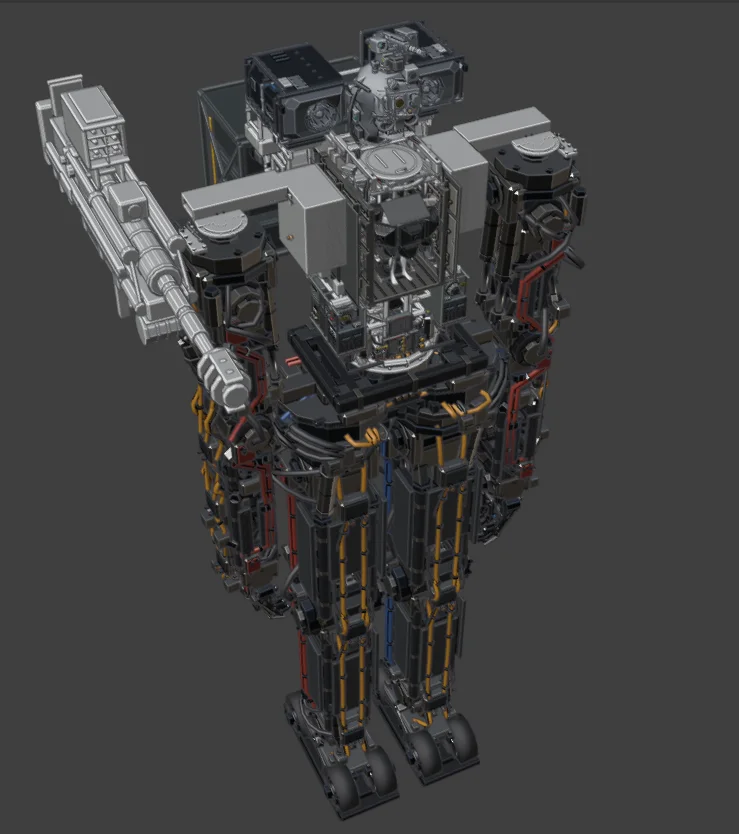
Sharing my prompts i used to create with Claude OPUS 5 + Blender, a GUNDAM SIZED mech robot blueprint using real math and physics: "lets think about the design of the mech, essentially he has 2 turboshaft engines and runs on electric motors + hydraulic power, he also has an apu, maybe pneumatic system too, he has strong bateries that help him coast a lil bit if things get messy, im think about having the 2 engines sit on the shoulders of the mech, with the service panel outwards so we can do maintennce on it. btw look at the systems of the mech again and then we're going create all of the systems physically.its gonna be awesome, set some agent to help you with this and rebuild the torso section, but leaving a large space in the middle for the cockpit + sleeping pod." "What if we give it wheels on his feet that are powered by electrical motors? that could assist movement for the most part." "assign an agent to take in those merics and create a leg design, with real wires going into the actuators and whantot" "ok inject the new glbs in the scene" "oh my god this is fckin insane. dude ok unhide the other parts real quick" "give the low poly head actual FLIR +NV cameras, + an 1980/1990s CROWS M2. machinegun." "its... beautiful... T_T" "we have to Rig the skeleton of the legs so if im animating it it obeys restraints and also this is necessary to calculate force and etc." "its ok, i dont understand most of it anyway lmao," "ok so, the stuff thatr youve built like the engines the power train and the legs, make sure those parts are sotred for later use incase we can reuse them in other areas, that being said, instruct an agent to build the arms and hands" "also, design the hips mechanism properly to fit the legs" "the wayi see it is that the joint between PELVIS and CHEST has the circular torque" "get an agent to create a handheld semi auto rifle using the bofors system so the robot has some rapid fire semi auto pew pewzer" "i want the 40mm actually, get one built in accurate but low poly so we can measure if its better as a pistol or semi auto rifle." "make both, and then make one where its an abrams cannon but with a semi auto mechanism ." "create a bolt nd spring like a rifle." "ok so the cockpit im thinking about getting rid of all the decorative wiring and stuff and actually do real wiring o-O whats ur take" "solution: make rel wiring, but wire like a savage animal." "inject the 120mm cannon thing" "RIG and animate the 120mm cannon operation." "i want an armored BIG hatch here, so that we can make the seat RAISE up and the pilot be able to see around and pilot the mech from that position, also, the 4 telescopic viewports inside the cockpit need a correspndent end point on the top too, to make sense." "continue the rig nd animate the 120mm and also the hatch command,. the pause was missclick." "ok so, the powerplant i think the belly is a good location, however, i dont like where the engines are, i think we should place them above where they re and have an actual truss structure that will suppport the torso and the shoulders... your call, how would you want to do the chest? we re doing to phatch entrance so the front chest can be built ..." "ok and the outer shell, it can be think aluminum or even carbon fiber id ont care, but has to look cool, id guess NCT could wokr as armor? idk, your call, we will have to later on put some parts to make thismontrosity look a bit pallatable.. anyways, get your team and start building." "i found this inverter PT125 floating around and i dont know where its supposed to go."
Spectro 🇺🇸Jul 30, 2026

Claude Opus 5 prompt for an explorable Three.js castle world

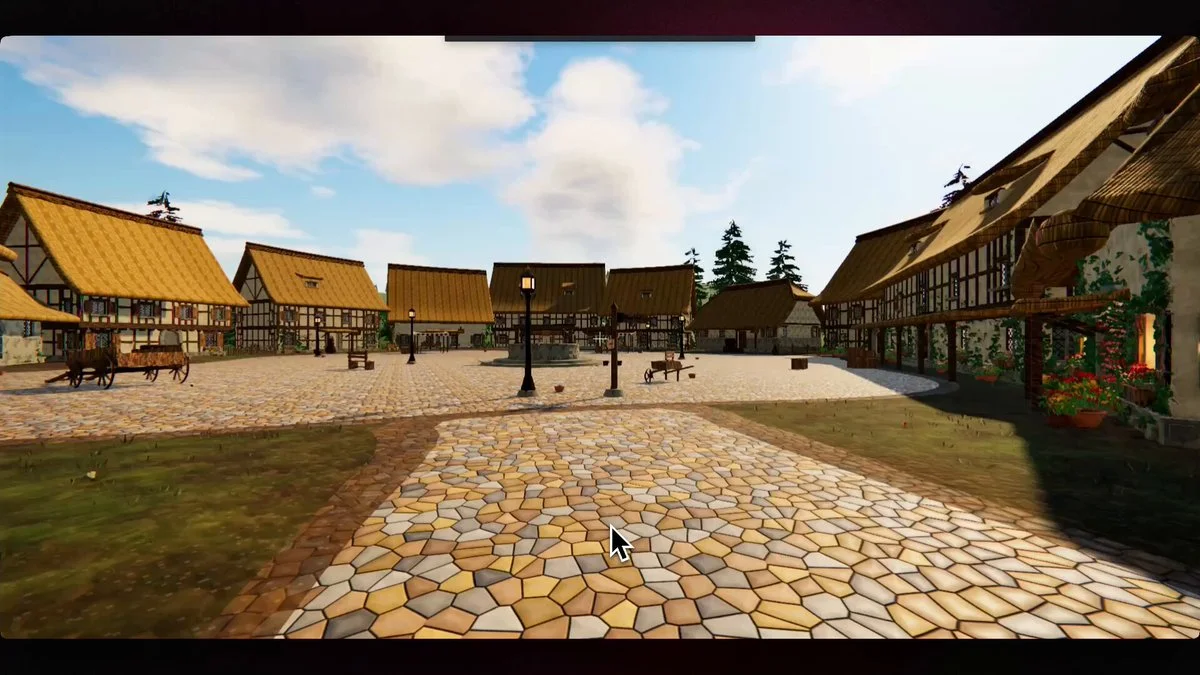
We are going to build a large, explorable 3D world with Three.js and Vite. At the center, create a massive castle on a hill that the player can walk toward, enter, and explore. Really focus on making the world feel alive and cinematic. Prioritize detailed lighting, volumetric clouds, dense grass, wind simulation, particle effects, god rays, atmospheric fog, and polished camera effects. The castle should feel AAA-quality, with imposing architecture, a functional drawbridge, outer walls, towers, and a large interior courtyard. Make the entire experience feel cohesive, immersive, and visually incredible.

AutoSpriteJul 29, 2026

Claude Opus 5 3D examples on GitHub

Want to inspect the implementation? Filter this collection for GitHub projects, or explore source-code examples across models. Check the repository license before reusing code.

Explore 3D projects with source code ↗

3D build walkthroughs

See the prompts become working 3D

Watch independent creators put each model through a real 3D build, then use the free prompts above to run your own version of the experiment.

Sourany StudioClaude Opus 5

Can Claude Opus 5 Build a Playable 3D Game from One Prompt?

A practical one-prompt challenge that asks Claude Opus 5 to create a playable 3D game—useful evidence for structuring controls, game state and acceptance checks.

YouTube ↗

Why this collection

How to use Claude Opus 5 for 3D

These free Claude Opus 5 3D prompts are organized around demanding builds: simulations, games and web experiences where several systems must work together. The useful pattern is not prompt length alone; it is the explicit contract between behavior, visuals and technical constraints.

Copy an example, preserve its requirement structure and replace the subject matter. Add acceptance checks such as camera controls, restart behavior, mobile fallback and frame-rate expectations. Tripo can supply the production-ready 3D assets once the interaction scaffold is working.

Best for

01

Multi-system prototypes

Break a complex scene into rendering, interaction, state and performance requirements before implementation.

02

Constraint-heavy simulations

Specify precise physical behavior, object constraints and failure states for simulations that need internal consistency.

03

Structured 3D applications

Plan maintainable Three.js demos with explicit modules, controls, responsive behavior and fallback rules.

Prompt recipe

Write a better first draft

  1. 01

    Lead with the outcome

    State the user-visible outcome first, then list the systems that must cooperate to produce it.

  2. 02

    Specify interaction contracts

    Make controls, state transitions, collisions and reset behavior explicit; do not leave core interaction rules implied.

  3. 03

    Add performance guardrails

    Ask for asset budgets, responsive controls and graceful fallbacks so the prototype remains usable beyond a desktop demo.

Actual models · 360° comparison · Click to expand
See the details from every angle

One character, two real workflows. Results vary by task.

Create detailed 3D assets

Give your next scene a character worth a closer look. Create detailed, textured 3D assets from an image or a few words.

Generate 3D Assets Free

Claude Opus 5 3D prompts FAQ

How detailed should a Claude Opus 5 3D prompt be?

+

Separate the brief into outcome, systems, controls, visual rules, performance limits and acceptance checks. That makes a long prompt easier to execute and easier to revise.

When is Opus a better fit for a 3D prototype?

+

Use it when the scene has several interacting systems or strict constraints. For a single stylized effect, a shorter visual-first brief may be faster.