
Zubli, a responsive WebGL character
Turn six static character poses into a WebGL character that breathes, blinks, waves and follows the cursor. Optimize the deformation and rendering toward smooth 60 FPS playback.
Source-backed idea → working 3D experience
Free Claude Fable 5.1 3D prompts and source-backed briefs for Three.js games, WebGL worlds, Blender scenes, simulations and interactive websites.
Featured results
82 prompts
Copy, adapt, build
Turn six static character poses into a WebGL character that breathes, blinks, waves and follows the cursor. Optimize the deformation and rendering toward smooth 60 FPS playback.
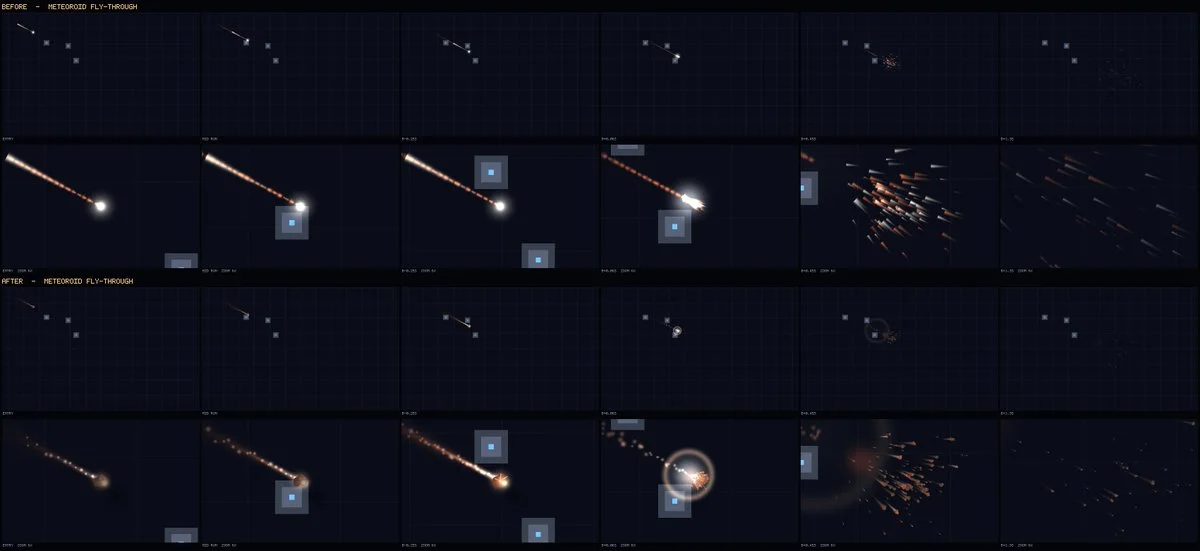
Inspect the existing meteoroid-breakup VFX and improve its fragmentation, heat, trails, shockwave, timing, scale and camera readability without breaking current controls.
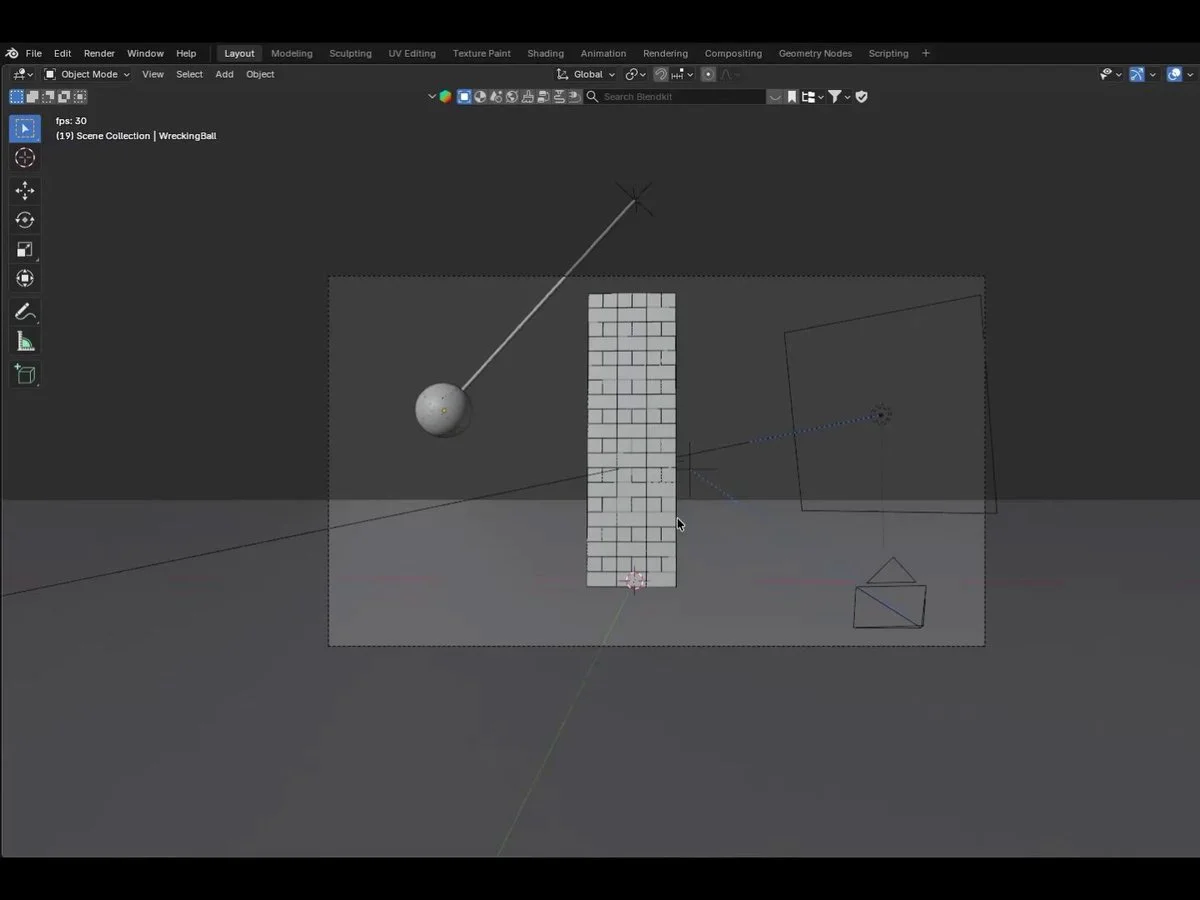
Create a focused Blender physics test where a suspended wrecking ball hits a brick tower, with believable cable behavior, masonry breakup, ground collision and a readable camera.
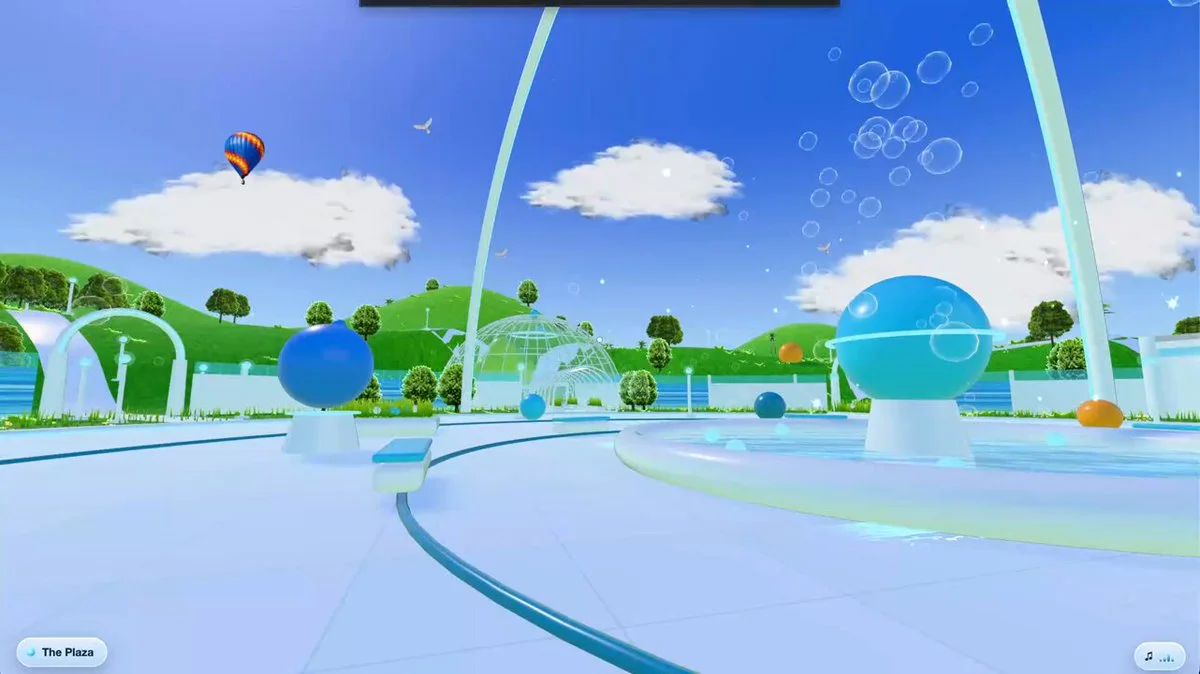
Create a small interactive 3D world inspired by early-2000s Frutiger Aero, with bright fields, clean water, bubbles, translucent glass forms and optimistic ambient sound.
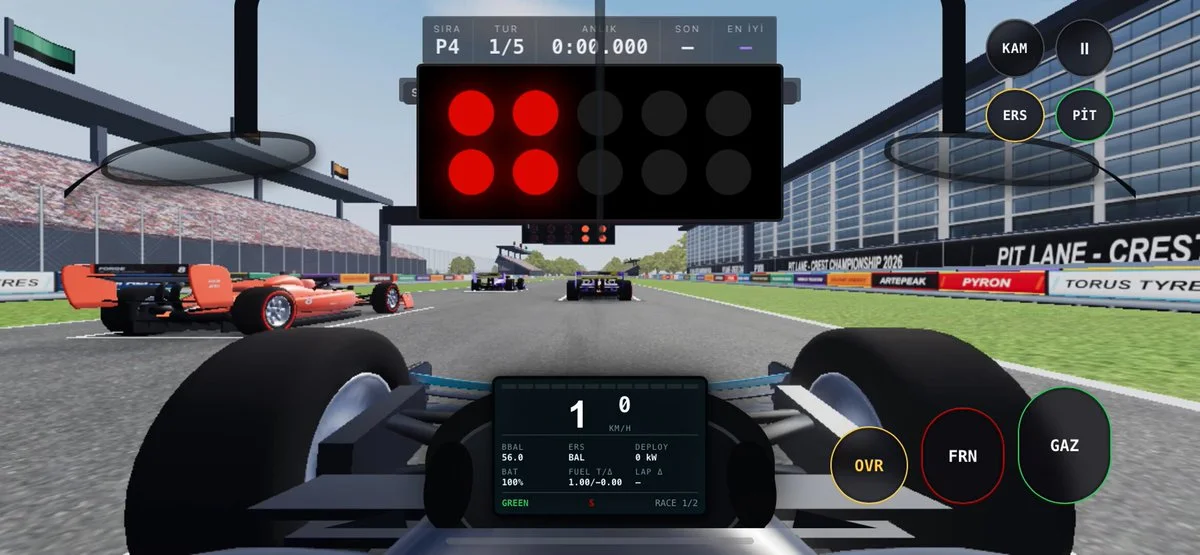
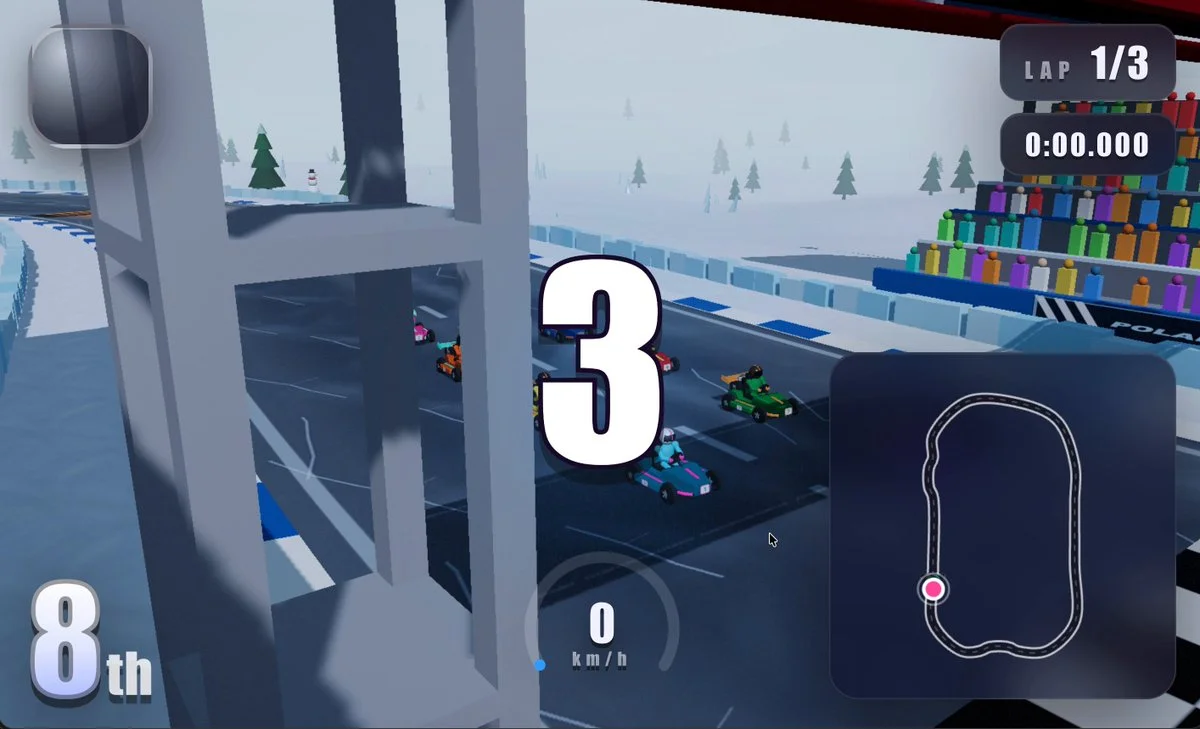
Create a single-player open-wheel racing simulator with chase, cockpit, T-cam and nose cameras, 11 fictional teams, 22 drivers, 24 rounds, quick race, time trial, race weekends, championship and career modes.
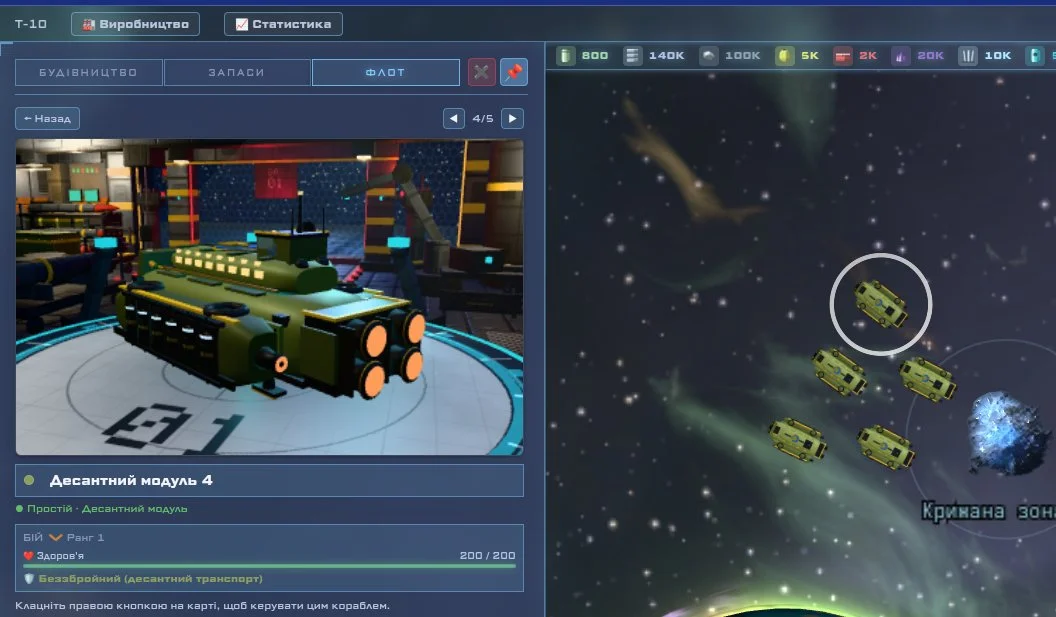
Redesign high- and low-LOD models for an assault-pod spaceship, preserving its silhouette while meeting triangle budgets, improving panel language and preparing the asset for a real-time game.
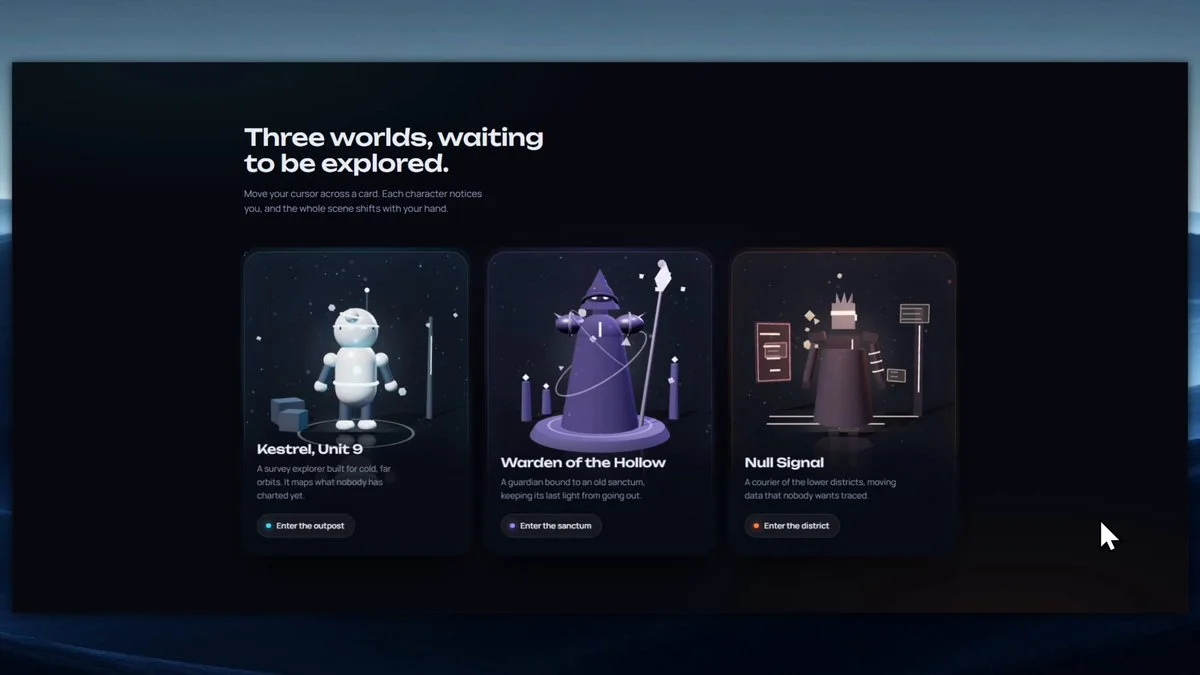
Build an interactive 3D character-card interface. Make the character respond to pointer movement and keep the card readable and responsive.
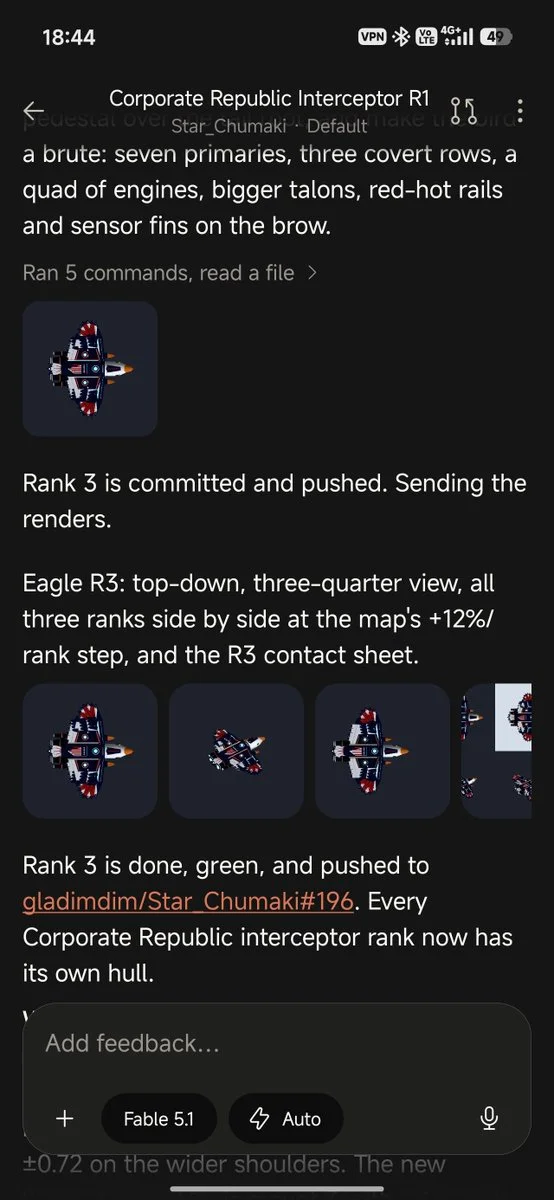
Create a game-ready heavy interceptor drone for a corporate republic faction, with a strong silhouette, modular weapons, readable scale, materials and real-time asset constraints.
Build a space exploration and trading game with flyable ships, star systems, stations, commodities, contracts, upgrades, risk and a satisfying travel loop.
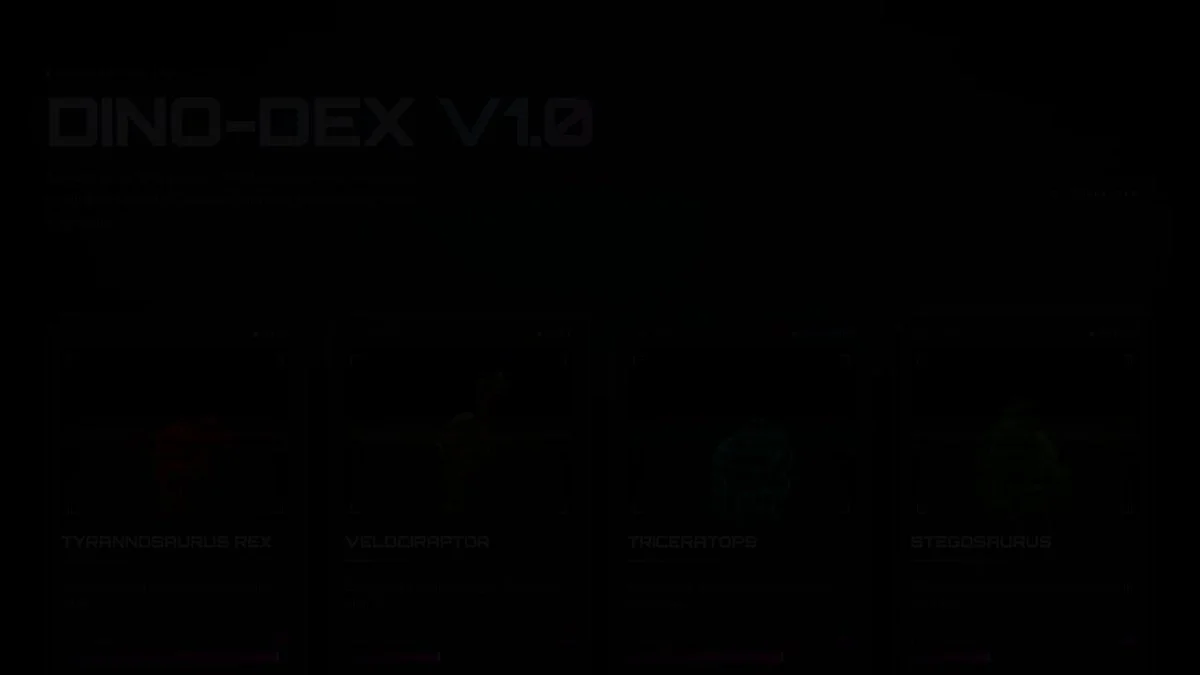
Create an interactive Dino-dex where every dinosaur is a live 3D model, using custom GLSL Fresnel treatment, eight efficient WebGL contexts, responsive cards and informative species details.
Want to inspect the implementation? Filter this collection for GitHub projects, or explore source-code examples across models. Check the repository license before reusing code.
Explore 3D projects with source code ↗Why this collection
This collection comes from an X search conducted immediately after Claude Fable 5.1 launched. It covers browser shooters, voxel cities, scientific visualizations, Blender assets and interactive websites. Replies were followed when authors said the prompt, demo or source lived in the thread.
Public evidence varies. Copy a verbatim prompt when available; otherwise treat the source-derived entry as a production brief and tune it to your own constraints. Repository and live-demo links are shown separately so you can inspect the actual result before investing tokens.
Best for
01
Turn a game idea into a complete browser prototype with controls, feedback, opponents and a finish condition.
02
Coordinate rendering, simulation, UI and world state in one demanding Three.js or WebGL build.
03
Use Blender, Godot or Unity workflows for assets, physics, animation and presentable scene output.
Prompt recipe
Define what the player can do, what changes in response and how the experience ends before adding visual polish.
Specify camera modes, input, state transitions, collision and restart behavior as testable requirements.
For dense voxel or simulation scenes, state object budgets, instancing strategy and frame-rate expectations.
Give your next scene a character worth a closer look. Create detailed, textured 3D assets from an image or a few words.
Generate 3D Assets FreeEach entry is labeled. “Verbatim” means the author published the task wording. “Source-derived brief” means we reconstructed a reusable prompt from the public project description and do not claim access to a hidden prompt.
Start with the visible outcome and core interaction, then add camera, controls, visual direction, performance limits and acceptance checks. For large builds, split evaluation and implementation into explicit stages.
Several authors published repositories or live builds. Those links appear only when they were independently resolved and are kept separate from the X source post.