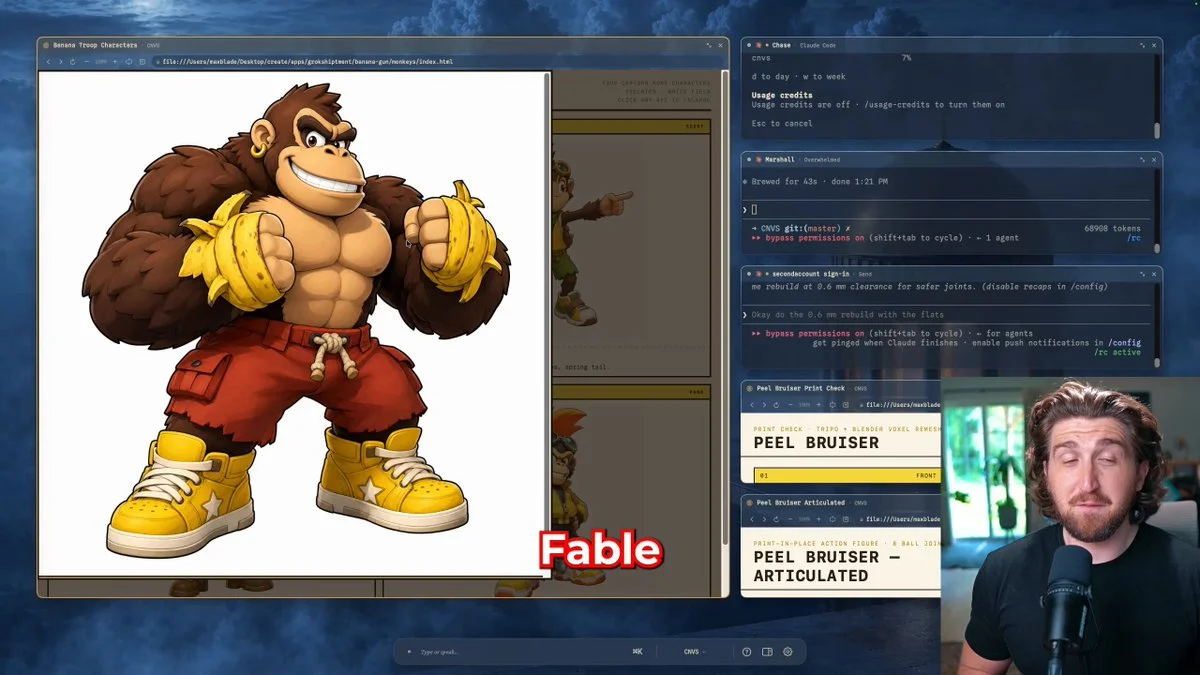
Articulated printable action figure
Turn a character concept into a printable action figure. Build articulating ball joints in Blender and check that the assembled figure can stand.
Source-backed idea → working 3D experience
Free Claude Fable 5.1 3D prompts and source-backed briefs for Three.js games, WebGL worlds, Blender scenes, simulations and interactive websites.
Featured results
82 prompts
Copy, adapt, build
Turn a character concept into a printable action figure. Build articulating ball joints in Blender and check that the assembled figure can stand.
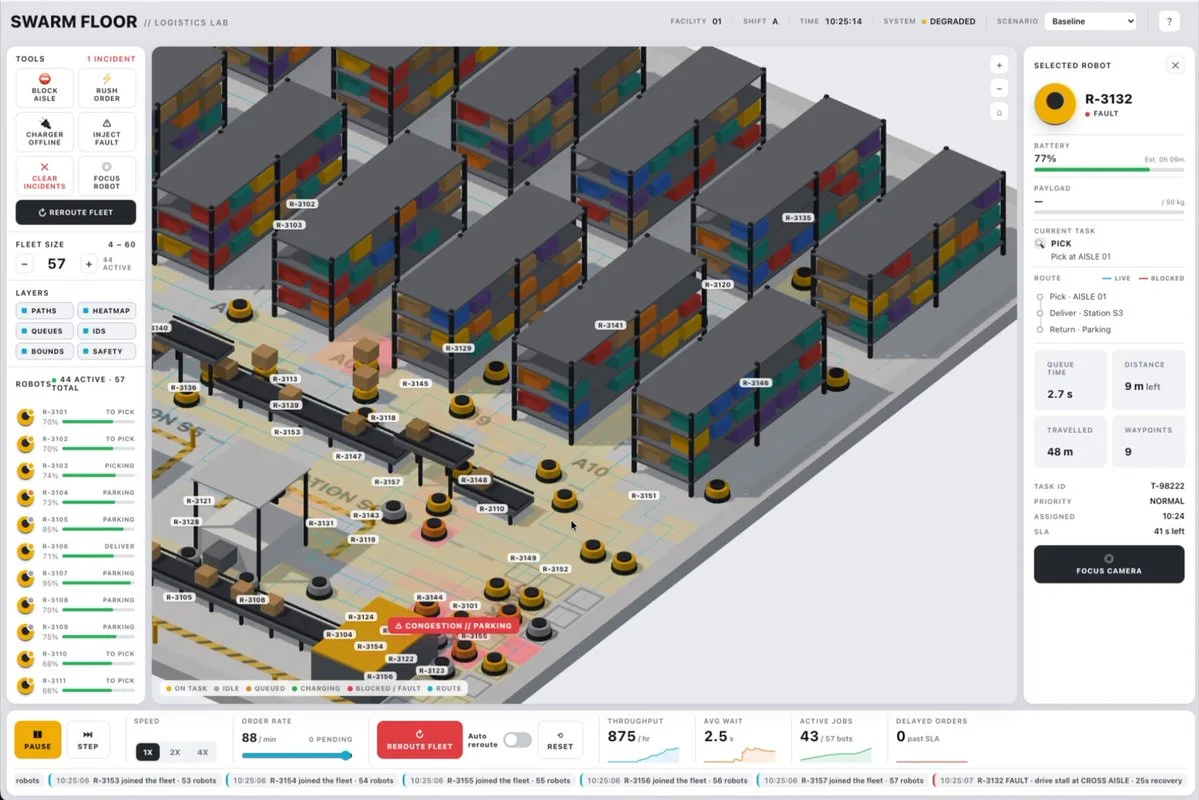
Build an isometric Three.js warehouse simulation with storage aisles, packing stations and charging pads. Add real pathfinding, collision avoidance, a live heatmap and adjustable robot fleet size.
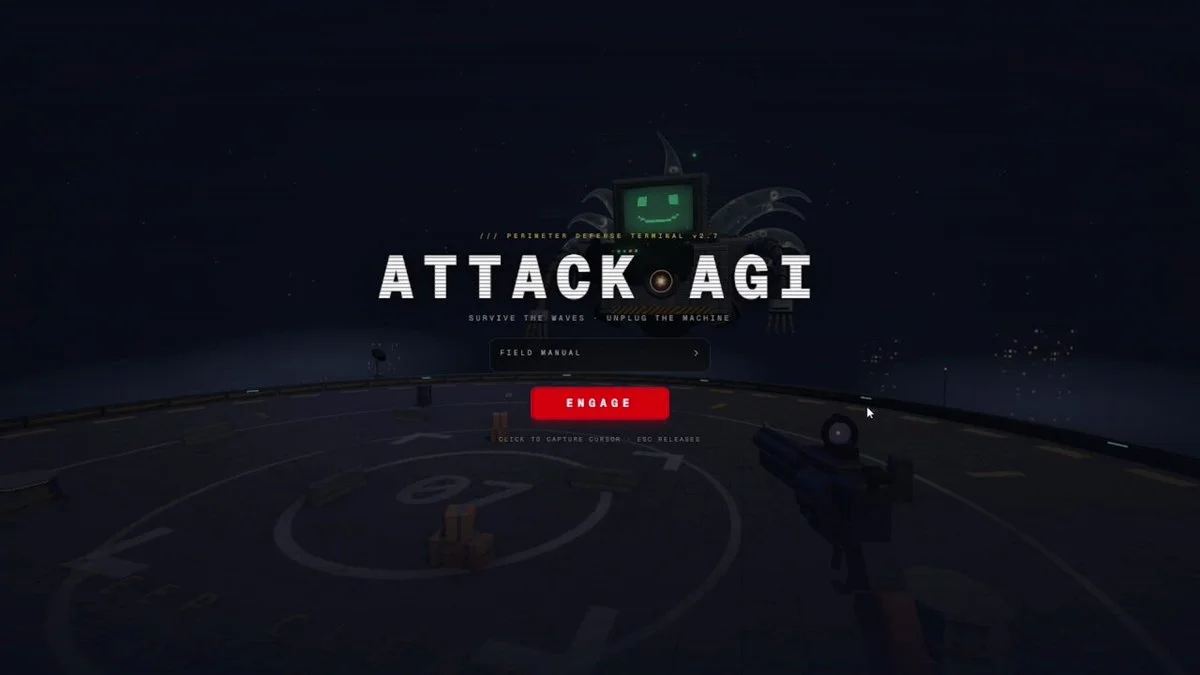
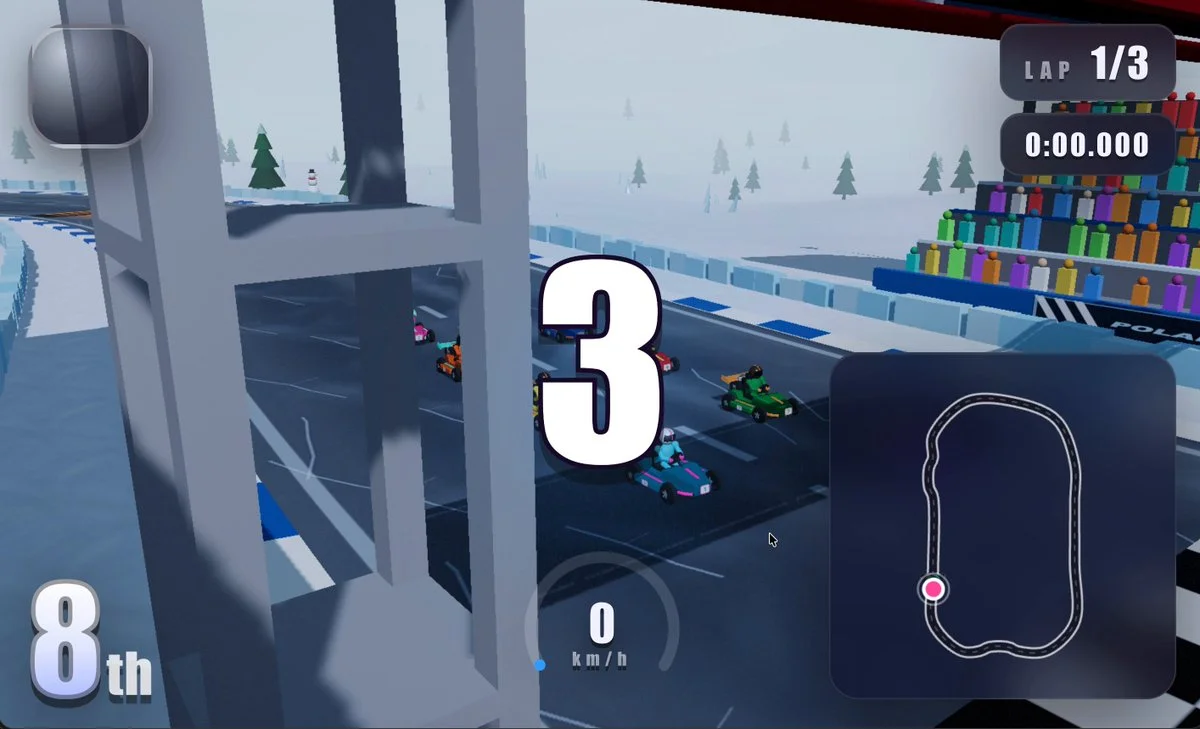
Create a one-shot Three.js game where a human fights an unaligned AGI and its robot minions, with a clear combat loop, escalating waves and a final objective.
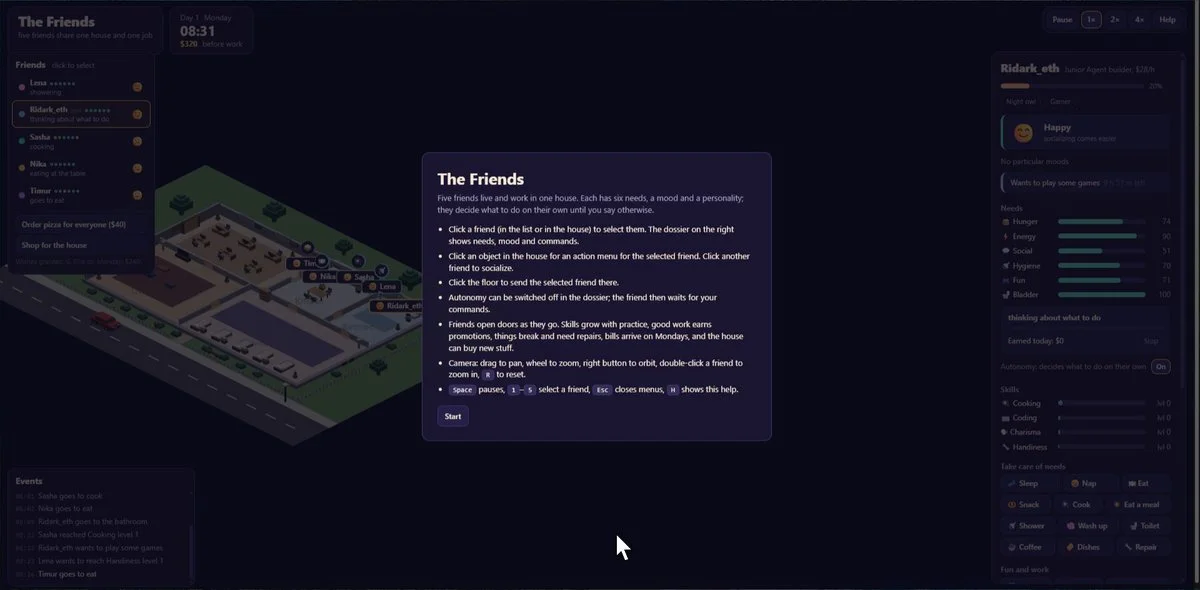
Build a Sims-like life simulation with five autonomous characters whose needs, routines, relationships and decisions create emergent stories without constant player input.
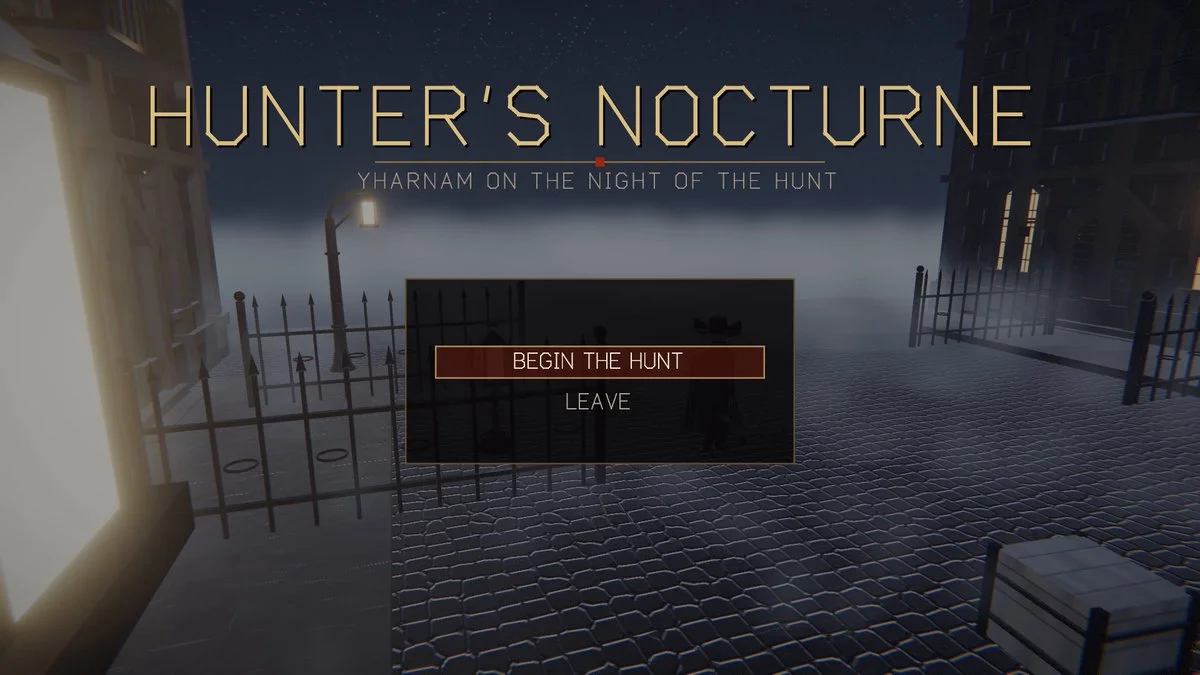
Create a Bloodborne-inspired souls-like game in native C++ with original art, animation, sound and music, responsive combat, enemies, a boss and a complete short level.
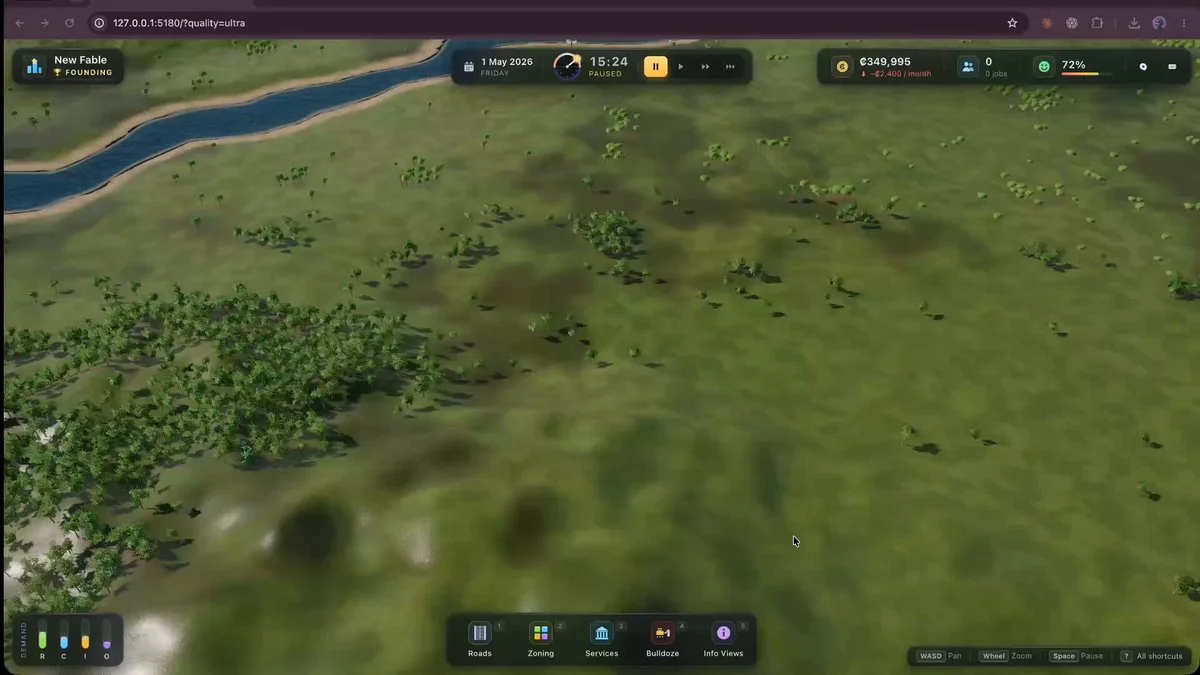
build me Cities: Skylines in three.js
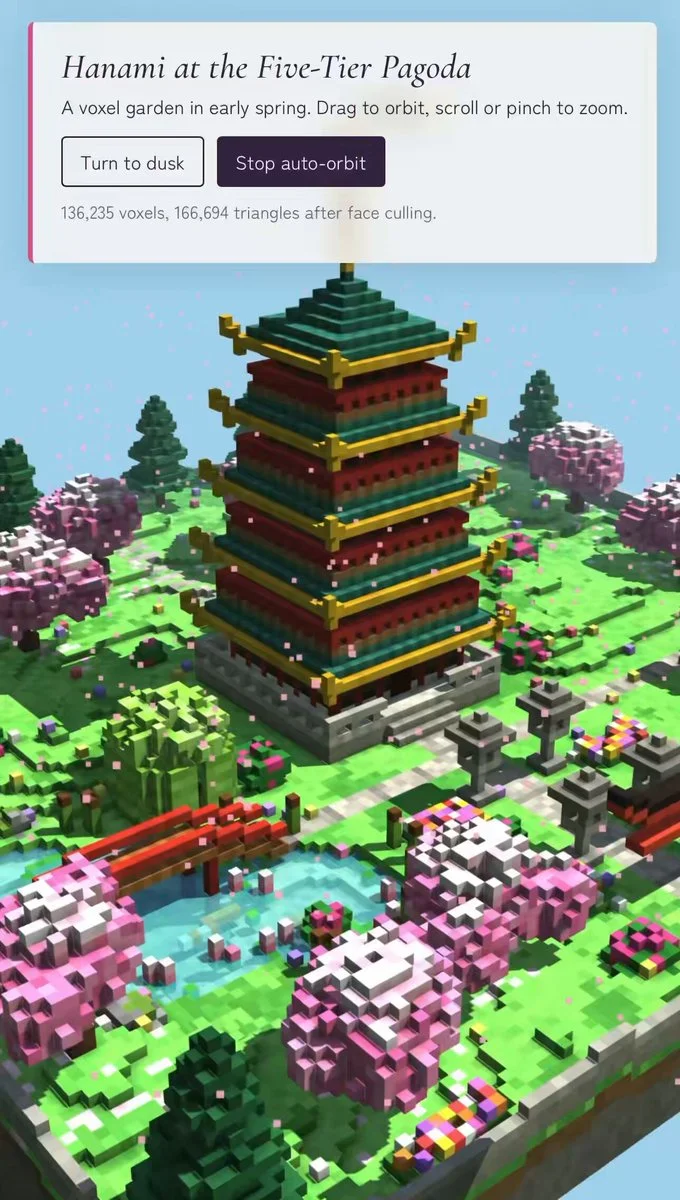
Generate a deterministic 136,000-voxel pagoda in Three.js with readable architectural layers, efficient instancing, stable output and an inspection camera.
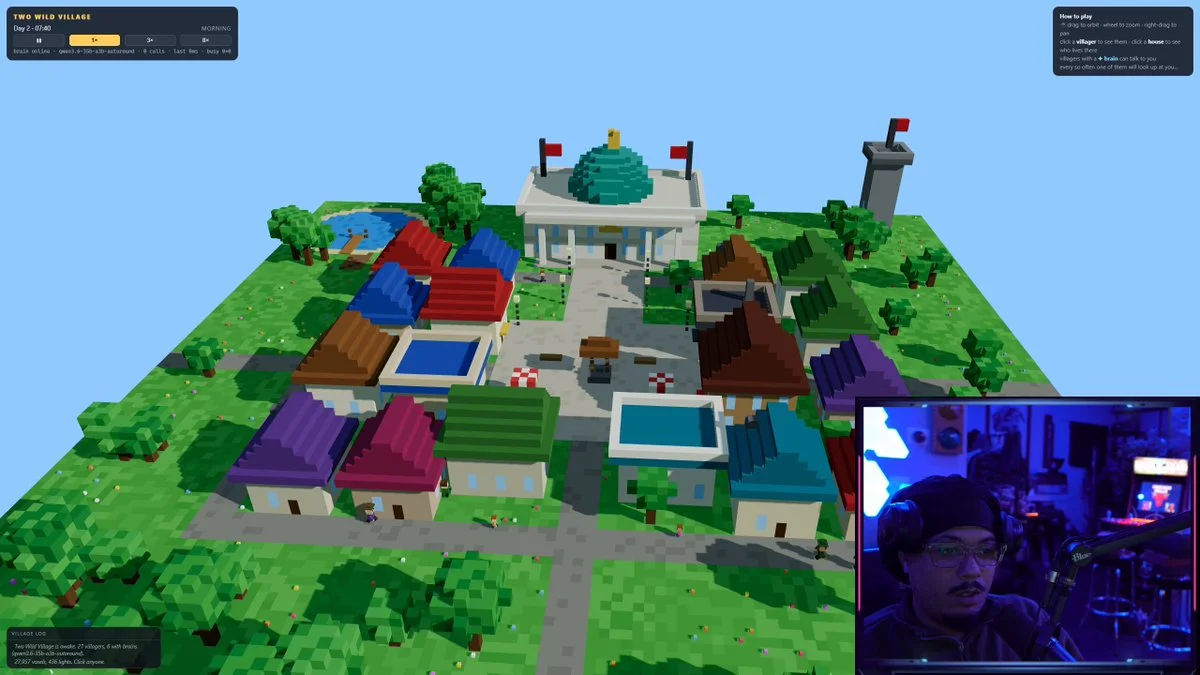
Build a voxel village where residents have jobs, routines, memory and local language-model brains so they can react to the player and to one another.
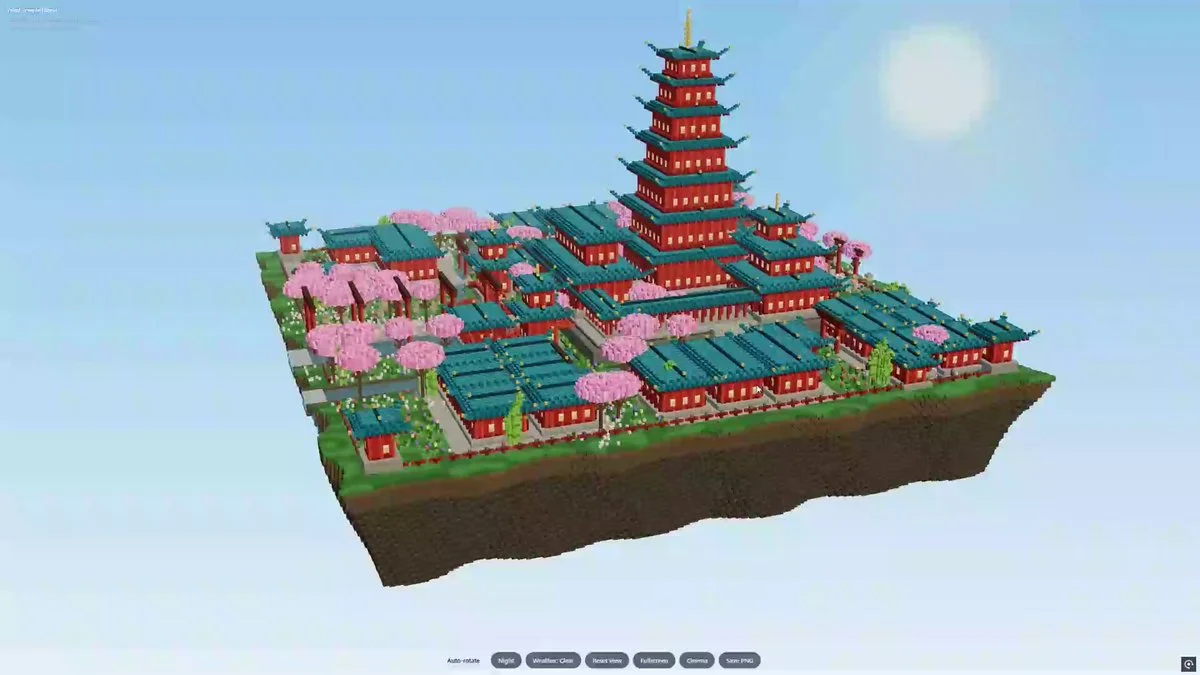
Create an interactive floating Japanese city centered on a richly detailed pagoda, with layered islands, bridges, mist, lantern light and cinematic flight controls.
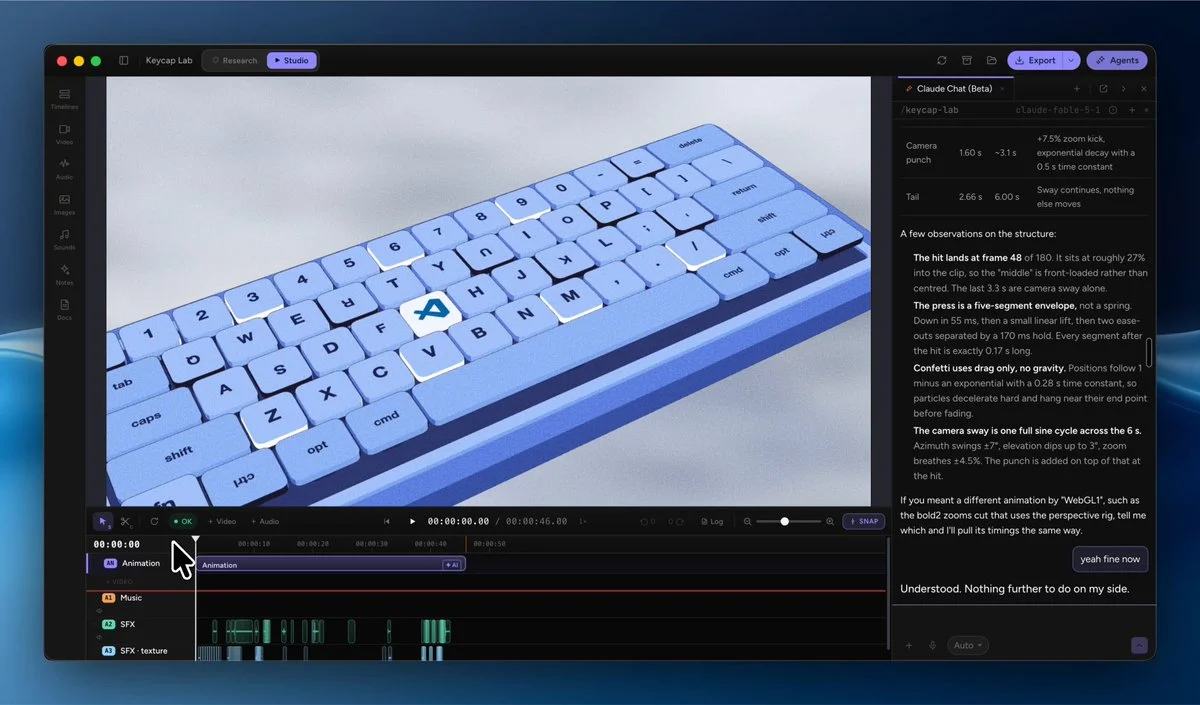
Create an editable 3D keyboard animation with satisfying key travel, lighting, camera motion and configurable labels, colors and timing.
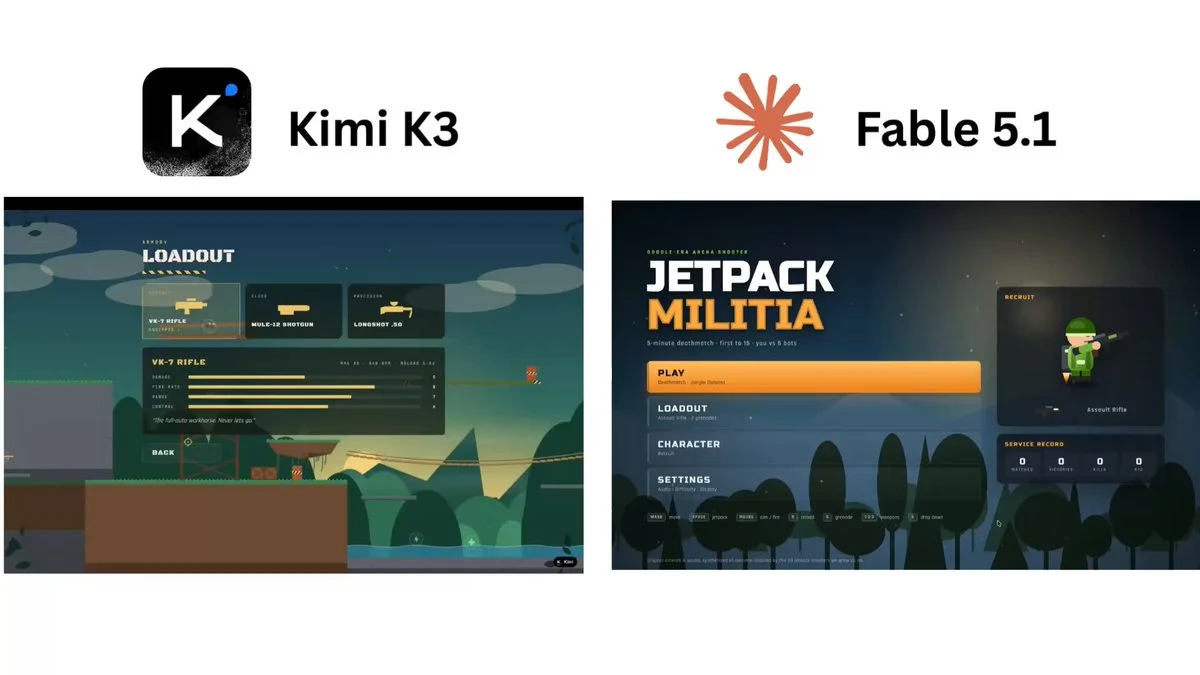
Create a Mini Militia-style action game with responsive movement, aiming, weapons, compact arenas, bots and immediate hit and damage feedback.
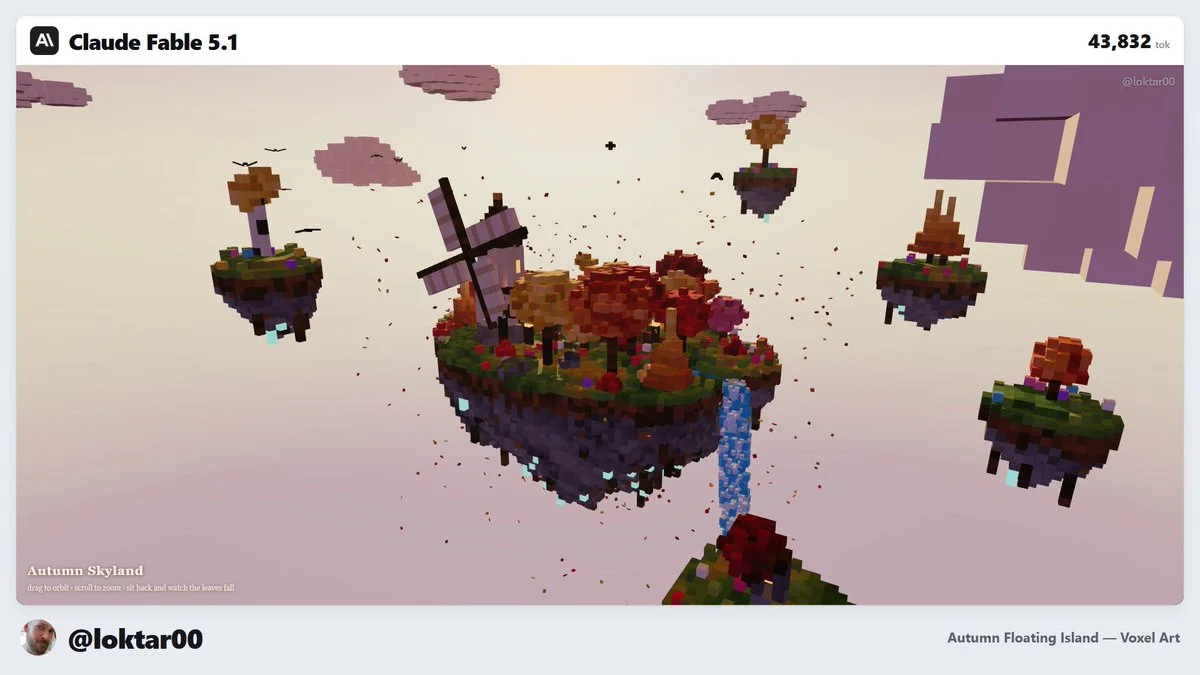
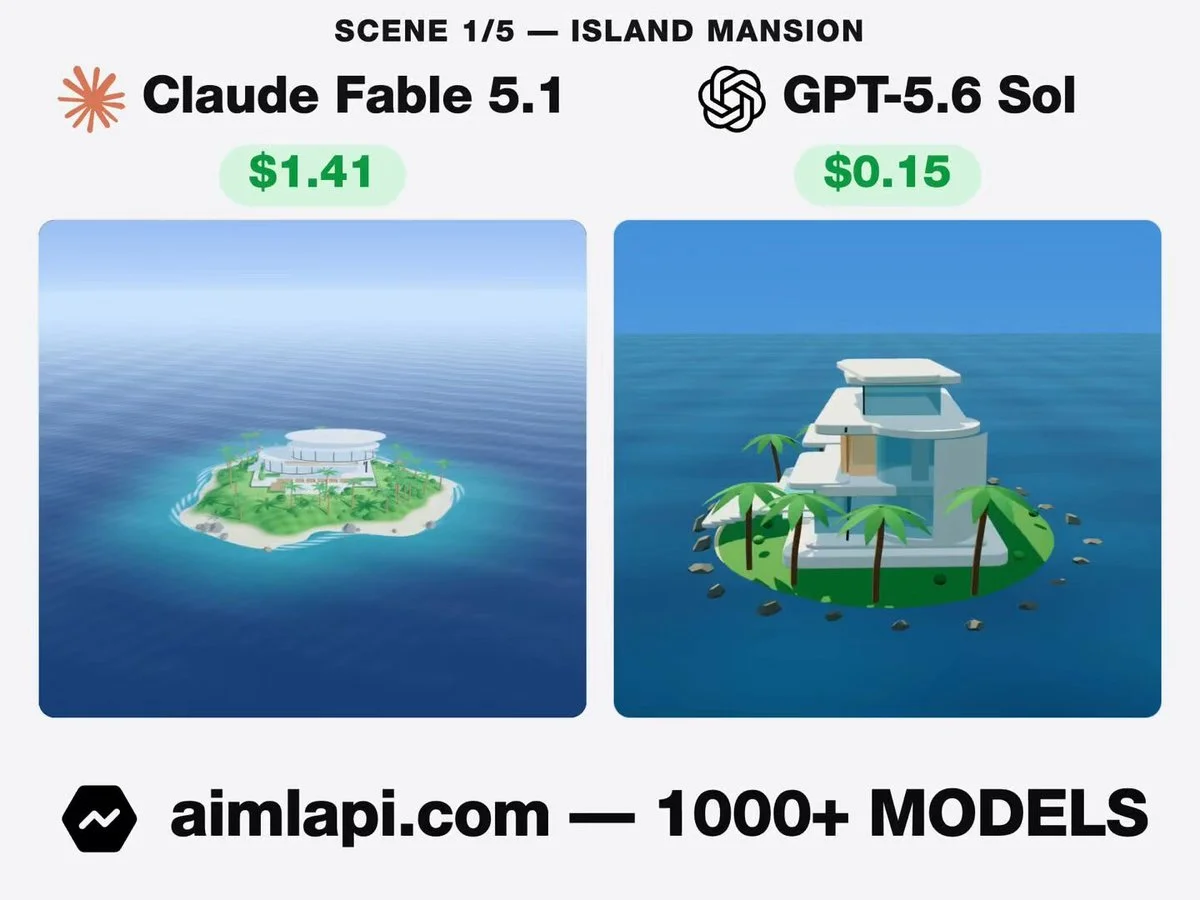
Build a floating voxel island with readable terrain layers, vegetation, water, structures, ambient motion and a camera that can orbit and inspect the whole scene.
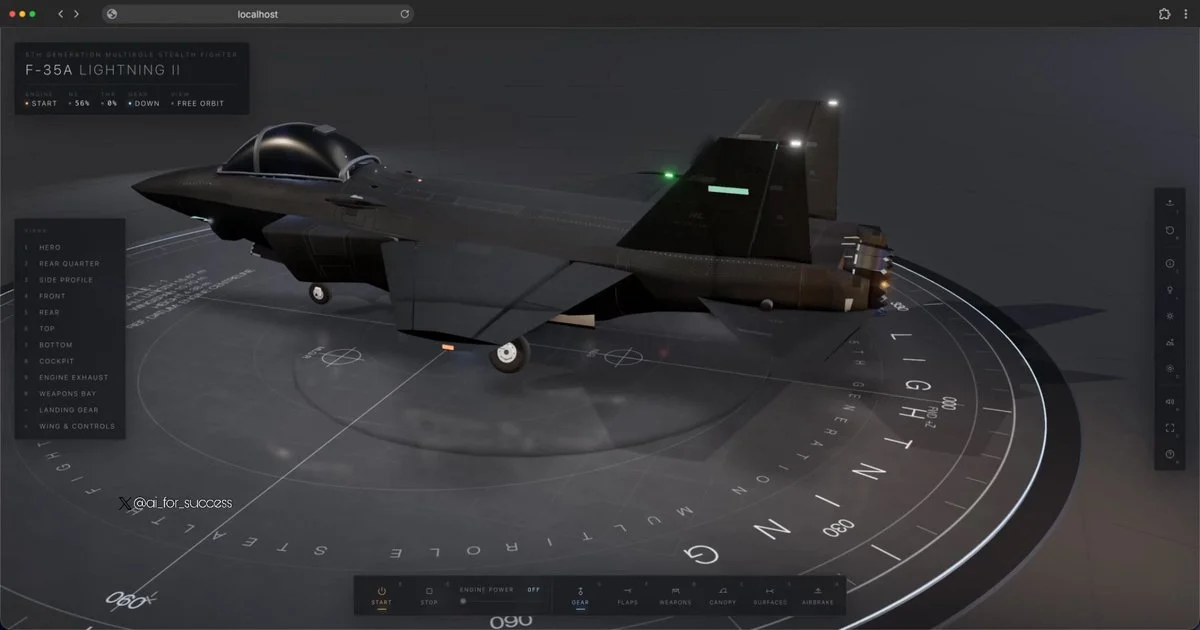
Generate a detailed interactive F-35A through code, with accurate proportions, control surfaces, landing gear, cockpit cues, labels and inspection animations.
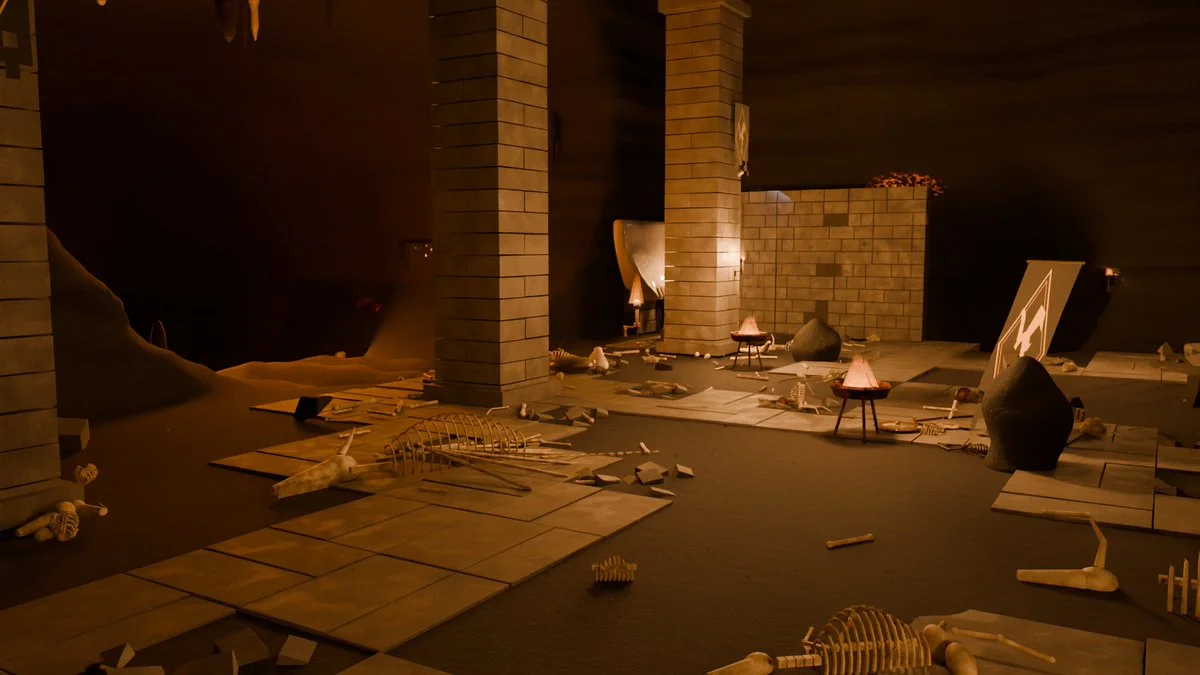
Create a procedural Three.js scene of an ancient temple floating above a glowing canyon at dusk, with cloth in the wind, god rays, lightning and a cinematic approach.
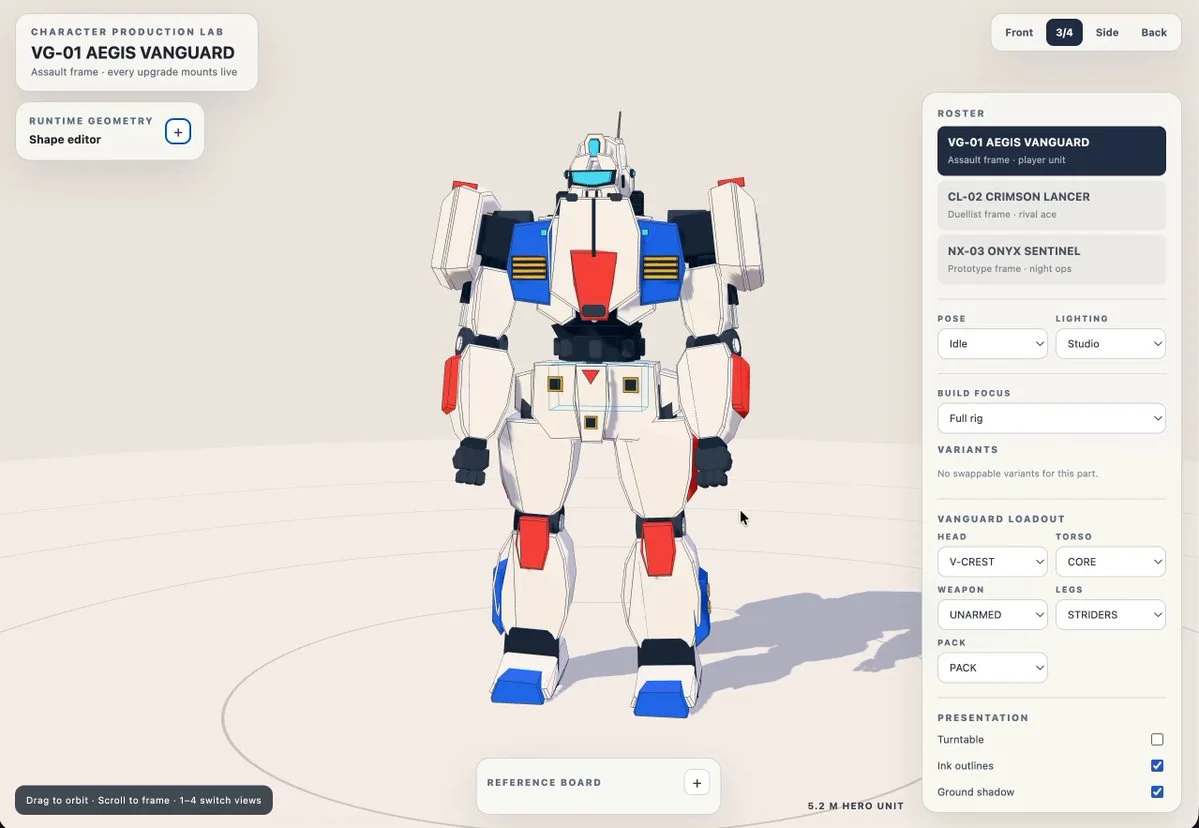
Create a polished Three.js showcase of original Gundam-inspired mechas with mechanical articulation, scale cues, dramatic lighting and an inspection camera.
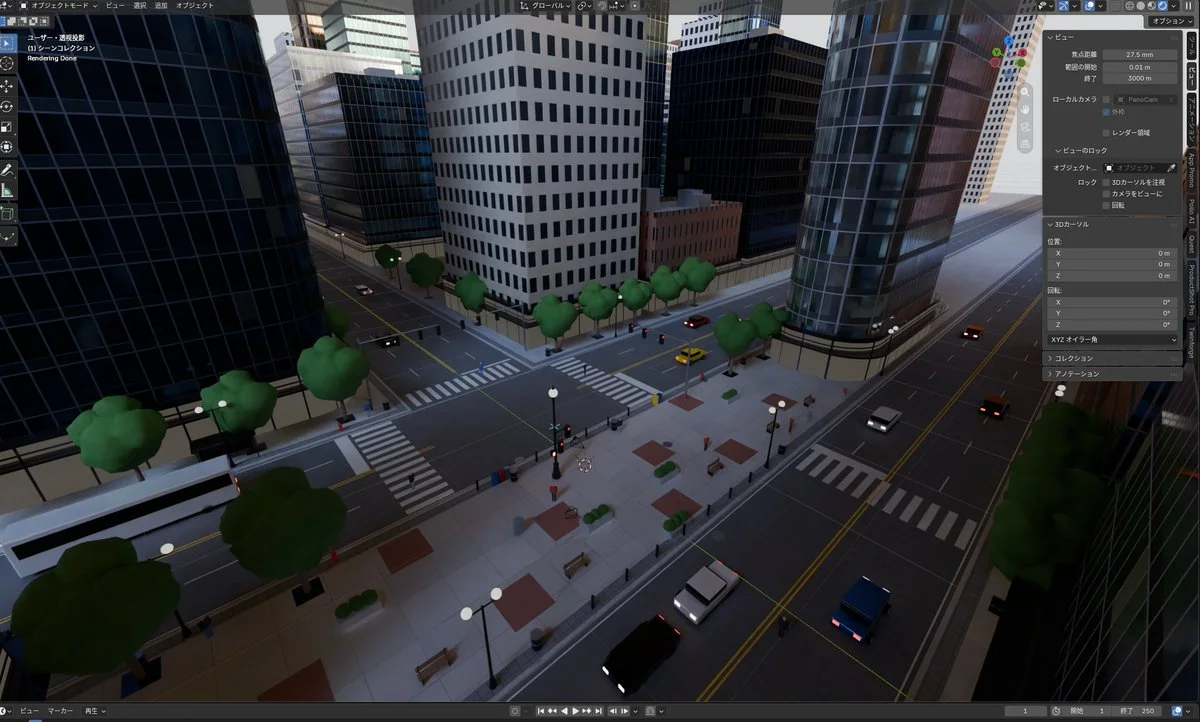
Use the supplied equirectangular city panorama as visual reference to construct a dense Blender city model in one pass, preserving major roads, masses, skyline and spatial relationships.
Create a Ramayana-inspired cinematic in HTML and Three.js. A forgotten jungle temple awakens a colossal vanara guardian; build the setting, animation and background score in code.
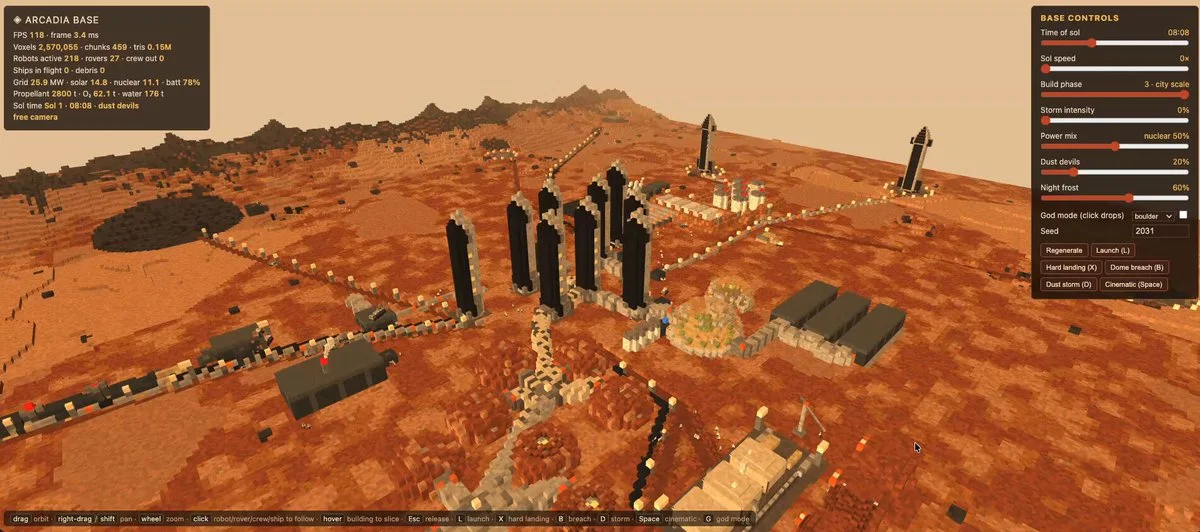
Build a playable voxel Mars colony with landing spacecraft, construction robots, rovers, power storage, oxygen and water systems. Make dust storms and blackouts affect the colony.
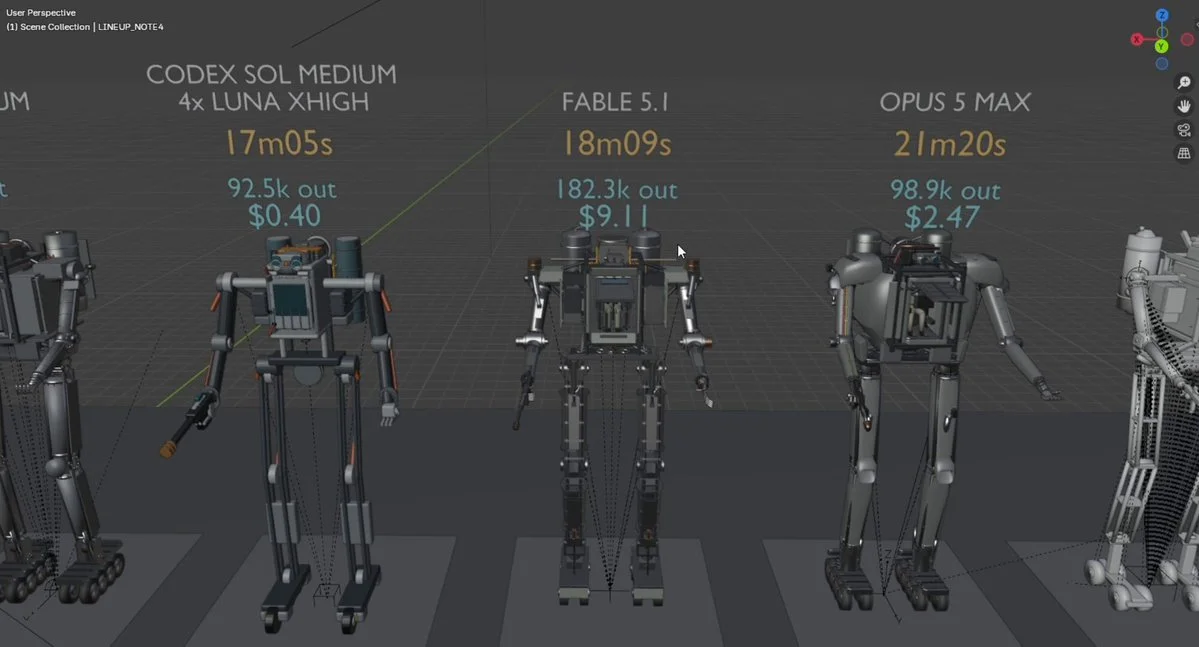
Build a detailed hard-surface robot in Blender, including coherent proportions, joints, paneling, materials, lighting and a presentation render.
Build a dramatic dragon-lair scene in Blender with a focal dragon, cavern scale, treasure, smoke, firelight, layered composition and a cinematic camera.
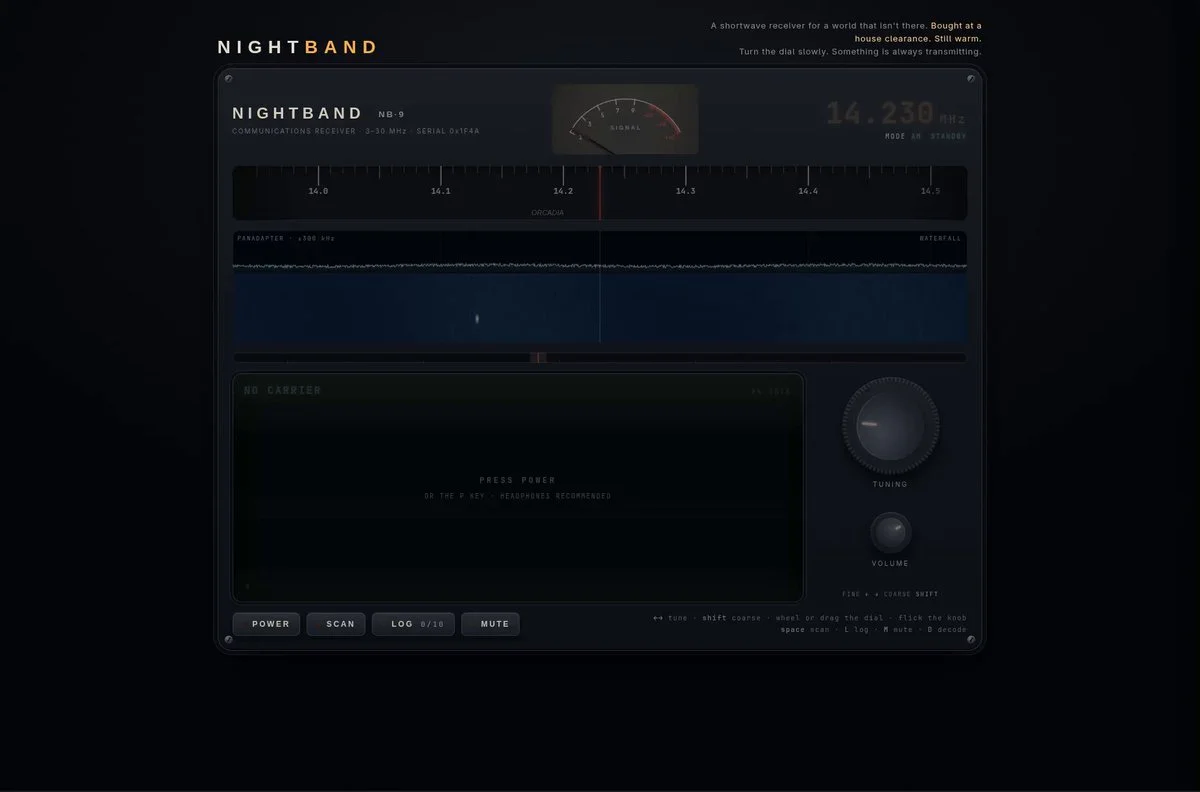
Create the most impressive website you can in a single self-contained HTML file. You have complete creative freedom. The goal is to demonstrate how intelligent, creative, technically capable and original you are.
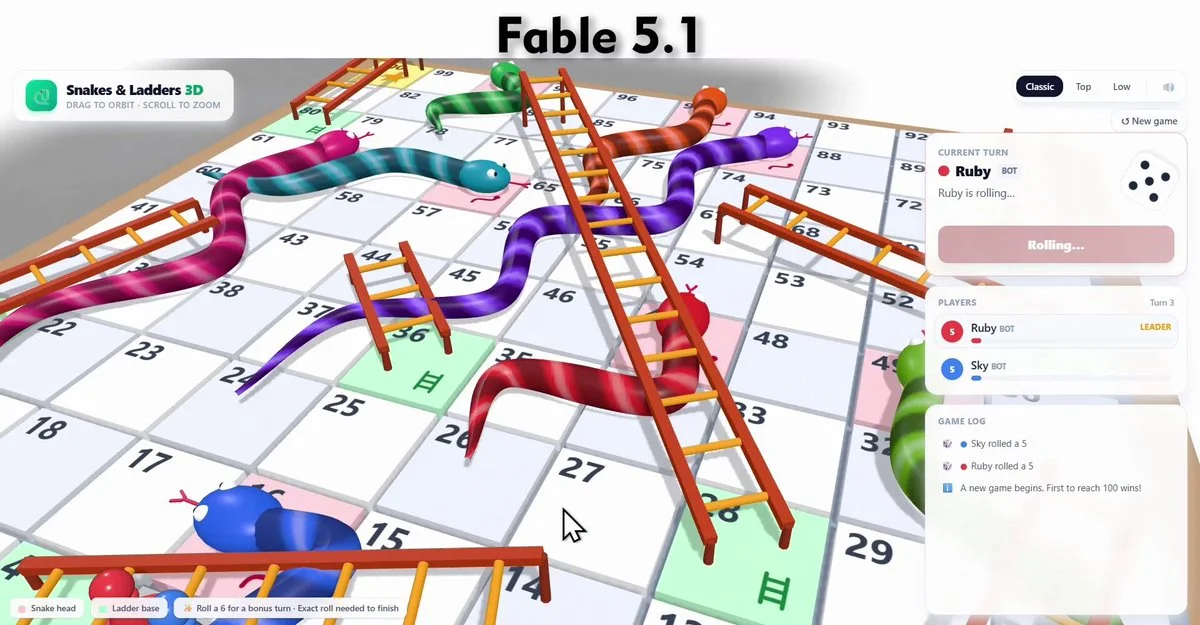
Build a fully playable 3D Snakes and Ladders game with dice animation, board movement, snakes, ladders, turns, win state and clear player feedback.
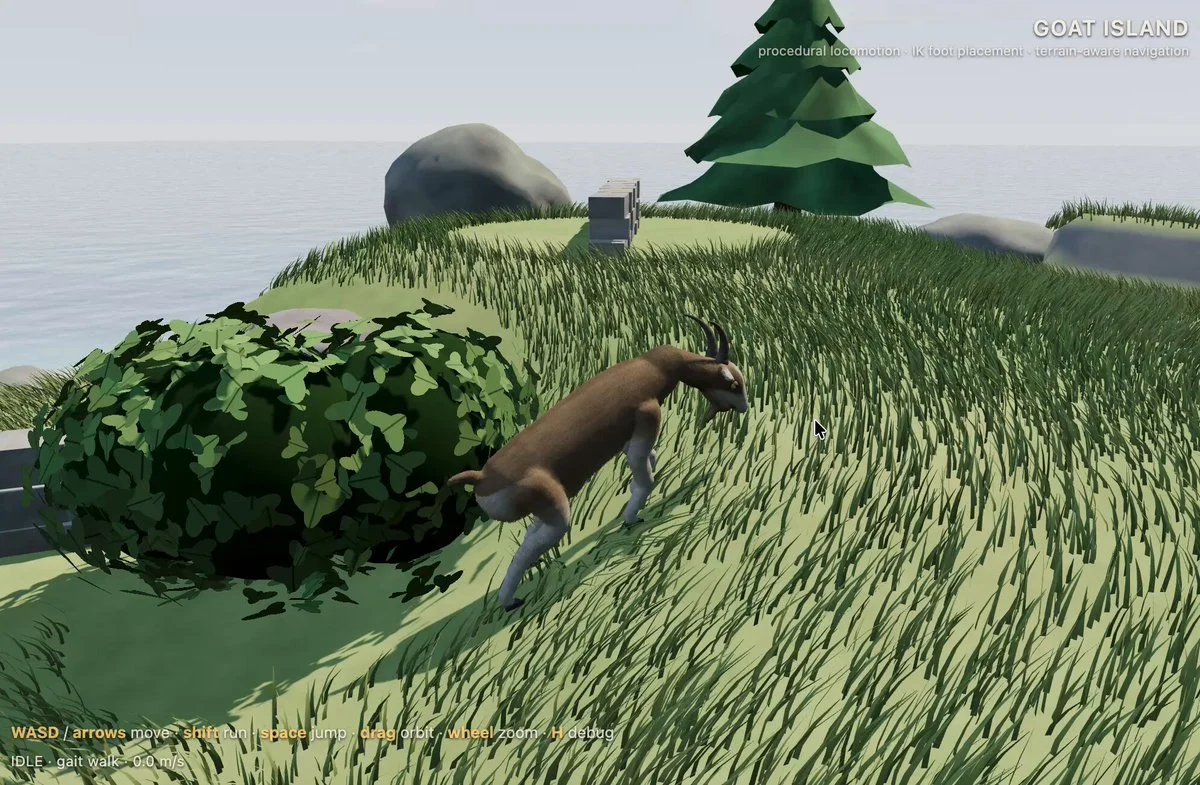
Create a small explorable Three.js island with a pet goat that follows, reacts and plays, plus cozy environmental details and simple daily interactions.
Build an interactive 3D solar system with orbiting planets, scale-aware navigation, labels, speed controls, camera targets and useful educational details.
Want to inspect the implementation? Filter this collection for GitHub projects, or explore source-code examples across models. Check the repository license before reusing code.
Explore 3D projects with source code ↗Why this collection
This collection comes from an X search conducted immediately after Claude Fable 5.1 launched. It covers browser shooters, voxel cities, scientific visualizations, Blender assets and interactive websites. Replies were followed when authors said the prompt, demo or source lived in the thread.
Public evidence varies. Copy a verbatim prompt when available; otherwise treat the source-derived entry as a production brief and tune it to your own constraints. Repository and live-demo links are shown separately so you can inspect the actual result before investing tokens.
Best for
01
Turn a game idea into a complete browser prototype with controls, feedback, opponents and a finish condition.
02
Coordinate rendering, simulation, UI and world state in one demanding Three.js or WebGL build.
03
Use Blender, Godot or Unity workflows for assets, physics, animation and presentable scene output.
Prompt recipe
Define what the player can do, what changes in response and how the experience ends before adding visual polish.
Specify camera modes, input, state transitions, collision and restart behavior as testable requirements.
For dense voxel or simulation scenes, state object budgets, instancing strategy and frame-rate expectations.
Give your next scene a character worth a closer look. Create detailed, textured 3D assets from an image or a few words.
Generate 3D Assets FreeEach entry is labeled. “Verbatim” means the author published the task wording. “Source-derived brief” means we reconstructed a reusable prompt from the public project description and do not claim access to a hidden prompt.
Start with the visible outcome and core interaction, then add camera, controls, visual direction, performance limits and acceptance checks. For large builds, split evaluation and implementation into explicit stages.
Several authors published repositories or live builds. Those links appear only when they were independently resolved and are kept separate from the X source post.