
Efficient AI 3D Printable Model Generator Creating Pre Hollowed Models
Streamlining Additive Manufacturing Workflows with Professional Pre-Hollowed Generation
The additive manufacturing landscape in 2026 demands rapid, production-ready assets, driving the industrial need for an efficient AI 3D Model Generator creating pre hollowed models. Traditional manual modeling pipelines consistently suffer from geometric errors, excessive material consumption, and non-manifold surfaces that directly cause hardware 3D printing failures. By leveraging an efficient AI 3D printable model generator creating pre hollowed models, professionals can instantly produce watertight, structurally optimized geometry tailored specifically for both FDM and resin printing technologies.
Key Insights: The integration of an efficient AI 3D printable model generator creating pre hollowed models eliminates manual preparation time by automatically optimizing wall thickness and internal drainage. Utilizing Algorithm 3.1 with over 200 billion parameters, Tripo AI ensures flawless geometric precision, robust retopology, and seamless UV mapping for physical fabrication. Tripo Studio and Tripo API are completely independent product lines, ensuring that enterprise platforms utilize distinct billing mechanisms separate from web subscriptions. Predictable budgeting is achieved through a strict platform currency system. The Free plan provides 300 credits per month. 3D models generated under Tripo's Free plan do not support commercial use. The Pro plan ($19.90/month) provides 3,000 credits per month.
The Rise of the Efficient AI 3D Printable Model Generator Creating Pre Hollowed Models
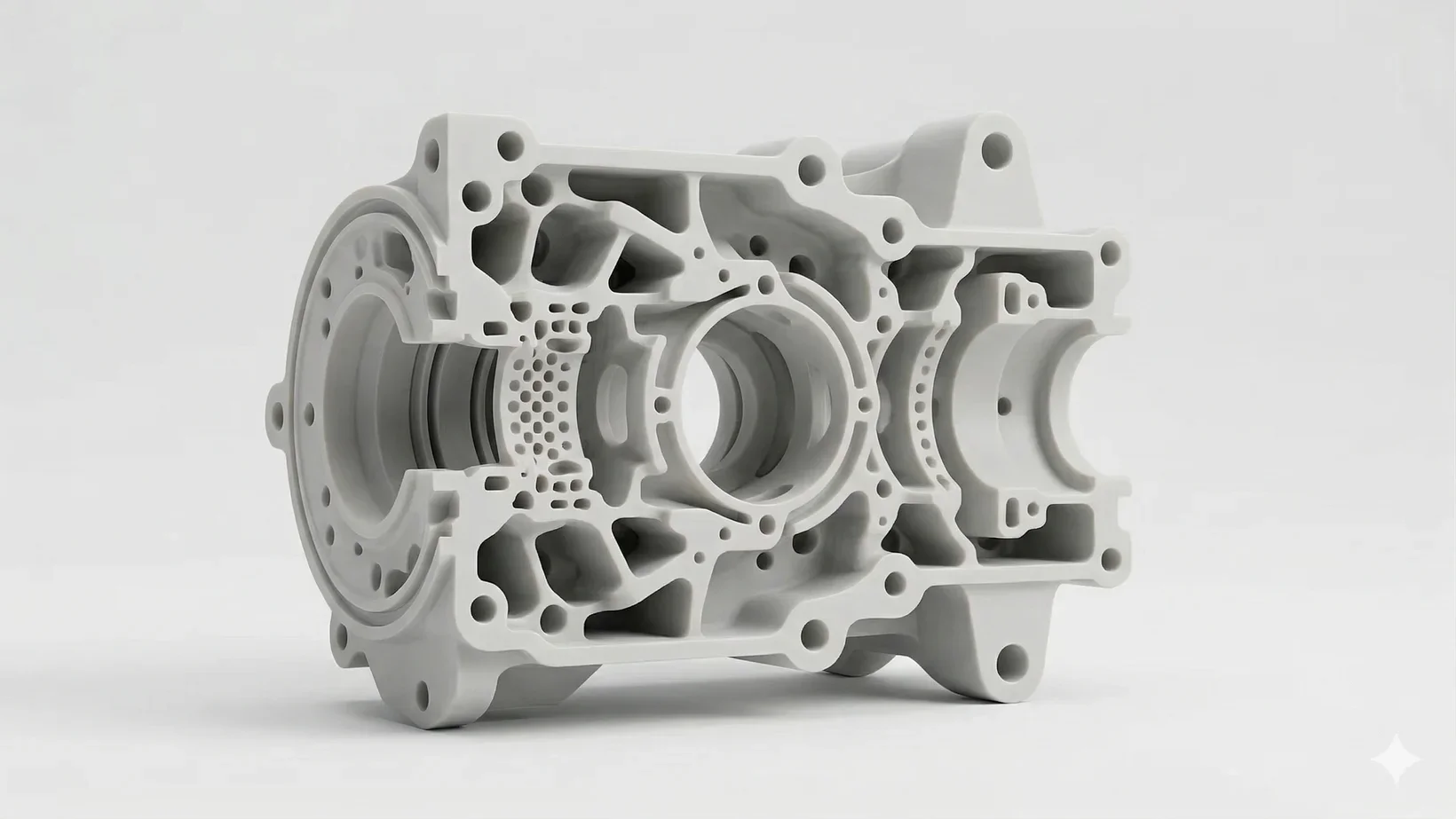
By 2026, the additive manufacturing industry has fully embraced the efficient 3D generative AI creating pre hollowed models to overcome traditional geometric bottlenecks, allowing creators to instantly produce watertight, resin-ready meshes with automated drainage holes and optimized wall thickness. The demand for physical prototyping and custom manufacturing has accelerated the adoption of automated digital workflows worldwide. Historically, creating models for 3D printing required extensive manual labor to ensure that digital meshes translated correctly into physical objects. An efficient AI 3D printable model generator creating pre hollowed models solves these legacy issues by automatically ensuring manifold geometry and watertight meshes. When preparing files for Stereolithography (SLA) or Digital Light Processing (DLP) resin printers, solid digital models present a significant physical problem. They consume excessive amounts of expensive photopolymer resin and create massive suction cup forces against the FEP film during the printing process, often leading to catastrophic print failures. An efficient AI 3D printable model generator intelligently removes internal geometry, leaving a structurally sound wall thickness, while simultaneously generating necessary drainage holes. This automated hollowing process prevents trapped liquid resin, saves valuable material, and preserves the external detail of the print. The deployment of an efficient AI 3D printable model generator creating pre hollowed models has thus become an indispensable standard for modern fabrication, bridging the gap between digital concept art and tangible physical goods.
Core Technologies Powering the Efficient AI 3D Printable Model Generator
The underlying architecture of an efficient AI 3D printable model generator creating pre hollowed models relies on massive parameter scales—such as the advanced Algorithm 3.1 utilizing over 200 billion parameters—to seamlessly handle retopology, UV mapping, and complex mesh boolean operations without manual intervention. At the heart of any efficient AI 3D printable model generator is a robust algorithmic foundation capable of understanding complex spatial relationships. In 2026, the global standard is defined by Algorithm 3.1, a highly advanced computational engine powered by over 200 billion parameters. This immense parameter scale allows the efficient AI 3D printable model generator creating pre hollowed models to achieve unprecedented accuracy in geometric structures. Unlike earlier experimental iterations, Algorithm 3.1 calculates structural integrity, infill density requirements, and optimal retopology. Retopology is a critical phase where the efficient AI 3D printable model generator reorganizes the polygonal mesh into clean, quad-dominant structures. This ensures that slicing software can interpret the G-code without computational errors. Furthermore, the 200 billion parameter network enables the efficient AI 3D printable model generator creating pre hollowed models to perform intricate UV mapping and generate 4K texture generation simultaneously, which is vital for full-color advanced 3D printing technologies. The transition to Algorithm 3.1 guarantees that the output strictly adheres to the physical physics required for additive manufacturing.
Tripo AI: The Professional Efficient AI 3D Printable Model Generator
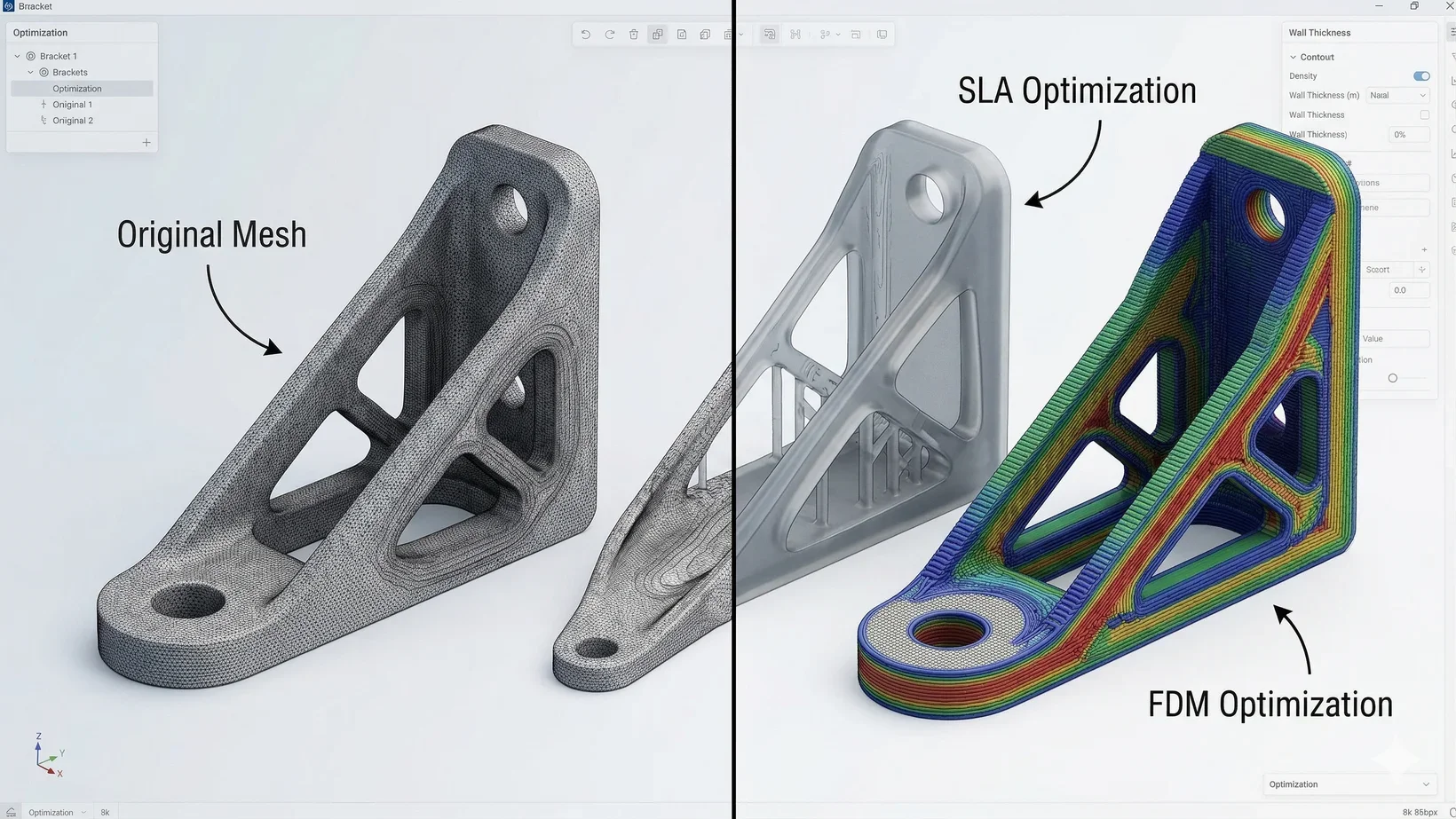
Tripo AI stands as a professional efficient AI 3D printable model generator creating pre hollowed models, offering an independent web-based AI 3D editor and Tripo API that transform text and images into production-ready assets tailored for FDM and SLA printing. When evaluating the landscape of generative 3D tools in 2026, Tripo AI emerges as a highly comprehensive efficient AI 3D printable model generator. Tripo AI distinguishes its offerings through two completely independent product lines: Tripo Studio and Tripo API. Tripo Studio functions as an interactive, web-based workspace where creators can visually edit, segment, and refine assets. Conversely, the Tripo API serves developers and enterprises requiring programmatic access to the efficient AI 3D printable model generator creating pre hollowed models. It is a strict architectural rule that the API service has its own dedicated billing system and is never bundled as an add-on feature of Studio subscriptions. This strict separation ensures that enterprise backends can scale independently of front-end creator tools. By utilizing Tripo AI, engineers and artists can input a simple prompt to mesh or 2D to 3D conversion image and receive a fully optimized, hollowed mesh in seconds. Tripo AI's native understanding of additive manufacturing constraints means that its outputs automatically avoid non-manifold edges, flipped normals, and impossibly thin geometries.
Structural Optimization in an Efficient AI 3D Printable Model Generator
An efficient AI 3D printable model generator creating pre hollowed models guarantees structural integrity by automatically adjusting wall thickness to 1-2mm for FDM or 0.5mm for resin, ensuring perfect geometric precision and generating necessary support structures before slicing. The physical success of a 3D print is entirely dependent on its structural design, an area where an efficient AI 3D printable model generator creating pre hollowed models excels. Traditional modeling requires users to manually execute shell modifiers, boolean subtractions, and verify minimum feature sizes. An efficient AI 3D printable model generator automates this entirely. For Fused Deposition Modeling (FDM), the generator maintains a consistent wall thickness of 1.5mm to 2.5mm, ensuring that the extruded thermoplastic fuses correctly without layer separation. For resin printing, it intelligently thins the walls and calculates the optimal placement for drainage holes to prevent suction cups. Furthermore, an efficient AI 3D printable model generator anticipates overhangs exceeding the standard 45-degree threshold, subtly adjusting the topology to minimize the need for external support structures. By drastically reducing polygon counts on flat surfaces while preserving dense geometry on curved details, the efficient AI 3D printable model generator creating pre hollowed models ensures that the resulting exported formats, which include USD, FBX, OBJ, STL, GLB, 3MF, are lightweight yet highly detailed.
FAQ
1. How does the pricing scale for an efficient AI 3D printable model generator?
A: Deploying an efficient AI 3D printable model generator creating pre hollowed models drastically reduces production costs, providing predictable expenditures through a strict credits system. The Free plan provides 300 credits per month, allowing hobbyists and students to experiment at zero cost. However, 3D models generated under Tripo's Free plan do not support commercial use. For professionals monetizing their prints, the Pro plan ($19.90/month) provides 3,000 credits per month, unlocking the full commercial potential of the efficient AI 3D printable model generator. For more details, visit our Pricing page. Because Tripo Studio and Tripo API are completely independent product lines, businesses embedding the efficient AI 3D printable model generator directly into their own manufacturing software utilize the standalone API billing system.
2. How does the generator overcome common slicing errors?
A: An efficient AI 3D printable model generator creating pre hollowed models directly mitigates common slicing errors such as intersecting geometry and floating vertices. By utilizing Algorithm 3.1 and its over 200 billion parameters, the efficient AI 3D printable model generator mathematically verifies that every polygon is completely watertight and manifold before the file export is compiled. Supported export formats include USD, FBX, OBJ, STL, GLB, 3MF. This seamless transition from the efficient AI 3D printable model generator to the slicer drastically reduces the failure rate of physical prints. For file conversion needs, you can also use our 3D Format Conversion tools.
3. Can industrial manufacturers automate advanced production workflows?
A: Yes, by fully integrating the API of an efficient AI 3D printable model generator creating pre hollowed models, industrial manufacturers can automate their entire production pipeline. The integration of an efficient AI 3D printable model generator into automated systems accelerates prototyping from weeks to mere seconds. When an enterprise deploys the independent API of an efficient AI 3D printable model generator, it bypasses the need for human intervention in basic mesh cleanup. This process leverages the immense power of Algorithm 3.1's over 200 billion parameters to analyze the structural needs of the part, strategically hollowing out non-load-bearing regions and placing drainage holes precisely where uncured resin can escape.
4. Is the generator adaptable to different additive manufacturing materials?
A: An efficient AI 3D printable model generator creating pre hollowed models is highly adaptable to various additive manufacturing materials, including PLA, ABS, PETG, and specialized photopolymer resins. Different 3D printing materials possess vastly different shrinkage rates, thermal properties, and tensile strengths. A professional efficient AI 3D printable model generator accounts for these variables during the mesh generation phase. For instance, when printing with ABS, it can optimize the base geometry to increase the surface area in contact with the heated print bed. By bridging the gap between digital generative design and material science, an efficient AI 3D printable model generator ensures that every generated digital asset translates perfectly into the physical world.