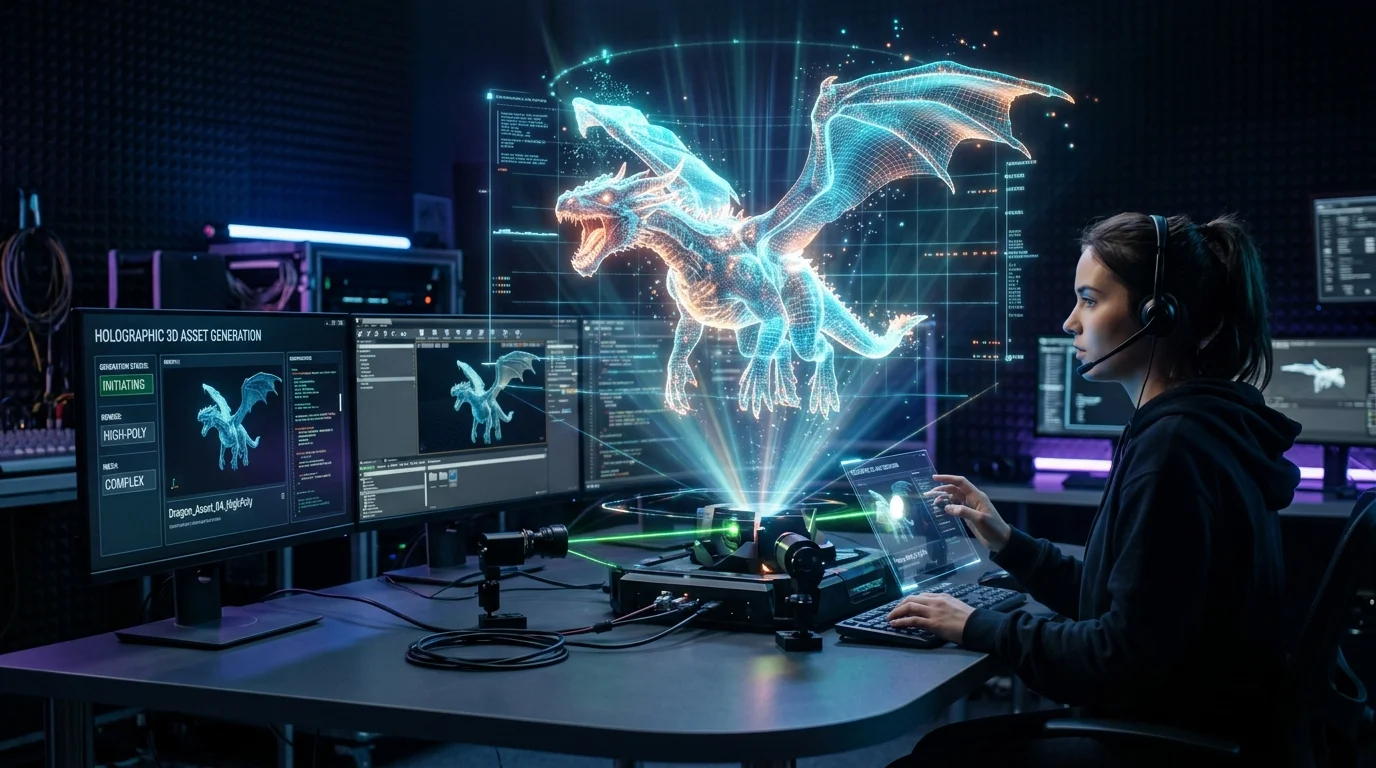
Tripo AI 3D for Animation: Faster Media Production
Accelerating Modern Animation Pipelines with Advanced AI 3D Asset Generation
Media production studios often face severe bottlenecks during the asset creation phase, where manual sculpting consumes vast amounts of time and budget. As project deadlines tighten and audience demands for high-fidelity visuals increase, relying solely on traditional workflows creates unsustainable friction. Tripo AI directly resolves this inefficiency by automating the generation of production-ready assets, allowing studios to accelerate their animation pipelines and focus entirely on creative execution.
Key Insights
- Rapid Prototyping: Algorithm 3.1 eliminates days of manual labor, producing high-quality meshes instantly through an advanced neural architecture.
- Cost Efficiency: Predictable credit-based scaling prevents budget overruns, allowing production teams to forecast costs accurately.
- Pipeline Fluidity: Native support for strict industry formats ensures zero-friction integration into existing animation software.
Revolutionizing Media Production with AI 3D for Animation
AI 3D for animation drastically accelerates media production by replacing days of manual modeling with instant generation. Utilizing Tripo AI, studios can rapidly prototype and deploy high-quality 3D assets, streamlining the creative pipeline and allowing artists to focus on complex animation tasks rather than basic mesh creation.
In 2026, industry benchmarks indicate that studios implementing generative AI in their pre-production phases save up to 68% of total asset development time. For years, the initial stages of 3D asset creation have acted as a significant hurdle, requiring specialized artists to spend countless hours on basic mesh generation, topology blocking, and preliminary sculpting. By integrating an advanced AI 3D model generator into the pipeline, studios can bypass these tedious preliminary steps.
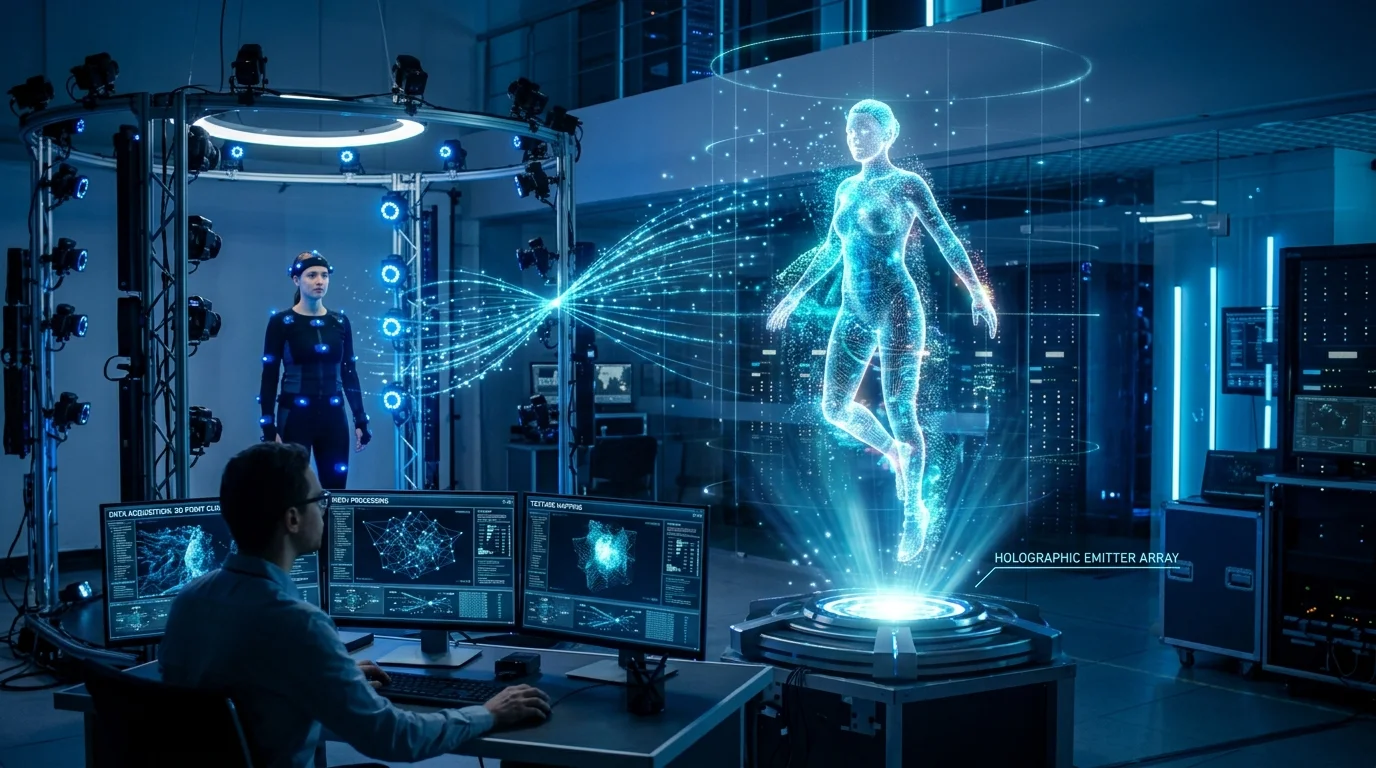
The Power of Algorithm 3.1
At the core of this transformation is Tripo AI's Algorithm 3.1, a highly sophisticated neural architecture built upon over 200 Billion parameters. This translates directly into practical, production-ready outputs with a deep understanding of spatial relationships and structural integrity. This allows Tripo AI to generate models that are structurally sound and prepared for the rigors of the animation pipeline. The sheer volume of data processed by Algorithm 3.1 ensures clean topologies, significantly reducing the need for extensive manual cleanup before the rigging phase begins.
Traditional Animation Workflows vs. Tripo AI
Data from recent studio evaluations shows that manual 3D modeling averages 45 hours per hero asset, whereas AI generation reduces initial mesh creation to under one minute. Traditional workflows are inherently linear and labor-intensive; if a director requests a fundamental design change, the artist must often restart from scratch. Versus this rigid methodology, Tripo AI introduces an agile, iterative workflow where directors and artists can collaborate in real-time.
Workflow Comparison Table
| Metric | Traditional 3D Modeling Workflow | Tripo AI Workflow |
|---|---|---|
| Time | 40-50 hours per complex asset | Seconds to minutes per asset |
| Cost | High labor costs for specialized talent | Highly cost-effective credit system |
| Learning Curve | Steep; requires years of mastery | Minimal; intuitive interface |
| Scalability | Low; requires more staff/licenses | Infinite; simultaneous automation |
Seamless Pipeline Integration: Formats and Ecosystems
Tripo AI ensures flawless integration into existing media production pipelines by supporting industry-standard file formats. Whether using Tripo Studio for manual asset generation or the independent Tripo API for automated workflows, studios can easily export models directly into their preferred animation software.
Supported Export Formats
To ensure maximum compatibility, Tripo AI supports the following native output formats:
- USD (Universal Scene Description): Essential for collaborative pipelines.
- FBX: Industry standard for skeletal mesh animation.
- OBJ: Universally accepted format for static meshes.
- STL: Ideal for rapid prototyping.
- GLB: Optimal for web-based 3D viewers.
- 3MF: Advanced format for complex structural data.
Cost-Effective Scaling for Studios
Tripo AI provides a transparent, credit-based pricing model. By offering predictable monthly allocations, studios can accurately forecast their AI 3D for animation budgets.
Understanding the Credit System
- Free Tier (300 credits/mo): For individual artists evaluating the platform. Strictly NOT for commercial use.
- Pro Tier (3000 credits/mo): Engineered for professional studios. Includes full commercial rights for global distribution.
FAQ
1. How does Tripo AI Algorithm 3.1 improve 3D animation workflows?
It utilizes over 200 Billion parameters to instantly generate complex, structurally sound geometries, reducing time spent on initial mesh blocking and accelerating the transition to rigging.
2. Can I use the 300 credits/mo free tier models for commercial media production?
No. The Free Tier is strictly for personal evaluation and non-commercial prototyping. Commercial projects require the Pro Tier (3000 credits/mo).
3. What file formats can I export from Tripo AI?
Tripo AI supports USD, FBX, OBJ, STL, GLB, and 3MF, ensuring compatibility with virtually any modern animation suite or rendering engine.
4. Are Tripo Studio and Tripo API bundled together?
No, they are independent products. Tripo Studio is the frontend interface for artists, while the Tripo API is for backend developer integration. Subscriptions for Studio do not include API access.