How To Build 7 Life-Size Gods in 14 Days: From Idea to 3D Print Exhibition
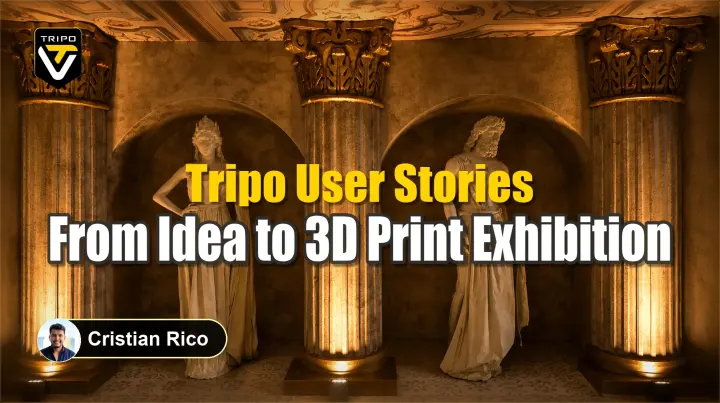
Seven Greek gods, each over two metres tall, had to go from idea to site in two weeks. Most studios would pass. Cristian Rico took it anyway.
A brief most studios would skip
Rico is a creative director and 3D artist in Cartagena, Colombia.
In his world, two weeks is not enough time to finish a single bust.
The brief asked for seven full-scale Olympians... A traditional build would need three months, eight people, and a budget that made most studios say no.
Rico had a studio. A printer. And a workflow he wasn't sure would work.
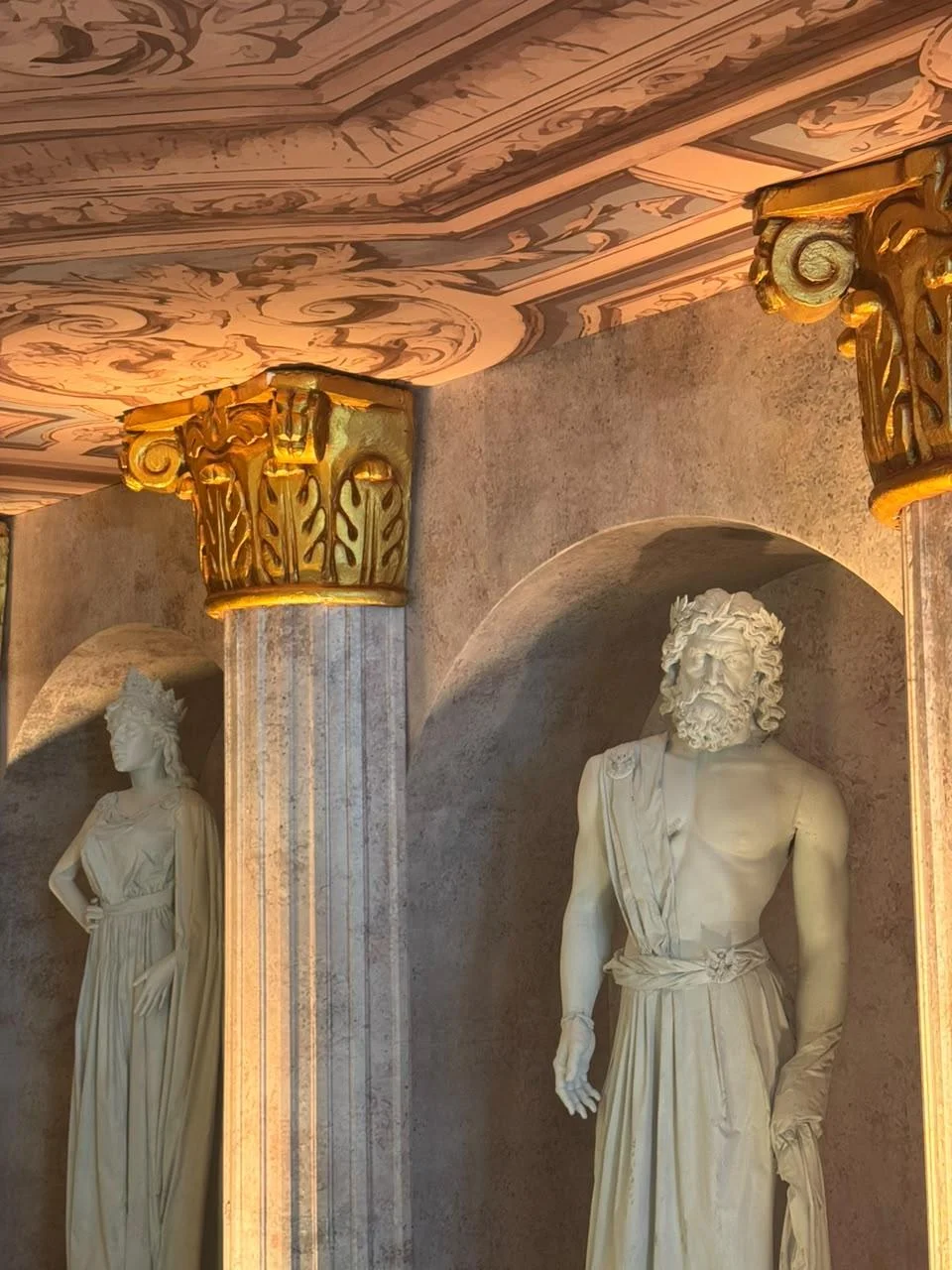
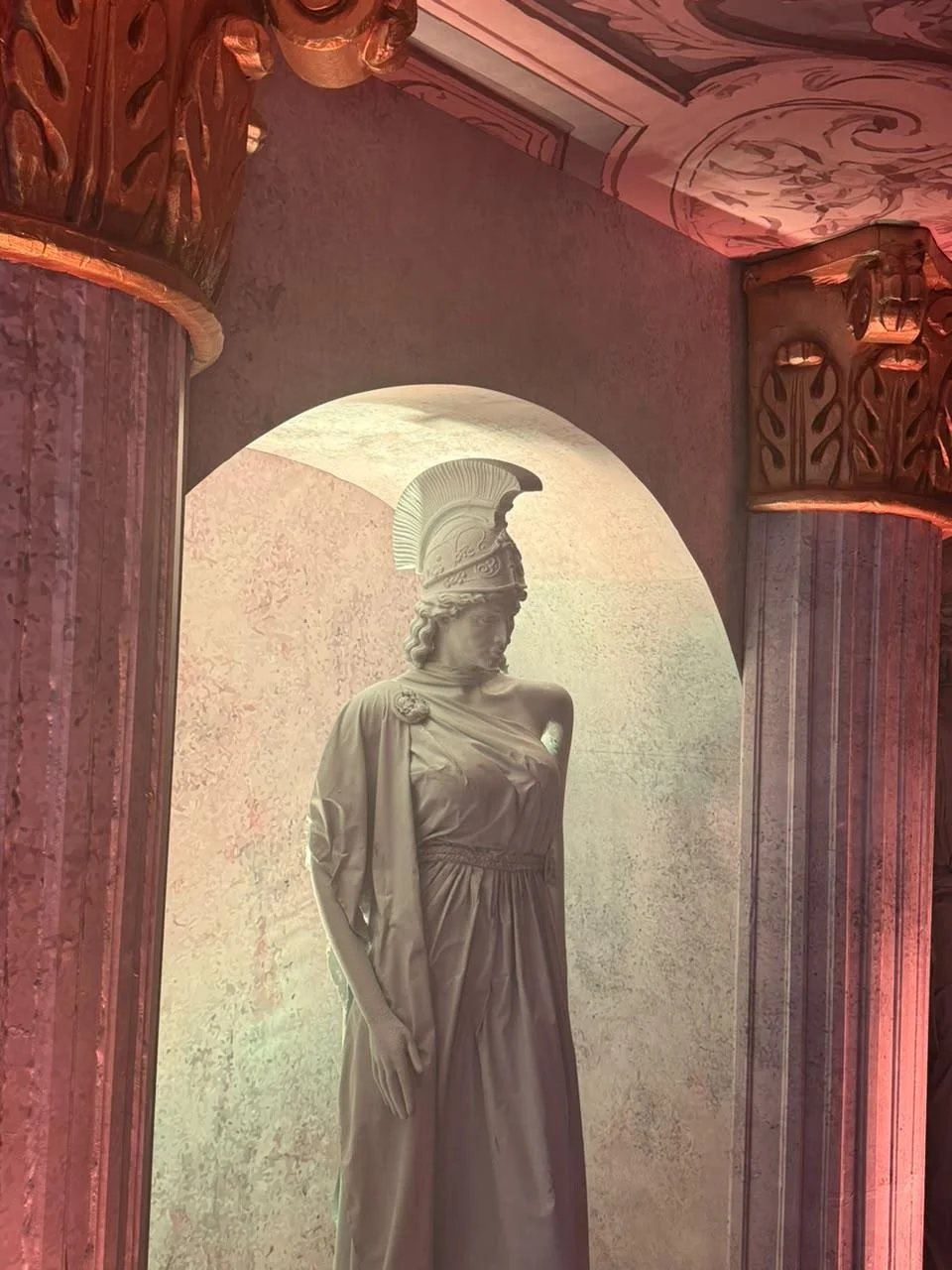
Tripo became the bridge between my imagination and reality. It turns what used to take a team and a quarter into something one person can do in days.

Giving the gods a body
Giving a god a face came first, and the clock was already running. Rico had two days for seven characters; a normal concept stage takes two to three weeks. He used AI image tools to hunt for forms with enough classical weight, locking each character sheet in two to three hours. Seven gods had faces. They still needed bodies.
To build them in three dimensions, Rico brought each concept into Tripo. Manually sculpting one character could take 8 to 15 hours. Tripo returned a workable base model in under ten minutes. Zeus's beard, Athena's helmet, Poseidon's shoulders: still grey wireframes, but the main silhouettes were already there.
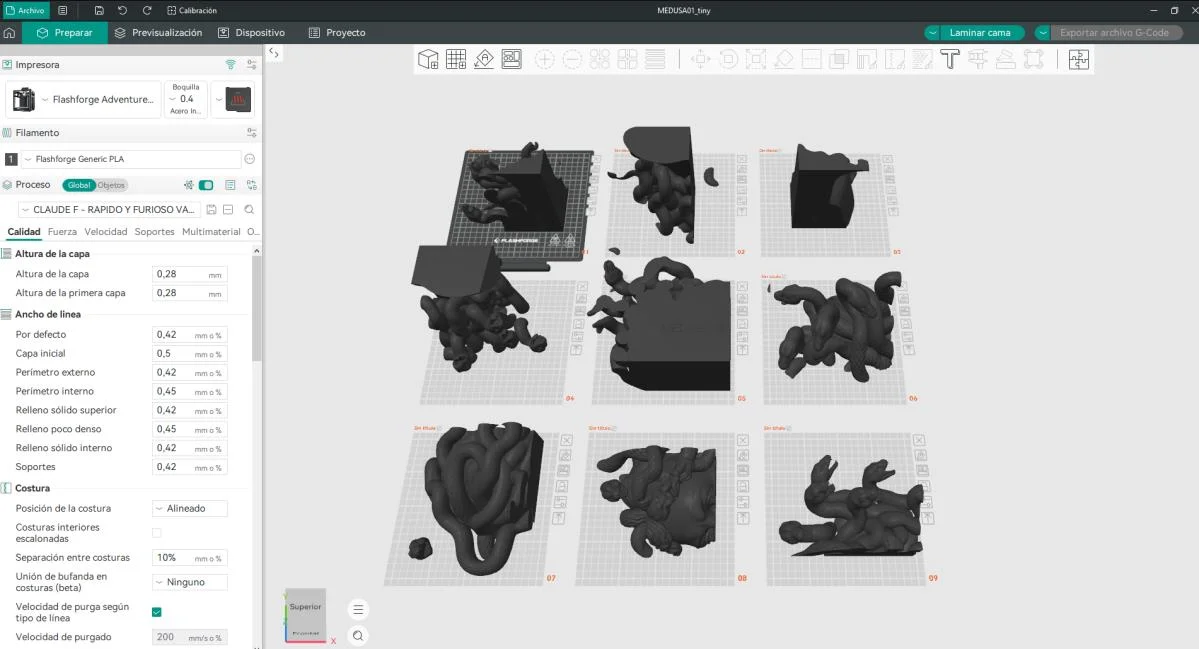
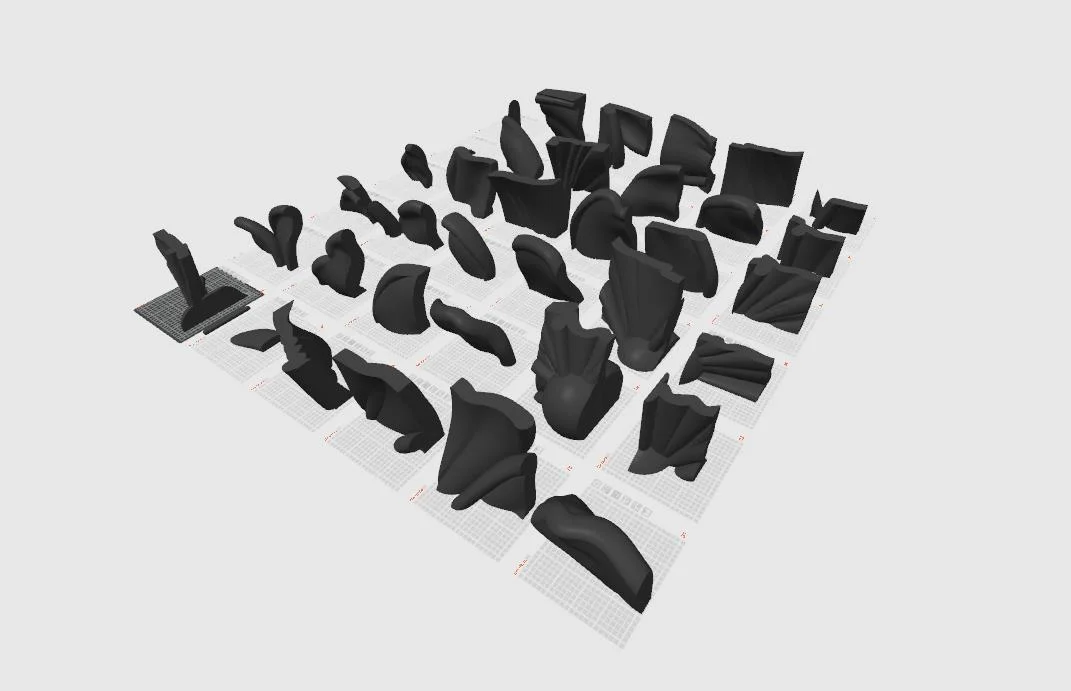
But a digital model is not yet a sculpture you can touch. He broke each god into pieces the printer could swallow: a head, a pair of hands, the heavy folds of a robe. Then he fed them, one by one, into the machine. Layer by layer, the gods began to gain material weight.
After printing came the final physical work: sanding, filling, mounting parts onto mannequin armatures, and painting surfaces to suggest marble and aged bronze. From first concept to finished figure, each piece took about 10 to 14 days in one studio.
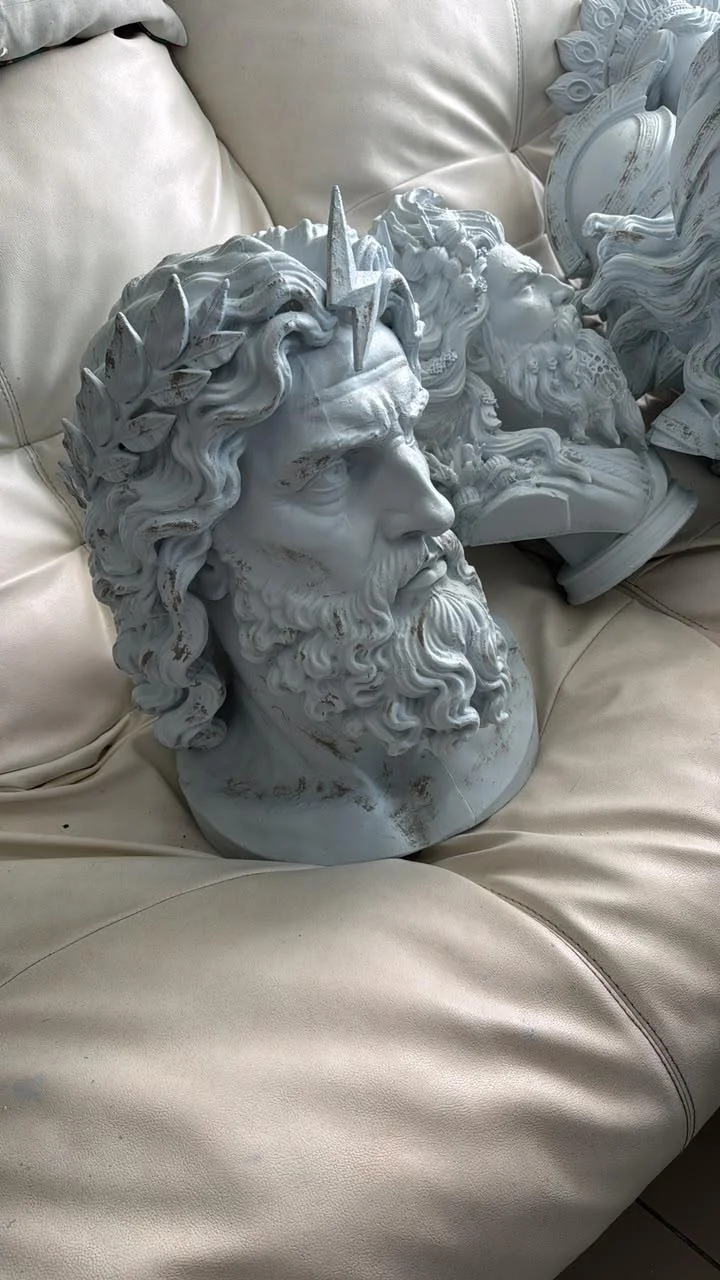
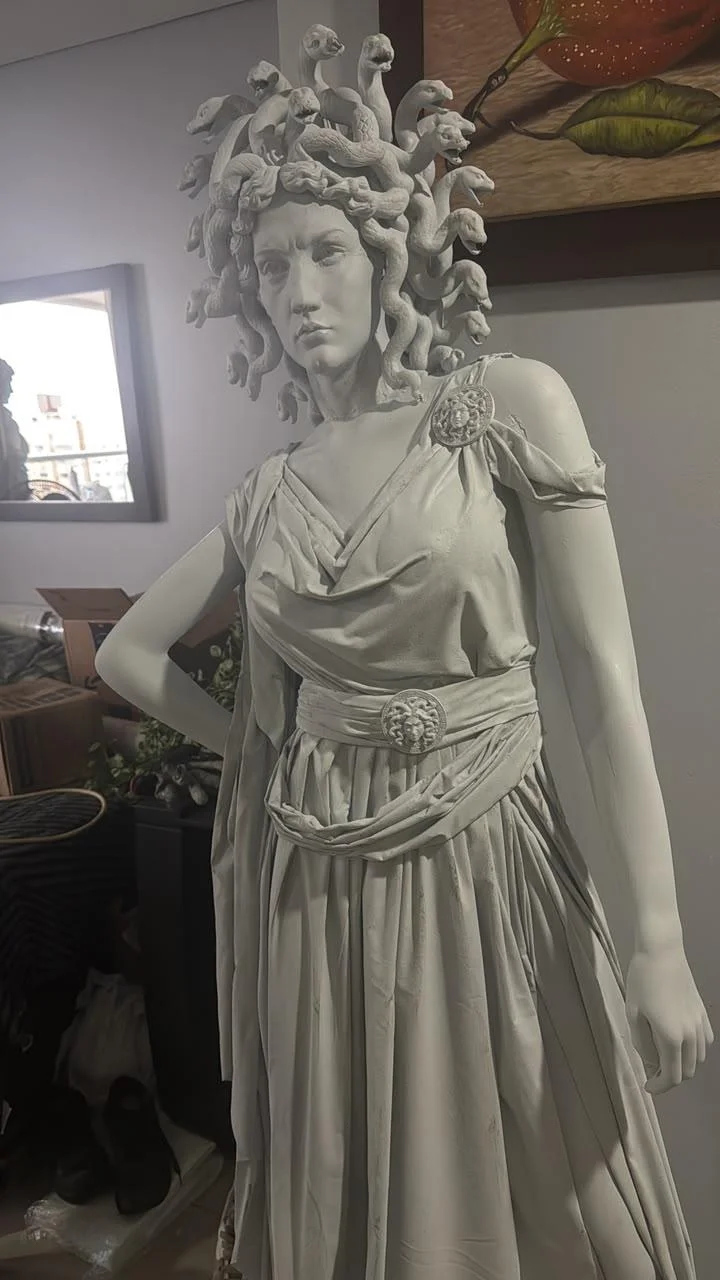
The moment the figures stood up
The first time a printed head was mounted onto a mannequin, the studio went quiet. Zeus was suddenly looking back at them, life-size, heavy, and taller than anyone in the room.
"Surreal, and genuinely funny," Rico recalls. "You spend so long with a flat image, then suddenly it has weight and temperature." They mounted Athena next. The laughter gave way to the strange feeling that the room had filled with someone.
At the venue, guests walked into a hall styled after a Greek temple and paused. Children reached for Poseidon's trident. Adults asked whether they were looking at actors in costume.
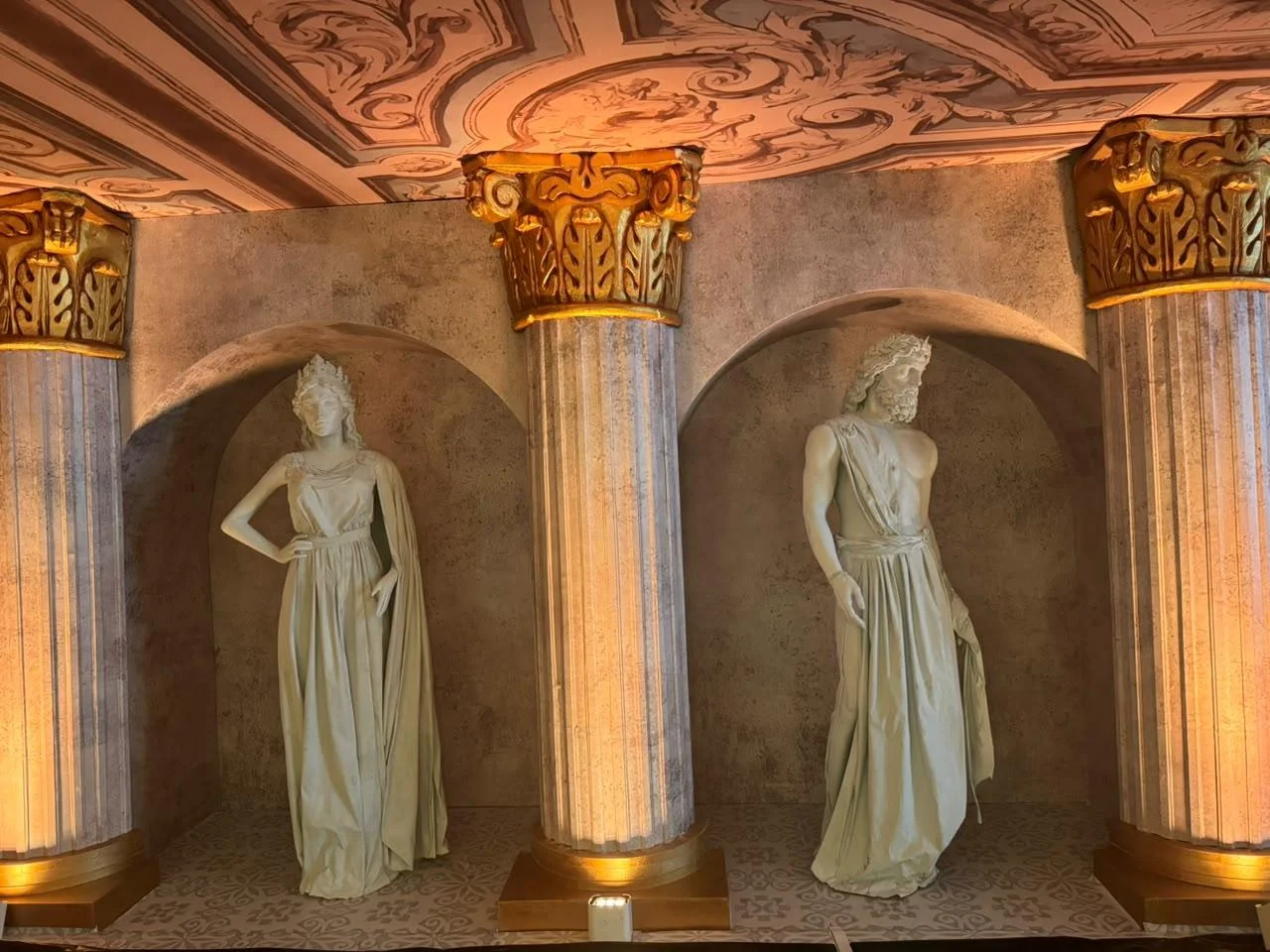
Beyond the spectacle: daily practice
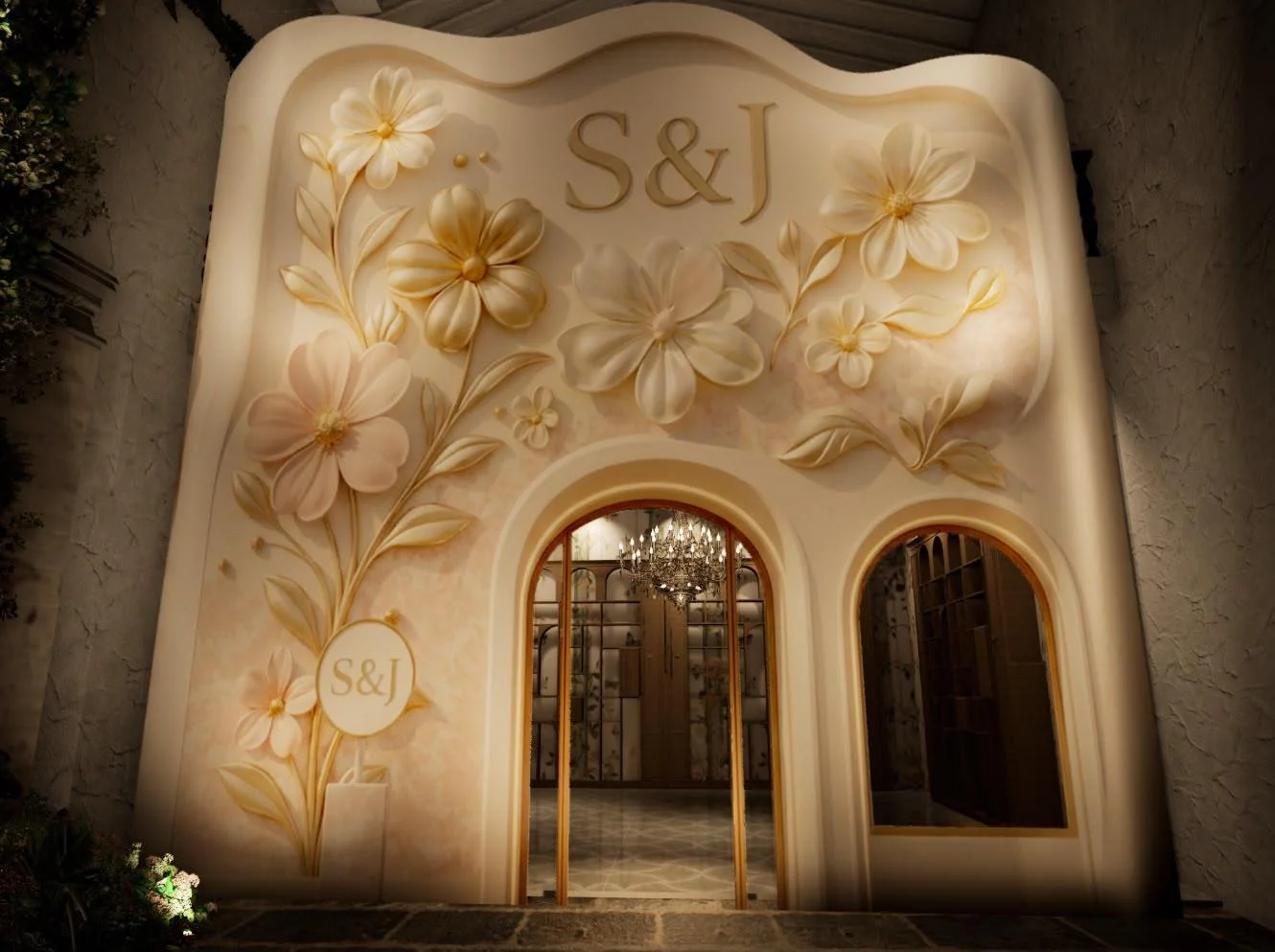
The mythology project is the showpiece, but Tripo is also part of Rico's daily work. He keeps two paid subscriptions and uses it for wedding design, event renders, and fabrication. Soon after the gods, he used the same workflow to build a large floral facade in five days.
The seven gods changed his business. His modelling time has dropped by more than 70%. That speed changes the client conversation: ideas that once sounded too expensive or too slow can now make it into the proposal.
What comes next
Rico continues to combine ChatGPT, Tripo, 3D printing, rendering, and traditional craft. For him, the value is not that AI replaces handwork. It helps the physical work happen fast enough to meet a deadline that would otherwise kill the project.
The same idea points to a quieter direction Tripo will keep exploring: using 3D generation to help cultural teams document civilizational memory and test ways to protect or restore fragile sites.
Want to see the full journey? Rico documented the process on Instagram @bycristianrico. If you are using Tripo to make something physical, share it in our Discord community. We would love to see what you are building.