Mastering Version Control and Iteration Tracking in AI 3D Workspaces for Game Design in 2026
A Comprehensive Guide to Managing High-Speed Asset Generation and Maintaining Artistic Continuity
The commercial game development pipeline in 2026 demands a massive volume of high-fidelity assets, necessitating the adoption of advanced generative tools. As studios transition to automated production, implementing robust version control and iteration tracking in AI 3D Workspaces for game design has become the definitive strategy for maintaining artistic continuity. By leveraging sophisticated platforms like Tripo AI, development teams can safely manage hundreds of asset variations, ensuring that high-speed generation never compromises project organization or technical stability.
Key Insights:
- Massive Parameter Scale: The generative infrastructure is built upon an advanced foundation of over 200 billion parameters, ensuring geometric precision across countless iteration cycles.
- Upgraded Engine Processing: The deployment of Algorithm 3.1 drastically enhances computational efficiency, allowing studios to track and retrieve complex 3D meshes without system latency.
- Clear Licensing Boundaries: The Pro plan ($19.90/month) provides 3,000 points per month. The Free plan provides 300 points per month. 3D models generated under Tripo's Free plan do not support commercial use.
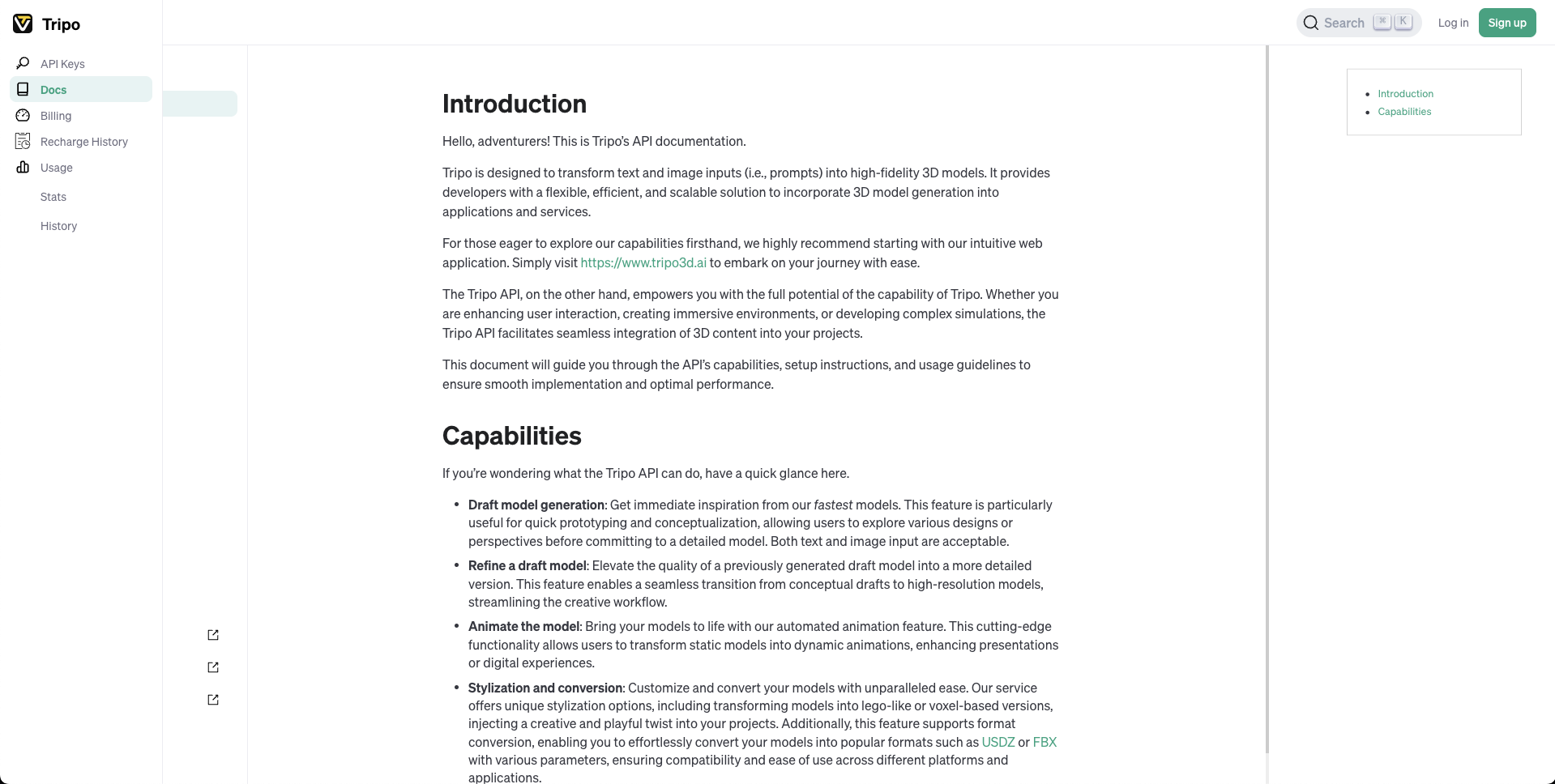
- Strict Structural Independence: Tripo Studio (the web-based generation tool) and Tripo API are two completely independent product lines. The API service has its own separate billing and access system.
The Necessity of Asset Management in Generative Workflows
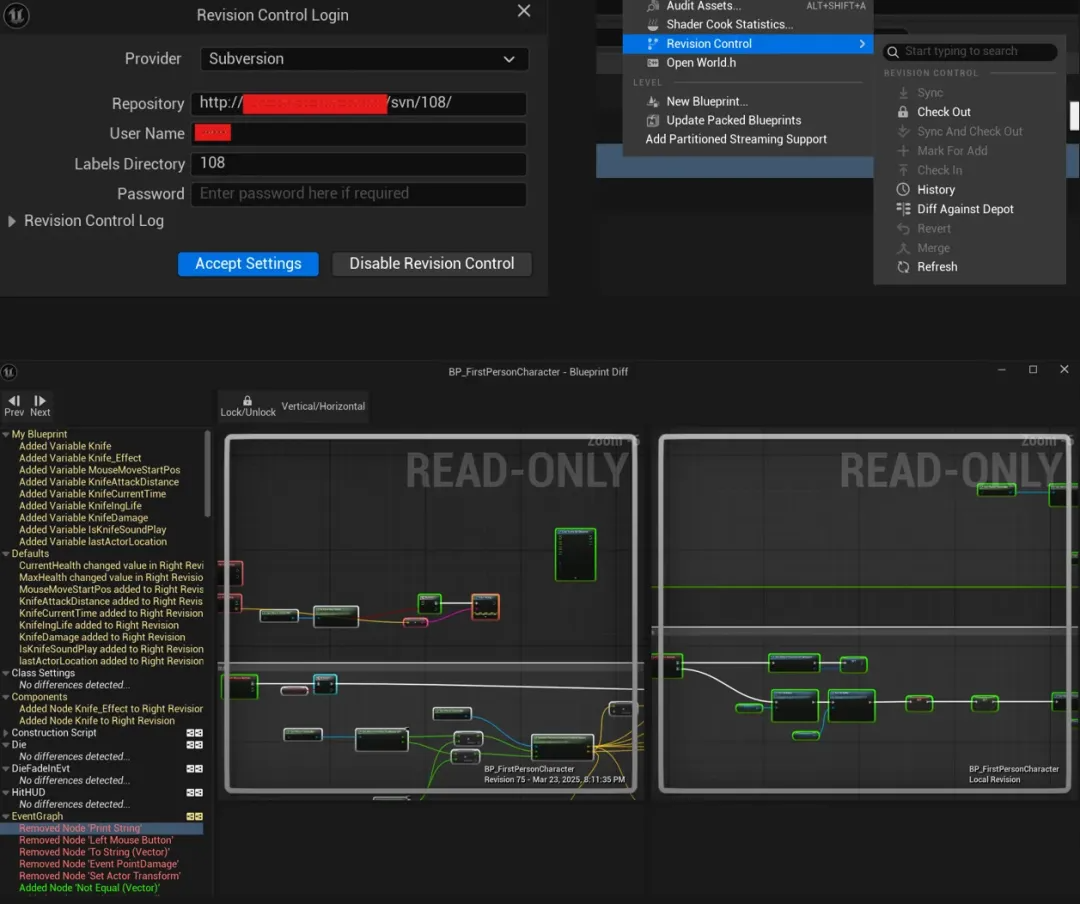
Establishing strict version control and iteration tracking fundamentally prevents the loss of asset progression and artistic intent during rapid, multi-user generation cycles. Historically, manual 3D modeling pipelines naturally gated the speed of asset creation, allowing technical art directors to manage project files and iteration histories using standard software repositories. However, the introduction of high-speed generative AI fundamentally alters this pace.
Modern AI platforms solve this by integrating sophisticated workspace architectures directly into the generation pipeline. When a developer utilizes the dual-mode generation systems—such as transitioning from a "One-Click" rapid prototype to a "Build & Refine" detailed output via an Online 3D Studio—the platform automatically logs the lineage of the asset.
Enhancing Version Control and Iteration Tracking
By centralizing asset histories and branching variations, version control and iteration tracking allows technical art directors to manage hundreds of procedural generations efficiently. Tripo AI facilitates this through dedicated workspace ecosystems where every generated asset is cataloged with its specific metadata. This meticulous version control is particularly crucial when dealing with complex retopology and rigging tasks.
Algorithmic Stability: The Backbone of Reliable Iterations
Powered by over 200 billion parameters and the advanced capabilities of Algorithm 3.1, the underlying technology ensures that every saved iteration retains its structural integrity without geometric degradation. The reliability of version control and iteration tracking depends entirely on the stability of the core generative engine.
DCC Integration: Bridging the Gap Between Workspace and Engine
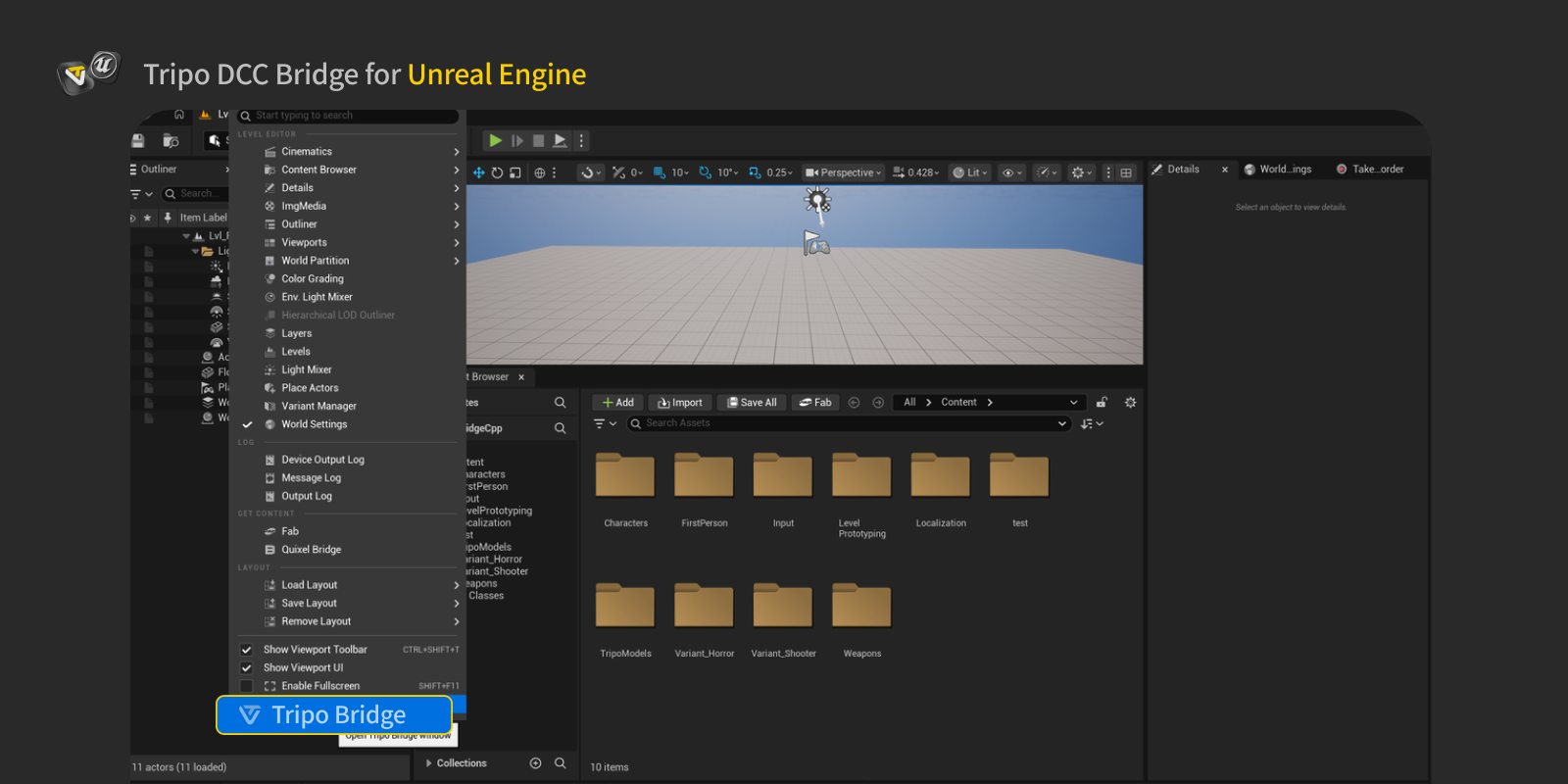
Effective version control and iteration tracking extends directly into target engines like Unreal Engine and Unity through dedicated Digital Content Creation (DCC) bridges. Tripo AI provides robust DCC bridges that ensure the version control translates seamlessly into Unreal Engine, Unity, and Blender.
Commercial Realities and Enterprise Deployment
Studios leveraging version control and iteration tracking must strictly adhere to commercial licensing tiers and understand the structural independence of API services. Tripo Studio (the web-based generation tool) and Tripo API are two completely independent product lines.
FAQ
1. Are assets generated and tracked on the Free tier permissible for commercial game releases?
3D models generated under Tripo's Free plan do not support commercial use.
2. What is the exact cost and credit limit for the entry-level commercial subscription?
The Pro plan ($19.90/month) provides 3,000 points per month. The Free plan provides 300 points per month. See our Subscription Plans for more information.
3. Does upgrading a Tripo Studio subscription automatically provide access to the developer API for custom pipeline integration?
Tripo Studio (the web-based generation tool) and Tripo API are two completely independent product lines. The API service has its own separate billing and access system.
4. Why do models occasionally appear purple when an iteration is imported into Unity?
A purple (magenta) material in Unity indicates a shader or render pipeline mismatch. If the project uses URP or HDRP, users must open the Tripo Bridge Panel, ensure the correct Render Pipeline is selected, and send the model from the platform again.
5. What generation algorithm powers the platform's stability?
The platform currently operates on the highly optimized Algorithm 3.1, which manages over 200 billion parameters to ensure rapid, high-fidelity asset generation.