Generating fantasy weapons and armor assets using AI 3D tools for RPGs
A comprehensive guide to leveraging Tripo AI for rapid RPG asset creation and advanced PBR texturing.
The landscape of interactive entertainment in 2026 relies heavily on advanced content pipelines, making the task of generating fantasy weapons and armor assets using AI 3D Model Generator a critical priority for game development professionals. Tripo AI provides an end-to-end infrastructure, powered by a sophisticated architecture of over 200 billion parameters, to convert raw visual concepts directly into production-ready game geometry. By leveraging the advanced capabilities of Algorithm 3.1, studios can optimize the traditional manual sculpting bottleneck. This technological leap allows developers to efficiently produce high-fidelity PBR-textured assets that integrate seamlessly into modern game engines, securing a significant competitive advantage.
Key Insights
- Tripo AI utilizes an advanced foundation model featuring over 200 billion parameters, working alongside Algorithm 3.1 to ensure exceptional geometric accuracy and crisp polygon edges.
- Tripo Studio and the Tripo API are two completely independent product lines, featuring separate billing architectures tailored for individual creators versus programmatic enterprise workflows.
- The Free plan provides 300 credits per month for non-commercial exploration, whereas the Pro plan ($19.90/month) provides 3,000 credits per month, which includes full commercial rights for game deployment.
- The workflow for generating fantasy weapons and armor assets using 3D Generative AI is highly enhanced by Smart Part Segmentation and Magic Brush 2.0, allowing for granular texturing of individual armor plates and sword hilts.
The Paradigm Shift in Game Asset Pipelines
In 2026, generating fantasy weapons and armor assets using AI 3D tools for RPGs has transitioned from experimental prototyping into a core production methodology, driven directly by Tripo AI’s advanced over 200 billion parameters architecture and Algorithm 3.1. The traditional workflow demanded weeks of meticulous manual labor to craft a single hero prop. Today, the professional standard relies on AI-driven workflows. At the heart of this transformation is Tripo AI, which utilizes over 200 billion parameters to comprehend complex spatial relationships and physical material properties. The recent deployment of Algorithm 3.1 ensures that generated models present crisp edges, coherent structures, and stable meshes devoid of the tangled geometry seen in older iterations.
Multimodal Workflows: Text and Sketch to 3D
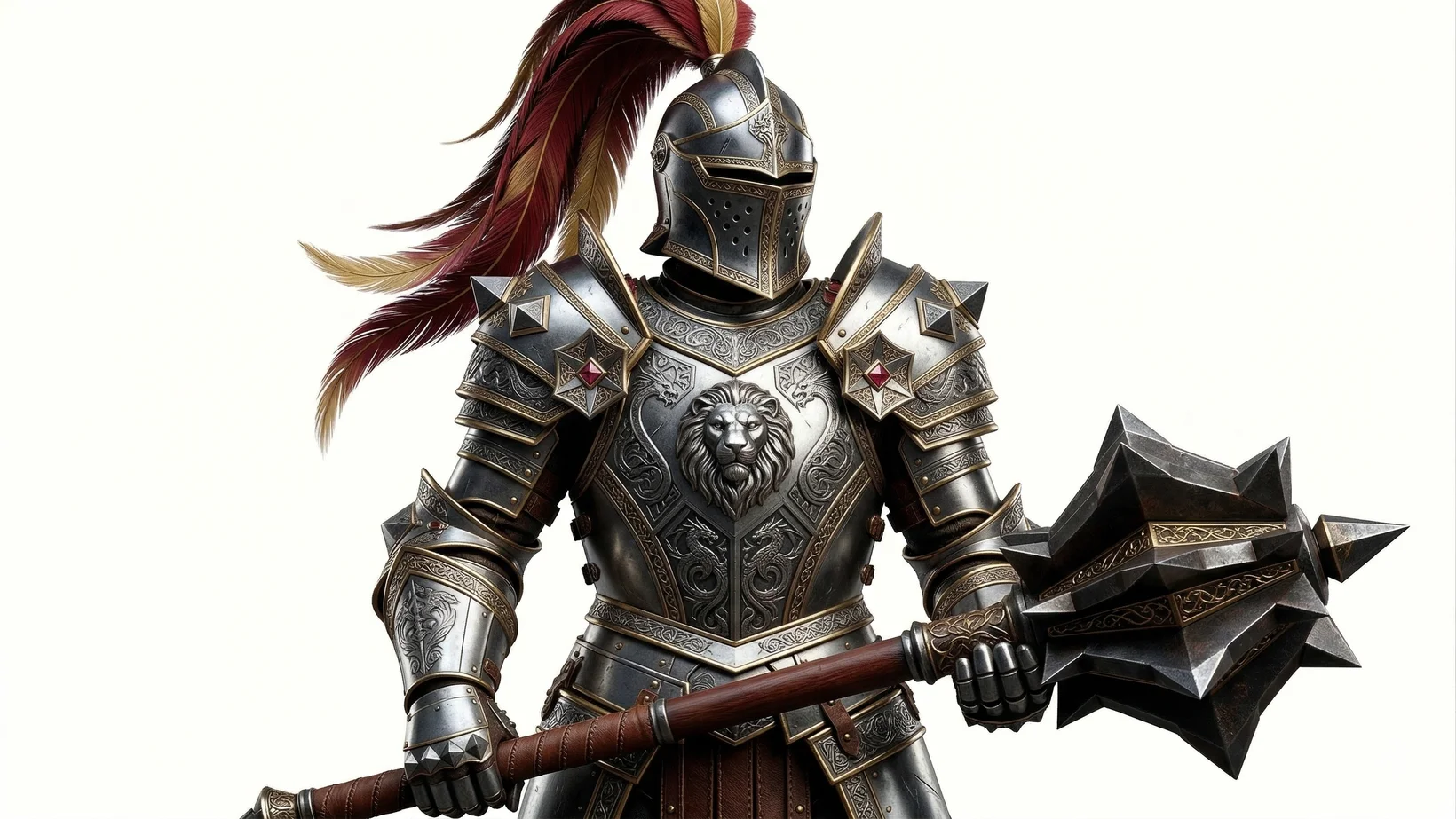
Creators initiating the process of generating fantasy weapons and armor assets can utilize either text-based prompts or 2D concept sketches to efficiently manifest detailed 3D models. The multimodal capabilities of the platform support both rapid Text to 3D Model and Image to 3D Model generation. When a concept artist drafts a rough outline of a spiked mace or an elven shield, the advanced sketch-to-3D pipeline transforms that 2D drawing into a fully realized 3D asset in seconds. The system evaluates the sketch, determines the structural depth, and outputs a highly detailed, textured model.
Precision Control: Segmentation and Retopology for Armor
A vital step in generating fantasy weapons and armor assets involves using Tripo AI’s smart part segmentation and automatic retopology to ensure meshes are fully optimized for real-time interactive environments. When an intricate suit of knight's armor is generated, the system automatically divides it into logical, editable components: pauldrons, breastplates, gauntlets, and greaves.
Advanced Texturing with Magic Brush 2.0
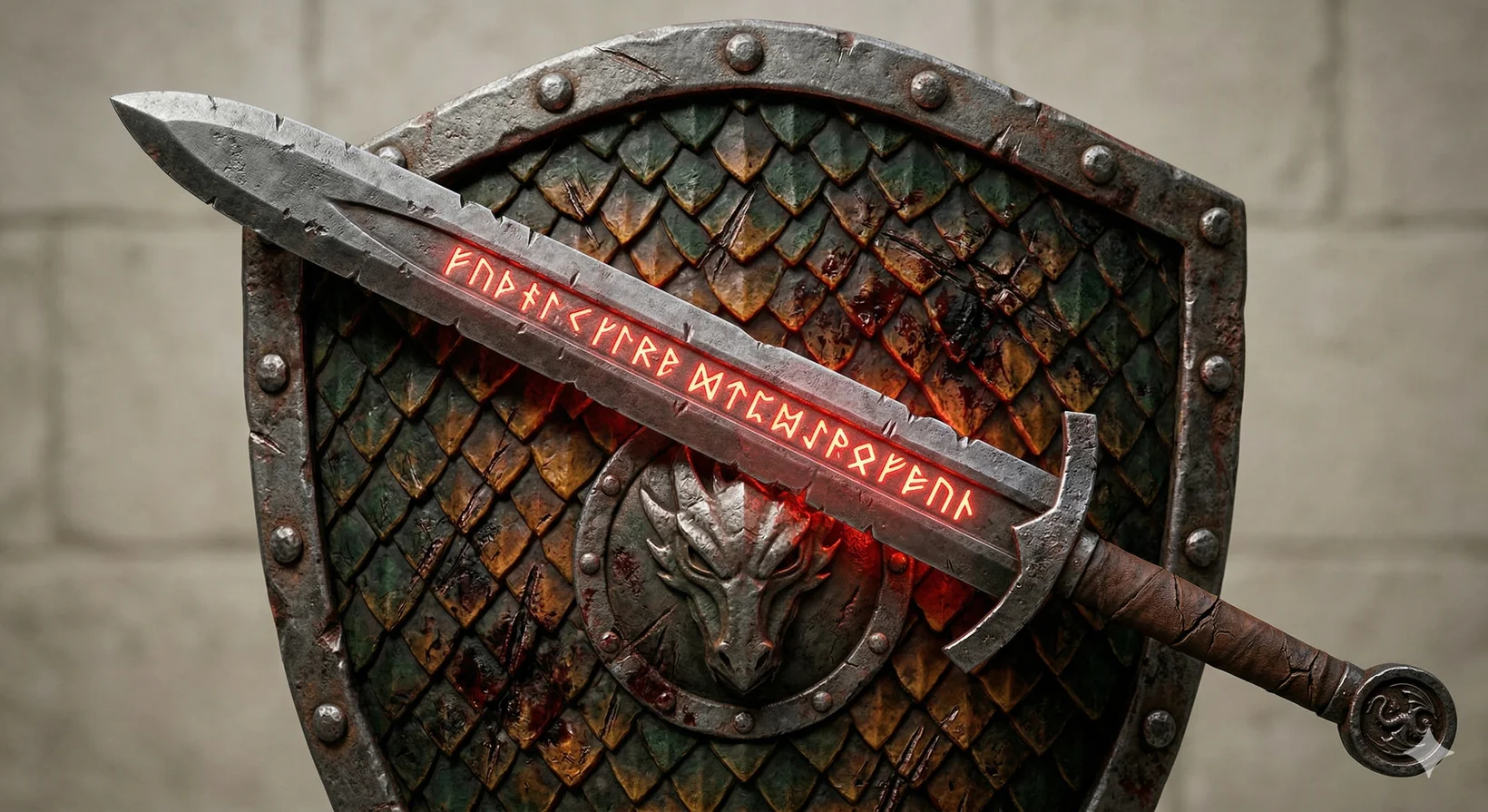
To finalize the aesthetics when generating fantasy weapons and armor assets, developers leverage Magic Brush 2.0 and the PBR Generator to apply realistic metallic reflections and combat-worn textures. Tripo AI's updated AI Texture pipeline ensures that generated assets align perfectly with modern physically based rendering (PBR) workflows.
Integrating with DCC Tools and Game Engines
Once the core process of generating fantasy weapons and armor assets is complete, seamless integration into external DCC tools and game engines ensures rapid deployment. Tripo AI offers a robust Digital Content Creation (DCC) Plugin Ecosystem, providing dedicated bridges for software like Blender, Unity, and Unreal Engine.
FAQ
1. Are Tripo Studio and Tripo API the same product?
No. Tripo Studio and Tripo API are two completely independent product lines. Tripo Studio is a comprehensive web-based 3D workspace, whereas the Tripo API is a programmatic solution designed for enterprises to embed 3D generation into their proprietary software.
2. How does the billing and credit system work for Tripo Studio?
Tripo Studio operates on a subscription model where users consume platform credits for generation and refinement tasks. The Free plan provides 300 credits per month. For professional deployment, the Pro plan ($19.90/month) provides 3,000 credits per month.
3. Can I use the generated 3D models for commercial game development?
3D models generated under Tripo's Free plan do not support commercial use. To officially unlock full commercial rights for all generated assets, users must subscribe to the Pro plan or higher.
4. What 3D file formats can I export my generated weapons and armor into?
You can seamlessly export your models into standard industry formats, including USD, FBX, OBJ, STL, GLB, and 3MF.