Cloud Based AI 3D Workspace for 3D Printing Slicing Software Integration
Streamlining Additive Manufacturing with Advanced Cloud-Native Slicing Integration
Within the additive manufacturing industry of 2026, the capability to rapidly and flawlessly translate digital concepts into physical entities serves as the core metric for industrial efficiency. In traditional workflows, a massive data chasm and severe compatibility barriers frequently exist between standalone 3D modeling software and the final physical slicing programs. The deployment of a sophisticated cloud based AI 3D workspace for 3D printing slicing software integration fundamentally disrupts this inefficient linear production model. Tripo AI stands as an advanced platform for spatial computing and generative design, utilizing a powerful cloud computing network to output precise geometry natively adapted for slicing software right from the source. This comprehensive guide details the core applications and technical logic of utilizing a cloud based AI 3D workspace for 3D printing slicing software integration within modern end-to-end manufacturing pipelines.
Key Insights
- A professional cloud based AI 3D workspace for 3D printing slicing software integration processes complex topological calculations directly in the cloud, outputting watertight manifold meshes that are fully compatible with mainstream slicing engines.
- The platform utilizes the newly iterated Algorithm 3.1 architecture, relying on a massive scale of over 200 billion parameters to ensure precise inference of gravity distribution and print viability.
- Commercial product lines are strictly delineated: Tripo Studio (the interactive cloud platform) and the Tripo API operate as completely independent entities. The API possesses an independent billing system and is never provided as an add-on feature for Studio subscriptions.
- Transparent commercial facts dictate that the Free plan provides 300 credits per month. 3D models generated under Tripo's Free plan do not support commercial use. The Pro plan ($19.90/month) provides 3,000 credits per month. Check our Subscription Plans for full details.
- A built-in smart retopology engine grants the cloud based AI 3D workspace for 3D printing slicing software integration exceptional data lightweighting capabilities, preventing high-precision meshes from causing memory crashes in slicing software.
Bridging the Digital and Physical Divide with Cloud-Native Architecture
A professional cloud based AI 3D workspace for 3D printing slicing software integration shifts heavy geometric computations to the cloud, ensuring that design data can be instantly and losslessly read and processed by downstream slicing programs. In the traditional 3D manufacturing ecosystem, designers are forced to rely on desktop-grade modeling software that places high demands on local hardware. When models are exported and transferred to slicing software such as Ultimaker Cura or PrusaSlicer, the process is frequently interrupted by version incompatibilities, inverted normals, or excessively large file sizes. Introducing a cloud based AI 3D workspace for 3D printing slicing software integration completely alters this status quo. Because all generation, diagnostic, and repair tasks are completed within a highly integrated cloud environment, data flows seamlessly from conceptual generation to manufacturing preparation without friction.
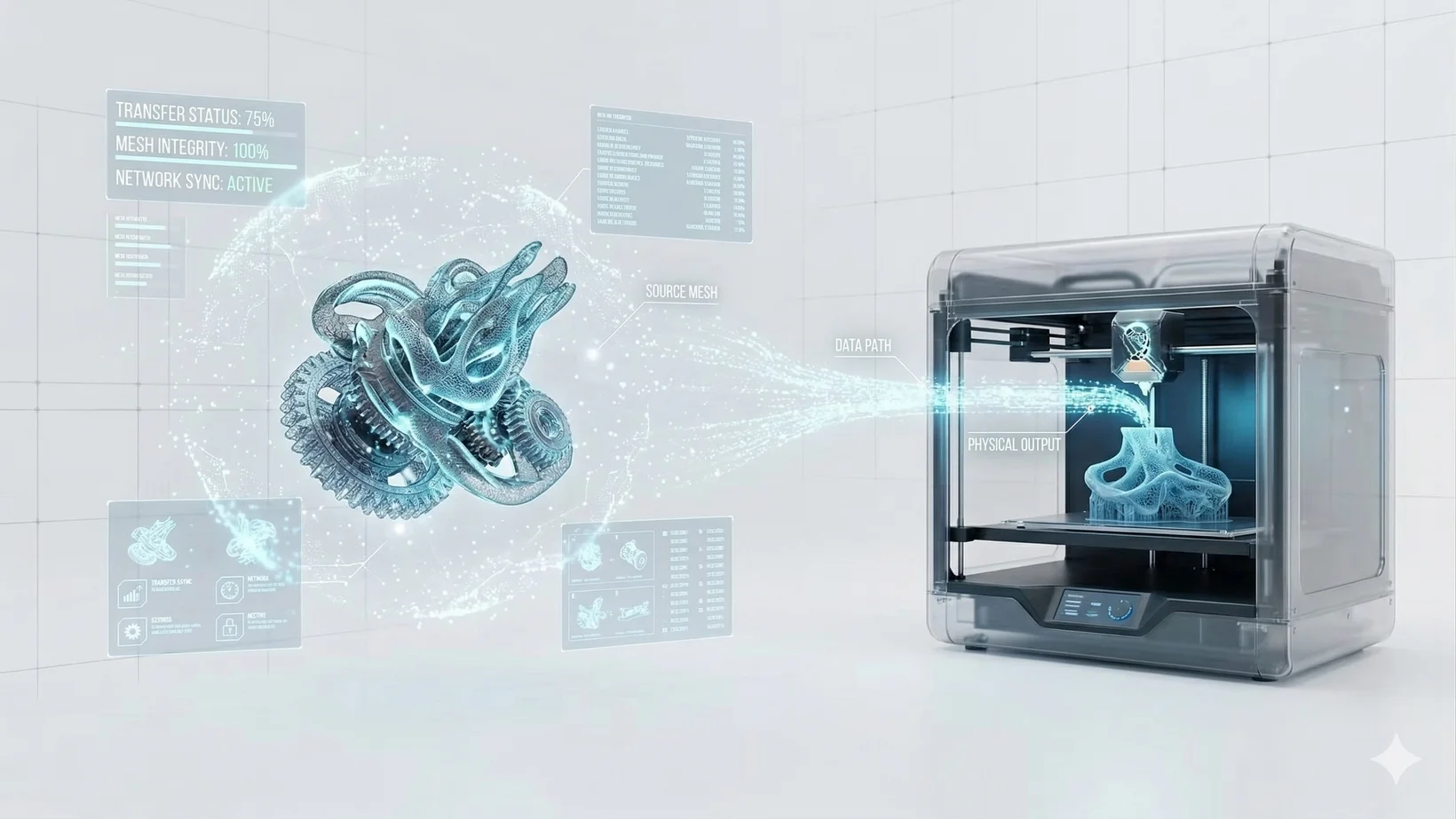
Eliminating Format Barriers: From Polygons to G-code
By leveraging an advanced cloud based AI 3D workspace for 3D printing slicing software integration, 3D models are automatically reconstructed into manifold structures compliant with physical slicing logic during the cloud generation phase, thoroughly eradicating tedious format conversion and manual repair steps.
Geometric Optimization Powered by Algorithm 3.1 and 200 Billion Parameters
Deeply reliant on the Algorithm 3.1 core architecture and a cloud computational matrix of over 200 billion parameters, the cloud based AI 3D workspace for 3D printing slicing software integration possesses remarkable physical anticipation capabilities, seamlessly aligning with the operational logic of downstream slicing engines.
Smart Retopology and Seamless Slicing Engine Compatibility
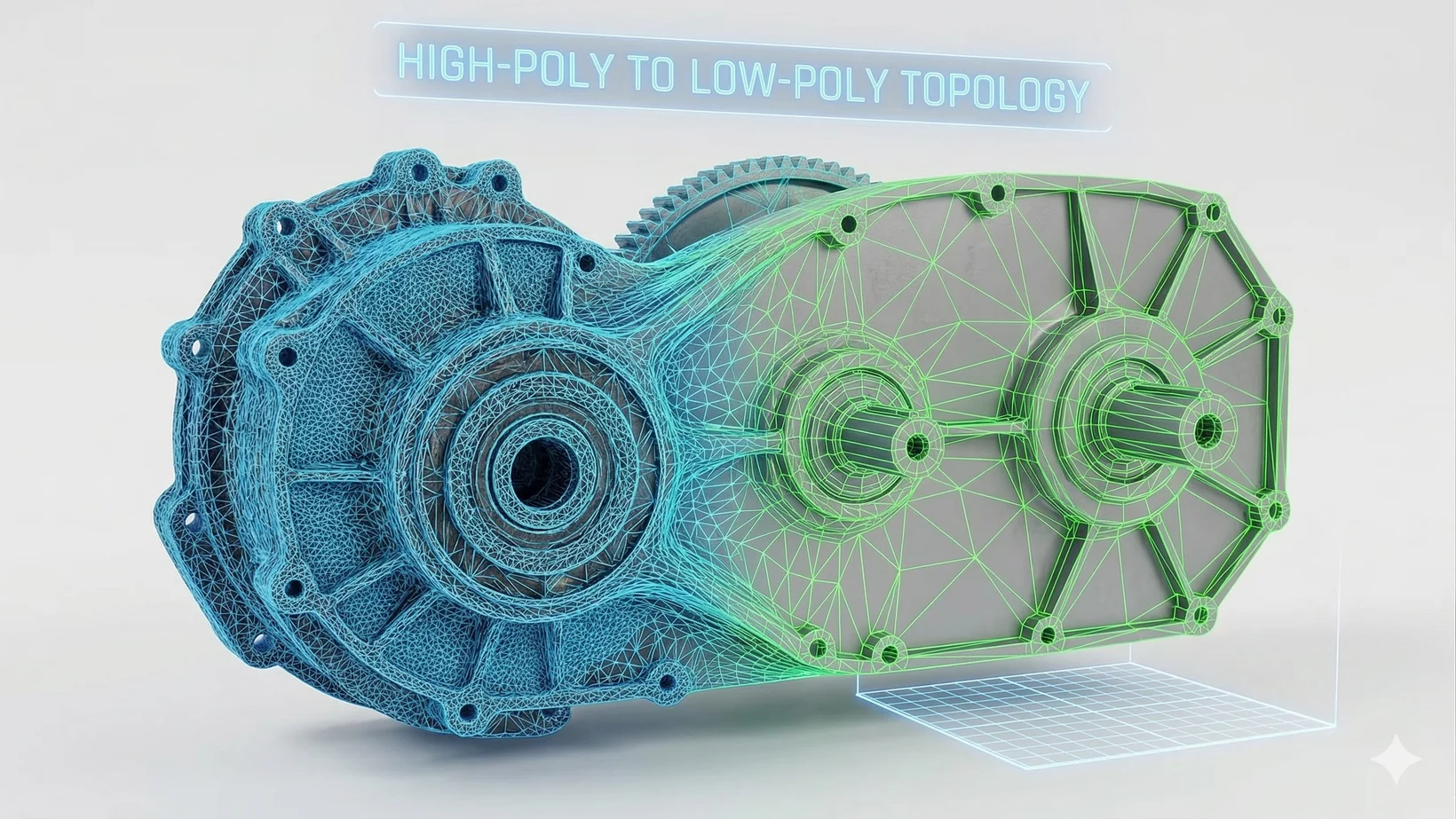
As an enterprise-grade cloud based AI 3D workspace for 3D printing slicing software integration, the system features built-in cloud smart polygon decimation and mesh optimization, effectively adapting high-precision models to the computational limits of desktop-grade slicing software.
Strictly Independent Ecosystems: Studio and API Architecture
The platform provides various enterprises and developers with cloud solutions featuring strictly defined boundaries and completely independent billing systems, clearly separating the interactive workbench from the underlying enterprise interfaces used for the cloud based AI 3D workspace for 3D printing slicing software integration.
The Future of Fully Automated Additive Manufacturing in 2026
As the cloud based AI 3D workspace for 3D printing slicing software integration achieves widespread adoption across global manufacturing networks, thoroughly dismantling the data silos between cloud design and local slicing has become the core standard reshaping supply chains.
FAQ
1. What is the difference between Tripo Studio and the Tripo API?
Tripo Studio and the Tripo API operate as completely independent product lines. The API possesses an independent billing and scheduling system and is never provided as an add-on feature for Studio subscriptions.
2. How does the pricing work and what are the credit limits?
The Free plan provides 300 credits per month. The Pro plan ($19.90/month) provides 3,000 credits per month. Check our Pricing page for full details.
3. Can I use the generated models for commercial purposes?
3D models generated under Tripo's Free plan do not support commercial use. Commercial rights are fully unlocked with the Pro plan.
4. What file formats can I export my models to?
The platform supports exporting models via 3D format conversion in USD, FBX, OBJ, STL, GLB, and 3MF formats, ensuring seamless compatibility with modern slicing software.