
Automated AI 3D Model Generation Pipeline for Resin 3D Printing
Streamlining Digital Fabrication with Professional AI Integration
In 2026, the automated AI 3D model generation pipeline for resin 3D printing has completely transformed how industries approach rapid prototyping and digital fabrication. By eliminating traditional manual modeling bottlenecks, creators can now move from text or image prompts to physical objects in minutes. An advanced AI 3D Model Generator powers this evolution, offering exceptional precision, speed, and efficiency for producing high-quality models tailored for advanced stereolithography and digital light processing workflows.
- The automated AI 3D model generation pipeline for resin 3D printing leverages over 200 billion parameters to guarantee clean geometric topologies.
- Algorithm 3.1 powers the entire generative process, ensuring output that natively supports high-fidelity texturing and watertight mesh requirements.
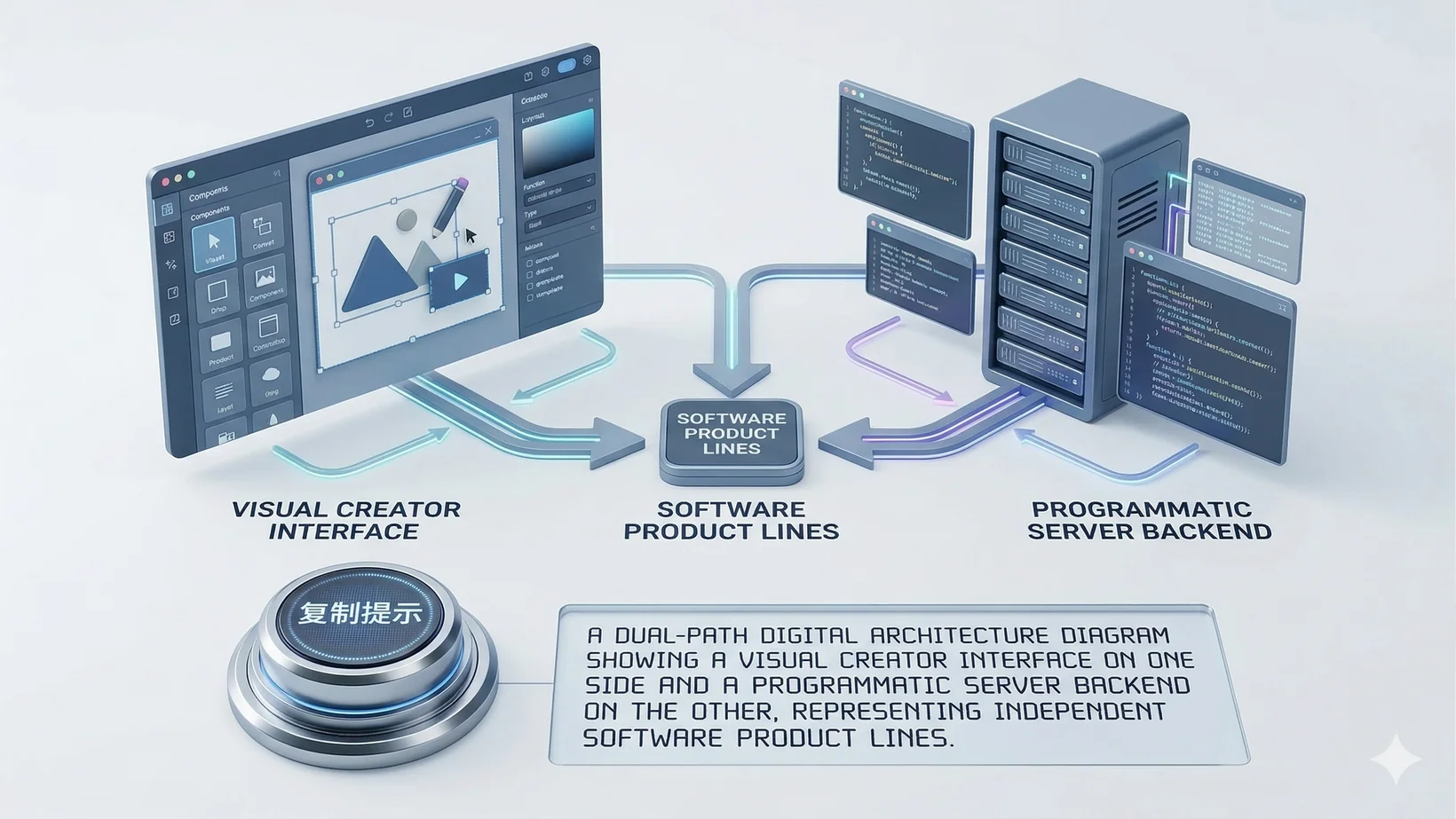
- Tripo Studio and the Tripo API serve as two entirely independent product lines, catering to individual creators and enterprise infrastructure respectively.
- Organizations can establish a functional automated AI 3D model generation pipeline for resin 3D printing using clear credit-based subscription plans, with distinct rules for commercial rights.
- Essential optimization steps—such as hollowing, drainage hole placement, and tree support generation—are significantly streamlined by advanced artificial intelligence workflows.
Defining the Automated AI 3D Model Generation Pipeline for Resin 3D Printing
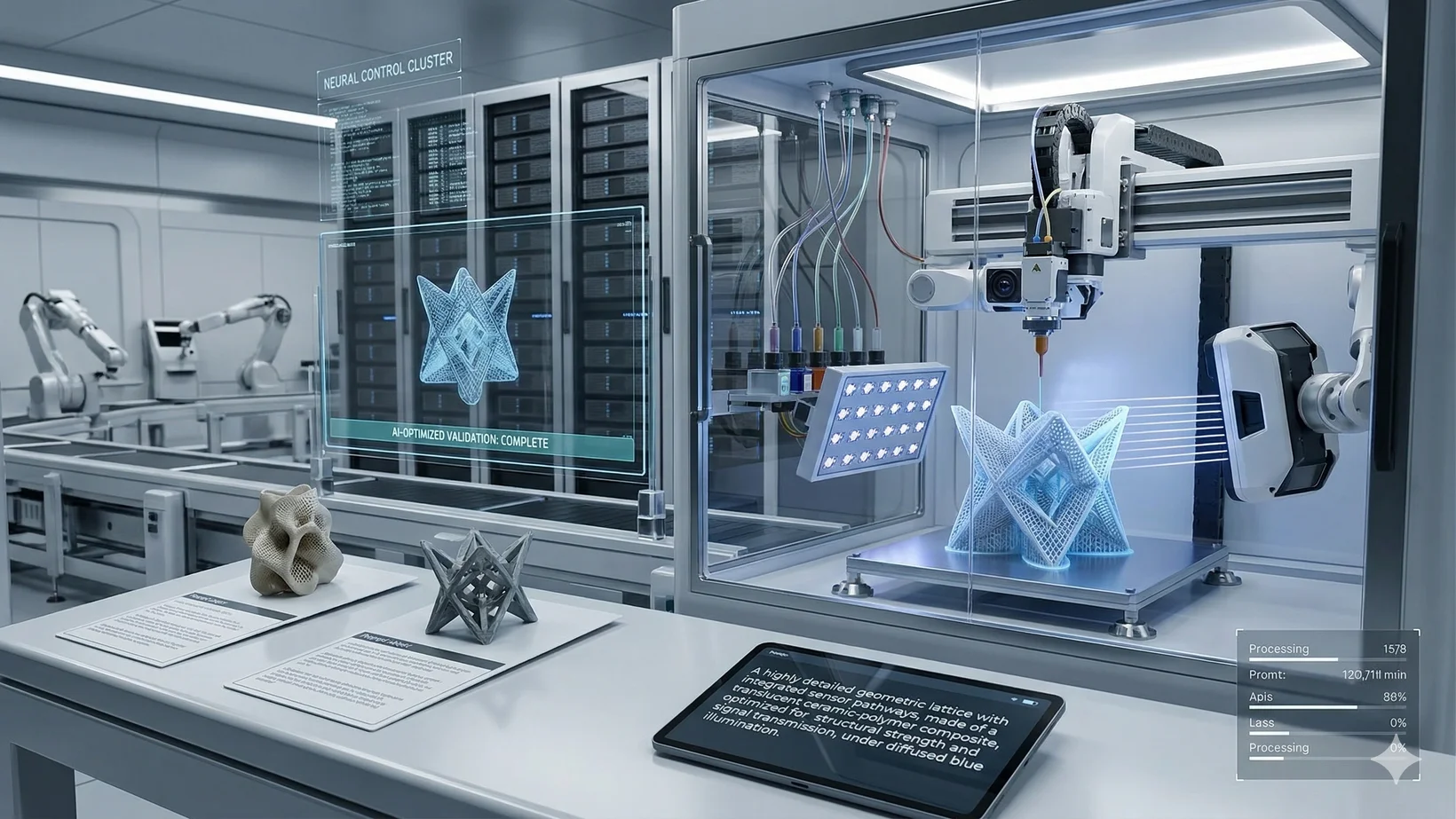
The automated AI 3D model generation pipeline for resin 3D printing represents a seamless, technology-driven workflow that translates basic inputs into highly detailed, physical objects using advanced artificial intelligence and stereolithography techniques. Historically, creating digital assets suitable for high-resolution output required thousands of hours in complex computer-aided design software. Today, the automated AI 3D model generation pipeline for resin 3D printing removes these barriers entirely. Through platforms leveraging 3D generative AI, users can simply input a prompt to mesh request or upload a reference image for 2D to 3D conversion to receive a fully realized digital asset in seconds. This asset is specifically tailored for the unique demands of liquid photopolymer resins, which require absolute geometric integrity. The sheer efficiency of this pipeline ensures that projects across jewelry design, dental modeling, and tabletop miniatures can proceed from ideation to physical fabrication without intermediate delays.
Core Technology Driving the Generation Process
Algorithm 3.1 serves as the computational engine for the modern generation pipeline, utilizing over 200 billion parameters to achieve exceptional geometric accuracy and detail. At the heart of the automated AI 3D model generation pipeline for resin 3D printing lies the massive computational architecture of the platform. The latest iteration, Algorithm 3.1, represents a significant leap in generative capabilities. By processing data through an architecture containing over 200 billion parameters, the system understands deep structural nuances, material physics, and spatial relationships. This massive parameter scale allows the platform to instantly resolve complex geometries that previously required weeks of manual digital sculpting. The architecture relies on these over 200 billion parameters to calculate physics-compliant structures, ensuring models do not collapse under their own weight during the stereolithography process.
Execution of the Generation and Optimization Workflow
Successfully executing an automated AI 3D model generation pipeline for resin 3D printing requires utilizing dedicated web tools for generation, followed by strict adherence to specific physical fabrication requirements like hollowing and support generation.
Tripo Studio vs. Tripo API Product Lines
Tripo Studio and Tripo API are completely independent product lines that facilitate generation pipelines through entirely different deployment mechanisms and billing structures.
Credits, Pricing, and Commercial Rights
The operational costs of the generation process are managed strictly through a system of credits, with clear delineations between free tier limitations and professional commercial rights.
Post-Processing in the Fabrication Pipeline
The final stage of the digital-to-physical workflow involves meticulous physical post-processing, including solvent washing, support removal, and ultraviolet post-curing.
FAQ
1. Does the free plan support commercial use for resin 3D printing?
No, 3D models generated under Tripo's Free plan do not support commercial use.
2. What files does the pipeline support for slicing?
Generated assets are ready for immediate export in USD, FBX, OBJ, STL, GLB, and 3MF formats.
3. Why is hollowing necessary in this pipeline?
Models must be hollowed to conserve liquid material and reduce the pull force against the printer's transparent film during stereolithography.