Cloud Libraries for AI Film Models: Team Sharing
Guidelines for Building Centralized Cloud Repositories for AI-Generated 3D Assets
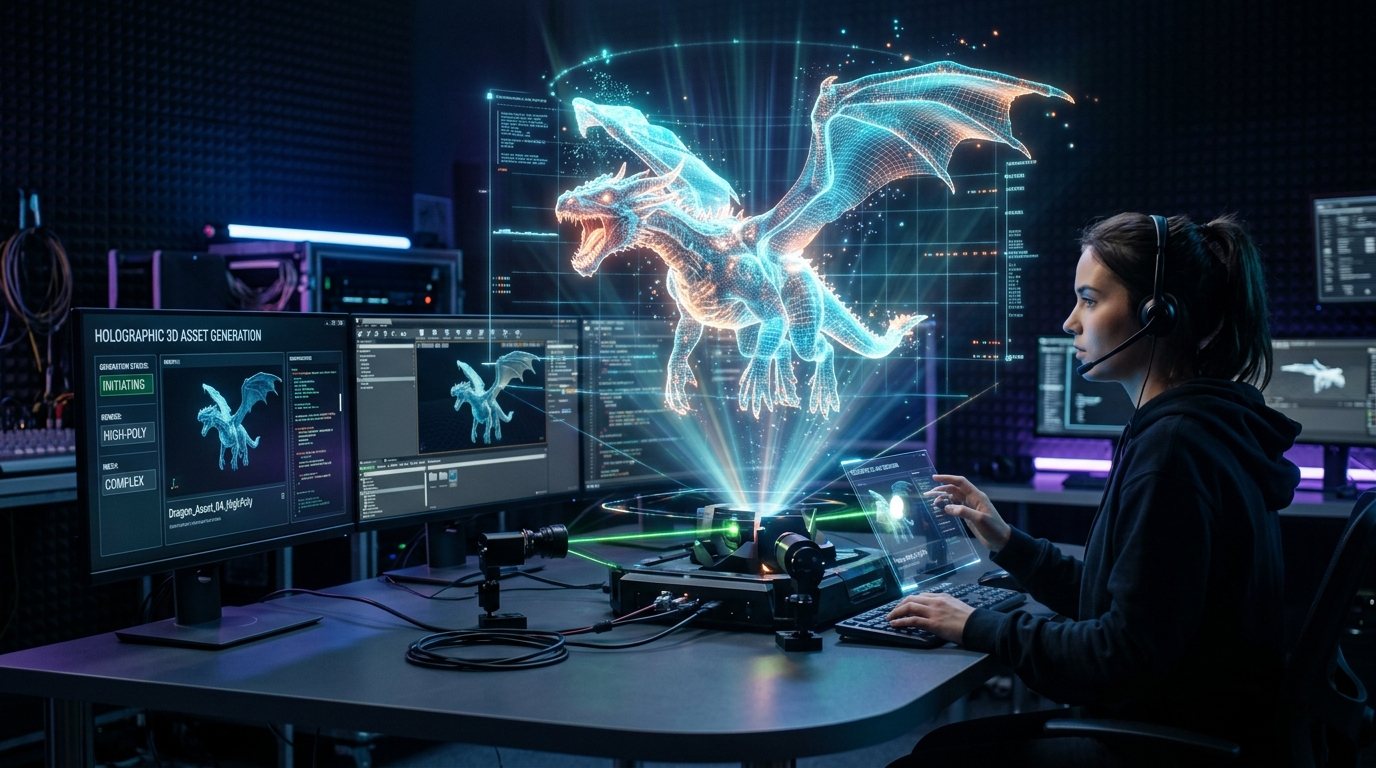
Modern visual effects pipelines face significant bottlenecks when managing rapidly iterated assets generated by artificial intelligence. Isolated local storage leads to duplicated generation, metadata loss, and geometric inconsistencies among remote animation teams. Establishing a centralized cloud repository and synchronized online 3D studio workspace resolves these friction points by routing outputs directly from advanced creation platforms into standardized folder hierarchies. This systematic approach ensures VFX facilities maintain strict version control, reduce rendering errors, and scale production without disrupting their core asset management systems.
Key Insights
- Centralized cloud repositories eliminate duplicate asset creation by providing a single source of truth for remote VFX teams and technical directors.
- Standardized naming conventions and metadata tags are critical for tracking the origin of rapidly generated iterations throughout the production cycle.
- Selecting the correct file formats ensures seamless asset integration across pipeline stages, from virtual previsualization to final rendering.
- Integrating native platform storage with studio cloud drives bridges the gap between individual artist generation and team-scale deployment.
New Standards for AI Film Production Assets
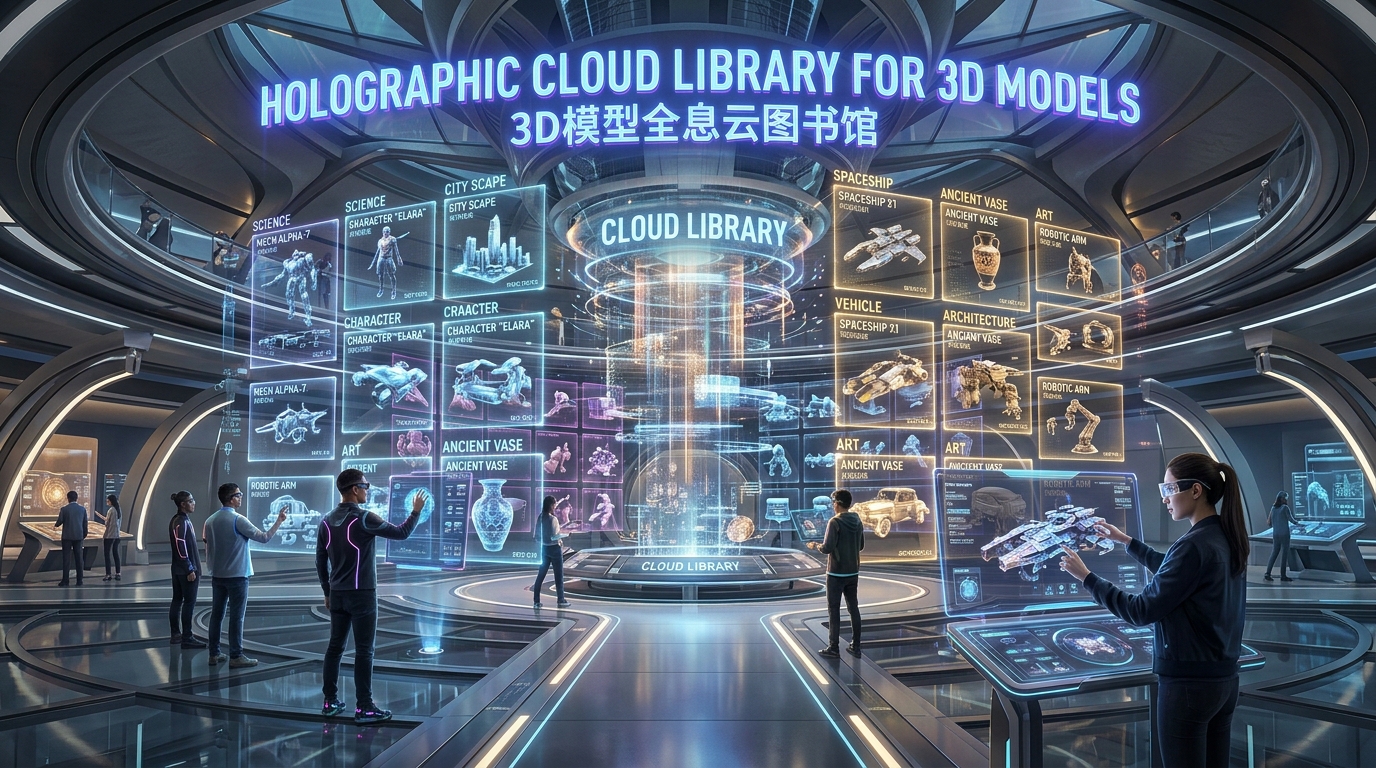
Centralized cloud libraries streamline the storage and retrieval of AI-generated 3D models in film production by establishing a single, synchronized repository. This infrastructure guarantees strict version control and geometric consistency across remote VFX and animation teams, eliminating redundant work and preventing pipeline bottlenecks caused by outdated local files.
Establishing Folder Hierarchies for Film Pipelines
Implementing a robust folder hierarchy is a foundational step in managing massive volumes of 3D assets. In high-end film production, disorganized hard drives quickly become critical hazards, causing broken render farm paths and disrupting lighting departments. Studios must structure their repositories to reflect the logical progression of the production pipeline. Typically starting with a root directory divided by project or film sequence, it branches into specific categories such as environments, hero props, background elements, and digital doubles. Within these categories, strict further subdivision is necessary to separate raw generation outputs from refined, production-ready models. For example, a folder assigned to background sci-fi vehicles should contain subfolders for initial concept meshes, retopologized assets, and final textured deliverables. By isolating files based on production status, technical directors ensure lighting artists and animators only pull approved assets into their respective scenes. This structured approach directly addresses scaling challenges, allowing teams to handle thousands of models without confusing early iterations with final production assets.
Naming Conventions and Metadata Tags
Rigorous naming conventions act as the connective tissue of shared cloud libraries. Without them, locating a specific asset among thousands of variants is functionally impossible. Film studios standardizing their AI outputs must adopt a systematic nomenclature that identifies the project, asset type, iteration number, and current pipeline stage. A standard filename might resemble PRJ_Env_SciFiCrate_v004_Retopo, instantly communicating its purpose and status to any team member accessing the drive. Beyond filenames, robust metadata tags provide deeper organizational capabilities. When artists rapidly prototype using AI 3D model generator, it is critical to capture exact prompt parameters, seed values, and generation dates in file metadata. This data acts like a recipe, allowing technical artists to recreate or adjust the initial generation if directors request minor changes weeks later.
Exporting and Standardized Formats for Team Sharing
Standardizing file formats when exporting from Tripo AI ensures seamless integration with studio-wide film pipelines. By enforcing specific extensions for different production stages, technical directors maintain consistent geometry, topology, and texturing across multiple software combinations, preventing data loss during complex VFX handoffs.
Using USD, FBX, and OBJ in VFX Pipelines
Selecting the appropriate file extension determines the success of migration when moving assets from generation to final VFX integration. The industry is rapidly adopting USD as the primary format for complex scene assembly. Exporting USD allows teams to package geometry, shading, and lighting data into a single non-destructive layer. For traditional animation and rigging workflows, FBX remains the standard due to its robust support for bone hierarchies and weight painting data. Additionally, OBJ is commonly used for static geometry transfer, especially into professional sculpting software for high-frequency detail refinement. Strict adherence to USD, FBX, OBJ, STL, GLB, and 3MF ensures the model’s structural integrity remains intact regardless of the target software.
Managing GLB, 3MF, and STL for Previsualization and Prototyping
In early stages of film production, speed and accessibility take priority over micro-details. Pre-vis teams require lightweight formats for quick loading into game engines or virtual production LED walls. GLB files excel in these environments, packaging geometry and baked textures into a highly compressed single file. For physical prototyping, such as printing physical models for the art department, 3MF and STL are essential formats. Establishing clear 3D format conversion protocols ensures artists deliver the exact specifications required by receiving departments, eliminating workflow friction.
FAQ
1. How is version control handled for rapidly iterated Tripo AI models?
A: Establishing a strict numerical suffix system combined with date metadata tags in cloud drives is the most effective method. As models are iteratively refined, each export should receive a sequential identifier. This systematic approach, paired with cloud version history natively maintained by the platform, ensures teams can easily revert to earlier iterations if directors shift creative vision.
2. What is the best format for sharing Tripo AI assets in multi-software film pipelines?
A: The optimal format depends entirely on the target software and intended use of the asset. For general film pipeline compatibility, USD is highly recommended as it allows non-destructive layered data across departments. Conversely, for traditional rigging and animation, FBX remains the best choice for handling bone structures.
3. How to prevent different team members from duplicating similar background props?
A: To eliminate redundant generation, studios should implement a visual cataloging system or shared index document linked directly to cloud library folders. Before launching a new generation sequence, artists must consult this centralized database to verify a suitable prop does not already exist.