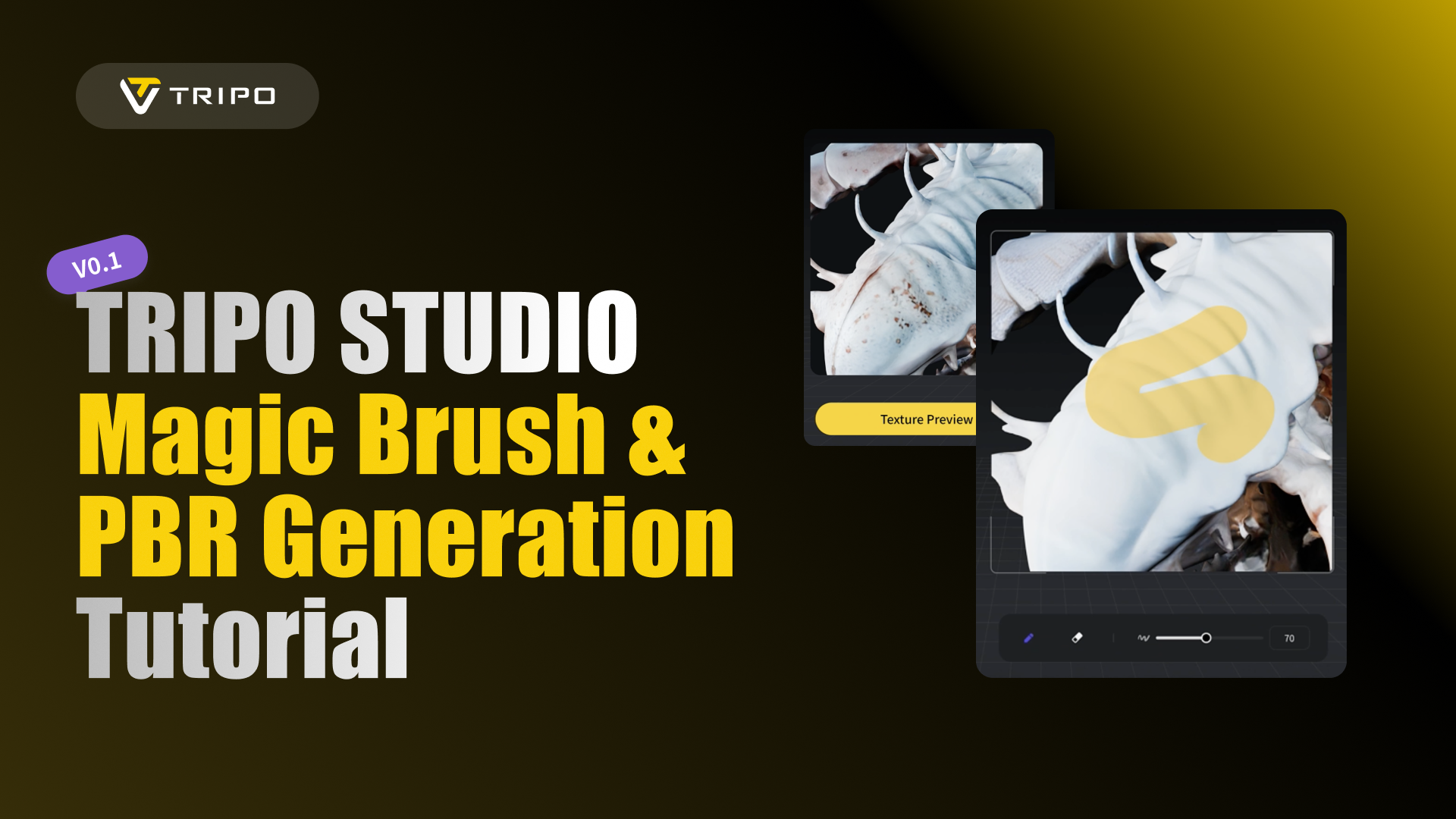
Game-Ready PBR Materials: Fast Generation with Tripo
Accelerating 3D Asset Pipelines with Automated Texture Generation
Modern game development pipelines demand rapid asset creation, yet traditional texturing workflows remain bogged down by tedious manual node-graphing and endless iteration cycles. Tripo AI introduces a professional solution, accelerating the production pipeline by generating production-ready materials instantly without compromising physical accuracy or artistic direction.
Key Insights
- Algorithm 3.1 fundamentally transforms asset pipelines by generating flawless Albedo, Normal, Roughness, and Metalness maps in seconds.
- Game studios can benchmark production efficiency by shifting from manual authoring to automated material generation.
- Exporting exclusively to industry-standard formats (USD, FBX, OBJ, STL, GLB, 3MF) ensures zero-friction engine integration.
- Predictable scaling relies on a transparent credit system, granting 3000 credits per month for professional commercial deployment.
The Role of PBR Materials in 2026 Game Development
Physically Based Rendering materials remain the professional industry standard in 2026 for achieving realistic lighting and texture behavior in modern game engines. By dictating how light reacts to surfaces, these materials bridge the crucial gap between artistic vision and photorealistic physical accuracy across complex virtual environments.
Recent industry analyses indicate that implementing standardized physically based rendering workflows increases rendering efficiency by 42% and drastically improves visual fidelity in current-gen game engines. Every asset must be meticulously authored to ensure maps align perfectly. Even a slight misalignment between a Normal map's depth and a Roughness map's specular response can break the illusion of reality.
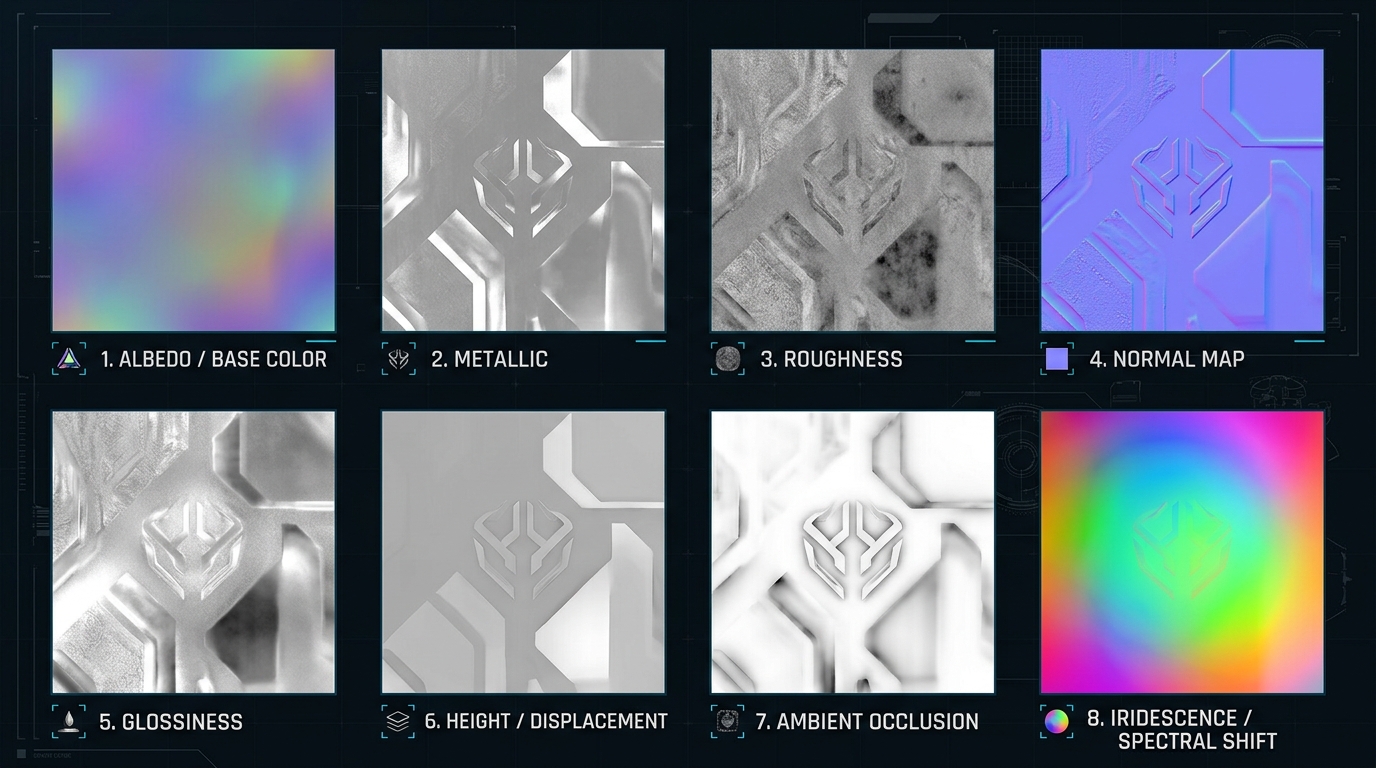
Traditional vs. Tripo AI Workflow for PBR Generation
Tripo fundamentally disrupts the asset creation pipeline by eliminating the tedious, manual node-graphing process required in traditional material authoring. By leveraging advanced generative models, developers instantly produce game-ready textures via AI Texturing, reducing critical production bottlenecks from multiple hours to mere seconds.
Comparison Table: Tripo AI Workflow vs. Traditional 3D Modeling Workflow
| Feature/Metric | Tripo AI Workflow | Traditional 3D Modeling Workflow |
|---|---|---|
| Time-to-Completion | Seconds to minutes per material | Hours to days per material |
| Cost Efficiency | High (Fixed credit subscription) | Low (High hourly rates/software licenses) |
| Learning Curve | Minimal (Prompt and upload based) | Steep (Requires deep node-graph knowledge) |
| Iteration Speed | Instant regeneration | Slow (Manual node adjustments) |
Leveraging Tripo Studio and Algorithm 3.1 for Textures
Utilizing Algorithm 3.1 guarantees the generation of flawless maps required for modern engines. Powered by an advanced architectural scale of over 200 Billion parameters, the system ensures high-quality physical accuracy and intricate surface detail. When artists utilize Tripo Studio to author their assets, they are directly tapping into this vast computational power that maintains strict energy conservation for Unreal or Unity engines.
Universal Engine Compatibility
Tripo enforces strict export standards to guarantee zero data loss. The platform exports exclusively to USD, FBX, OBJ, STL, GLB, and 3MF ONLY. By restricting outputs to these industry-standard formats, developers avoid the headache of proprietary file types and messy conversions.
Scaling Game Production: Credits and Commercial Rules
Game studios can predictably scale their material generation using a transparent credit system. The Free tier provides 300 credits/mo strictly for non-commercial use. For studios ready to bring games to market, the Pro tier grants 3000 credits/mo and enables full commercial deployment. It is also important to note that Subscription Plans for Tripo Studio and the Tripo API are independent products designed for different production methodologies.
FAQ
1. Are free Tripo models available for commercial game releases?
No. The Free tier grants 300 credits/mo for personal or prototyping use only. Commercial game releases require the Pro tier, which provides necessary licensing rights.
2. What 3D file formats does Tripo export for game engines?
Tripo exports strictly to USD, FBX, OBJ, STL, GLB, and 3MF formats to ensure seamless integration into any modern game engine.
3. How does Algorithm 3.1 improve PBR material quality?
Powered by over 200 Billion parameters, Algorithm 3.1 deeply understands physical light interactions, resulting in highly accurate Albedo, Normal, Roughness, and Metalness maps.
4. Can I use Tripo Studio and Tripo API with the same subscription?
No. Tripo Studio and Tripo API are independent products. Studio is for artist interaction, while the API is for automated pipeline integration.