Creating a Super Taruco 3D Model: Expert Workflow & Tips
Creating a Super Taruco 3D model requires a blend of creativity and technical precision. In my experience, leveraging AI-powered tools like Tripo streamlines the process from concept to production-ready assets—especially for creators in gaming, film, and XR. The workflow I recommend focuses on rapid prototyping, intelligent segmentation, efficient retopology, and seamless integration with downstream platforms. Whether you're new to 3D or a seasoned artist, these practical steps and insights will help you achieve quality results faster and with fewer headaches.
Key takeaways:
- Efficient 3D modeling starts with clear concept and reference gathering.
- AI-powered tools accelerate prototyping and reduce manual labor.
- Smart segmentation and retopology are essential for clean, usable geometry.
- Rigging and animation workflows must be tailored to your target platform.
- Export settings and compatibility checks prevent integration issues.
- Common pitfalls can be avoided with structured workflows and tool selection.
Executive Summary: Key Takeaways for Super Taruco 3D Modeling
What makes a Super Taruco model unique
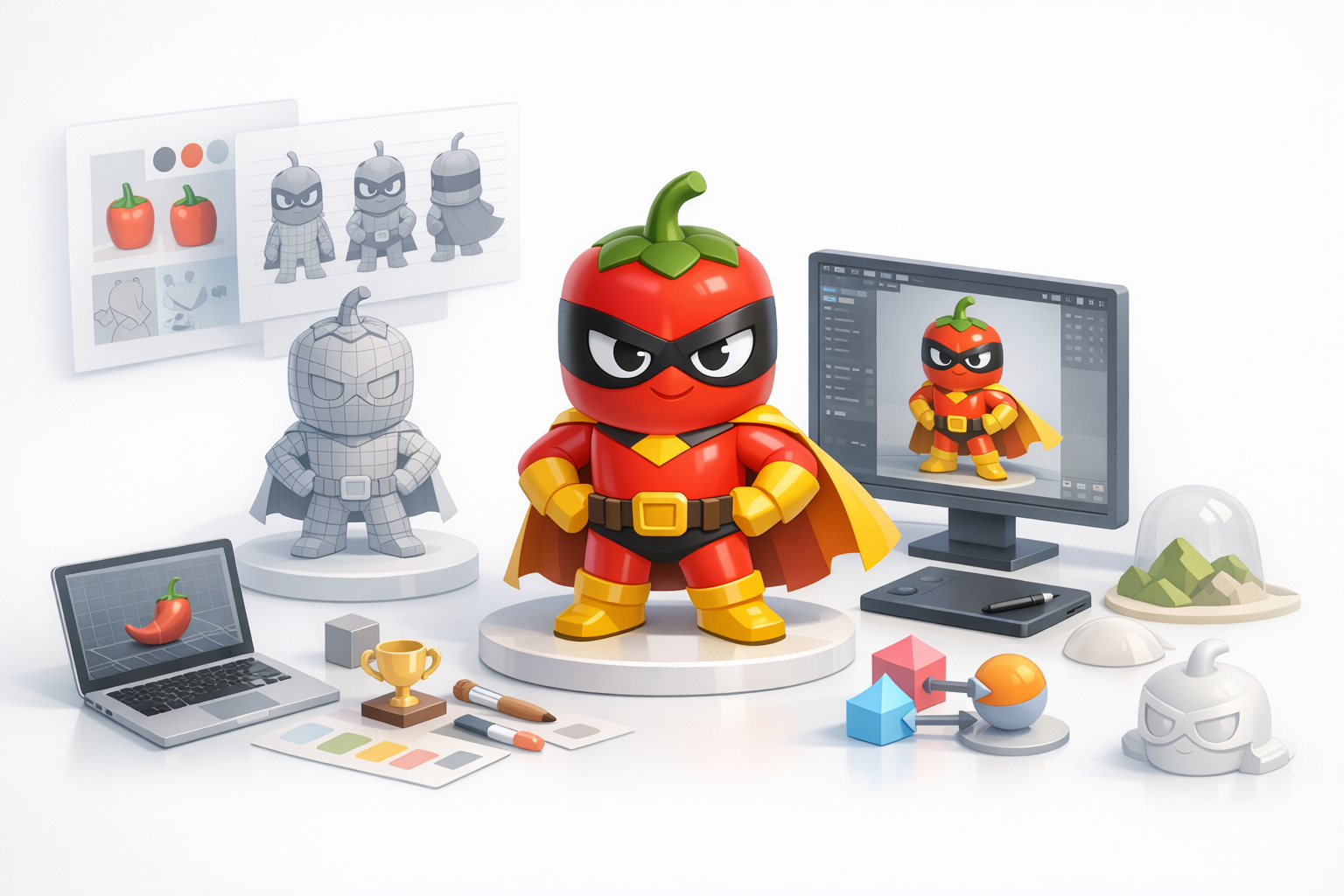
Super Taruco models stand out due to their stylized features, playful proportions, and distinctive character elements. In my workflow, I focus on capturing these signature traits early—whether it's exaggerated limbs, bold colors, or unique accessories. The goal is to ensure the model resonates with its intended audience and fits seamlessly into its target environment.
Essential workflow highlights
Key workflow highlights include rapid prototyping using AI tools, iterative refinement with manual touches, and prioritizing clean geometry for downstream rigging and animation. I always recommend starting with a clear plan, leveraging intelligent segmentation, and optimizing for both artistic and technical requirements.
Conceptualizing and Planning the Super Taruco Model
Reference gathering and idea development
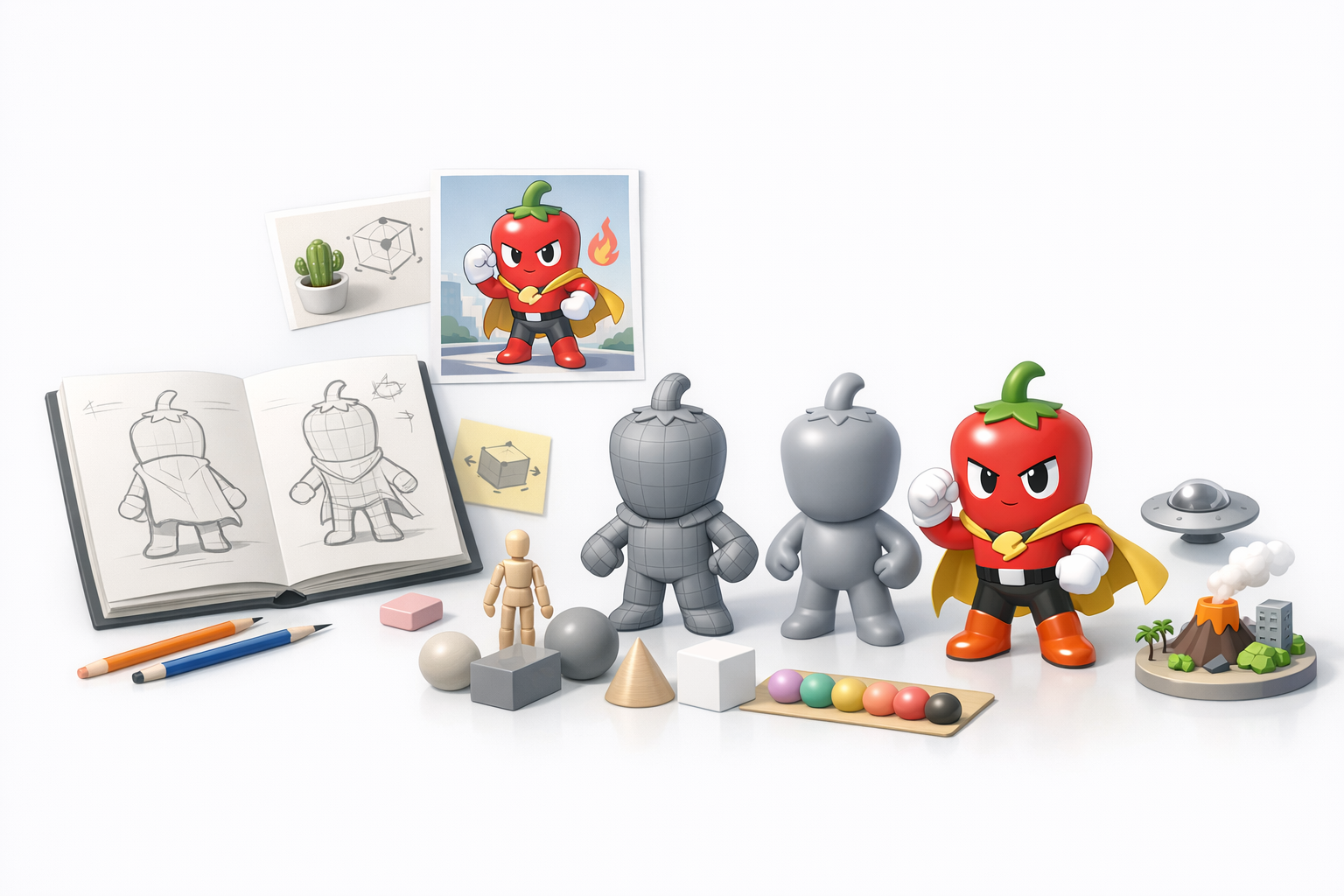
I begin every Super Taruco project by collecting visual references—screenshots, sketches, and mood boards. This helps define the model's character and ensures consistency throughout the workflow. I often use image prompts and rough sketches to guide AI-powered platforms like Tripo, speeding up the ideation phase.
Checklist:
- Gather 5–10 reference images
- Create a mood board for style direction
- Sketch basic silhouettes or features
Defining style, scale, and features
Before modeling, I define the style (cartoony, semi-realistic), scale (relative to game/world units), and must-have features (signature accessories, color palette). This upfront planning prevents costly revisions later and keeps the model production-ready.
Tips:
- Document style and scale choices
- List essential features and accessories
- Validate with stakeholders early
Efficient 3D Model Creation: Tools and Techniques
Using AI-powered platforms for rapid prototyping
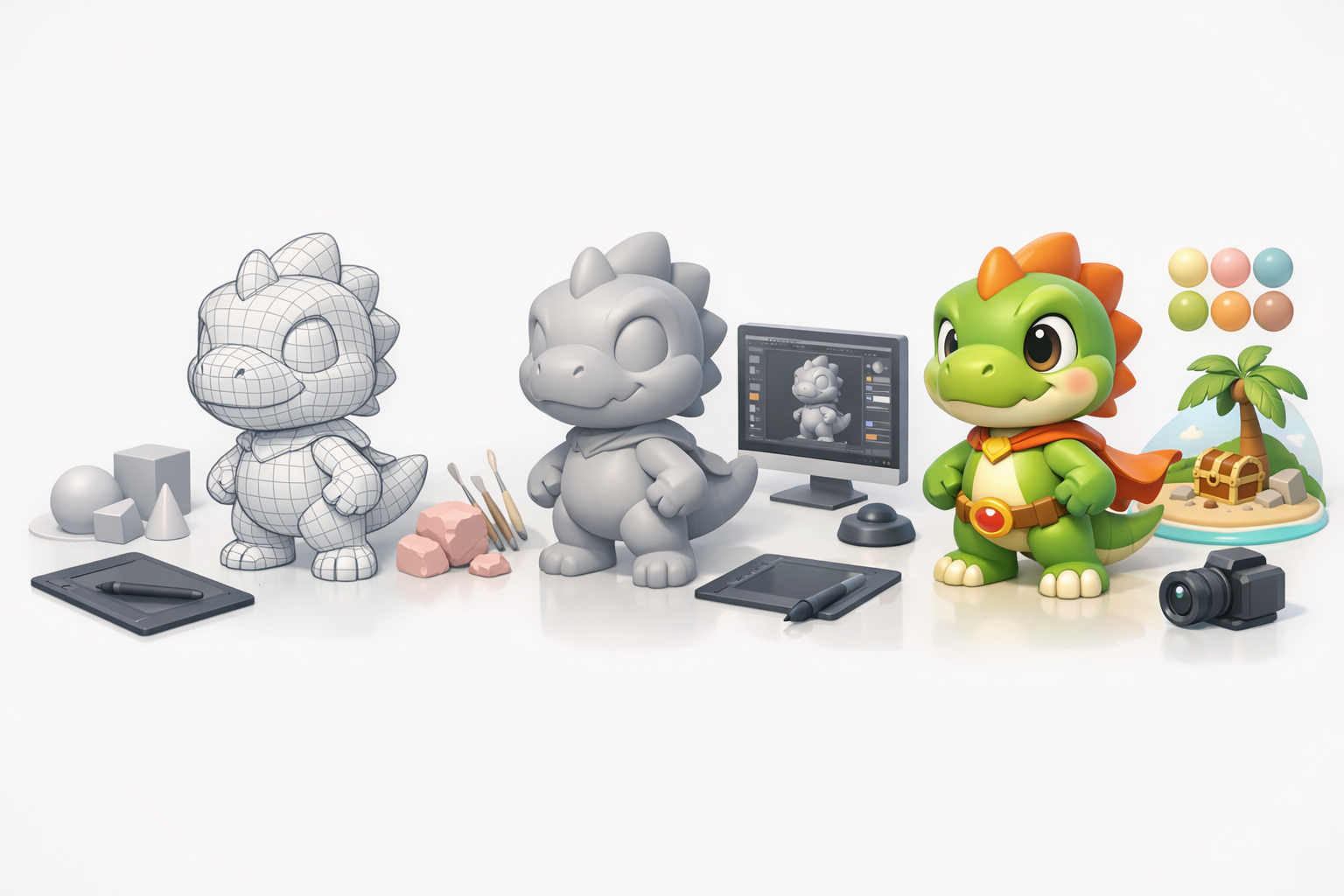
Platforms like Tripo allow me to generate base meshes from text prompts, images, or sketches in seconds. This accelerates the early modeling phase and lets me iterate quickly. I typically use AI-generated outputs as a starting point, refining them manually for artistic control.
Steps:
- Input text/image/sketch prompt
- Review generated mesh for accuracy
- Edit geometry as needed
Manual vs automated modeling: pros and cons
Manual modeling gives full creative control but is time-consuming. Automated tools offer speed and consistency but may require post-processing. I combine both—using AI for base creation and manual tweaks for fine details and style.
Pitfalls:
- Over-reliance on automation can result in generic outputs
- Manual edits may be needed for unique features
Best Practices for Segmentation, Retopology, and Texturing
Intelligent segmentation for clean geometry
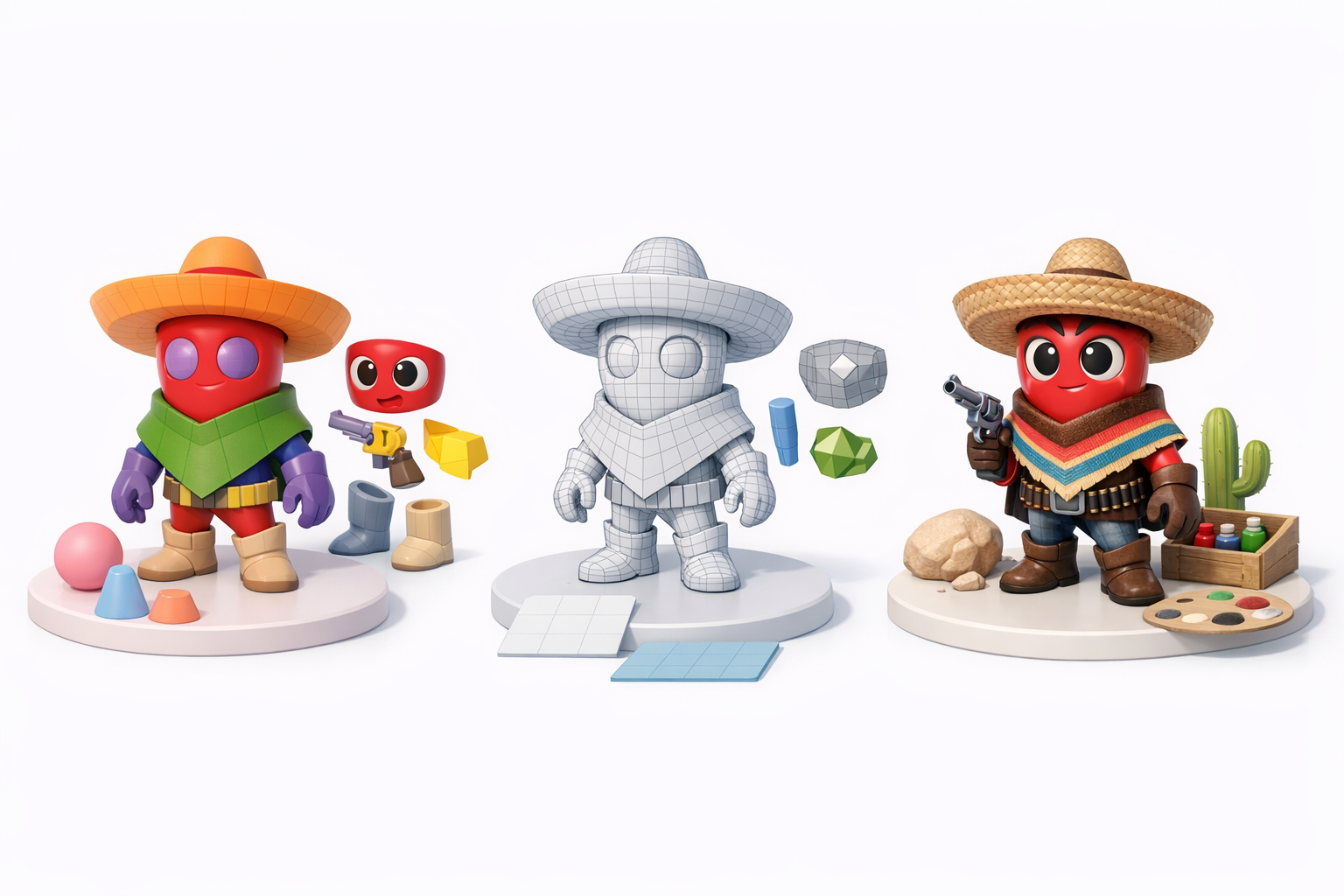
Segmentation divides the model into logical parts (head, limbs, accessories), which is crucial for rigging and animation. Tripo’s intelligent segmentation helps automate this, but I always double-check for overlapping geometry or missed elements.
Checklist:
- Segment major body parts and accessories
- Verify clean edge loops for each segment
- Fix any geometry overlaps
Optimizing retopology and texture workflows
Retopology ensures efficient mesh flow and manageable poly counts. I use automated retopology tools for base meshes, then manually adjust for animation-friendly topology. For texturing, I rely on procedural tools and custom maps to achieve the Super Taruco look.
Tips:
- Aim for balanced poly density
- Use UV unwrapping tools for clean textures
- Test textures in target lighting environments
Rigging and Animation for Super Taruco Models
Streamlined rigging approaches
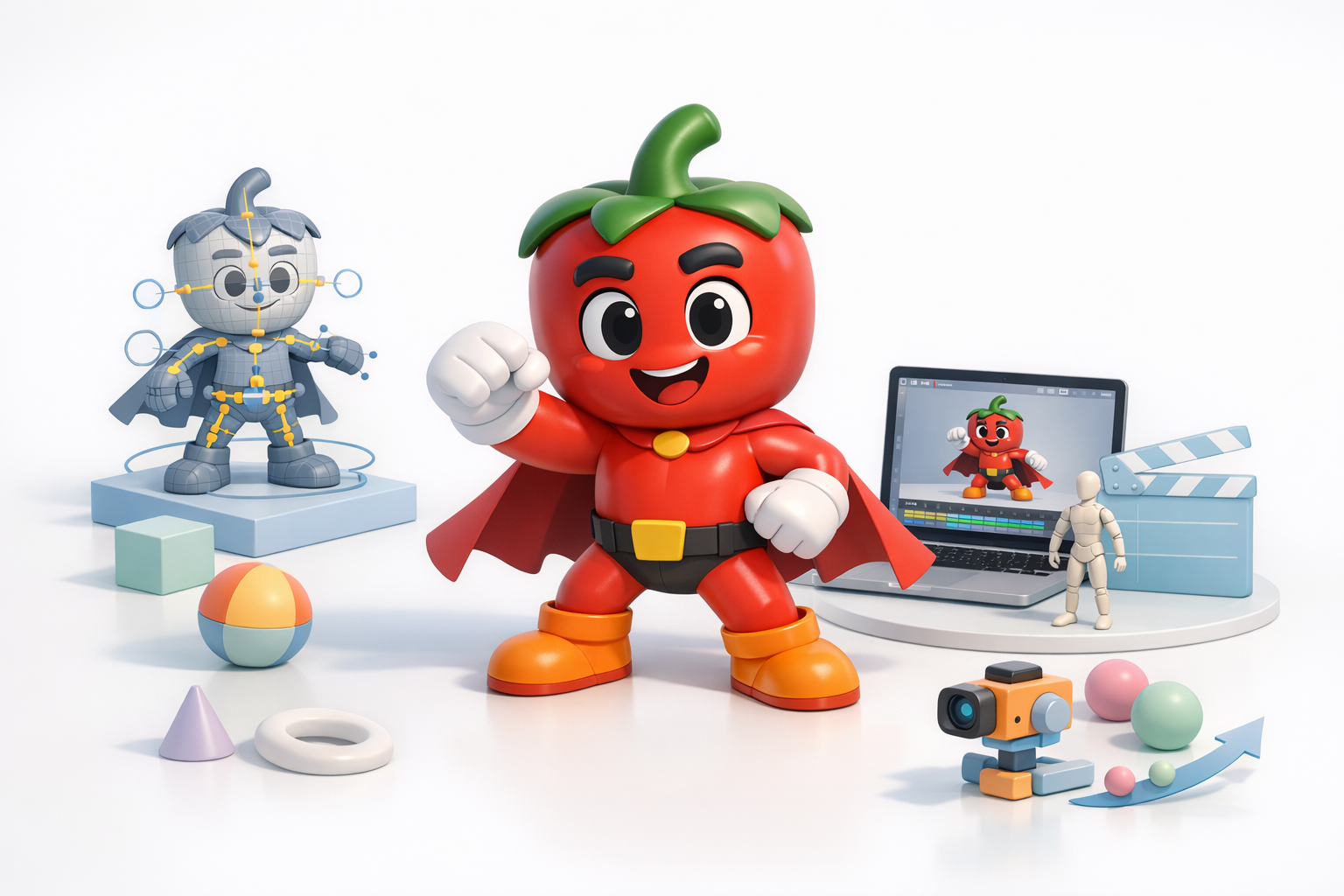
Rigging is simplified by clean segmentation and consistent topology. I use automated rigging tools for basic skeletons, then manually adjust weights for expressive movement. For Super Taruco, exaggerated poses and playful animations are a must.
Steps:
- Apply auto-rig for base skeleton
- Adjust bone placement for stylized proportions
- Refine skin weights for smooth deformation
Animating for games, film, and XR
Animation requirements differ by platform. For games, I focus on loopable actions; for film/XR, expressive gestures are key. Tripo’s built-in animation tools help generate basic cycles, which I customize for each use case.
Tips:
- Export sample animations for testing
- Optimize keyframes for target platform
- Preview in context before final export
Exporting, Integrating, and Sharing Your 3D Model
Export settings and compatibility tips
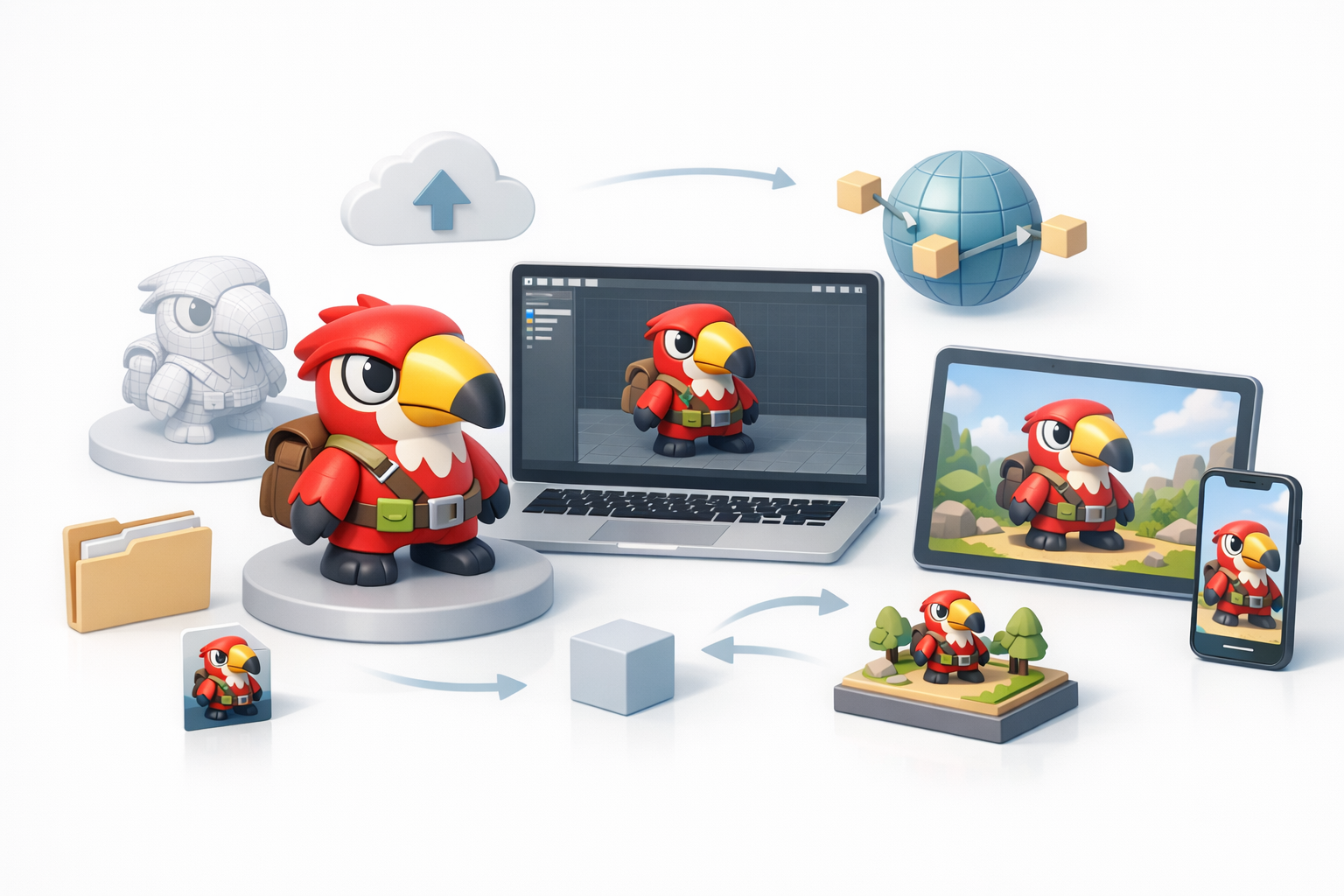
Exporting is often overlooked but critical. I choose formats compatible with downstream tools (FBX, OBJ, GLTF), and always check scale and axis orientation. Tripo’s export options cover most workflows, but I validate outputs in the target engine.
Checklist:
- Select correct export format (FBX, OBJ, GLTF)
- Verify scale and axis settings
- Test import in game/design engine
Integrating with game engines and design platforms
Integration can reveal hidden issues—missing textures, rigging errors, or scale mismatches. I run test imports early and use platform-specific plugins or scripts to streamline the process.
Tips:
- Test in Unity/Unreal or your preferred engine
- Check for material and animation compatibility
- Document integration steps for future use
Lessons Learned: My Personal Workflow and Recommendations
Common challenges and how I solve them
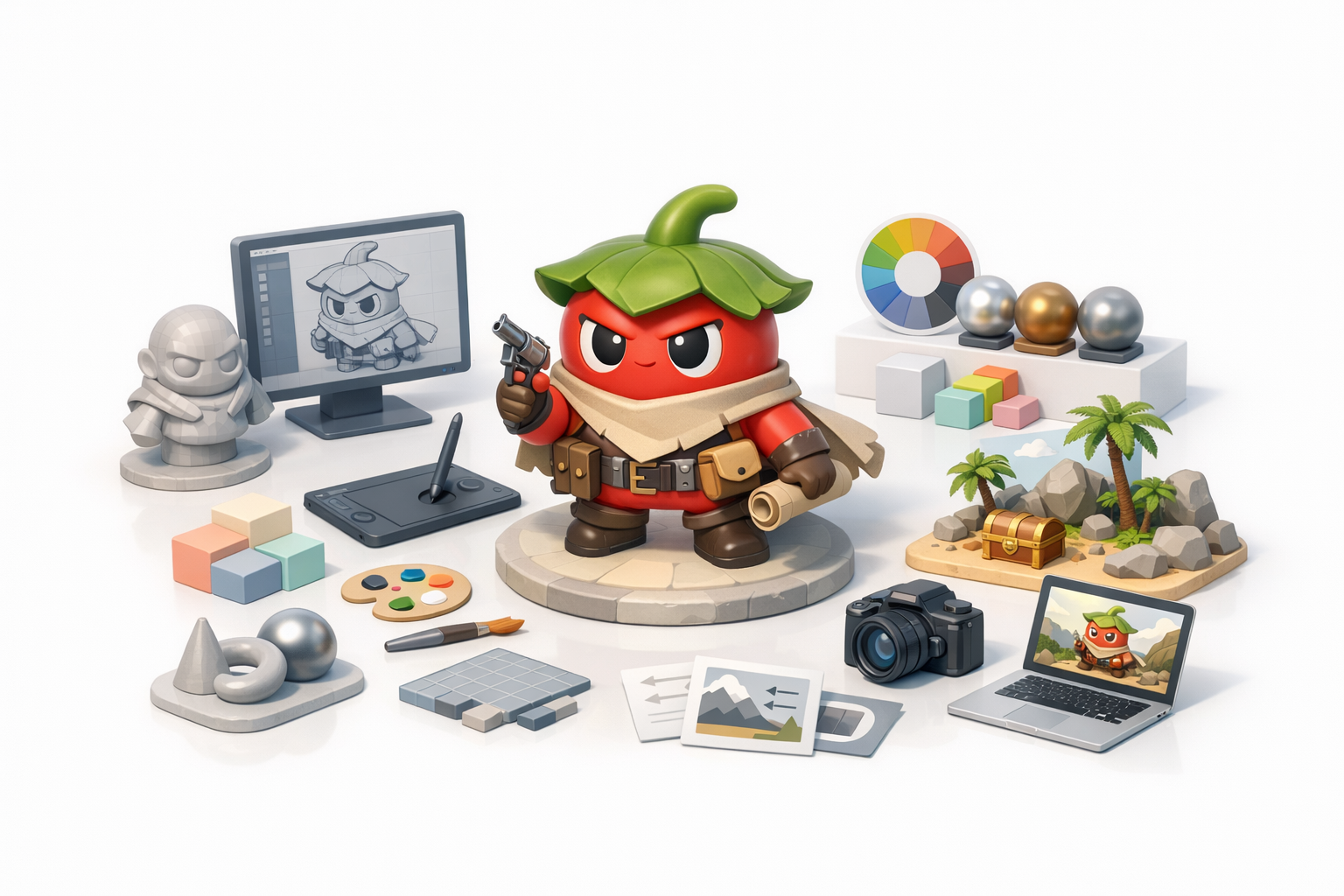
Some recurring challenges include mismatched topology, texture stretching, and rigging errors. I solve these by building checkpoints into my workflow: reviewing geometry, testing textures, and previewing animations before export.
Pitfalls & fixes:
- Overlapping geometry: fix in segmentation stage
- Texture artifacts: re-unwrap UVs, check resolution
- Rigging issues: adjust bone placement, reweight skin
Tips for achieving production-ready results
Production-ready means clean geometry, optimized textures, and tested animations. I always allocate time for final QA—checking poly counts, texture resolution, and animation loops.
Tips:
- Build in review stages at each step
- Use QA checklists before export
- Solicit feedback from peers or clients
Comparing AI-Powered and Traditional 3D Creation Methods
Speed, quality, and creative control
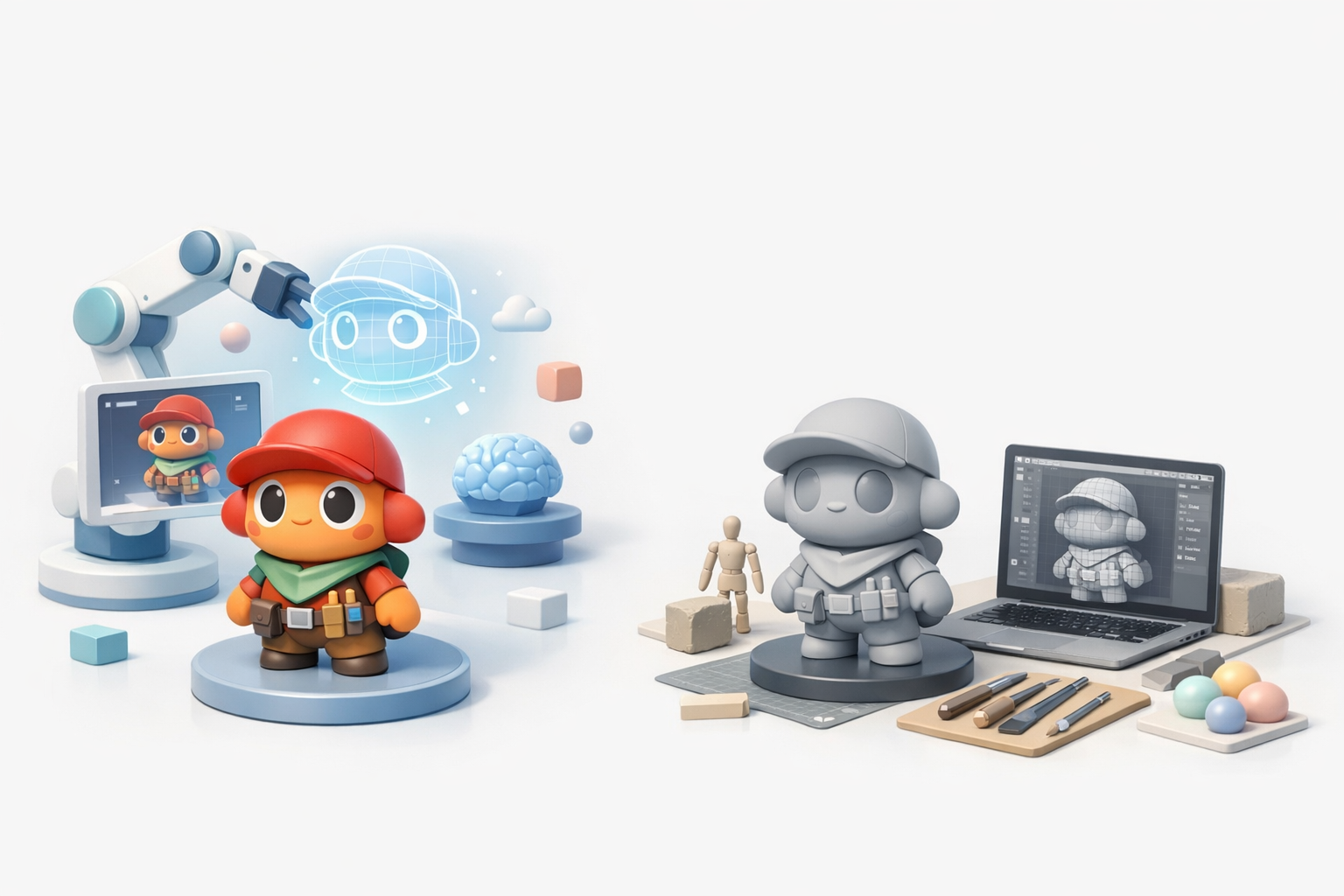
AI-powered tools like Tripo deliver speed and consistency, ideal for prototyping and iterative workflows. Traditional methods offer full creative control but require more time and expertise. In my projects, I blend both approaches—using AI for base creation, then manual edits for uniqueness.
Comparison:
- AI: Fast, consistent, good for base meshes
- Manual: Flexible, detailed, needed for custom features
Choosing the right approach for your project
The right approach depends on project scope, deadlines, and quality needs. For rapid prototyping or tight timelines, AI tools are invaluable. For high-end production or unique designs, manual modeling remains essential.
Checklist:
- Assess project timeline and complexity
- Choose tools based on speed vs control needs
- Blend AI and manual workflows for best results
Slug suggestion: super-taruco-3d-model-workflow-tips
Meta description: Discover expert workflows, best practices, and key tips for creating a Super Taruco 3D model, from concept to production-ready results using advanced tools.
