Stratasys × Tripo: From AI-Generated 3D Models to Print-Ready Physical Prototypes
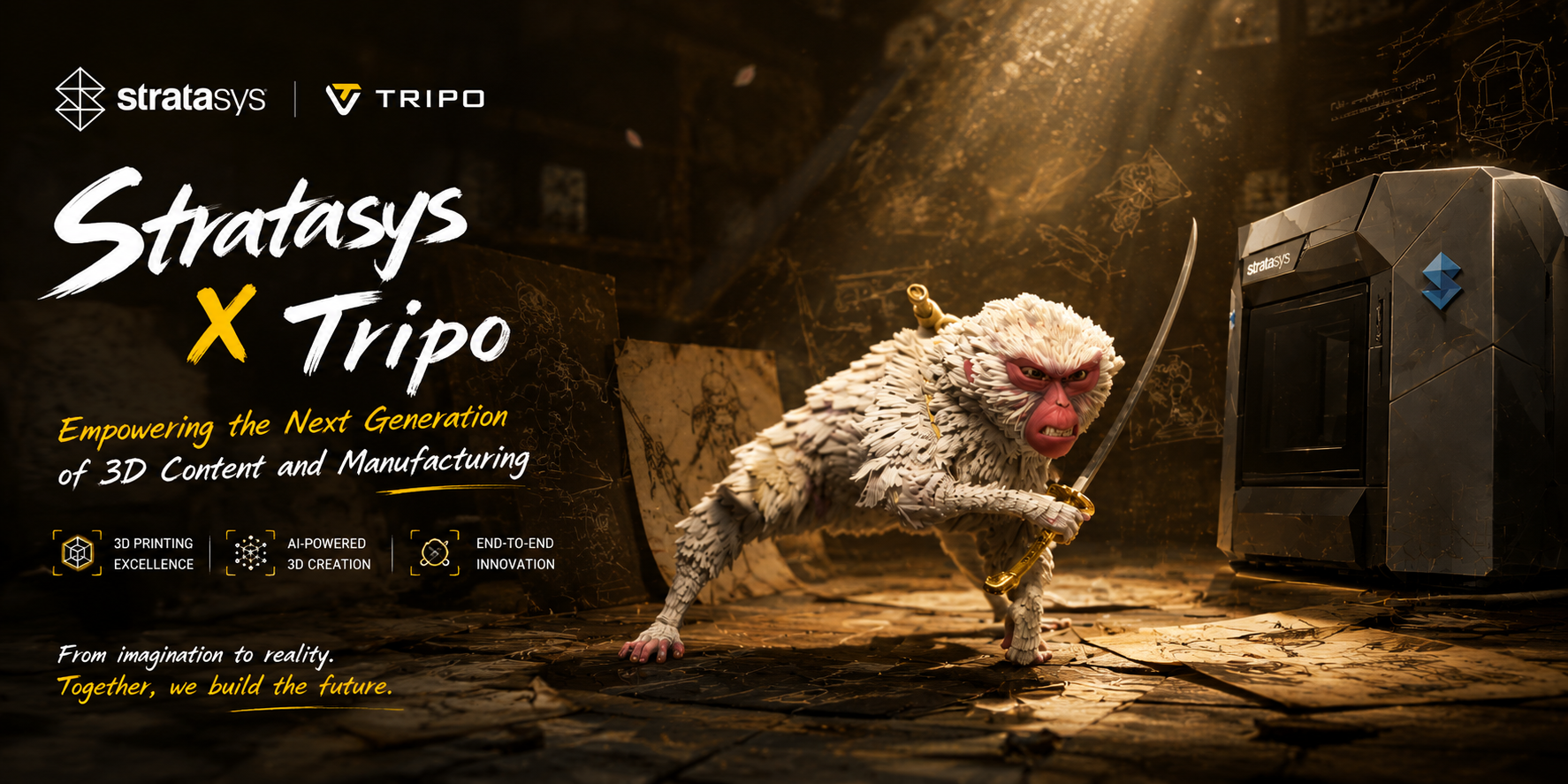
Say Goodbye to Slow Prototyping Cycles
In modern product design and engineering workflows, speed has become a critical factor in decision-making.
However, one persistent issue remains: moving from early design ideas → usable 3D models → physical prototypes still takes too long.
Traditionally, teams must:
- manually build 3D models in CAD or modeling software
- iterate multiple times before reaching a printable version
- wait for prototyping cycles to validate ideas
This creates a bottleneck in product development, especially in early-stage design where iteration speed matters most.
The result is slower validation cycles, higher development costs, and limited exploration of design alternatives.
What if this entire process could be shortened into a fast digital-to-physical loop?
Today, we explore how combining Tripo AI and Stratasys enables a streamlined workflow where AI generates 3D models and industrial printing transforms them into real-world prototypes.
This creates a continuous pipeline from idea generation to physical validation, significantly reducing time spent in manual modeling and iteration.
Product Overview: AI Generation Meets Industrial Manufacturing
- Tripo: The AI 3D Generation Engine
Tripo AI acts as the digital creation layer of the workflow.
It allows users to generate 3D models directly from:
- images
- text prompts
- sketches or conceptual references
Instead of spending hours or days building geometry manually, users can generate structured 3D assets within minutes.
In this workflow, Tripo is responsible for:
turning concepts into structured, editable 3D geometry within minutes
It replaces the traditional "manual modeling phase" with an AI-assisted generation system, allowing creators to focus more on design direction rather than technical execution.
Another key advantage is iteration speed. Multiple design variations can be generated quickly, enabling early-stage exploration before committing to a final direction.
- Stratasys: The Physical Production Layer
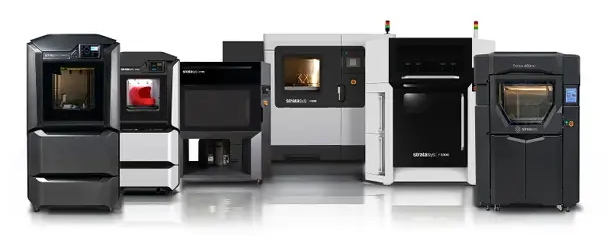
Stratasys provides the manufacturing and validation layer that connects digital models to physical reality.
It enables:
- high-precision 3D printing
- multi-material prototyping
- full-color physical model reproduction
- high-fidelity surface detailing
In this workflow, Stratasys is responsible for transforming validated digital models into real-world physical objects that can be tested, reviewed, and evaluated.
This step is critical because it allows teams to move beyond screen-based visualization and evaluate designs in physical form---something that often reveals insights not visible in digital environments.
Step-by-Step Workflow: From Idea to Physical Prototype
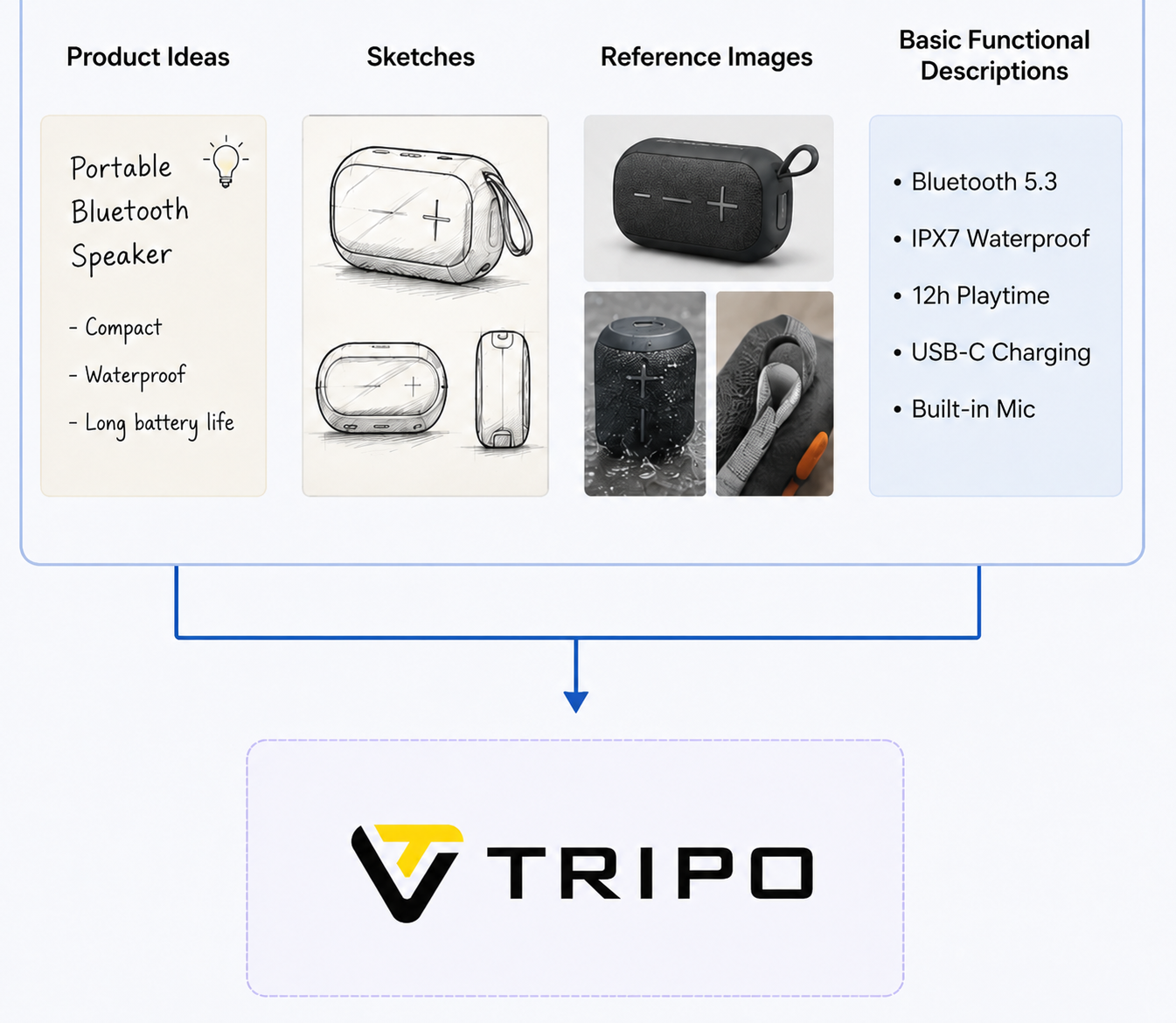
- Define Your Design Input
The workflow begins with a clear but lightweight design input.
This can include:
- product ideas
- sketches
- reference images
- basic functional descriptions
At this stage, precision modeling is not required. The goal is to define design intent, not final geometry.
This helps accelerate early-stage ideation without technical constraints.
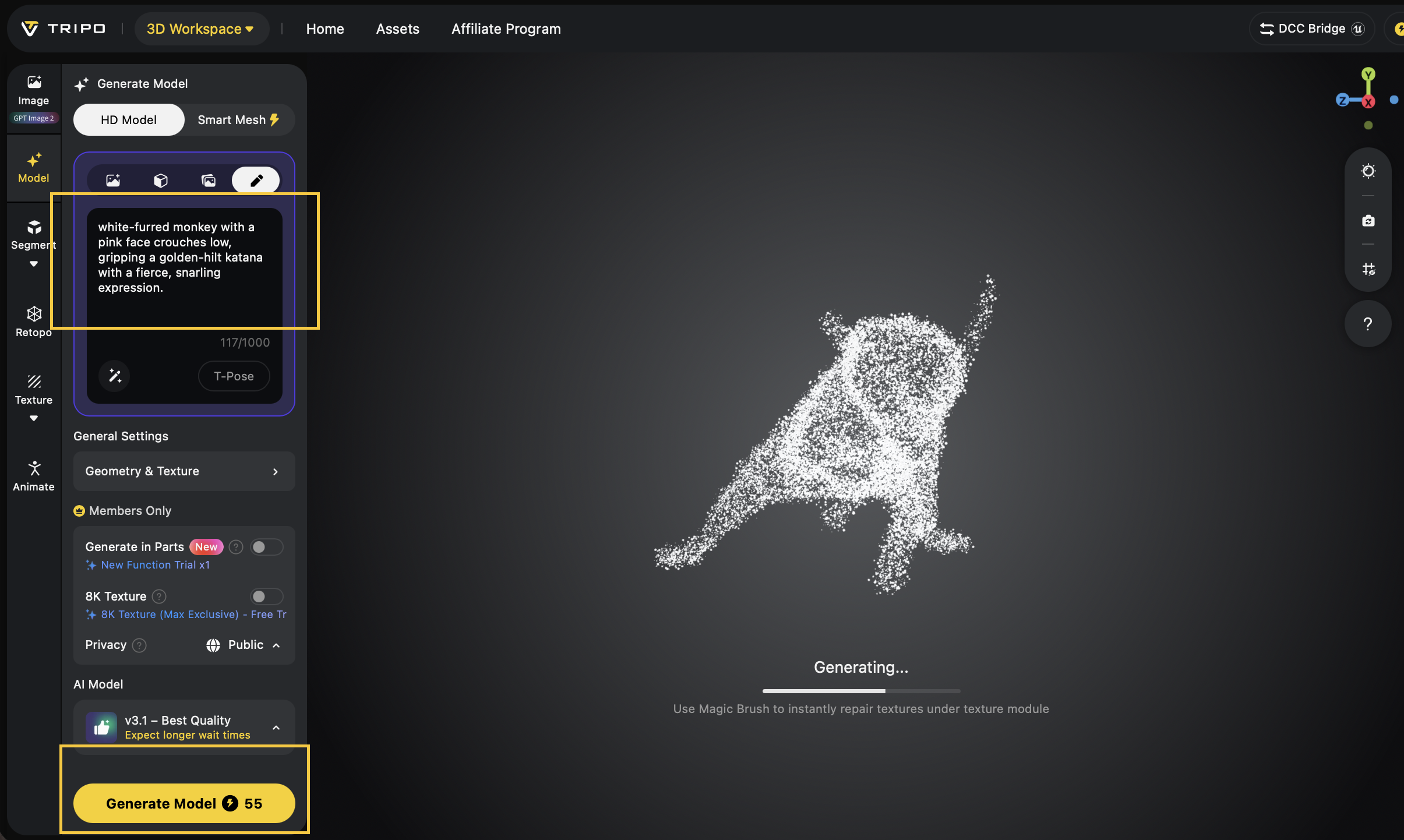
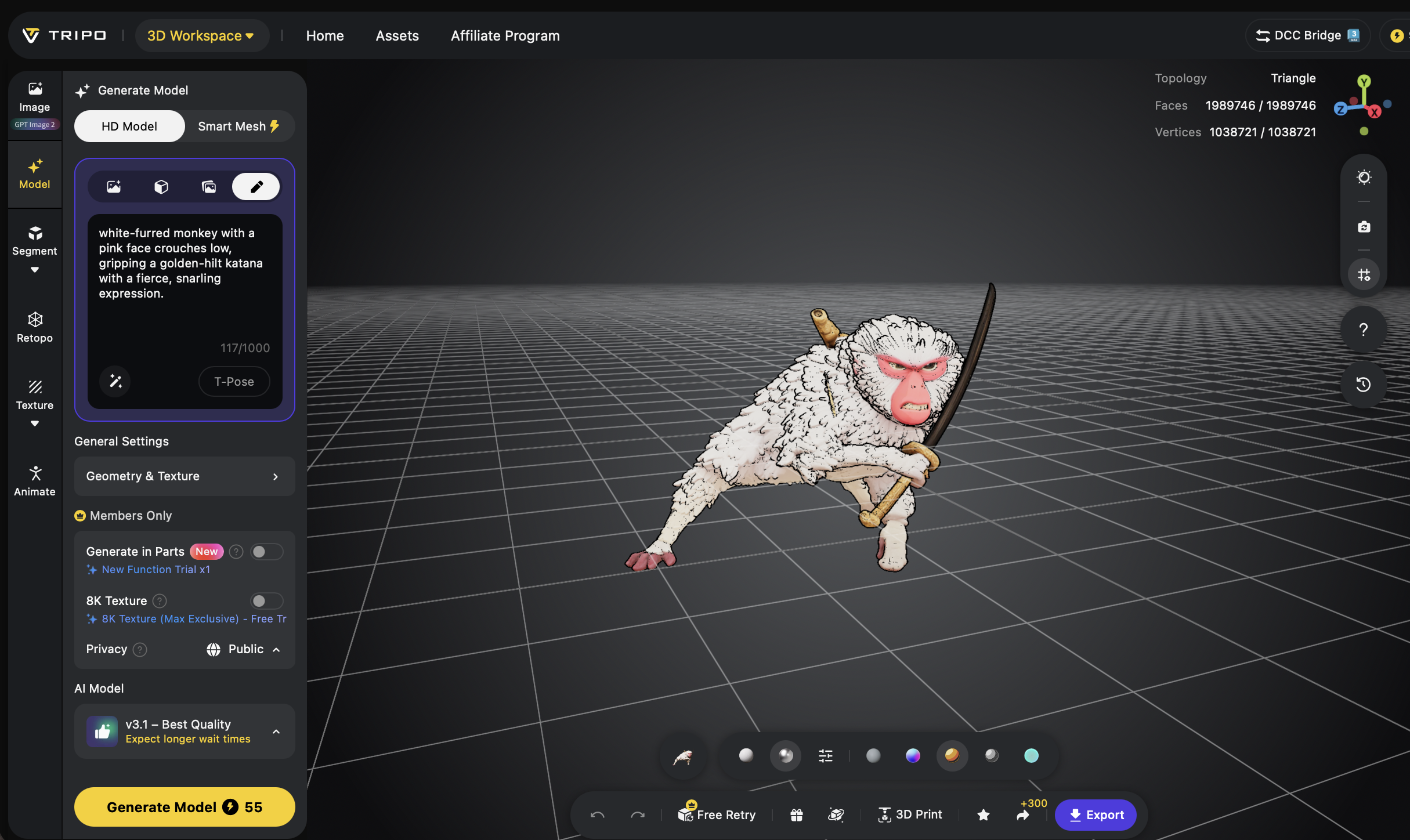
- Generate 3D Models in Tripo
Next, the input is uploaded into Tripo AI.
The system generates initial 3D models that can be used for exploration and iteration.
Users can:
- convert images into 3D objects
- generate multiple design variations
- explore different structural interpretations
This stage is especially valuable because it enables rapid comparison of different design directions without manual modeling overhead.
Instead of one fixed output, teams can explore multiple possibilities in parallel.
- Select and Refine the Model
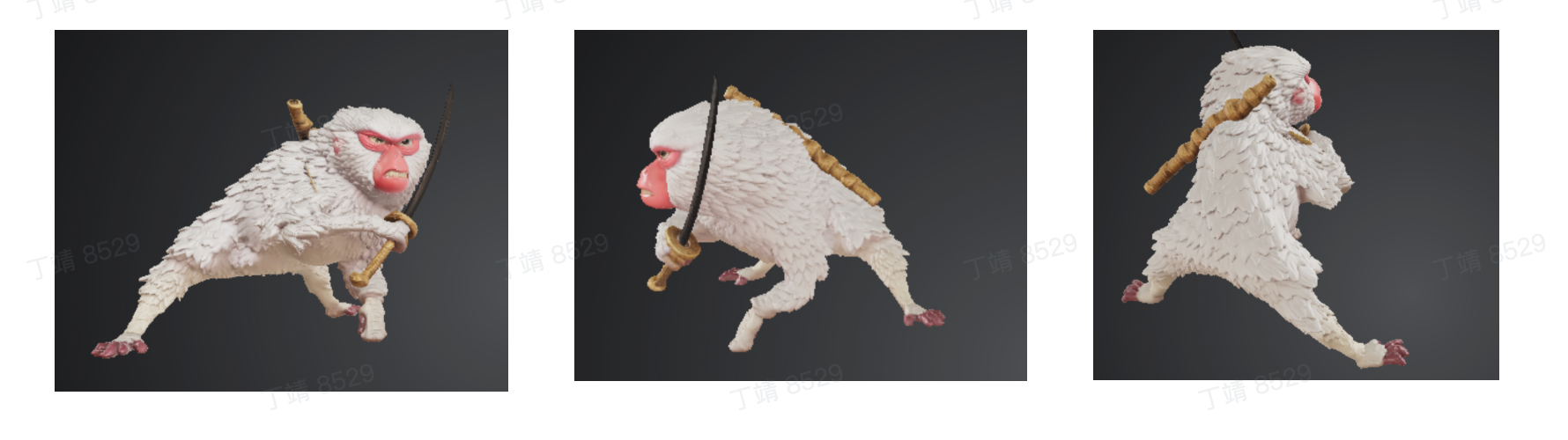
Once models are generated, the most suitable version is selected for refinement.
Typical refinement steps include:
- adjusting geometry and proportions
- improving structural clarity
- simplifying or enhancing detail levels
- optimizing for downstream manufacturing
This transforms AI-generated output into a prototype-ready digital asset.
At this stage, the model begins transitioning from conceptual design to functional representation.
- Print Using Stratasys Systems
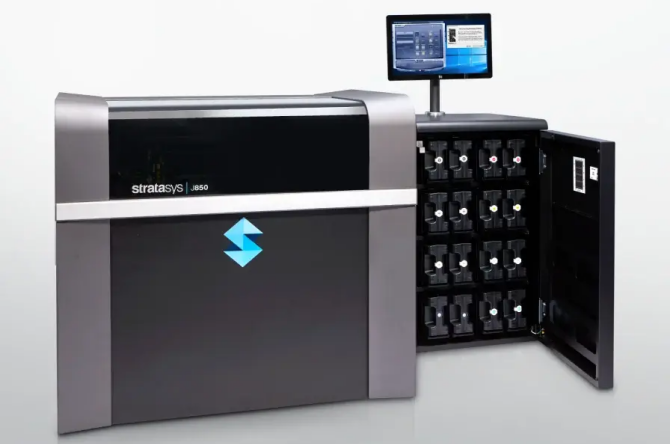
The prepared model is then imported into Stratasys systems for physical production.
Using advanced additive manufacturing technologies, Stratasys can:
- produce full-color prototypes
- simulate multiple materials within a single model
- reproduce fine surface textures and details
- generate high-fidelity physical representations of digital assets
This step transforms digital models into tangible objects that closely reflect final product appearance and structure.
Unlike traditional prototyping methods, this approach enables both visual and functional validation in a single output.

Key Benefits of This Workflow
- Faster Prototyping Cycles
Reduces time from concept to physical validation.
- Increased Iteration Speed
Multiple design directions can be generated and tested quickly.
- Lower Barrier to Entry
Reduces reliance on manual 3D modeling expertise.
- Improved Design Communication
Physical models help align cross-functional teams.
- Earlier Validation
Design issues can be identified earlier in the development cycle.
Use Cases
This workflow is widely applicable across multiple industries:
- Product prototyping and validation
- Industrial design iteration
- Startup hardware development
- Educational engineering models
- Concept visualization for stakeholders
It is especially valuable in early-stage development where speed and iteration are critical.
Best Practices for Better Results
To achieve optimal results across the workflow:
- use clean, high-quality input images
- avoid cluttered or occluded references
- keep early designs structurally simple
- validate scale before printing
- treat AI output as a starting point, not final output
- iterate between digital and physical stages frequently
Following these principles helps ensure consistency between AI-generated models and final printed prototypes.
Conclusion: A Faster Digital-to-Physical Workflow
The integration of Tripo AI and Stratasys introduces a more efficient and scalable approach to product development.
Instead of treating modeling and manufacturing as separate and sequential steps, this workflow connects them into a continuous loop:
Concept → AI Generation → Refinement → Physical Prototype → Iteration
This significantly shortens development cycles, improves iteration speed, and enables more informed design decisions.
As AI-driven modeling and industrial additive manufacturing continue to evolve, this combined workflow represents a practical foundation for the next generation of product design and rapid prototyping systems.
