Creating Theme Park Tycoon 2 3D Models: Expert Workflow & Tips
As a 3D artist with hands-on experience in game asset creation, I know that producing models for Theme Park Tycoon 2 demands a blend of creativity, technical precision, and efficient workflows. In this article, I’ll break down my proven process for designing and optimizing assets specifically for this game, including practical tips for leveraging AI-powered tools like Tripo to streamline production. Whether you’re a solo creator or part of a team, my approach can help you generate production-ready models faster, avoid common pitfalls, and ensure your assets perform well in-game.
Key takeaways:
- Understand Theme Park Tycoon 2’s model constraints to avoid rework.
- Optimize assets for performance and compatibility from the start.
- Use AI tools like Tripo for rapid prototyping and segmentation.
- Maintain efficient topology and clean texturing for game-ready results.
- Test and troubleshoot assets in-game before finalizing.
Understanding Theme Park Tycoon 2 3D Model Requirements
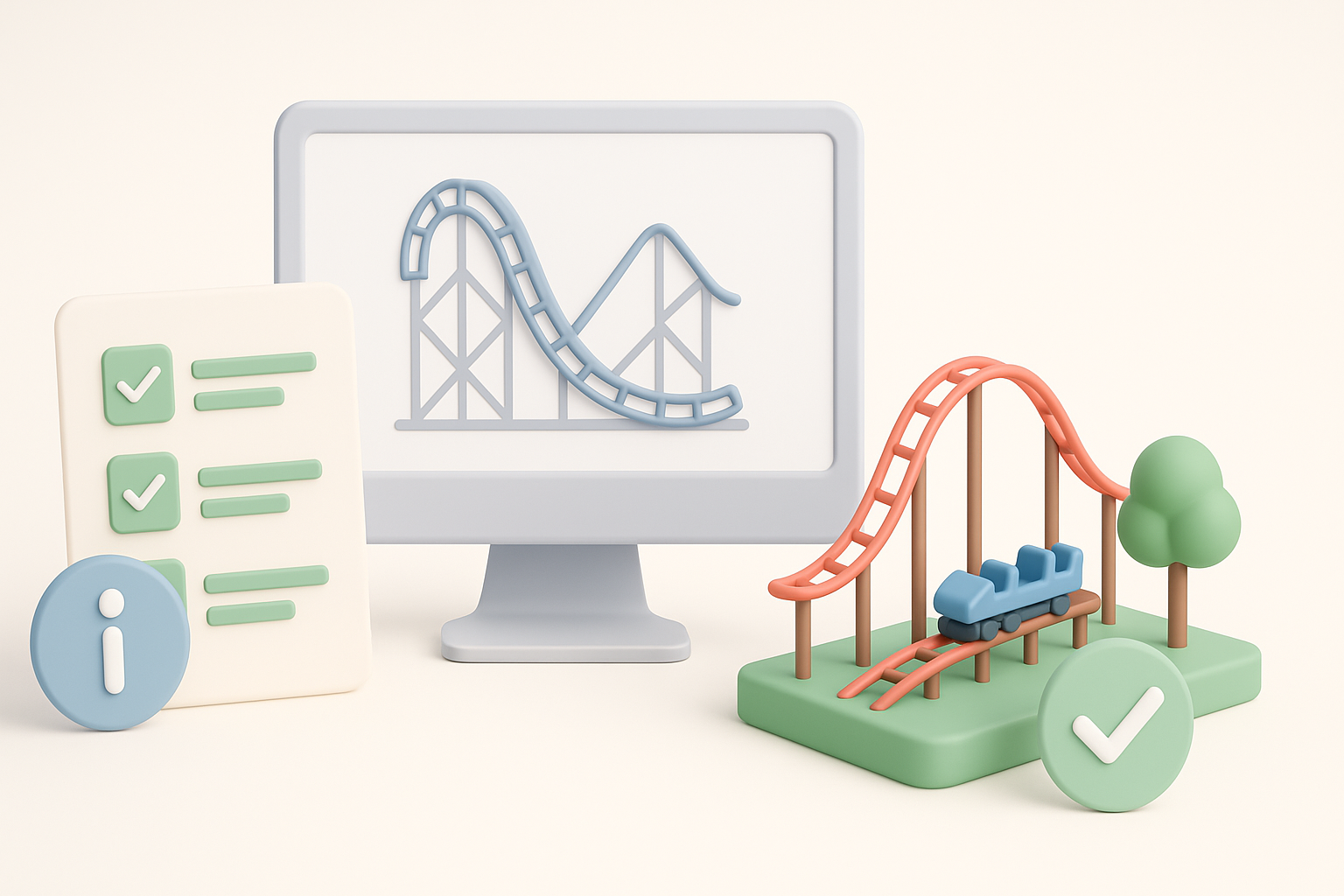
Game-specific model constraints
From my experience, Theme Park Tycoon 2 has distinct requirements that shape asset design:
- Polycount: Models need to be low-poly for smooth gameplay, especially since parks can contain hundreds of objects.
- Scale and proportions: Consistency is crucial; I always check reference sizes and test models in-game.
- Collision: Assets must have accurate collision meshes for player interaction.
Pitfall: Overly complex meshes can cause performance drops and visual glitches. I stick to simple geometry and avoid unnecessary details.
Optimizing for performance and compatibility
Performance optimization is non-negotiable. Here’s what I focus on:
- Efficient UV mapping: Minimizes texture memory usage.
- Texture resolution: I rarely go above 512x512 unless absolutely needed.
- Format compatibility: Exporting in formats like .FBX or .OBJ ensures seamless import.
Checklist:
- Keep polycount under game’s recommended limits.
- Use optimized textures and materials.
- Test asset scale and collision in a sandbox environment.
My Workflow for Designing Theme Park Tycoon 2 Assets
Concepting and reference gathering
I always start with clear references—screenshots from the game, real-world theme parks, or concept sketches. This keeps my designs grounded and ensures they fit the game’s aesthetic.
- Gather images and sketches.
- Define asset purpose and interaction points.
- Sketch rough concepts before modeling.
Tip: Reference existing in-game assets to match style and scale.
Choosing the right tools for modeling
For modeling, I use a combination of traditional 3D software and AI-powered platforms like Tripo, depending on complexity and speed requirements.
- Tripo AI: Great for rapid prototyping and generating base meshes from text or sketches.
- Traditional tools: Useful for fine-tuning, manual retopology, and custom details.
Pitfall: Relying solely on automated tools can lead to generic results; I always refine AI-generated models manually.
Best Practices for 3D Modeling in Theme Park Tycoon 2
Efficient topology and segmentation
Clean topology is essential for both performance and animation.
- Use quads and avoid unnecessary edge loops.
- Segment models logically (e.g., separate ride parts, seats, props).
- Leverage Tripo’s segmentation features for faster workflow.
Tip: Regularly check mesh density and remove redundant faces.
Texturing and material setup
I focus on simple, stylized textures that match the game’s look.
- Bake ambient occlusion for subtle shading.
- Use game-appropriate shaders and materials.
- Keep textures lightweight; avoid large maps.
Checklist:
- UV unwrap with minimal seams.
- Test textures in-game for color accuracy.
- Adjust materials for optimal performance.
Streamlining Production with AI-Powered Tools
Leveraging AI for rapid prototyping
AI tools like Tripo have transformed my workflow by enabling quick iteration:
- Generate base meshes from text prompts or sketches.
- Use intelligent segmentation for complex assets.
- Apply automated retopology and texturing.
Steps:
- Input concept (text/image) into Tripo.
- Review generated mesh and segment as needed.
- Refine topology and UVs before export.
Integrating AI-generated models into the game
After generating models, I always:
- Manually inspect and adjust geometry.
- Optimize textures and materials.
- Export in compatible formats for Theme Park Tycoon 2.
Pitfall: AI-generated assets may require manual tweaks to fit game constraints; don’t skip this step.
Comparing Traditional and AI-Driven 3D Workflows
Hands-on experience with manual vs. automated methods
Manual modeling offers full control but is time-consuming. AI-driven workflows (like with Tripo) speed up prototyping and segmentation, but I’ve found they still benefit from manual refinement for game-specific requirements.
- Manual: Best for custom, detailed assets.
- AI-driven: Ideal for rapid prototyping and bulk asset generation.
Tip: Combine both methods for optimal results.
Key takeaways for creators
- AI tools accelerate production but don’t replace artistic judgment.
- Manual refinement is essential for game compatibility.
- Hybrid workflows maximize efficiency and quality.
Checklist:
- Use AI for initial mesh, manual tools for polish.
- Always check performance and visual consistency.
Exporting and Implementing Models in Theme Park Tycoon 2
Export settings and formats
I typically export assets in .FBX or .OBJ, ensuring:
- Correct scale and orientation.
- Optimized mesh and UVs.
- Compatible texture formats (PNG, JPEG).
Tip: Use Tripo’s export presets for game-ready assets.
Testing and troubleshooting in-game
Before finalizing, I always:
- Import assets into Theme Park Tycoon 2’s sandbox.
- Check for visual issues, collision accuracy, and performance.
- Iterate as needed based on in-game feedback.
Pitfall: Skipping testing can lead to broken assets or performance issues.
By following this workflow and leveraging both manual and AI-powered tools, I consistently deliver optimized, production-ready 3D models for Theme Park Tycoon 2. The right balance of creativity, technical know-how, and tool selection is key to efficient asset creation and a seamless in-game experience.


