Tekken 8 3D Model Creation: Expert Workflows and Insights
скачать 3d модели для chicken gun
Creating Tekken 8-inspired 3D models demands a blend of artistic vision and technical expertise. In my experience, success hinges on understanding the franchise’s visual style, using the right tools (including AI-powered platforms), and following a disciplined workflow from concept to export. This article distills my hands-on process for building game-ready assets—covering everything from reference gathering to optimization, with a focus on practical steps and real-world tips. If you’re a game artist, XR developer, or anyone looking to streamline 3D production for fighting games, these insights should help you level up your pipeline.
Key takeaways
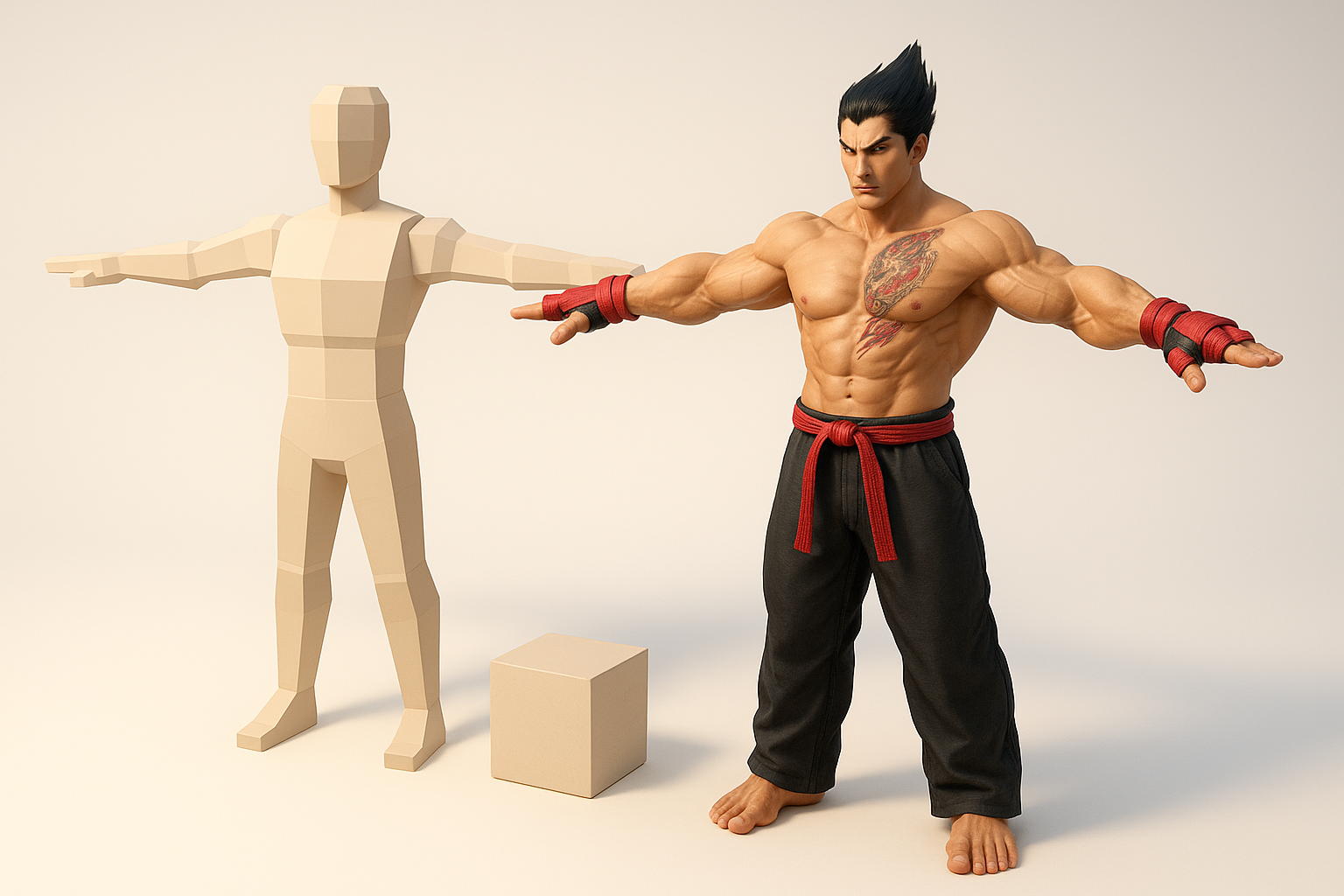
- Reference and planning are critical for capturing Tekken 8’s distinctive style.
- AI-powered tools can accelerate modeling and texturing, but manual control is still essential for polish.
- Efficient retopology and optimization are non-negotiable for game and XR performance.
- Export settings matter—tailor them to your target engine and platform.
- Iterative feedback and troubleshooting are part of every successful workflow.
Understanding Tekken 8 3D Models
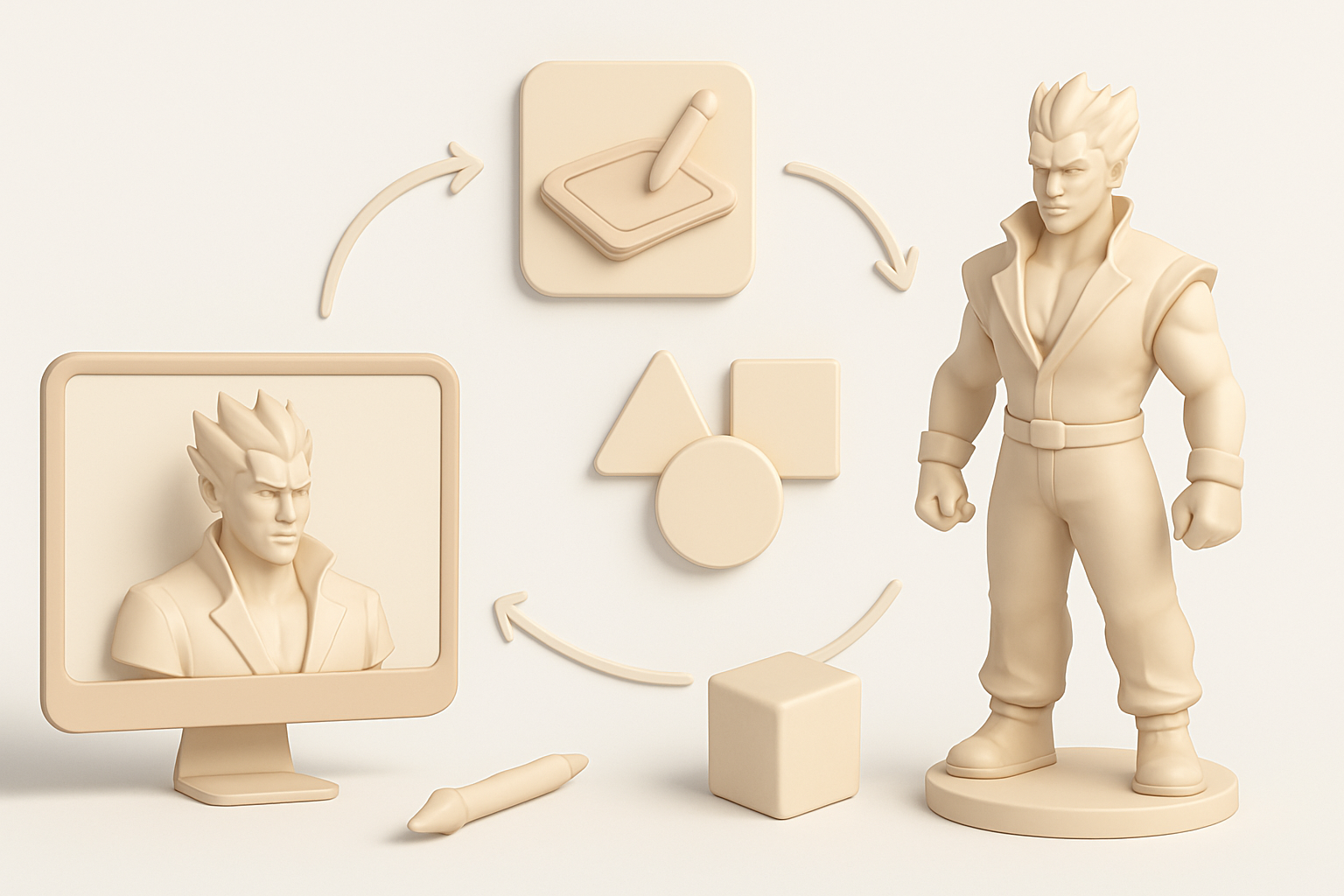
Key Features and Visual Style
Tekken 8’s 3D models are characterized by realistic proportions, dynamic silhouettes, and highly detailed textures. I’ve observed that materials—especially skin, fabric, and metallic elements—are rendered with physically-based shading, giving characters a lifelike presence. Costumes often blend traditional martial arts attire with modern and fantasy elements, so attention to detail is key.
What I focus on:
- Clean, readable shapes even in complex costumes
- Expressive facial features and anatomically correct bodies
- Layered materials for realism (e.g., leather vs. metal vs. cloth)
Common Use Cases in Games and XR
Tekken 8-style models aren’t just for fighting games; I’ve used similar assets in VR experiences, cinematic cutscenes, and interactive XR demos. The high fidelity makes them suitable for close-up shots, but optimization is crucial for real-time applications.
Typical applications:
- Playable characters in fighting or action games
- NPCs in VR training or simulation
- Marketing assets for trailers and promotional renders
My Workflow for Creating Tekken 8-Inspired 3D Models
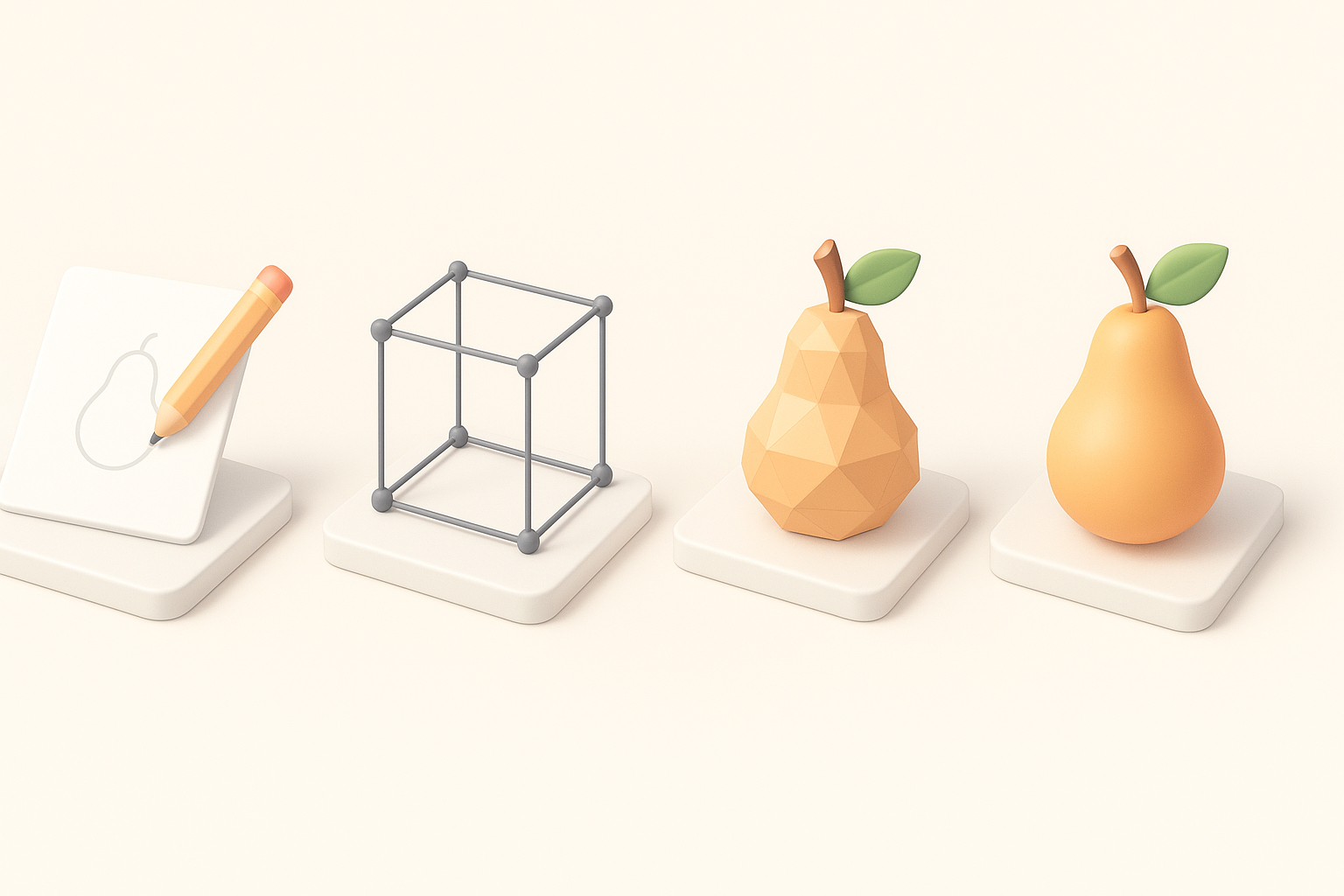
Concept Development and Reference Gathering
Every project starts with a clear vision. I gather references from official Tekken art, in-game screenshots, and real-world martial arts gear. Moodboards help me lock down color palettes, materials, and pose ideas.
Checklist:
- Compile 10–20 high-quality references per character
- Sketch thumbnails to explore silhouettes and stances
- Note unique costume elements and accessories
Choosing the Right Tools and Platforms
Selecting the right software stack is critical. I often combine traditional DCC apps (for sculpting and retopology) with AI-powered tools like Tripo for rapid prototyping or texturing. This hybrid approach lets me iterate quickly while retaining manual control where it matters.
My tool selection:
- Sculpting and modeling: Blender, ZBrush
- AI-assisted modeling/texturing: Tripo
- Retopology and UVs: Blender or dedicated plugins
- Animation: Maya or Blender
- Texturing: Substance Painter, Tripo, or similar
Step-by-Step 3D Model Creation Process

Modeling Techniques and Best Practices
I start with a blockout to establish proportions and pose. For Tekken 8-inspired characters, I prioritize edge flow around joints and facial features, since these areas deform the most. Once satisfied, I refine the mesh, adding details like muscle definition and costume layers.
Best practices:
- Use symmetry for efficiency, but break it for realism
- Separate mesh components for modularity (e.g., gloves, belts)
- Keep polycount manageable for real-time use
Pitfall: Over-modeling early—always finalize proportions before adding details.
Texturing, Rigging, and Animation Tips
For texturing, I rely on physically-based workflows. Tripo’s AI texturing can generate solid base maps, which I then refine in Substance Painter. Rigging Tekken-like characters means paying attention to joint placement and skin weights, especially for dynamic poses.
My process:
- Bake normal and AO maps from high-res sculpts
- Layer hand-painted and AI-generated textures
- Test deformations with extreme poses before animating
Tip: Always preview your model in the target engine to catch shading or rigging issues early.
Optimizing and Exporting for Production
Retopology and Asset Optimization
Clean topology is essential for animation and efficient rendering. I use automated retopology tools when speed is needed, but always review and tweak edge loops by hand for key deformation zones. For XR, I aggressively optimize polycount and texture resolution.
Optimization steps:
- Retopologize after sculpting; target 15–30k tris for main characters
- Bake detail into normal/texture maps
- Use LODs (levels of detail) for performance scaling
Export Settings for Games and XR
Exporting requires attention to formats and settings. I usually export FBX for game engines, ensuring proper axis orientation and scale. For XR, I test assets on target devices to check performance.
Export checklist:
- Apply transforms and freeze scale
- Embed or link textures as required
- Verify material/shader compatibility with the engine
Comparing AI-Powered and Traditional 3D Workflows

When to Use AI Tools Like Tripo
AI tools shine when I need quick iterations—generating base meshes, auto-texturing, or segmenting complex references. For concepting or bulk asset production, Tripo can save hours. However, for hero assets or nuanced characters, I still rely on manual sculpting and painting.
When I use AI:
- Rapid prototyping
- Generating texture variations
- Segmenting reference images
Balancing Automation and Manual Control
The best results come from blending automation with hand-crafted detail. AI tools get me 70–80% there, but I always polish topology, fix seams, and tweak textures manually. This ensures the final asset meets both technical and artistic standards.
My approach:
- Let AI handle repetitive or time-consuming steps
- Reserve final passes for manual refinement
- Always review AI output for artifacts or inaccuracies
Lessons Learned and Expert Tips
Common Challenges and How I Overcome Them
The biggest hurdles I face are reference drift (losing sight of the original style), topology issues, and unexpected shading artifacts. Regularly cross-checking with references and engine previews helps catch problems early.
How I troubleshoot:
- Frequent A/B comparisons with reference art
- Test rigs and shaders in the target engine
- Break down complex costumes into modular parts
Advice for Artists and Developers
- Iterate quickly, but don’t skip fundamentals: Block out, test, and refine before diving into details.
- Embrace AI for speed, but don’t rely on it for everything: Manual polish is still king for high-quality assets.
- Optimize early: Don’t wait until the end to think about polycount or texture size.
- Stay organized: Name your files and layers clearly—future you will thank you.
By integrating both modern AI workflows and traditional techniques, I consistently deliver Tekken 8-style models that are visually striking and technically robust—ready for games, XR, or cinematic projects.


