Creating and Optimizing GC8F 3D Models: Expert Workflow
As someone who’s worked extensively with 3D modeling pipelines, I know how crucial it is to streamline every step—from concept to final export—especially with specialized assets like the GC8F model. In this article, I’ll walk through my hands-on workflow for creating GC8F 3D models, highlighting practical strategies for segmentation, retopology, texturing, rigging, and animation. I’ll compare AI-driven approaches with traditional methods, and share integration tips to ensure your models are production-ready and compatible with modern pipelines. This guide is for 3D artists, technical directors, and developers looking to optimize their workflow for GC8F or similar assets.
Key takeaways
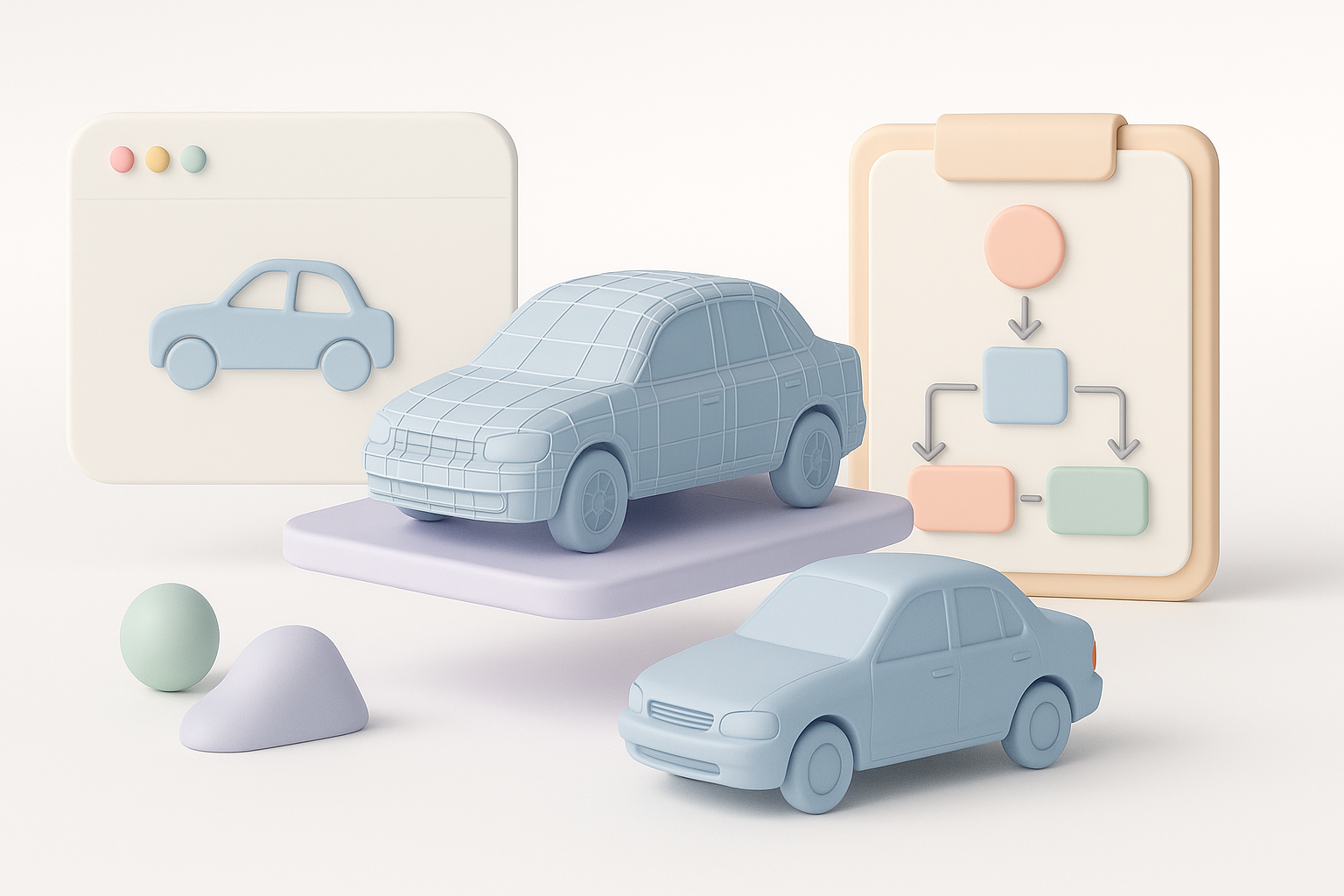
- GC8F 3D models are widely used in gaming, design, and XR—accuracy and efficiency matter.
- AI-powered tools like Tripo can dramatically speed up segmentation, retopology, and texturing.
- Intelligent segmentation and clean topology are critical for animation and real-time use.
- Rigging and animation require careful planning to avoid common pitfalls.
- Export and integration steps can make or break project compatibility—attention to detail is key.
Understanding the GC8F Model and Its Applications
What is the GC8F and why model it in 3D?
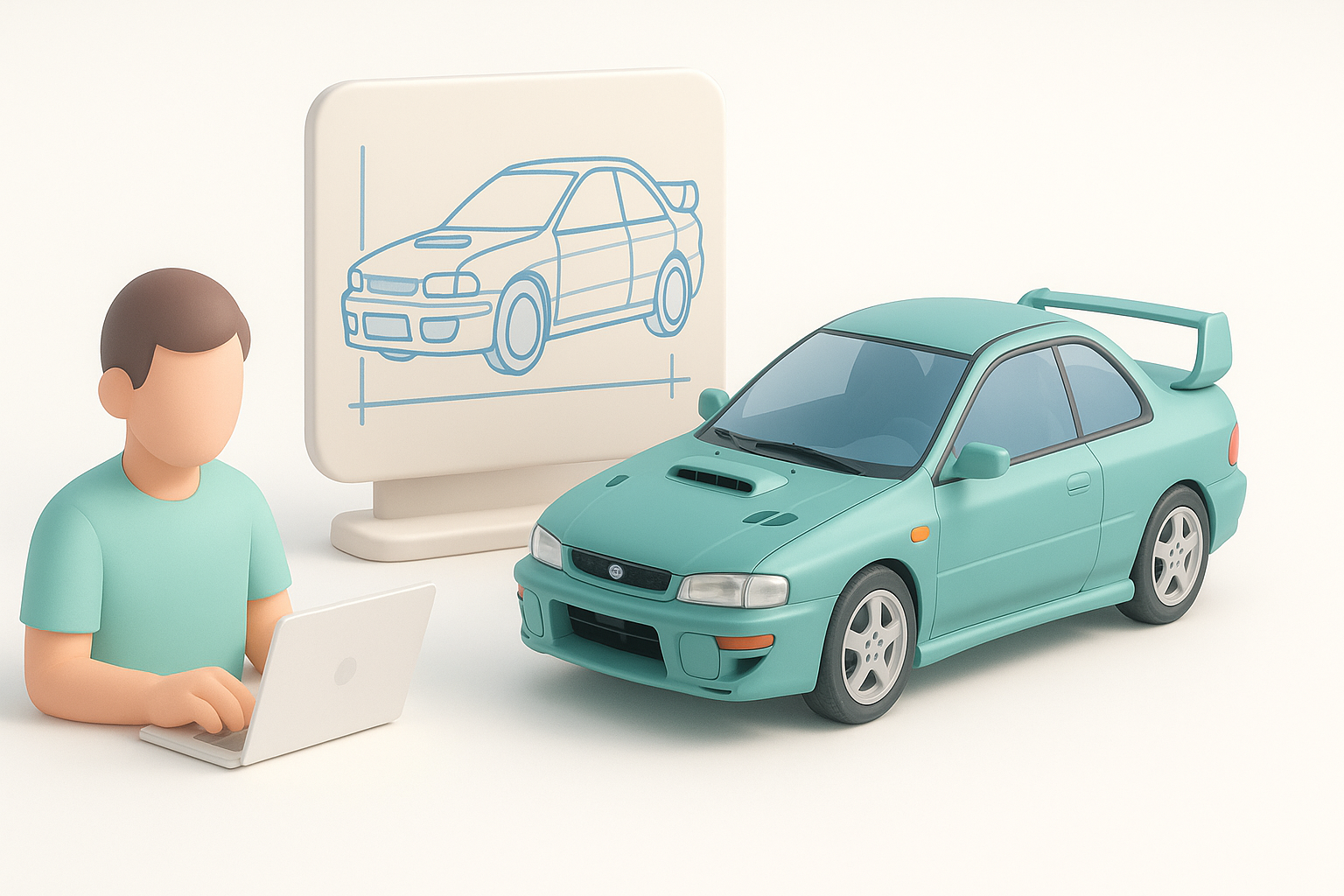
The GC8F is a popular subject in 3D modeling due to its distinctive form and frequent use in interactive applications. Whether you're recreating a real-world object or a stylized version, modeling the GC8F in 3D allows for detailed visualization, manipulation, and integration into digital environments. I’ve found that a precise 3D representation is essential for both realism and flexibility in downstream workflows.
Common use cases in gaming, design, and XR
GC8F models are often featured in:
- Gaming: As assets for vehicles, props, or environmental storytelling.
- Design/Visualization: For prototyping products or architectural elements.
- XR (AR/VR): Enabling immersive experiences where accurate, optimized models are crucial for performance.
In my experience, the demand for high-quality, optimized GC8F models is only increasing as these industries converge.
My Workflow for Generating GC8F 3D Models
Step-by-step process from concept to completion
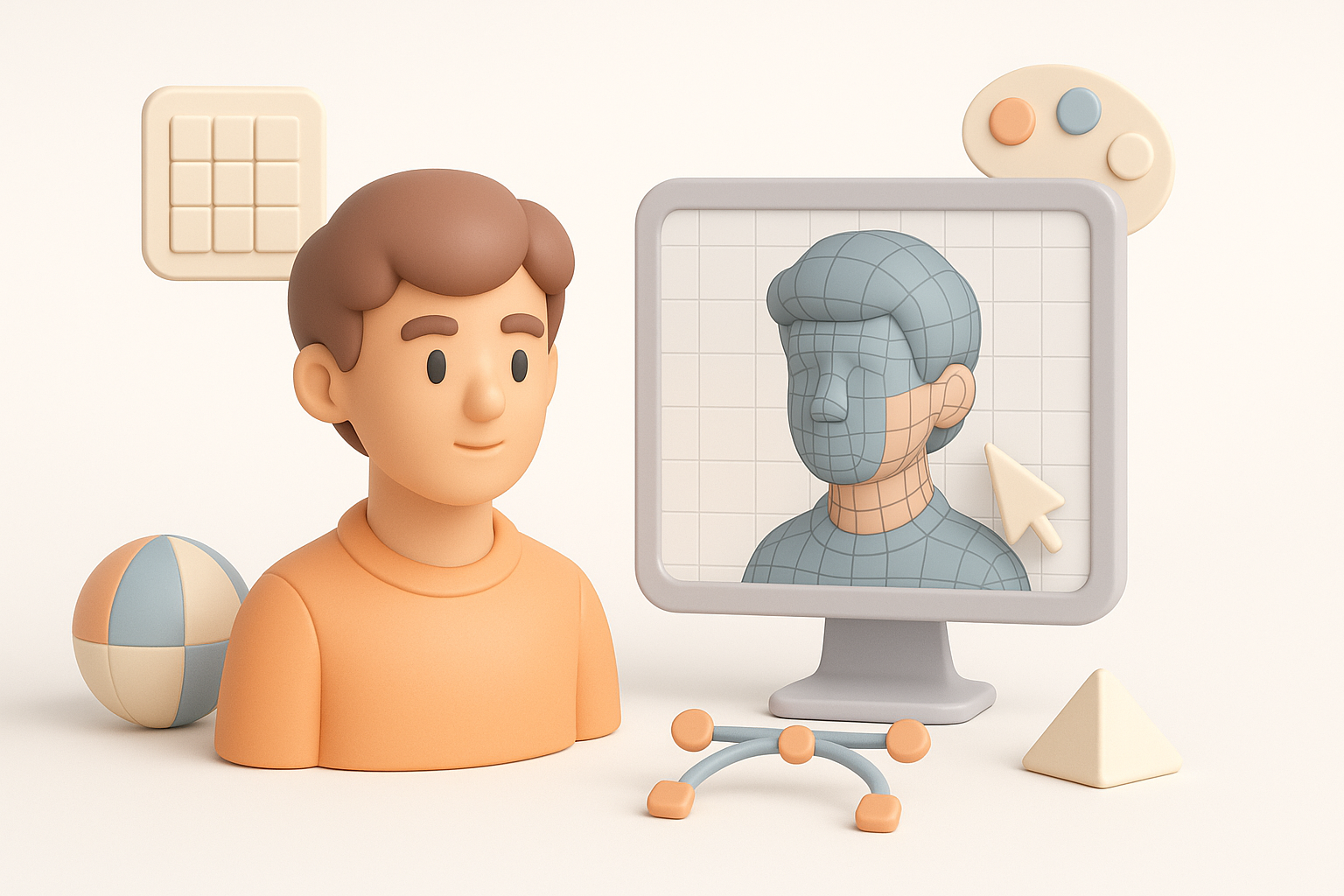
Here’s how I approach a GC8F model:
- Reference Gathering: Collect high-quality images, sketches, or blueprints.
- Initial Model Creation: Use Tripo or a similar tool to generate a base mesh from text, image, or sketch input.
- Segmentation: Break down the model into logical parts for easier management.
- Retopology: Ensure the mesh is clean and efficient for animation or real-time use.
- Texturing: Apply high-resolution, PBR-friendly textures.
- Rigging/Animation (if needed): Add skeletons and create movement.
- Export/Integration: Prepare for engine import or sharing.
Leveraging AI-powered tools for efficiency
AI-driven platforms like Tripo have transformed my workflow by:
- Accelerating base mesh creation from simple prompts or references.
- Automating segmentation and initial retopology, saving hours of manual work.
- Suggesting UV layouts and basic textures to jumpstart the look-dev process.
Tip: Always review AI-generated outputs before moving forward—automated results often need refinement for production.
Best Practices for Segmentation, Retopology, and Texturing
Intelligent segmentation techniques I use
For GC8F models, I:
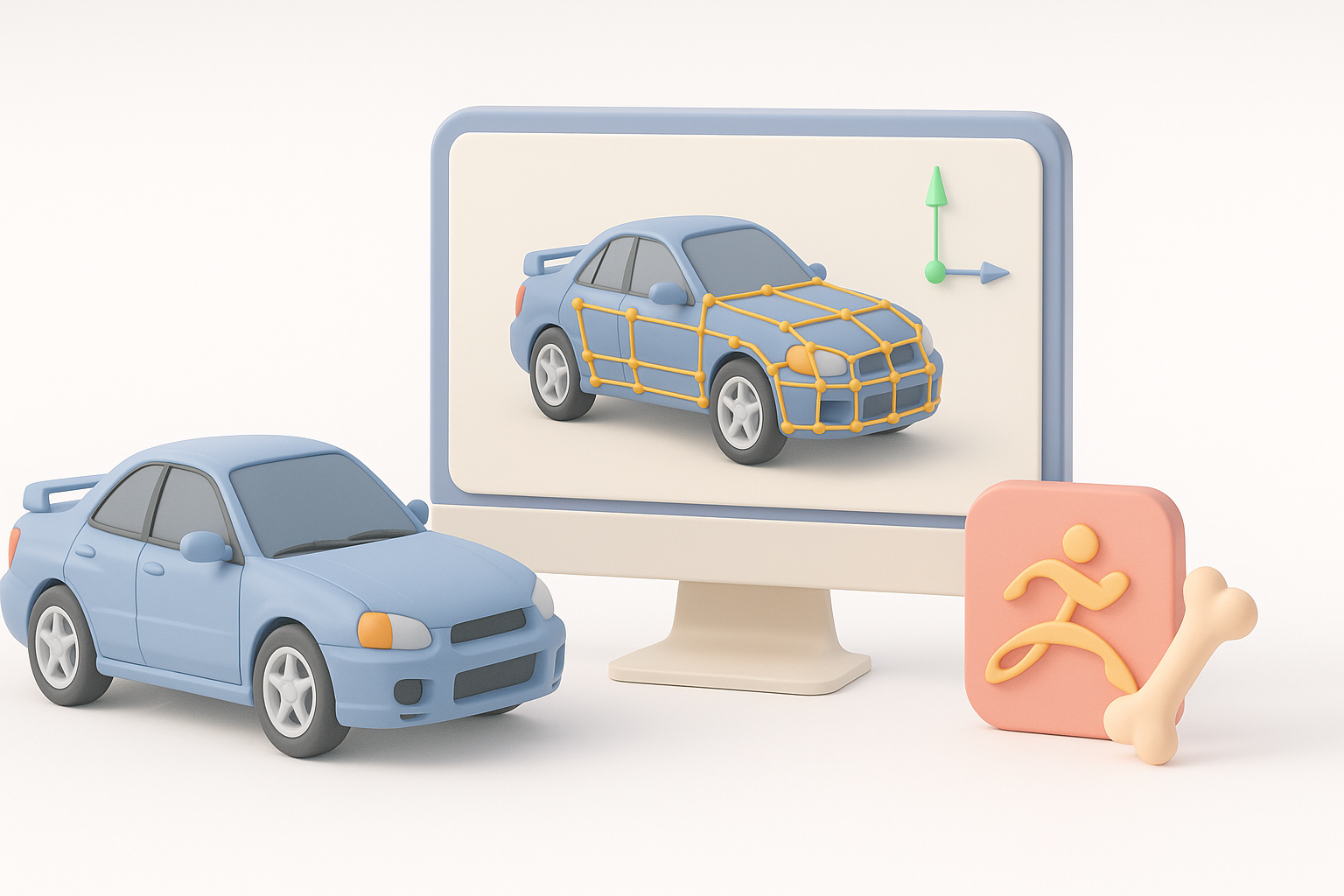
- Identify logical breakpoints (e.g., chassis, wheels, accessories).
- Use Tripo’s segmentation tool to auto-detect parts, then manually adjust for accuracy.
- Name and organize segments early—this simplifies later steps.
Checklist:
- Are all movable/animatable parts separated?
- Are segments logically grouped for texturing and rigging?
Retopology and texturing tips for production-ready assets
Clean topology is non-negotiable:
- Maintain quads where possible for smooth deformation.
- Optimize polycount for your target platform—real-time vs. offline rendering.
- Use Tripo’s retopology tool for a strong starting point, then manually tweak edge flows.
For texturing:
- Bake normal and AO maps from high-poly to low-poly.
- Use PBR textures for realism and compatibility.
- Verify UVs for stretching or overlap before painting.
Pitfall: Rushing retopology or UVs leads to headaches in rigging and shading—don’t skip these checks.
Rigging and Animation: Bringing GC8F Models to Life

How I approach rigging for realistic movement
When rigging GC8F models:
- I build a clear joint hierarchy, matching the real-world articulation points.
- Keep controllers intuitive for animators.
- Test each rig component with basic movements before committing.
Quick rig checklist:
- Are all moving parts properly weighted?
- Do constraints and controllers behave as expected?
Animation workflows and common challenges
For animation:
- Block out major movements first (e.g., wheel rotations, door openings).
- Use reference footage for realistic timing.
- Address common issues like mesh clipping or unnatural deformations early.
Common challenges: Overly complex rigs slow down animation; too simple, and realism suffers. Balance is key.
Comparing AI-Driven and Traditional 3D Modeling Methods
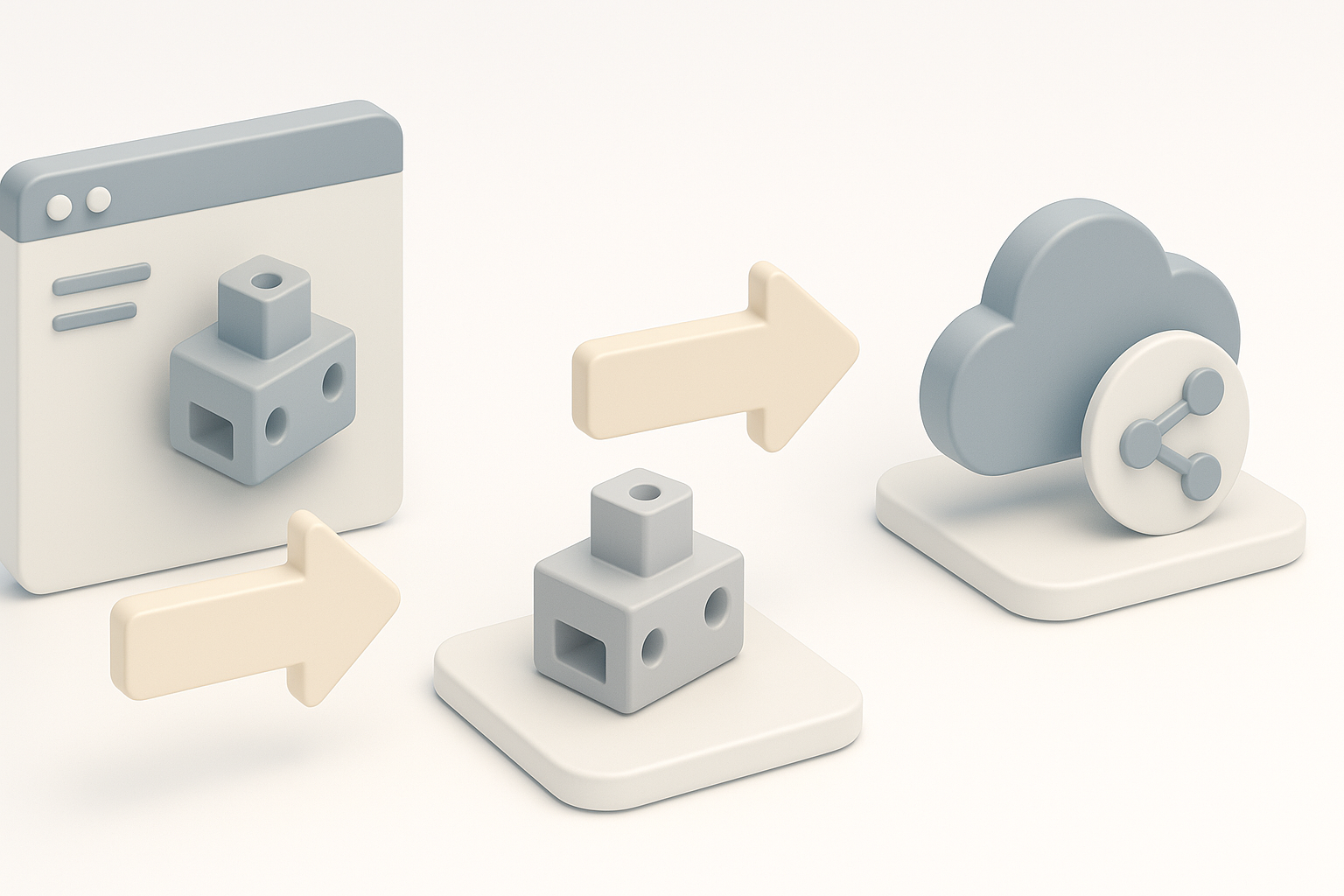
Pros and cons of AI-powered vs manual workflows
AI-powered workflows:
- Pros: Speed, accessibility, automatic segmentation/retopology.
- Cons: Sometimes less precise, may require manual cleanup.
Manual workflows:
- Pros: Full control, high precision for custom needs.
- Cons: Time-intensive, steeper learning curve.
What I’ve found: AI tools are great for rapid prototyping and iteration, but final polish often needs a human touch.
When to use alternative methods for GC8F models
- Use AI tools for quick drafts, concept iterations, and when speed is critical.
- Go manual for hero assets, highly detailed models, or when unique topology/rigging is required.
Tip: Hybrid workflows—starting with AI, then refining manually—often yield the best results.
Exporting, Integrating, and Sharing GC8F 3D Assets
Export formats and compatibility tips
I typically export GC8F models in:
- FBX: For most game engines and DCC tools.
- OBJ: For static assets or broad compatibility.
- GLTF/GLB: For web and XR applications.
Checklist:
- Are textures embedded or included?
- Is the scale and orientation correct for the target platform?
- Have you tested the model in the final environment?
Integrating models into projects and sharing best practices
For smooth integration:
- Standardize naming conventions and file structures.
- Document rig setups and material assignments.
- Use version control for collaborative projects.
Best practices: Always test the imported model in the target engine or platform before final delivery. Share assets with clear documentation to avoid confusion downstream.
By following these expert practices, you’ll produce GC8F 3D models that are not only visually accurate but also optimized for real-world production pipelines.


