Creating and Using Fab 3D Models: Expert Insights and Best Practices
Creating standout 3D models—what I call “fab” models—means balancing creativity, technical precision, and production-readiness. In my experience, leveraging AI-powered tools like Tripo has dramatically accelerated the process, from concepting to export. Whether you’re in games, XR, film, or design, the right workflow and best practices can save hours and ensure models are ready for real-world use. In this guide, I’ll share my hands-on workflow, practical tips, and how I streamline everything from texturing to animation.
Key Takeaways
- “Fab” 3D models excel in visual appeal, technical quality, and versatility across applications.
- AI tools can cut modeling time from hours to minutes—especially for ideation and repetitive tasks.
- Production-ready geometry and optimized textures are essential for both real-time and offline rendering.
- Combining manual and AI-driven methods yields the most flexible, high-quality results.
- Proper export formats and feedback workflows are critical for smooth team collaboration.
What Makes a 3D Model 'Fab': Key Qualities and Use Cases
Defining 'Fab' in 3D Modeling
When I call a 3D model “fab,” I’m looking for a blend of striking aesthetics, technical polish, and adaptability. This means:
- Clean, efficient topology (no messy geometry or hidden artifacts)
- High-quality, PBR-compliant textures that hold up under scrutiny
- Proper scale and real-world proportions
- Readiness for animation or real-time use
A fab model isn’t just visually impressive—it’s robust enough for any production pipeline.
Popular Applications Across Industries
Fab models are in high demand across:
- Games: Optimized assets for real-time engines, ready for LODs and dynamic lighting
- Film/Animation: High-detail meshes with cinematic textures
- Product Design: Accurate, photorealistic representations for marketing or prototyping
- XR/VR: Lightweight models with efficient UVs and textures for performance
In my work, I tailor models to the specific requirements of each industry, ensuring both visual fidelity and technical compliance.
My Workflow for Designing High-Quality 3D Models
Concept to Completion: Step-by-Step Process
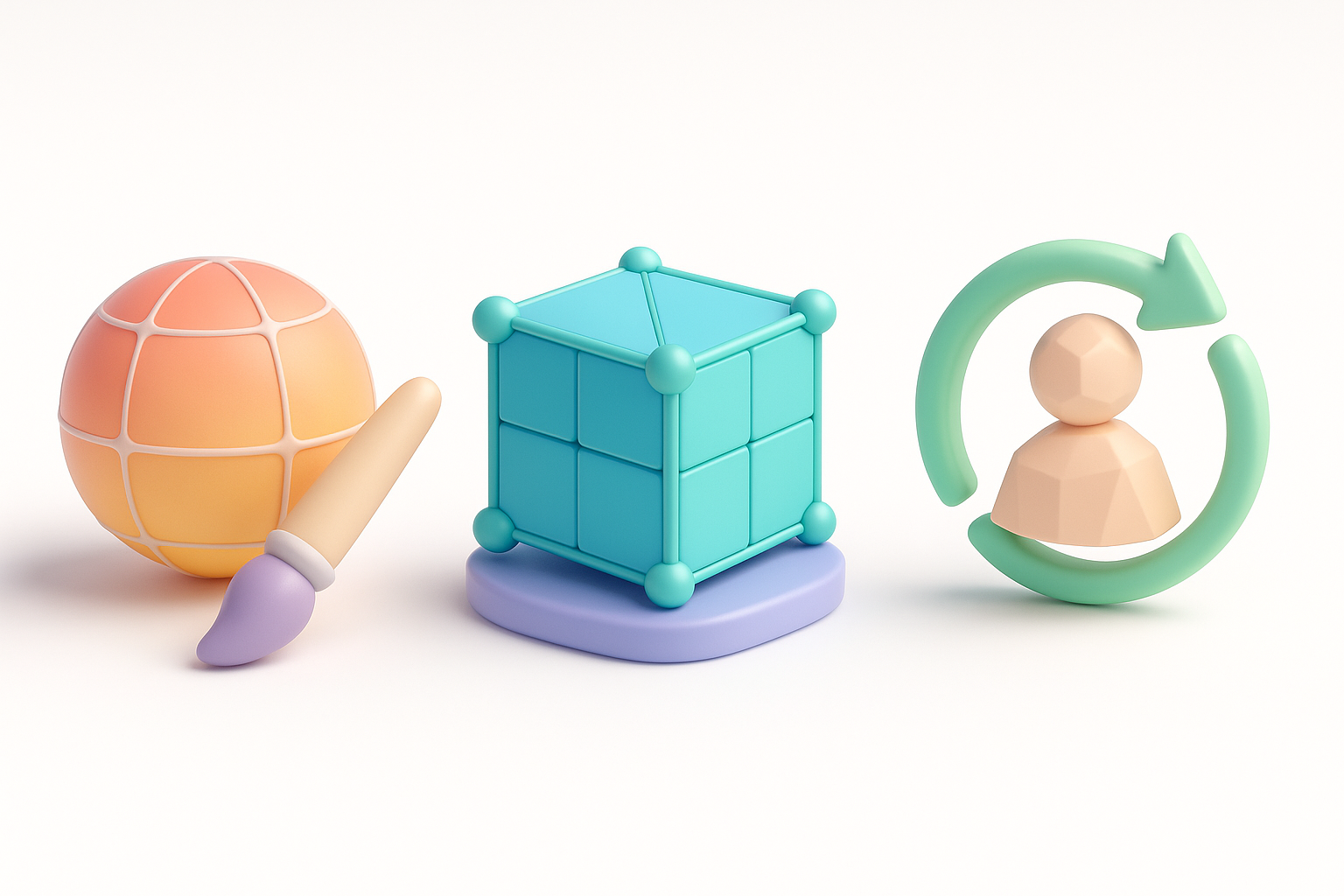
Here’s my typical workflow for creating fab 3D models:
- Ideation: Start with a sketch, text prompt, or photo reference.
- Base Mesh Creation: Use AI tools like Tripo to quickly generate a starting mesh.
- Refinement: Manually adjust proportions, silhouette, and key details in a DCC (digital content creation) tool.
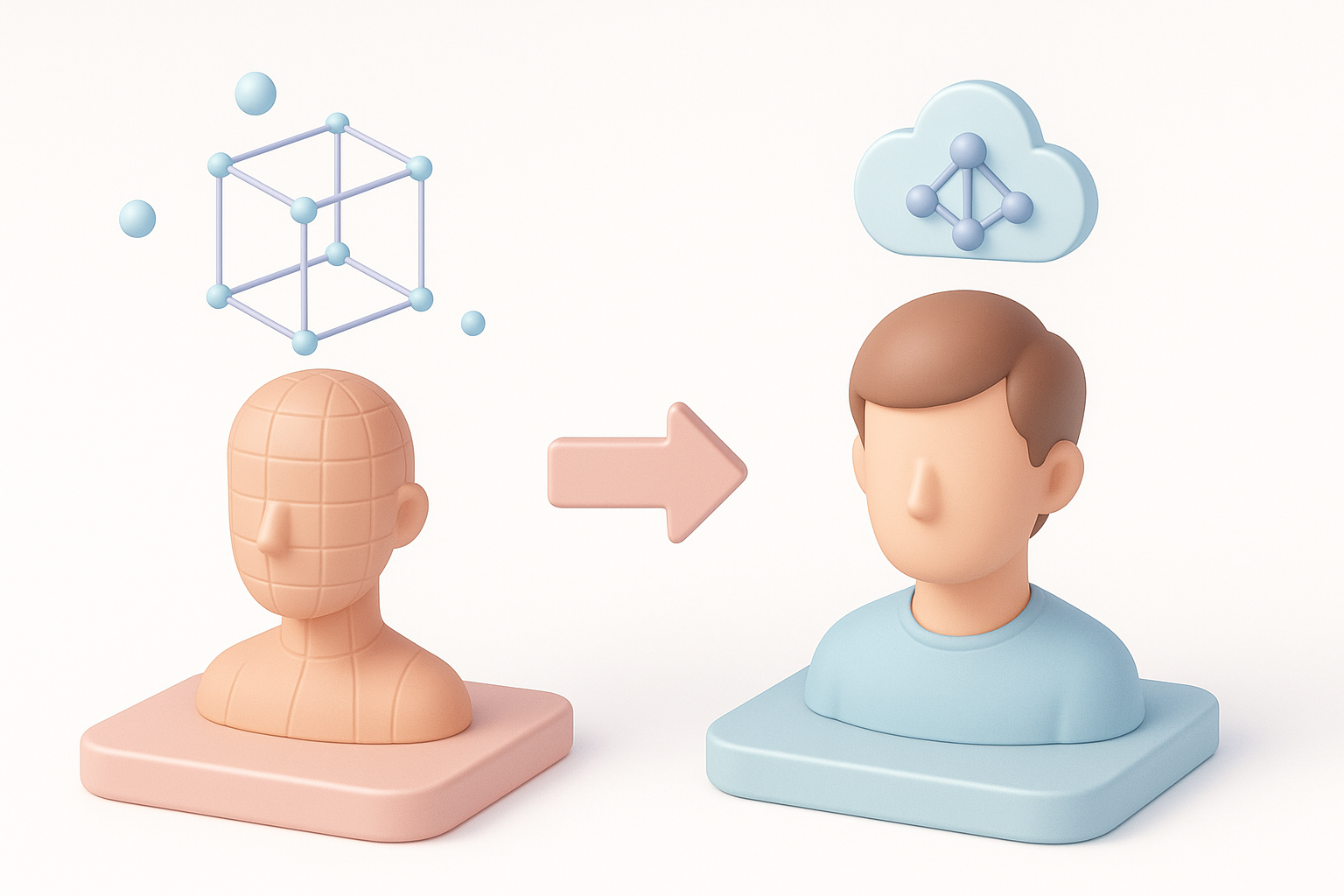
- Retopology: Ensure clean, production-ready topology—either manually or using automated tools.
- UV Unwrapping: Lay out UVs for efficient texturing.
- Texturing: Paint or bake textures, prioritizing PBR standards.
- Rigging/Animation (if needed): Add skeletons and test basic motions.
- Export: Output in the required format for the target pipeline.
Tips for Streamlining with AI-Powered Tools
- Rapid Prototyping: I often use Tripo’s text/image-to-3D feature to generate quick prototypes, iterating on ideas without starting from scratch.
- Automated Retopology: AI-driven retopology saves hours, but I always inspect the mesh for errors.
- Batch Texturing: Use AI-assisted texturing to generate base materials, then refine by hand for hero assets.
Pitfall: Don’t blindly trust automation—always check geometry and textures before moving to the next stage.
Best Practices for Texturing, Retopology, and Animation
Ensuring Production-Ready Geometry
A fab model must have:
- Clean edge flow: Supports deformation (for animation) and smooth shading.
- No ngons or non-manifold edges: These cause issues in rendering and game engines.
- Consistent scale and orientation: Avoids problems during rigging and export.
Checklist:
- Quad-based topology
- No overlapping UVs (unless intentional)
- Properly named and organized mesh groups
Optimizing for Real-Time and Offline Rendering
- Real-Time: Keep polycount low, use normal maps for detail, and compress textures.
- Offline (Film): Higher polycounts are acceptable, but efficient UVs and high-res textures are still a must.
Tip: I always bake high-res details into normal and AO maps for game assets, while keeping raw geometry for cinematic projects.
Comparing AI-Driven and Traditional 3D Modeling Methods
Speed, Quality, and Flexibility: My Experience
- AI Tools: Great for rapid iteration, generating base meshes, and automating tedious tasks (retopology, texturing).
- Manual Methods: Still essential for fine-tuning, custom shapes, and stylized details.
In my projects, I combine both—using AI for speed, then refining by hand for quality.
Pros of AI:
- Drastically reduces time-to-first-draft
- Handles repetitive or technical tasks
Cons of AI:
- May produce generic results without manual tweaks
- Sometimes misses subtle design intent
When to Use AI Tools vs. Manual Techniques
Use AI for:
- Early ideation and prototyping
- Auto-retopology and base texture generation
Use Manual Methods for:
- Final detailing and polish
- Custom topology for animation
- Artistic or highly stylized projects
Pitfall: Over-reliance on AI can lead to bland, “samey” assets. Always inject personal style and intent.
Exporting, Sharing, and Integrating Fab 3D Models
Supported Formats and Pipelines
I typically export models in:
- GLTF/GLB: For web, XR, and many real-time engines
- FBX: Widely used in games and animation pipelines
- OBJ: Simple geometry exchange (no animation or advanced materials)
Tip: Tripo and similar platforms support direct exports to these formats, making integration into downstream tools seamless.
Collaboration and Feedback Workflows
- Cloud-based platforms: Enable sharing and real-time feedback (comments, versioning).
- Iterative reviews: I always upload draft models for team review before final export.
- Documentation: Include notes on scale, orientation, and intended usage to avoid confusion downstream.
Checklist for smooth handoff:
- Correct file format and naming conventions
- Embedded or linked textures
- Clear documentation (readme or notes file)
By combining AI-driven speed with manual artistry and following these best practices, I consistently deliver fab 3D models ready for any production environment.


