Befreed & Tripo: Automate 3D Asset Creation from Theory to Tangible Model

Introduction: The "Implementation Gap" That Stalls 3D Artists
In the fast-paced realm of 3D art and design, knowledge is power — but only if you can apply it. How many times have you finished reading a comprehensive tutorial on hard-surface modeling or PBR texturing, feeling inspired, only to sit down at your workstation and realize that translating that theory into a tangible model is a slow, tedious, and often frustrating process?
This disconnect is what we call the "implementation gap." It's the bottleneck that turns learning into a passive activity rather than an active creation session. You understand the concept intellectually, but your hands and the software can't keep up with your brain.
What if you could turn your reading session into a 3D asset production line? In this guide, we will explore a revolutionary workflow that bridges the gap between knowledge and creation. By combining Befreed, an AI-powered deep reading assistant, with Tripo, the state-of-the-art AI 3D generation engine, you can automate your learning and transform abstract text into tangible 3D models in seconds.
The Powerhouse Duo: Your Knowledge-to-Asset Pipeline
Before we dive into the step-by-step process, let's break down the distinct roles these two tools play in closing the implementation gap. This workflow is designed to mimic a high-speed assembly line: Befreed handles the cognitive load (Input), while Tripo handles the technical execution (Output).
Befreed: The Knowledge Intake Engine
Befreed serves as the foundational layer of this workflow. It is an AI-powered tool designed to enhance deep reading and information retention. In this specific pipeline, Befreed acts as the "Input Phase" conductor.
Instead of manually sifting through complex articles, Befreed helps you rapidly ingest technical documentation, design theories, or artistic concepts. It extracts keywords, summarizes core ideas, and sparks creativity based on the text you are learning. This phase is crucial because it ensures that the raw material for your 3D generation is intellectually sound and conceptually rich before a single polygon is rendered.
Tripo: The Instant 3D Generation Powerhouse
Tripo is the execution layer of this process. As a leading AI 3D generation engine, Tripo specializes in converting ideas into reality. Within this workflow, Tripo acts as the "Output Phase" engine.
It takes the conceptual sparks generated in Befreed and instantly renders them into 3D models. Tripo supports various generation modes, including Text-to-3D and Image-to-3D. For this specific integration, we leverage Tripo's ability to interpret conceptual data, allowing you to generate assets ranging from hard-surface props to organic characters. Tripo effectively removes the technical hurdles of traditional 3D modeling, enabling immediate visualization and iteration.
Step-by-Step: Building Your "Learn-to-Create" Pipeline
Ready to turn your reading into doing? Follow these steps to set up your automated workflow.
Step 1: Knowledge Intake (The "Input" Phase)
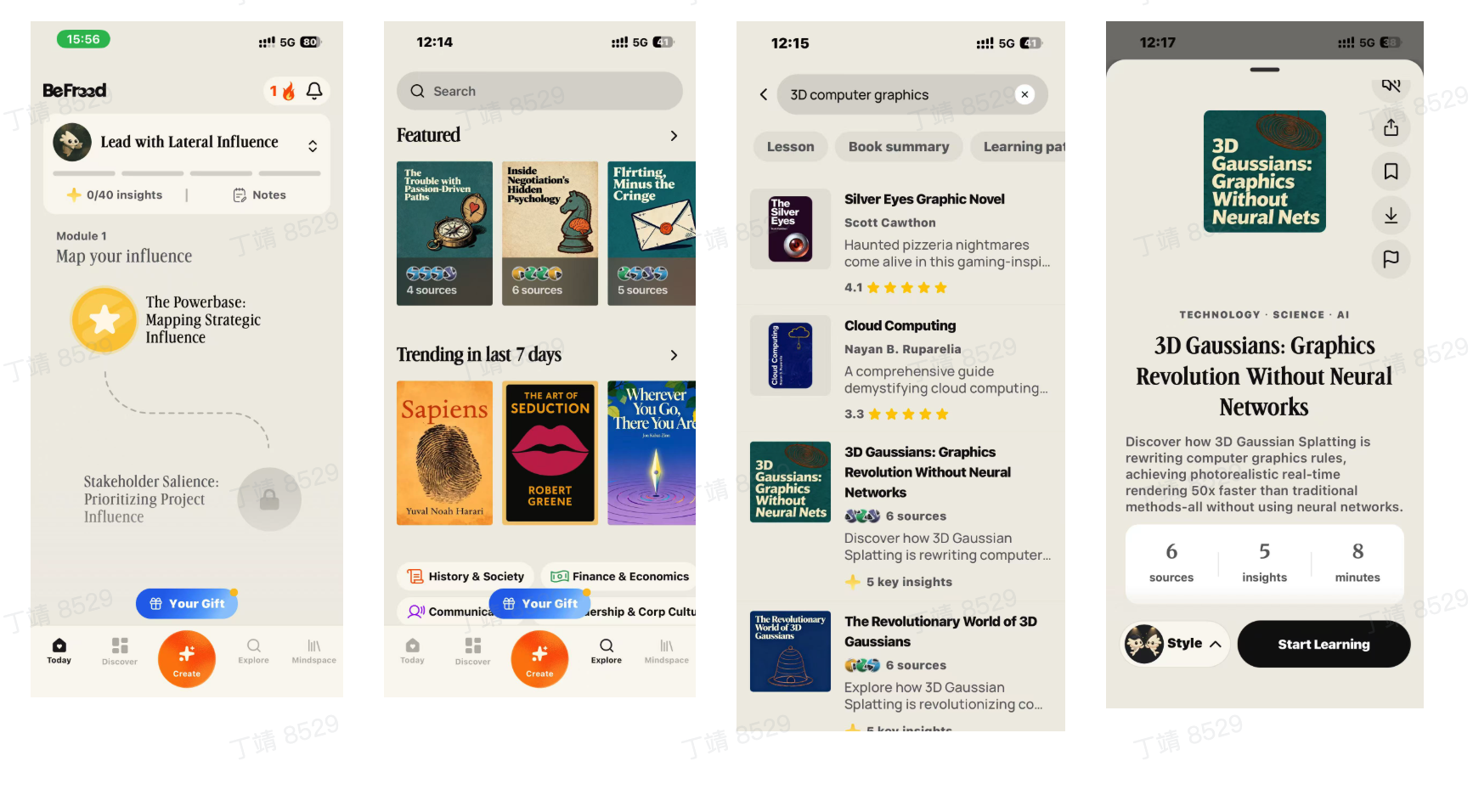
The first step is to feed your brain with quality information. Find a complex article on a 3D topic that you want to master — such as "biomechanical character design" or "futuristic architecture" — using Befreed.
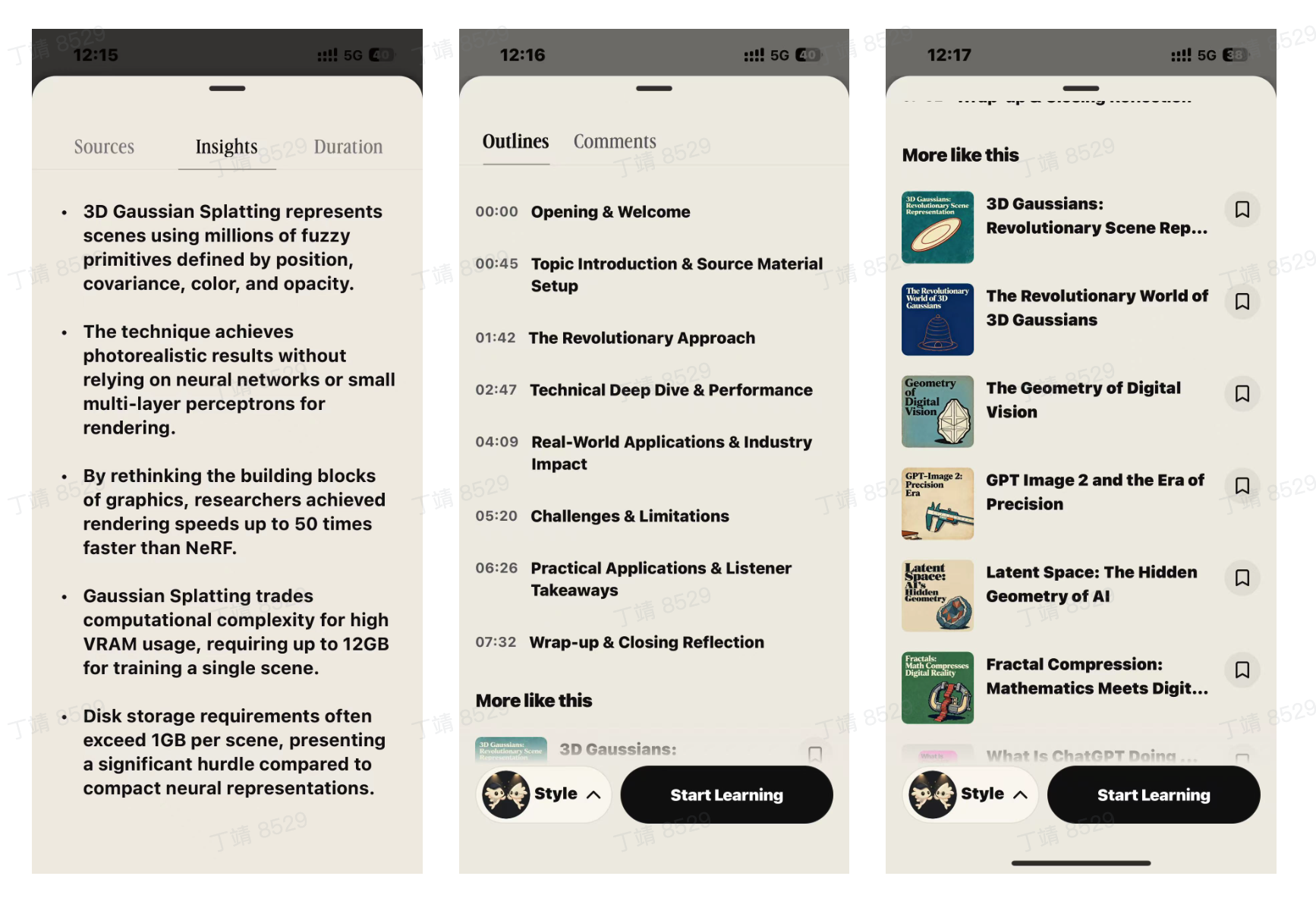
As you read, utilize Befreed's AI features to highlight key concepts and summarize dense paragraphs. This isn't just about skimming; it's about active engagement. Befreed helps you deconstruct the article, pulling out specific terminology and techniques that define the style. This phase ensures that the raw material for your 3D generation is conceptually rich.
Step 2: Conceptualizing Your Idea (The "Bridge" Phase)
Now that you have the theoretical foundation, it's time to spark your creativity. Based on the keywords and quotes you just learned, brainstorm a simple idea.
Focus on extracting specific adjectives and technical terms that define the style you want to achieve. This is where you bridge the gap between passive reading and active creation. You are not just memorizing; you are formulating a brief for your AI collaborator.
Step 3: Instant Creation with Tripo (The "Output" Phase)
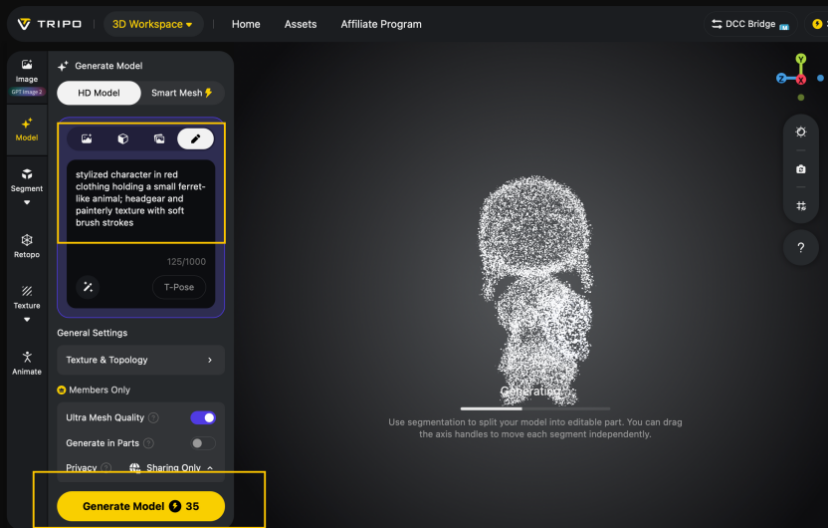
This is the most exciting part — skipping the technical hurdles and bringing your idea to life immediately.
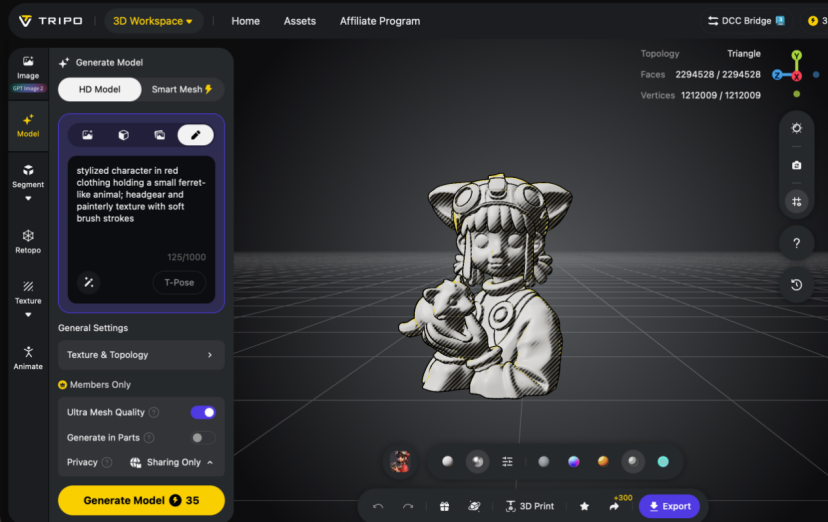
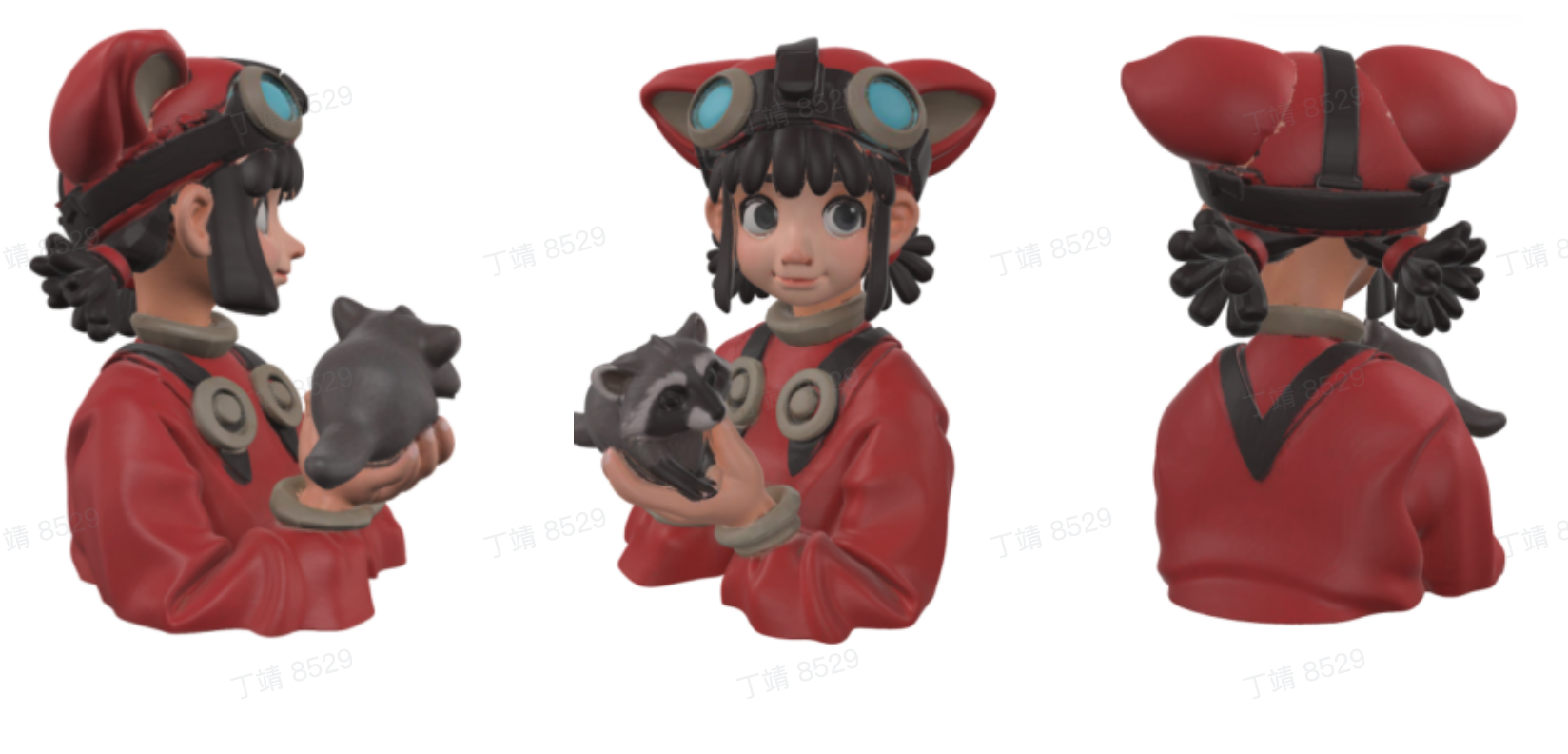
Within seconds, Tripo will interpret your conceptual data and render a tangible model. Whether you are aiming for hard-surface props or organic characters, Tripo removes the technical barriers of traditional 3D modeling, enabling immediate visualization.
This is the moment where the "implementation gap" vanishes. You are no longer blocked by your modeling skills; you are limited only by your imagination and the clarity of your input.
Use Cases: Where This Workflow Shines
The synergy between Befreed and Tripo offers immense value across various creative industries. Here is how different professionals can leverage this pipeline:
- Game Development: Rapidly prototype game assets based on design documents or lore. Instead of waiting for a 3D artist to block out concepts, designers can generate placeholders instantly.
- Education & Training: Students can instantly visualize complex engineering or architectural concepts described in textbooks. This moves learning from abstract theory to concrete understanding, accelerating the educational curve.
- Marketing & Advertising: Generate 3D product mockups based on descriptive briefs before physical production begins. This allows for rapid iteration on design concepts without the cost of physical prototyping.
- Personalized Learning: For artists, this workflow allows you to test theoretical concepts (like lighting or composition) by generating 3D scenes from written descriptions, reinforcing learning through doing.
Tips & Best Practices for High-Quality Output
To maximize the effectiveness of this workflow and ensure high-quality 3D assets, consider the following tips:
- Be Specific with Vocabulary: The more precise your terminology (extracted via Befreed), the better Tripo's output. Use specific names for styles (e.g., "Dieselpunk," "Claymation") rather than vague descriptions.
- Leverage Adjectives: Words describing material (glossy, rough, metallic) and shape (angular, organic, symmetrical) are crucial for defining the asset's look.
- Iterate Quickly: Don't aim for perfection on the first try. Use the initial model to identify what details are missing in your prompt (e.g., "add smoke effects" or "increase reflectivity").
- Combine Visual and Textual: If possible, use Befreed to find reference images related to your text, and use those as visual seeds for your Tripo generation.
Conclusion: Tangible Assets from Abstract Ideas
By following this workflow, you have effectively closed the "implementation gap." You are no longer a passive consumer of content but an active generator of assets.
Whether you are a student trying to grasp complex modeling techniques or a professional looking to rapidly prototype ideas based on the latest research, this pipeline frees you from the friction of learning so you can focus on what truly matters: creativity and mastery.
The result is a seamless transition from a paragraph in an article to a fully textured, rotatable 3D model ready for your portfolio or project.
Ready to bridge the gap between theory and practice?
- Try Befreed to supercharge your learning
- Try Tripo to turn those ideas into 3D reality instantly
