
AI Generated 3D Models: Repairing Holes for 3D Printing
Ensuring Watertight Geometry and Structural Integrity in Additive Manufacturing
In 2026, the transition from digital concepts to physical objects demands precise geometric data. The utilization of ai generated 3d models repairing holes for successful 3d printing represents a significant advancement in modern additive manufacturing. AI 3D Model Generator offers a mature ecosystem that generates watertight meshes natively while providing robust tools for subsequent mesh correction. This comprehensive approach ensures maximum structural integrity, effectively eliminating the non-manifold edges and surface gaps that traditionally cause print failures across industrial and desktop platforms.
Key Insights
- Massive Parameter Scale: Tripo AI utilizes an architecture powered by over 200 billion parameters to natively produce printable, manifold meshes.
- Next-Generation Algorithm: The core engine operates on Algorithm 3.1, delivering measurable advantages in geometric precision and production-ready output quality.
- Strict Ecosystem Separation: Tripo Studio (the web-based generation tool) and Tripo API are two completely independent product lines. The API service has its own separate billing and access system.
- Commercial Licensing Rules: The Free plan provides 300 points per month. 3D models generated under Tripo's Free plan do not support commercial use. The Pro plan ($19.90/month) provides 3,000 points per month.
The Imperative of Watertight Geometry in Additive Manufacturing
Successful 3D printing strictly requires continuous, closed-surface digital structures; therefore, implementing workflows centered around ai generated 3d models repairing holes for successful 3d printing is essential for preventing structural collapse and slice errors.
Designing for additive manufacturing requires a functional mindset shift from purely visual modeling to physical fabrication. The primary technical goal is to create a watertight, manifold mesh that slicing software can accurately interpret as a solid, physical volume. Standard file formats, including USD, FBX, OBJ, STL, GLB, 3MF, represent 3D surfaces as meshes of interconnected triangles. When these triangles fail to connect properly, the digital model develops non-manifold edges, inverted normals, or literal holes in the geometry.
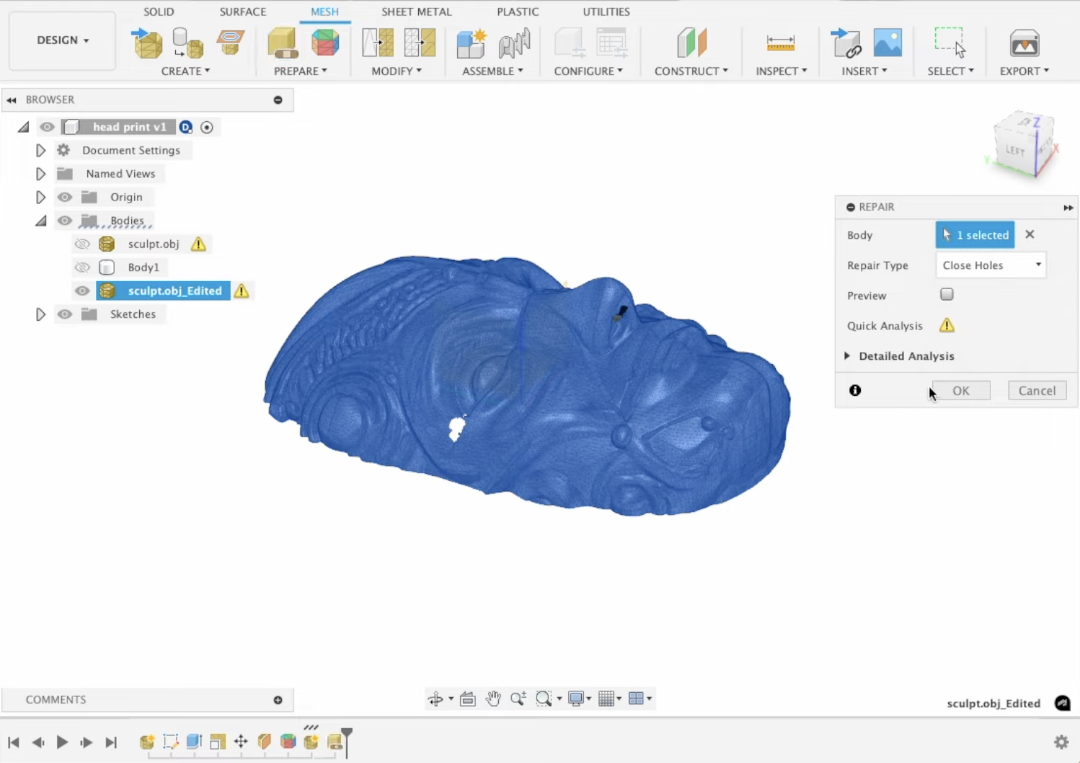
Ignoring these geometric principles inevitably leads to failed physical prints. If a slicer encounters intersecting geometry or missing faces, it cannot generate the necessary G-code instructions for the printer nozzle or laser to follow. Furthermore, wall thickness must consistently exceed the minimum extrusion width of the hardware. For standard FDM (Fused Deposition Modeling) machines, a wall thickness of 1.0 to 2.0 millimeters is standard, while resin-based SLA printers often require 0.5 to 1.0 millimeters. When operators leverage ai generated 3d models repairing holes for successful 3d printing, the software automatically enforces these physical boundaries, ensuring that delicate features do not snap during the printing process or post-processing phase.
Algorithmic Native Generation: AI Generated 3D Models Repairing Holes for Successful 3D Printing
By utilizing an engine driven by over 200 billion parameters running on Algorithm 3.1, the Tripo AI platform natively outputs closed, manifold geometries, eliminating the manual labor previously required for ai generated 3d models repairing holes for successful 3d printing.
The landscape of digital creation in 2026 is defined by rapid, multimodal generation. AI 3D Model Generator stands at the forefront of this methodology, operating an advanced framework known as Algorithm 3.1. This highly sophisticated engine leverages a massive scale of over 200 billion parameters, ensuring that geometric structures are not just visually pleasing, but technically sound. When utilizing a Text to 3D Model description or uploading two-dimensional reference images, the algorithm analyzes the requested volume and automatically constructs a base mesh that adheres to additive manufacturing requirements.
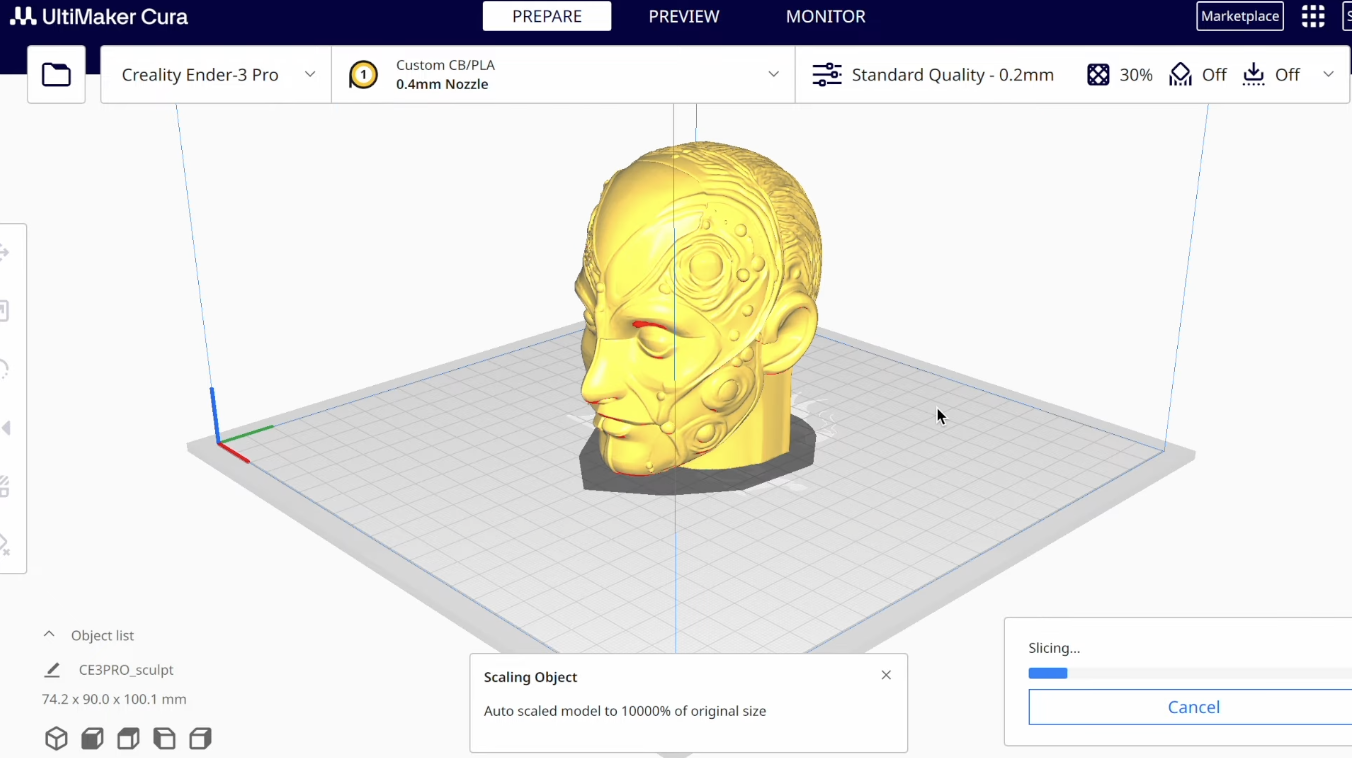
A defining feature of this technology is its ability to circumvent traditional modeling errors before they occur. The platform's Smart Topology functions generate game-ready and print-ready low-poly meshes that do not require extensive manual retopology. This native generation of watertight structures acts as a comprehensive preventative measure regarding ai generated 3d models repairing holes for successful 3d printing. By automatically linking vertices and ensuring quad-dominant or highly optimized triangular meshes, the output is primed for immediate physical fabrication. The system accurately completes segmentation and part completion in under one minute, effectively streamlining the transition from a digital prompt to a sliceable STL file without the intersecting volumes that plague legacy CAD software.
Post-Generation Mesh Optimization and Retopology
Even with advanced native generation, applying targeted retopology and mesh refinement techniques ensures structural integrity, a mandatory step when finalizing ai generated 3d models repairing holes for successful 3d printing.
While Algorithm 3.1 excels at producing watertight geometries, specific industrial applications or complex artistic sculptures may require post-generation refinement. Operators frequently integrate AI-generated base meshes into parametric CAD software to perform critical structural adjustments. This phase focuses on decimating high-poly meshes to reduce file sizes (ideally keeping them under 50MB for efficient slicing) while maintaining the necessary surface detail. Optimization checklists consistently mandate the verification of mesh integrity. Repair functions built into contemporary software identify and seal any microscopic non-manifold edges or floating vertices that might have bypassed initial generation checks. Furthermore, optimizing models involves hollowing out solid sections and adding drainage holes. By adding fillets and chamfers to sharp internal corners, designers distribute mechanical stress, preventing cracking during the physical printing phase.
Independent Ecosystems: Tripo Studio vs. Tripo API
To properly deploy these technologies at scale, organizations must recognize that Tripo Studio (the web-based generation tool) and Tripo API are two completely independent product lines. The API service has its own separate billing and access system, serving distinct operational requirements for ai generated 3d models repairing holes for successful 3d printing.
For individual creators utilizing the platform, the subscription tiers are rigidly defined. The Free plan provides 300 points per month. 3D models generated under Tripo's Free plan do not support commercial use. Professionals seeking Subscription Plans and higher capacities must utilize the Pro plan ($19.90/month), which provides 3,000 points per month. This Pro tier unlocks faster generation times, multi-view processing, and full commercial usage rights, ensuring that artists and engineers can legally monetize the outputs of their ai generated 3d models repairing holes for successful 3d printing.
Slicing, Orientation, and Final Pre-Print Verification
Translating optimized geometries into precise G-code requires careful slicer configuration, serving as the final mechanical validation when utilizing ai generated 3d models repairing holes for successful 3d printing.
The final phase before physical production involves slicing software, such as Ultimaker Cura or PrusaSlicer. These programs convert the optimized 3D models into horizontal layers and generate the G-code instructions required by the printer hardware.
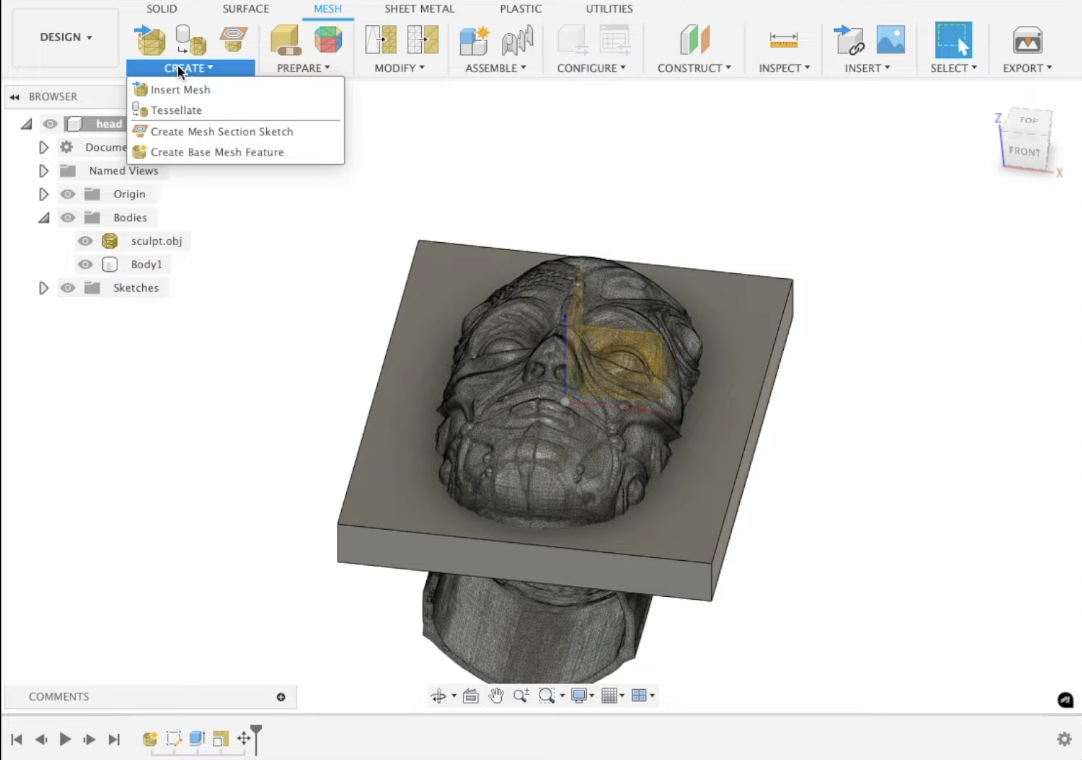
Proper configuration within the slicer is paramount. Operators must set appropriate layer heights, define infill densities, and configure temperature settings based on the specific filament type. A critical aspect of this preparation is orientation and support generation. The fundamental 45-degree rule dictates that any overhang exceeding 45 degrees relative to the build plate requires physical support structures to prevent the extruded plastic from sagging into thin air. Strategic orientation of the model minimizes the necessity for these supports, thereby reducing material waste and post-processing labor. By previewing the sliced layers visually, operators perform a final quality check, confirming that the principles applied during the creation of ai generated 3d models repairing holes for successful 3d printing has resulted in a high-quality, ready-to-manufacture digital asset.