2Dフロアプランから3Dへ:正確なスケールの建築モデル
AIによる建築空間生成とCAD統合の自動化
標準的な建築図面を空間的なビジュアライゼーションに変換するには、これまで何時間もの手作業による押し出しや製図が必要でしたcite: 1。こうした課題を克服するため、専門家たちは最新のAI 3Dホームデザインソリューションを採用し、ワークフローを効率化していますcite: 4。この手動ワークフローは、クライアントから迅速な設計反復と正確な空間スケールが求められる際に、深刻な摩擦を生じさせてきましたcite: 2。高度な人工知能を導入することで、建築チームはこの2Dから3Dへの変換プロセスを自動化し、正確なスケールのモデルを即座に生成して、設計の検証やクライアントの承認を加速させることができますcite: 3。
主要なポイント
- 自動押し出しにより、構造的な境界や壁の厚さを即座に認識し、繰り返しの製図作業にかかる時間を削減しますcite: 5。
- 数学的な精度により、生成されたモデルが元の建築図面に対して正確な比例精度を維持することを保証しますcite: 6。
- 業界標準のCADパイプラインとのシームレスな統合により、即座にテクスチャリング、ライティング、高精細なレンダリングが可能になりますcite: 7。
- インテリジェントな認識システムが、耐力壁から複雑な階段に至るまで、標準的な建築記号を正確に解釈しますcite: 8。
建築における2Dフロアプランから3Dワークフローへの進化
現代の人工知能は、従来の平面的な建築図面を、没入感のある完全に実現された3D空間モデルへと根本的に変革しますcite: 9。この技術的転換は、現代の住宅設計におけるスピードと精度の切実なニーズに応えるものであり、建築事務所は手作業による製図の遅延なしに、非常に正確な空間プレゼンテーションを提供し、クライアントのフィードバックに基づいた反復設計を行うことが可能になりますcite: 10。
手動3D押し出しの課題
数十年にわたり、空間ビジュアライゼーションを作成する標準的な手順は、平面図をCADソフトウェアに取り込み、すべての線をなぞるというものでしたcite: 11。製図者や若手建築家は、ラスター画像の上にベクトル線を何時間もかけて描き、壁の厚さを定義し、これらの形状をZ軸に沿って手動で押し出して基本的な構造壁を作成していましたcite: 12。この方法は、人間の入力に依存しているため、本質的に欠陥がありますcite: 13。頂点が一つでもずれたり、スプラインが閉じられていなかったりすると、非多様体ジオメトリが発生し、後のプロセスでレンダリングエラーやブール演算の失敗につながる可能性がありますcite: 14。さらに、設計変更が発生した場合、手動ワークフローは著しく効率が悪くなりますcite: 15。クライアントが部屋の寸法にわずかな調整を求めた場合、建築家は数学的な正確さを確保するために、影響を受ける3Dジオメトリをゼロから作り直さなければならないことがよくありますcite: 16。平面的な製図と空間モデリングの間を行き来するこの絶え間ない作業は、生産パイプラインのボトルネックとなり、オーバーヘッドコストを増加させ、プロジェクトのスケジュールを遅延させますcite: 17。平面的な線を包括的な空間理解へと変換するために必要な認知負荷は、解釈の誤りを生む余地も残しており、リードアーキテクトが意図した構造的なニュアンスがモデリング段階で失われる可能性がありますcite: 18。
Tripo AIによる空間生成の自動化
手動製図の非効率性を解決するために、現代の生成システムは複雑なニューラルアーキテクチャを利用して視覚データを処理しますcite: 19。洗練されたAI 3DモデルジェネレーターであるTripo AIは、空間生成フェーズを自動化することで、このワークフローを根本的に変えますcite: 20。手動でのトレースに頼るのではなく、システムはアップロードされた図面を空間関係の複雑なデータセットとして扱いますcite: 21。視覚入力をスキャンし、実線を境界として、ネガティブスペースを居住可能エリアとして識別しますcite: 22。このプロセスは高度な生成アルゴリズムと膨大な計算能力に大きく依存しているため、基盤となる技術は非常に堅牢である必要がありますcite: 23。Tripo AIは、2000億以上のパラメータで動作し、平面図の空間ジオメトリを分析するアルゴリズム3.1を通じてこれを実現していますcite: 24。この実質的な処理能力により、ニューラルネットワークは構造要素と単なる注釈を区別することができますcite: 25。標準的な建築慣行に基づいて押し出しの正しい高さを自動的に計算し、数秒で防水性のある数学的にクリーンなメッシュを生成しますcite: 26。コアとなる生成フェーズを自動化することで、システムは建築の専門家が反復的な幾何学的構築ではなく、素材の選択、ライティング、空間の美学に集中できるようにしますcite: 27。
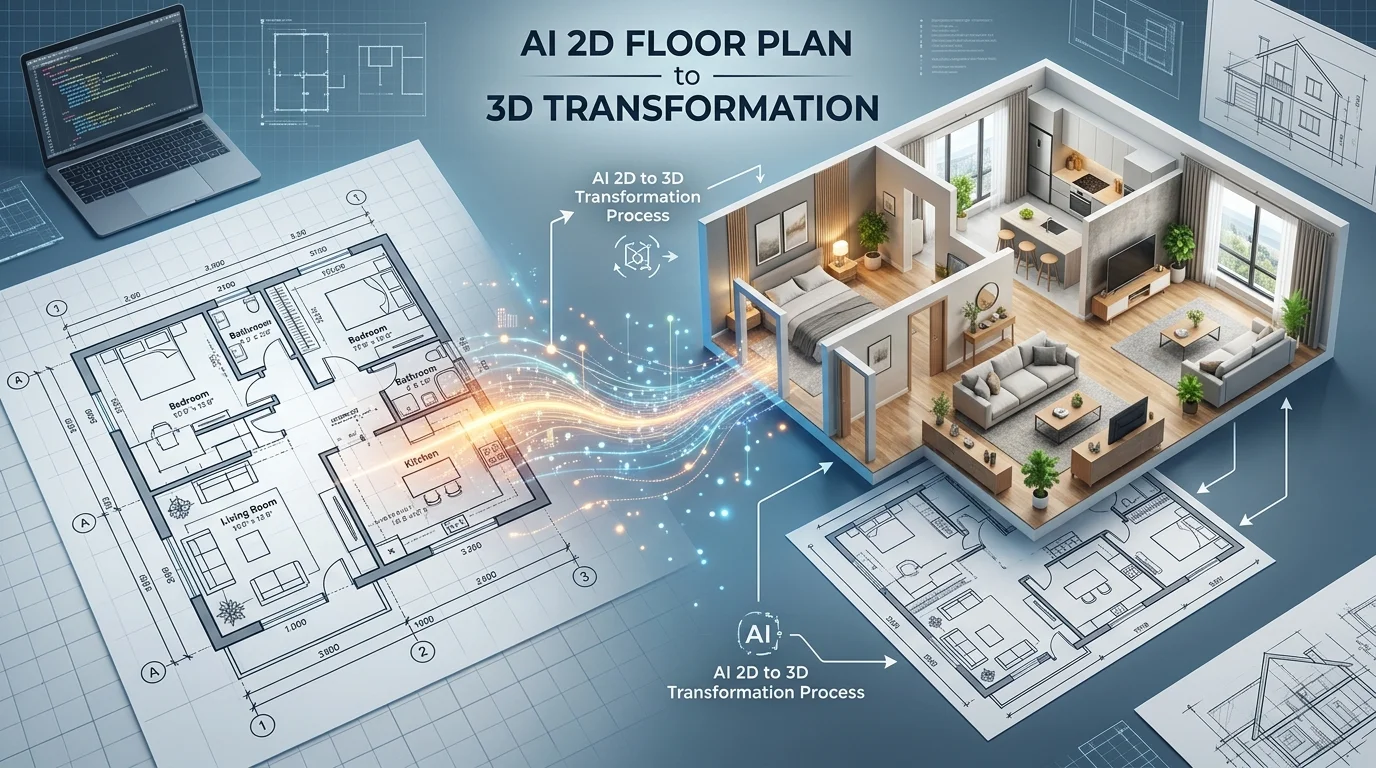
2Dレイアウトから正確なスケールの3Dモデルを提供
図面から直接寸法データを変換する技術プロセスは、壁の厚さ、部屋の面積、構造的境界の解釈に依存していますcite: 28。高度なシステムはこれらの変数を処理して、数学的に正確でスケールの合った3Dモデルを構築し、生成フェーズ全体を通じて元の建築的整合性が正確に維持されるようにしますcite: 29。
建築記号と測定値の解釈
建築図面は、重要な構造情報を伝える専門的な記号、ハッチングパターン、注釈で密集していますcite: 30。太い実線は耐力レンガ壁を示し、細い二重線は内部の間仕切りを表す場合がありますcite: 31。円弧はドアの開きを示し、交差した長方形は多くの場合、構造柱を示しますcite: 32。自動化システムが効果的であるためには、この専門的な言語を正確に解読する視覚的知性が必要ですcite: 33。高度な認識モデルは数百万のプロ用フロアプランでトレーニングされており、これらの記号を高精度で分類できますcite: 34。新しいファイルを処理する際、システムはドア、窓、構造的な開口部を体系的に識別し、結果として得られるメッシュにこれらの要素のための正しいブールカットアウトが含まれるようにしますcite: 35。固定された構造コンポーネントと移動可能な家具レイアウトを区別し、生成された建築がクリーンで障害物のない状態を保つようにしますcite: 36。このレベルの解釈により、平面図から空間モデルへの移行において、重要な構造データが失われないことが保証されますcite: 37。
住宅設計における比例精度の確保
空間を視覚化するには、フロアプランの概算を作成する以上のことが必要であり、比例精度を厳密に守ることが求められますcite: 38。建築設計において、スケールは重要な指標ですcite: 39。生成されたモデルがスケールをわずかでも歪めると、インテリアデザインの段階で壊滅的な計算ミスにつながる可能性がありますcite: 40。家具が部屋に対して大きすぎたり、仮想ウォークスルーで天井の高さが圧迫感を与えたりするかもしれませんcite: 41。正確なスケールを維持するために、生成エンジンは図面上のすべての識別された幾何学的ポイント間の相対的な距離を計算しますcite: 42。統一されたスケーリング係数を確立し、廊下の幅がマスターベッドルームの平方フィートに対して正確な数学的関係を維持するようにしますcite: 43。これらの比率を固定することで、結果として得られる構造モデルは、その後の設計作業の信頼できる基盤となりますcite: 44。インテリアデザイナーは、レンダリングで表現された物理的なクリアランスや動線が、最終的な建設環境と正確に一致することを知った上で、現実世界の家具モデルをデジタル空間に自信を持ってインポートできますcite: 45。
プロフェッショナルなCADパイプラインへの3Dモデルの統合
建築家は、Tripo AIで生成された正確なスケールのモデルを、プロフェッショナルなレンダリングエンジンやBIM(ビルディングインフォメーションモデリング)環境にシームレスに移行できますcite: 46。このワークフローにより、重要な構造データとトポロジカルなジオメトリがさまざまなソフトウェアプラットフォーム間で完全に維持されることが保証され、大規模なメッシュのクリーンアップや技術的なトラブルシューティングの必要性がなくなりますcite: 47。
業界標準(USD, FBX, OBJ, STL, GLB, 3MF)へのエクスポート
自動生成ツールの本質的な価値は、確立された業界ソフトウェアとの相互運用性にありますcite: 48。建築事務所は、構造計画のためのAutodesk RevitやSketchUpから、フォトリアルな視覚化のためのUnreal EngineやBlenderまで、幅広いプログラムを利用していますcite: 49。閉じたエコシステム内に閉じ込められた生成モデルは、プロのパイプラインにとって事実上役に立ちませんcite: 50。したがって、スムーズな3Dフォーマット変換とエクスポート機能を確保することが、主要な技術的要件となりますcite: 51。この統合を促進するために、システムはUSD、FBX、OBJ、STL、GLB、3MF形式での包括的なファイルエクスポートをサポートしていますcite: 52。これらの業界標準のファイルタイプには、パイプラインの次のステップに応じて特定の利点がありますcite: 53。例えば、FBXファイルは複雑な幾何学的階層を正確に保持し、プロフェッショナルなレンダリングエンジンへのインポートに最適ですcite: 54。OBJファイルは、迅速な概念レビューのために、普遍的に受け入れられている軽量なメッシュを提供しますcite: 55。これらの特定の形式を提供することで、プラットフォームは、生成された建築が中間変換ソフトウェアやトポロジの修復を必要とせずに、どの事務所の既存のワークフローにも即座に組み込めることを保証しますcite: 56。
クライアントの視覚化プロセスの効率化
基礎となるジオメトリがプロフェッショナルなレンダリング環境に正常にインポートされると、建築チームはモデルを基本的な構造メッシュからフォトリアルなプレゼンテーションへと昇華させることができますcite: 57。AIによって生成されたクリーンなトポロジにより、UVマッピングや素材の適用が視覚的なアーティファクトなしに進むことが保証されますcite: 58。デザイナーは、ハードウッドフローリング、マットな壁塗料、反射ガラスなどの物理ベースレンダリング(PBR)テクスチャを表面に直接適用できますcite: 59。この効率化されたパイプラインは、高品質なクライアント向け成果物を作成するために必要な時間を劇的に短縮しますcite: 60。視覚化部門がゼロからシーンを構築するのを何週間も待つ代わりに、リードアーキテクトはフロアプランを確定してから数日以内に没入感のある空間コンセプトを提示できますcite: 61。HDRI環境を追加し、正確な太陽光の軌道を計算することで、クライアントは自然光が提案された空間とどのように相互作用するかを正確に理解できますcite: 62。この即時の視覚的フィードバックループは、より良いコミュニケーションを促進し、クライアントの躊躇を減らし、最終的にプロジェクトの承認スケジュールを加速させますcite: 63.
よくある質問(FAQ)
Q: システムは、2Dフロアプラン内の曲線階段のような複雑な建築記号をどのように処理しますか?
A: 高度な認識アルゴリズムが、標準的な建築指標を識別するようにトレーニングされています。曲線階段の記号に遭遇すると、AIは特定の線画を解析し、対応する空間ジオメトリを自動的に押し出します。
Q: 生成された正確なスケールの3Dホームモデルを、好みのレンダリングソフトウェアにシームレスにエクスポートできますか?
A: はい。このプラットフォームでは、建築家やデザイナーがUSD、FBX、OBJ、STL、GLB、3MF形式でモデルをエクスポートでき、標準的なレンダリングエンジンに即座にインポート可能です。
Q: 元の建築用2Dフロアプランに明示的な数値測定値がない場合はどうなりますか?
A: システムは、標準的な建築要素(ドアの幅やカウンターの奥行きなど)を分析することで相対的なスケールをインテリジェントに推論し、正確な比例比率を計算します。