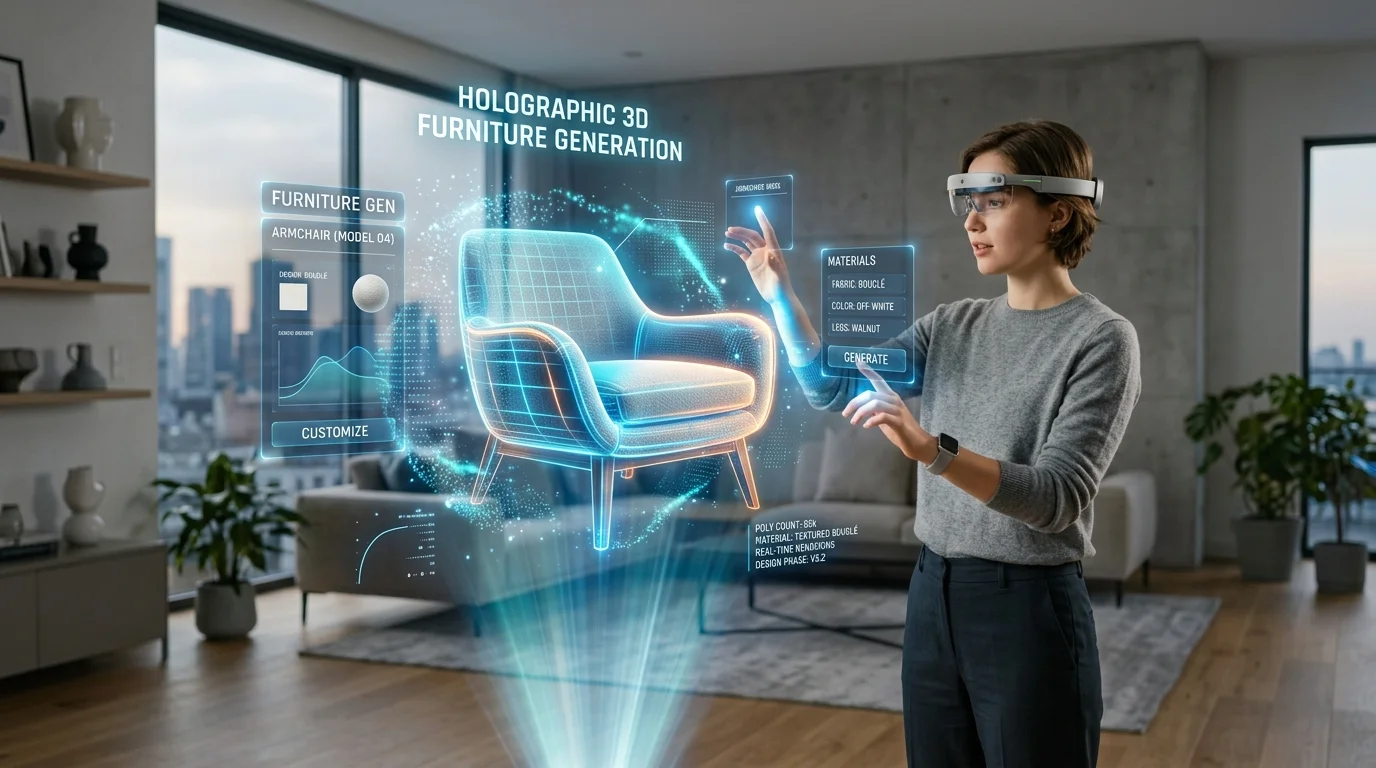
高速AIインテリアレンダリングでクライアントの承認を迅速化
リアルタイム3Dコンセプト生成によるクライアント承認の加速
インテリアデザイナーや建築家は、レンダリングに時間がかかることでプロジェクトの勢いが削がれ、クライアントを苛立たせるという課題に常に直面しています。クライアントから照明、素材の仕上げ、家具の配置などの微調整を求められた際、更新されたビジュアルを数日間待たなければならない状況は、摩擦を生み、重要なプロジェクトのマイルストーンを遅らせる原因となります。
高速AIインテリアレンダリングと最新のAI 3D住宅デザインワークフローを導入することで、設計の専門家はこうした技術的な障壁を回避し、高精細なコンセプトを即座に作成できます。高度なAI 3Dモデル生成ツールを活用すれば、構造と美観の調整をリアルタイムで行うことができ、プレゼンテーションの初期段階でクライアントのエンゲージメントを高く維持し、承認を得ることが可能になります。
主要なインサイト
- 従来のレンダリングのボトルネックは、クライアントの関心の低下やプロジェクトスケジュールの長期化に直結します。
- リアルタイム生成により、デザイナーは実際のプレゼンテーション会議中に空間や素材に関するフィードバックを反映させることができます。
- AIツールを初期のコンセプト段階に統合することで、重厚な技術的レンダリングに着手する前に、デザインの合意を取り付けることができます。
- 迅速な反復は空間認識の齟齬を防ぎ、修正回数の総量を大幅に削減します。
従来の3D住宅デザインにおけるボトルネック
従来の3D住宅デザインのワークフローは、レンダリングに数日から数週間かかることが多く、クライアントの関心の低下やフィードバックループの遅延を招いています。高速AIインテリアレンダリングに移行することで、インテリアデザイナーはこれらの技術的なボトルネックを完全に排除し、高品質な空間コンセプトを提示して、短時間で承認を得ることができます。
なぜクライアントの承認サイクルは長引くのか
インテリア建築における承認サイクルが長期化する根本的な原因は、コンセプト立案から視覚化までの間に生じる膨大な時間のギャップにあります。標準的なワークフローでは、専門家は重いCADソフトウェアを使用して複雑なシーンを構築するため、画像1枚あたり数時間、時には数日間の処理時間を要します。クライアントが最初のレンダリングを確認して簡単な修正を依頼した場合、計算プロセス全体をやり直す必要があり、感情的な文脈の喪失やプロジェクトの勢いの減退につながります。
反復遅延の隠れたコスト
明らかなスケジュールの競合以外にも、レンダリングパイプラインの遅さは深刻な財務的非効率性を引き起こします。企業はこれを解決するためにビジュアル制作を外部委託することがよくありますが、これによりコミュニケーションの遅延や手数料という新たな層が加わります。厳しい予算を管理するデザイナーにとって、トークンベースの生成プラットフォームへの移行は、厳格な財務管理を可能にします。一般的な構造では、無料(月300回)やプロ(月3000回)といったプランが提供されており、時間単位のサーバーレンタルに伴う変動費を排除できます。
高速AIインテリアレンダリングがフィードバックを加速させる仕組み
高速AIインテリアレンダリングは、リアルタイムまたは即日のデザイン反復を可能にすることで、レビュープロセスを変革します。Tripo AIを使用すると、デザイナーは複数の部屋のバリエーションを即座に生成でき、クライアントは実際のプレゼンテーション会議中に確信を持って決定を下すことができます。
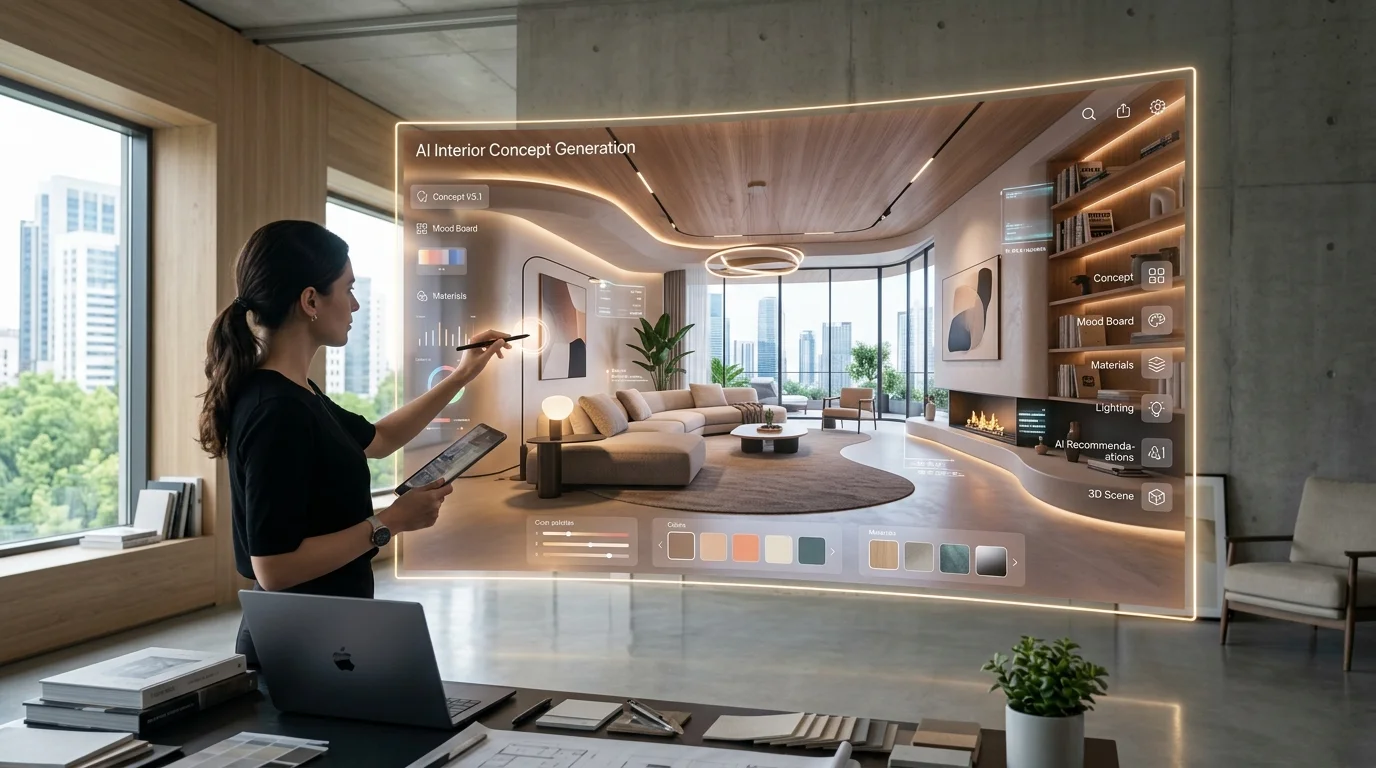
Tripo AIによるリアルタイムコンセプト生成
複雑な空間ロジックと正確なインテリアの照明条件を同時に処理するため、Tripo AIは2000億以上のパラメータを持つ高度なニューラルアーキテクチャを活用しています。プロンプトからメッシュへのアプローチを利用することで、デザイナーは特注家具やカスタム建築要素の具体的なテキスト説明を入力し、正確なジオメトリを即座に受け取ることができます。これにより、すべてのコンセプトアセットをゼロからモデリングする必要がなくなります。
クライアントの直接的な意見に基づく迅速な反復
高速AIインテリアレンダリングにより、デザイナーとクライアントは動的にコラボレーションできます。クライアントが提案されたキッチンアイランドが大きすぎると感じた場合、デザイナーはその場でパラメータを調整し、修正されたレイアウトを生成できます。このようなコラボレーションによる摩擦の解消は、クライアントが受動的な批評家としてではなく、デザインプロセスに積極的に関与していると感じられるため、大きな信頼関係を築きます。
AIレンダリングをデザインワークフローに統合する
AIインテリアレンダリングツールの導入は、既存の建築ワークフローを捨てることを意味しません。デザイナーはTripo AIを使用して、オンライン3Dスタジオを通じて空間レイアウトや素材の選択を迅速に視覚化し、重厚な最終段階のレンダリングにリソースを投入する前にクライアントの合意を得ることができます。
AIコンセプトと完成度のギャップを埋める
AIは迅速なコンセプト立案に優れていますが、最終段階では依然として正確な技術文書が必要です。クライアントがAI生成された空間コンセプトにサインオフした後、デザインチームは承認されたコンセプトジオメトリをUSD、FBX、OBJ、STL、GLB、3MFなどの業界標準のファイル形式でエクスポートできます。この幅広いフォーマット対応により、コンセプトメッシュを従来のレンダリングエンジンやBIMプラットフォームに直接インポートでき、最終的な施工図面のための非常に正確な基礎レイヤーとして機能します。
よくある質問
Q: 高速AIインテリアレンダリングは、クライアントの修正回数をどのように減らしますか? A: AIレンダリングは、フォトリアルなボリューム表現を即座に提供します。クライアントは初日から光が素材とどのように相互作用し、家具がどのようにスケールするかを正確に確認できるため、空間認識の齟齬が最初の会議で解決されます。
Q: Tripo AIは、クライアントが即座に比較できるように複数のインテリアスタイルを生成できますか? A: はい。デザイナーはミッドセンチュリーモダンの反復を生成した後、すぐに同じ空間の「わびさび」やインダストリアルなバリエーションに切り替えることができ、クライアントが即座に決定を下せるよう支援します。
Q: 承認サイクルをスピードアップすると、3D住宅デザインの品質が損なわれませんか? A: いいえ。むしろ、技術的なモデリングが始まる前に基礎部分で承認を得ることでデザインの整合性が守られ、最終的な成果物がクライアントの期待と完全に一致することが保証されます。