Integrare il 3D nella UI dei siti web: principi e best practice
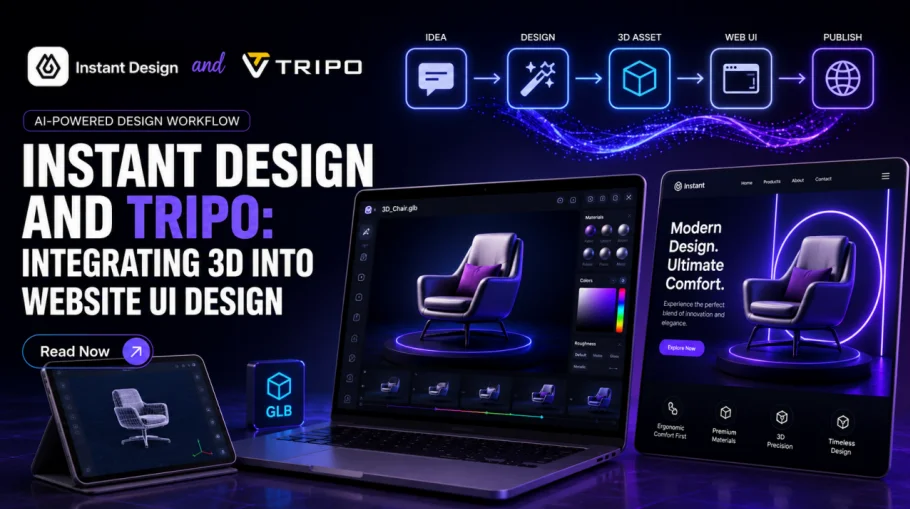
Perché il design della UI 3D sta diventando più importante?
Il design della UI si sta evolvendo rapidamente. Man mano che gli utenti acquisiscono sempre più familiarità con le esperienze digitali, le aspettative visive continuano a crescere. Le interfacce piatte tradizionali non sono più sufficienti per molti prodotti moderni, soprattutto in settori come AI, gaming, tecnologia e strumenti creativi.
Per creare esperienze più immersive e visivamente memorabili, molti brand stanno ora integrando elementi visivi 3D nei loro siti web e nelle interfacce di prodotto.
Rispetto alla UI tradizionale, il design 3D per siti web può:
- Migliorare il coinvolgimento visivo
- Creare una narrazione di prodotto più forte
- Rendere le interfacce più interattive
- Mostrare i prodotti in modo più realistico
- Rafforzare l'identità del brand
Oggi, la UI 3D è ampiamente utilizzata in:
- Siti web di prodotti AI
- Landing page SaaS
- Piattaforme gaming
- Vetrine di prodotto
- Pagine di marketing interattive
- Portfolio creativi
Poiché i contenuti 3D generati con AI stanno diventando più facili da creare, integrare asset 3D nei flussi di lavoro della UI sta diventando sempre più accessibile per i moderni team di design.
Principi chiave di un design UI 3D efficace
Sebbene gli elementi visivi 3D possano migliorare significativamente la qualità dell'interfaccia, una UI 3D di successo dipende comunque dall'equilibrio e dall'usabilità.
Ecco alcuni principi importanti comunemente utilizzati nel moderno design 3D per siti web.
Mantenere chiara la gerarchia visiva
Gli elementi 3D dovrebbero supportare l'interfaccia anziché sovrastarla. Tipografia, navigazione e call-to-action dovrebbero restare facili da leggere e da comprendere.
Usare il movimento con attenzione
Animazioni e interazioni sottili possono migliorare l'immersione, ma movimenti eccessivi possono distrarre gli utenti.
Bilanciare estetica e prestazioni
Le scene 3D di grandi dimensioni possono influire sulla velocità di caricamento e sulla reattività. Modelli ottimizzati e asset leggeri aiutano a mantenere esperienze fluide su tutti i dispositivi.
Integrare il 3D nell'esperienza di prodotto
Le migliori interfacce 3D usano gli elementi visivi per supportare la narrazione e la comunicazione del prodotto, anziché funzionare solo come decorazione.
In che modo Tripo potenzia la creazione di asset visivi 3D per il moderno design UI?
Una sfida importante continua ancora a limitare molti team UI: i tradizionali flussi di lavoro di produzione 3D sono spesso costosi, richiedono molto tempo e sono tecnicamente complessi. La creazione di modelli di prodotto, oggetti stilizzati, asset di personaggi o visual ambientali richiede di solito software professionali di modellazione ed esperti artisti 3D. Per molti team UI/UX, questo crea un notevole collo di bottiglia nella produzione durante le prime fasi di esplorazione del concept e di design dell'interfaccia.
È qui che le piattaforme di generazione 3D basate su AI come Tripo stanno diventando sempre più preziose.
Invece di affidarsi interamente a flussi di modellazione manuale, Tripo aiuta i designer a generare rapidamente asset 3D a partire da descrizioni testuali o immagini di riferimento. Riducendo drasticamente il costo di produzione dei contenuti 3D, Tripo consente ai team UI di sperimentare sistemi visivi più immersivi ed esperienze più interattive.
Per il moderno design della UI dei siti web, questo cambia il modo in cui i team affrontano la creazione degli asset visivi. Invece di considerare la produzione 3D come un processo separato a valle, i designer possono ora integrare contenuti 3D generati con AI direttamente nei flussi di esplorazione UI e prototipazione di prodotto nelle fasi iniziali.
Generazione rapida di asset 3D per il design UI
Uno dei maggiori vantaggi di Tripo è la velocità.
Utilizzando la tecnologia di generazione basata su AI, i designer possono creare rapidamente:
- Modelli di prodotto
- Asset di personaggi
- Illustrazioni stilizzate
- Visual di mascot
- Oggetti decorativi di scena
- Elementi di interfaccia futuristici
- Ambienti concettuali
Questi asset possono poi essere integrati direttamente in layout di siti web, landing page, flussi di onboarding ed esperienze di prodotto interattive.
Per i UI designer, questo abbassa significativamente la barriera all'uso dei contenuti 3D.
Invece di attendere lunghe pipeline di modellazione, i team possono generare rapidamente molteplici direzioni visive e testare in che modo diversi elementi 3D influenzino l'esperienza complessiva dell'interfaccia.
Questo rende l'esplorazione creativa nelle fasi iniziali molto più rapida e flessibile.
Supportare una narrazione di prodotto più immersiva
Il moderno design UI si basa sempre più sulla narrazione visiva.
Invece di comunicare interamente tramite testo e screenshot statici, molti prodotti digitali ora utilizzano elementi visivi immersivi per spiegare i flussi di lavoro, dimostrare le capacità del prodotto e rafforzare l'identità del brand.
Gli asset 3D generati da Tripo aiutano a supportare questa transizione.

Per esempio, i team UI possono usare modelli generati con AI per creare:
- Hero section interattive
- Showcase di prodotto animati
- Elementi di interfaccia 3D fluttuanti
- Scene narrative basate sullo scroll
- Visual interattivi per l'onboarding
- Dimostrazioni dinamiche delle funzionalità
Poiché questi asset possono essere generati rapidamente, i designer sono in grado di sperimentare interfacce più cinematografiche e coinvolgenti dal punto di vista emotivo senza aumentare drasticamente la complessità della produzione.
Questo è particolarmente prezioso per prodotti AI, piattaforme gaming, strumenti creativi e brand tecnologici, dove la presentazione visiva gioca un ruolo importante nel posizionamento del prodotto.
Accelerare i flussi di lavoro di prototipazione UI
Un altro importante vantaggio degli asset 3D generati con AI è l'accelerazione del flusso di lavoro.
Tradizionalmente, molti prototipi UI si basano su elementi visivi segnaposto durante le prime fasi del design. Tuttavia, gli asset segnaposto spesso non riescono a comunicare accuratamente l'esperienza finale.

Integrando direttamente nei prototipi contenuti 3D generati da Tripo, i team possono costruire simulazioni di prodotto molto più realistiche già nelle prime fasi del processo di design.
Questo migliora:
- La validazione del design
- La comunicazione con gli stakeholder
- I test utente
- La valutazione dell'interazione
- La qualità della presentazione del prodotto
Invece di immaginare come potrebbe apparire un'interfaccia finale con veri contenuti 3D, i team possono testare sistemi visivi immersivi molto prima nel flusso di lavoro.
Di conseguenza, l'iterazione del prodotto diventa più efficiente e le decisioni di design diventano più facili da valutare.
Rendere i contenuti 3D più accessibili per i team UI
Forse l'impatto più importante della generazione 3D basata su AI è l'accessibilità.
Non tutti i team UI/UX hanno artisti 3D dedicati o competenze avanzate di modellazione.
Tripo aiuta ad abbassare la soglia tecnica per la creazione di contenuti 3D, consentendo ai designer di generare asset visivi attraverso flussi di lavoro AI intuitivi anziché tramite software di modellazione complessi.
Questo consente a una gamma più ampia di creatori di sperimentare con:
- UI 3D per siti web
- Pagine di prodotto interattive
- Landing page immersive
- Concetti di interfaccia spaziale
- Sistemi visivi guidati dal movimento
Poiché le interfacce 3D continuano a diventare sempre più mainstream, gli strumenti accessibili di generazione dei contenuti probabilmente svolgeranno un ruolo sempre più importante nei moderni flussi di lavoro di design.
Utilizzare Instant Design per il design della UI 3D dei siti web
Una volta generati gli asset visivi 3D, il passo successivo è integrarli in sistemi UI scalabili ed esperienze di prodotto interattive. È qui che Instant Design diventa particolarmente prezioso.
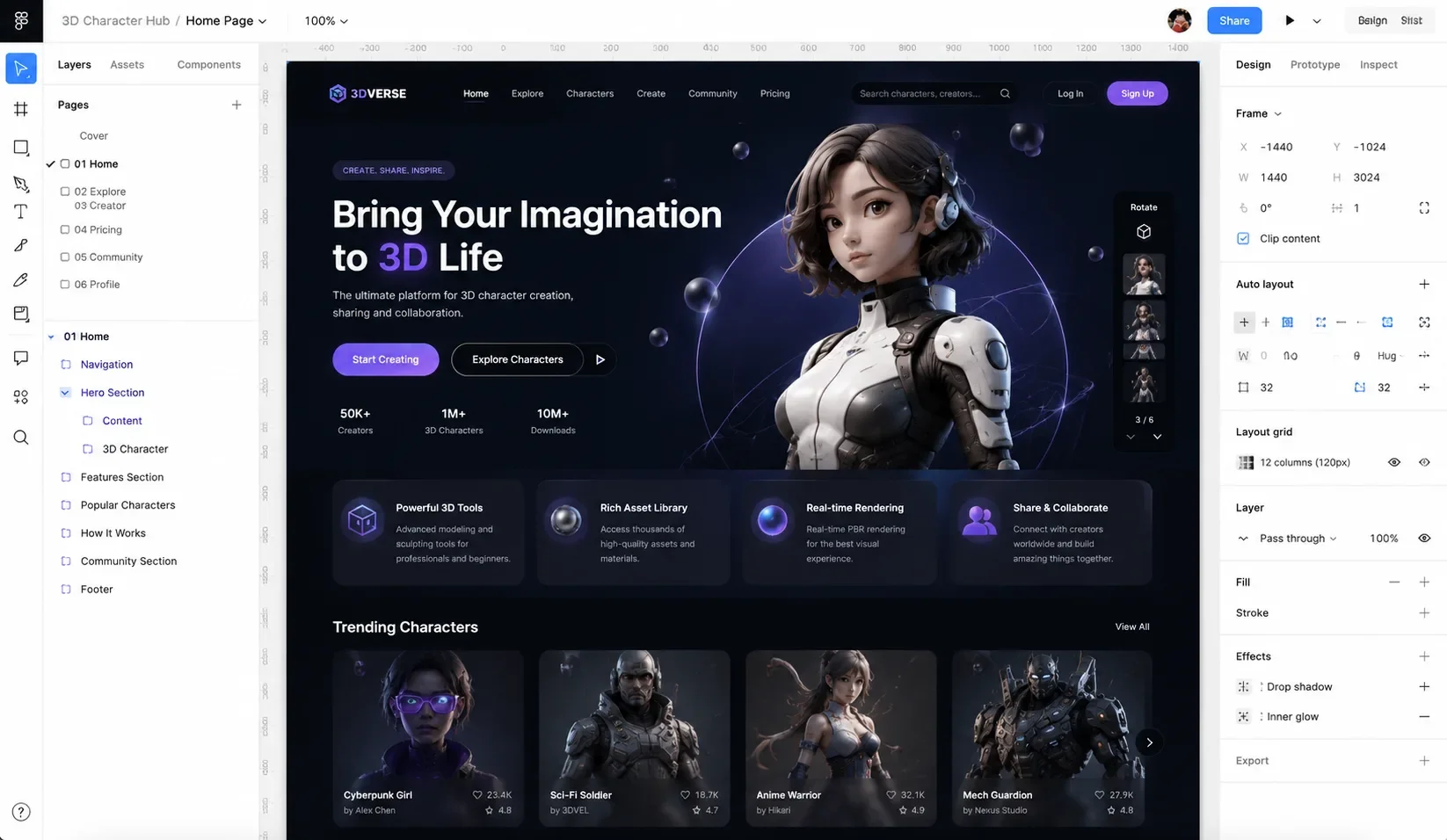
Con il suo flusso di lavoro UI/UX collaborativo, le ampie risorse di design e il supporto ai moderni sistemi di interfaccia, Instant Design fornisce un ambiente pratico per costruire in modo efficiente esperienze immersive di siti web 3D.
Combinando gli asset 3D generati da Tripo con le capacità di design dell'interfaccia di Instant Design, i team possono creare rapidamente interfacce di prodotto di alta qualità che bilanciano innovazione visiva e usabilità.
Tipologie popolari di design UI 3D per siti web in Instant Design
Il moderno design 3D per siti web non è più limitato ai prodotti gaming o di intrattenimento. In tutto il settore, la UI 3D è ormai ampiamente utilizzata in molte diverse categorie di interfaccia.
Sulla base delle attuali tendenze del design 3D e delle risorse create dalla community, diverse categorie principali sono diventate particolarmente popolari.
1. Siti web di prodotti AI e SaaS
Le piattaforme AI si affidano sempre più a elementi visivi 3D per comunicare innovazione e sofisticazione tecnica.
Questi siti web includono spesso:
- Oggetti 3D fluttuanti
- Hero section dinamiche
- Effetti visivi generati con AI
- Showcase di prodotto interattivi
- Esperienze di onboarding guidate dal movimento
Gli elementi 3D aiutano i prodotti AI ad apparire più futuristici, immersivi e visivamente differenziati nei mercati competitivi.
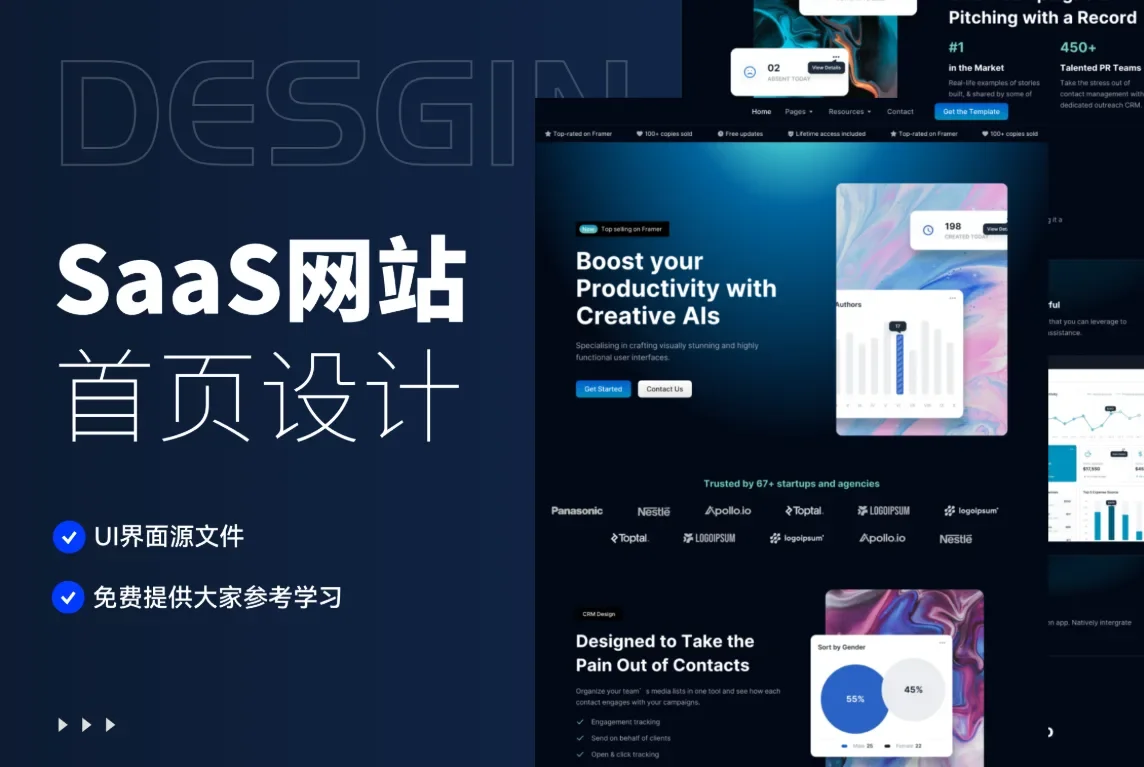
Questo stile è ora comunemente utilizzato in:
- Piattaforme di generazione di immagini AI
- Strumenti video AI
- Prodotti SaaS creativi
- Software di produttività
- Strumenti per sviluppatori
Poiché molti prodotti AI si concentrano fortemente sulle esperienze visive, il design UI immersivo è diventato una parte importante del branding di prodotto.
2. Siti web vetrina di prodotti tecnologici
La UI 3D è anche ampiamente utilizzata nella presentazione dei prodotti tecnologici.
I brand usano sempre più modelli di prodotto 3D interattivi invece della fotografia statica di prodotto.
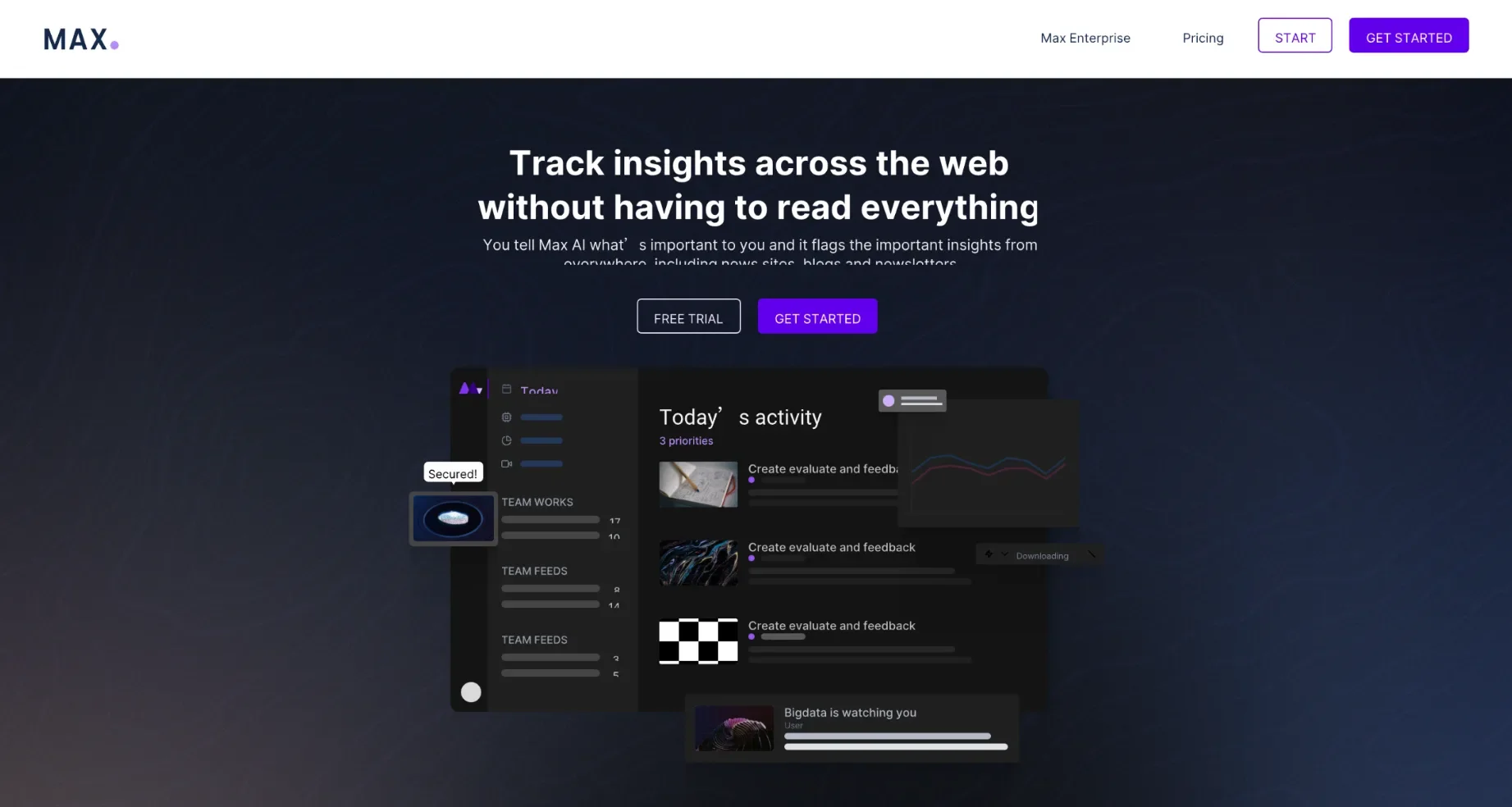
Le applicazioni comuni includono:
- Esposizioni di prodotti hardware
- Demo di interazione con i dispositivi
- Visualizzazione dell'assemblaggio del prodotto
- Animazioni di scomposizione delle funzionalità
- Presentazioni in vista esplosa
Queste esperienze aiutano gli utenti a comprendere i prodotti in modo più intuitivo, creando al contempo un coinvolgimento visivo più forte.
Per le aziende che lanciano nuovo hardware o dispositivi digitali, la visualizzazione 3D del prodotto è diventata un potente strumento di storytelling.
3. Interfacce gaming e di intrattenimento
I siti web gaming sono stati tra i primi ad adottare sistemi UI 3D immersivi.
Oggi, molte piattaforme gaming utilizzano:
- Ambienti cinematografici
- Personaggi animati
- Scene interattive
- Sistemi di illuminazione dinamica
- Transizioni visive in tempo reale
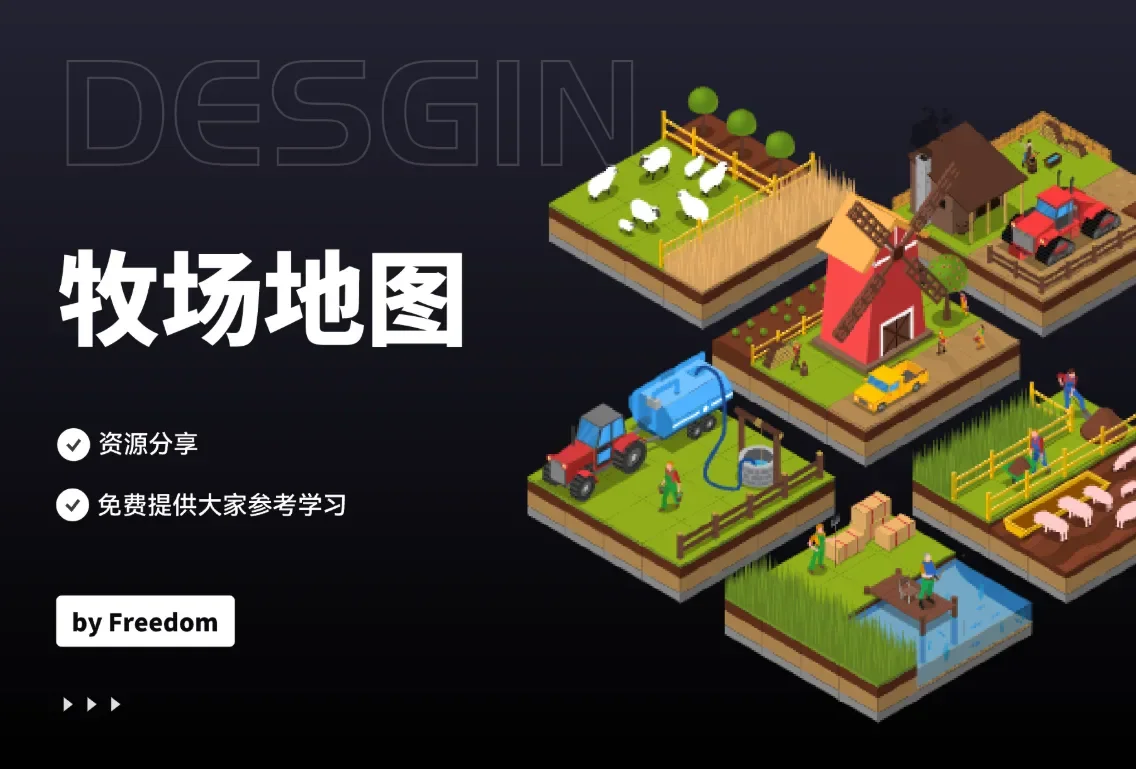
Questi elementi creano esperienze utente emotivamente coinvolgenti e rafforzano la connessione tra l'interfaccia e il worldbuilding del gioco.
Anche le piattaforme di intrattenimento, i siti web anime e i prodotti per mondi virtuali utilizzano sempre più approcci di design simili.
4. Siti web e-commerce ed esperienze di brand
Anche il design UI dei moderni siti web e-commerce sta integrando più contenuti 3D interattivi.
Invece di affidarsi solo a immagini di prodotto piatte, i brand ora mostrano i prodotti attraverso:
- Visualizzazioni di prodotto a 360 gradi
- Esplorazione interattiva del prodotto
- Rivelazioni animate del packaging
- Esperienze virtual try-on
- Scene 3D basate sul lifestyle
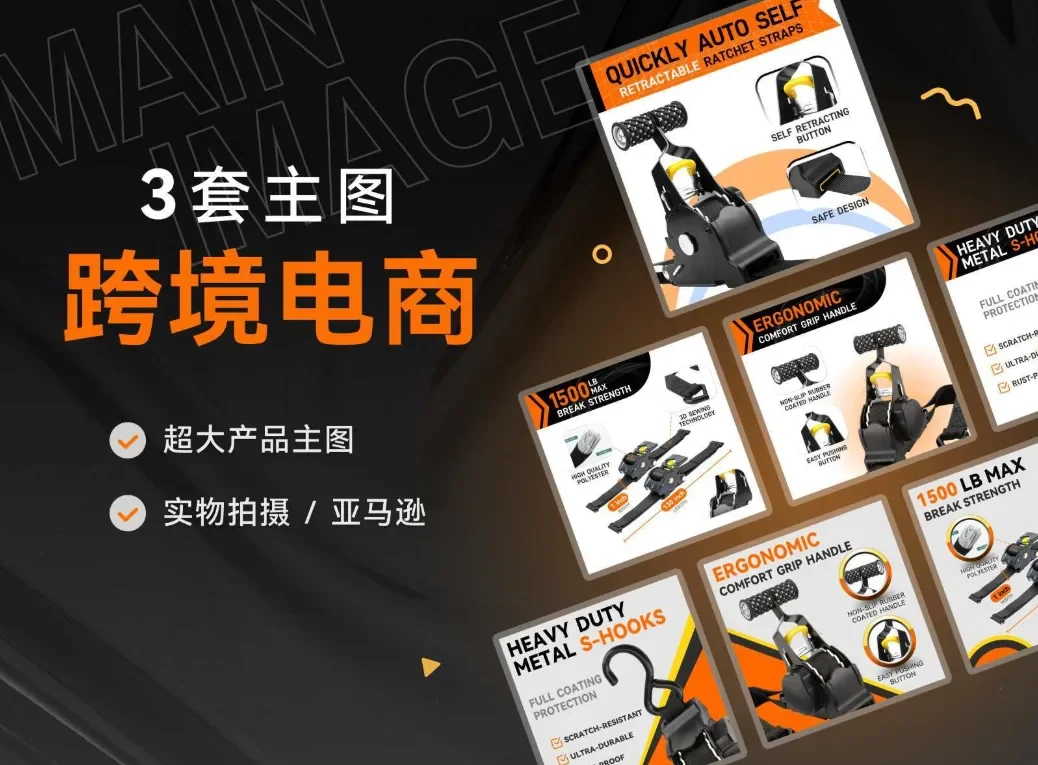
Brand di lusso, aziende di moda, prodotti cosmetici ed elettronica di consumo utilizzano sempre più sistemi UI immersivi per migliorare la presentazione del prodotto e il coinvolgimento dei clienti.
5. Portfolio e siti web di agenzie creative
I professionisti creativi usano spesso la UI 3D per siti web per dimostrare capacità tecniche e identità visiva.
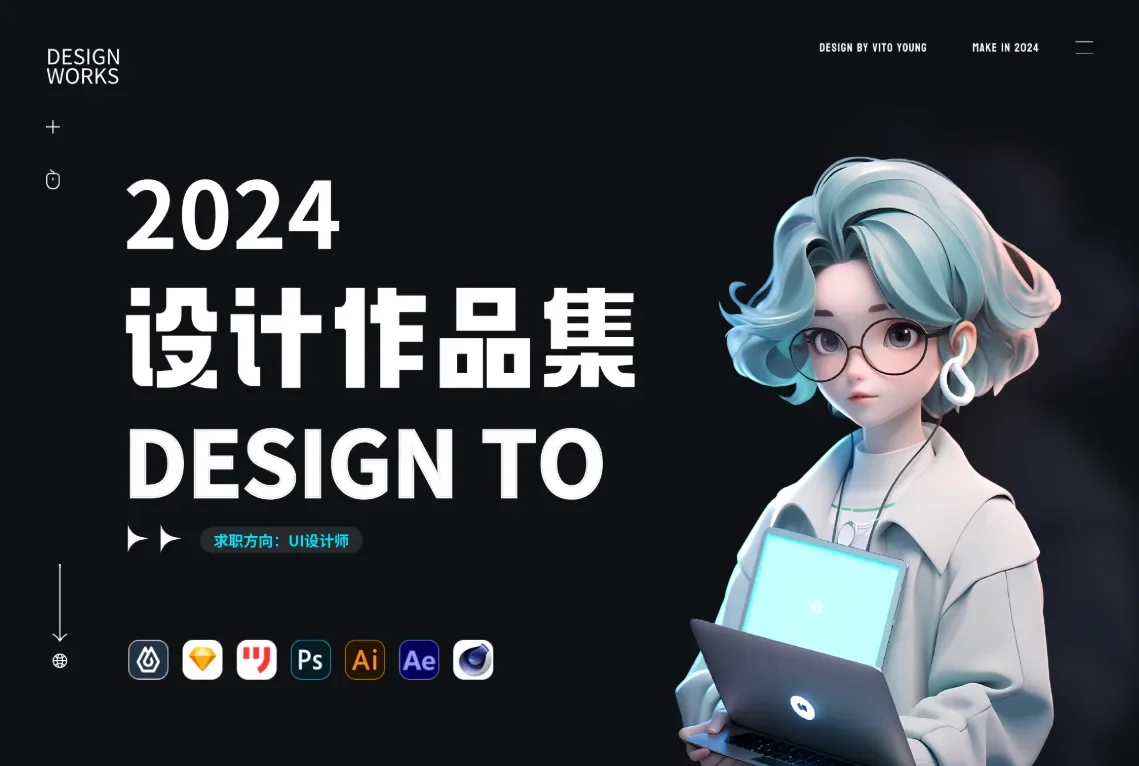
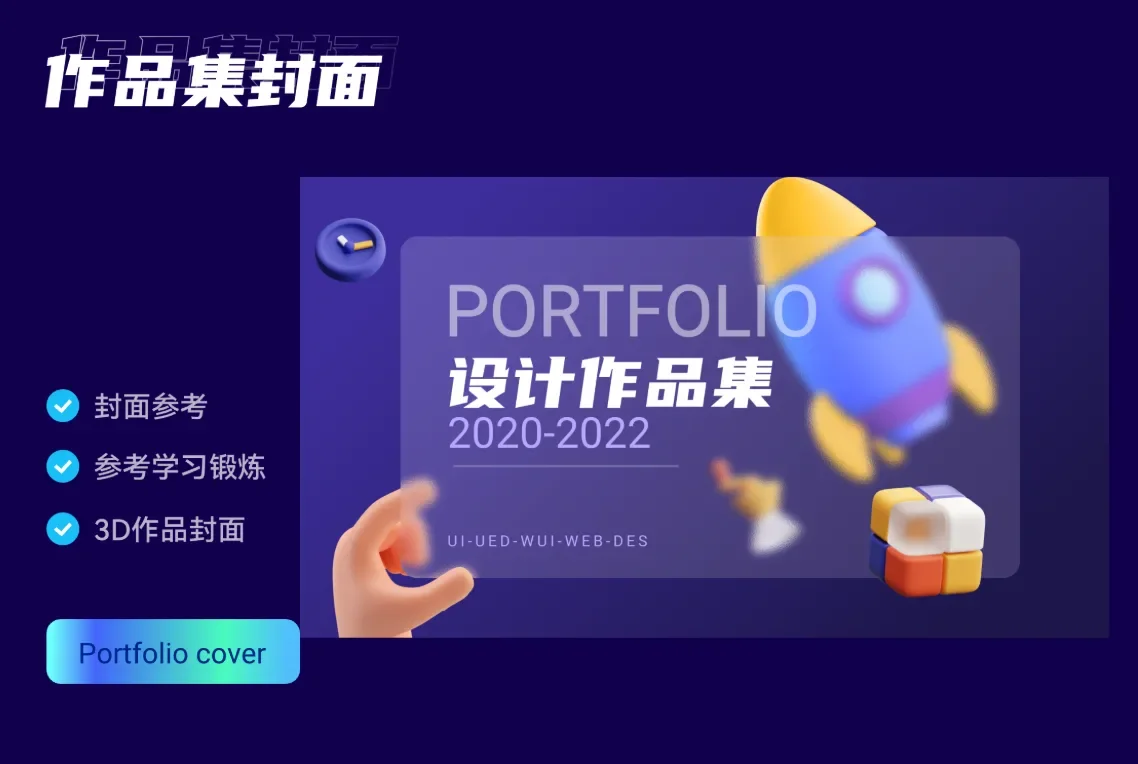
Questi siti web presentano comunemente:
- Composizioni 3D astratte
- Navigazione basata sul movimento
- Storytelling visivo interattivo
- Layout sperimentali
- Transizioni di scena stilizzate
Per studi, designer e agenzie creative, il design UI immersivo aiuta a creare un'impressione di brand più forte, mettendo al contempo in mostra la competenza progettuale.
Considerazioni finali
Man mano che le esperienze digitali immersive continuano a evolversi, la UI 3D per siti web sta diventando una parte sempre più importante del moderno design di prodotto. Gli asset 3D generati con AI e gli strumenti collaborativi di design dell'interfaccia stanno abbassando drasticamente la barriera alla creazione di esperienze visivamente coinvolgenti.
Per i team che esplorano il futuro della UI/UX, integrare contenuti 3D generati con AI in sistemi di design scalabili potrebbe diventare uno dei flussi di lavoro distintivi del design di prodotto digitale di nuova generazione.