Medienproduktion mit KI-3D-Previs-Modellen beschleunigen
Optimierung virtueller Pipelines mit generativen Strukturgeometrien.
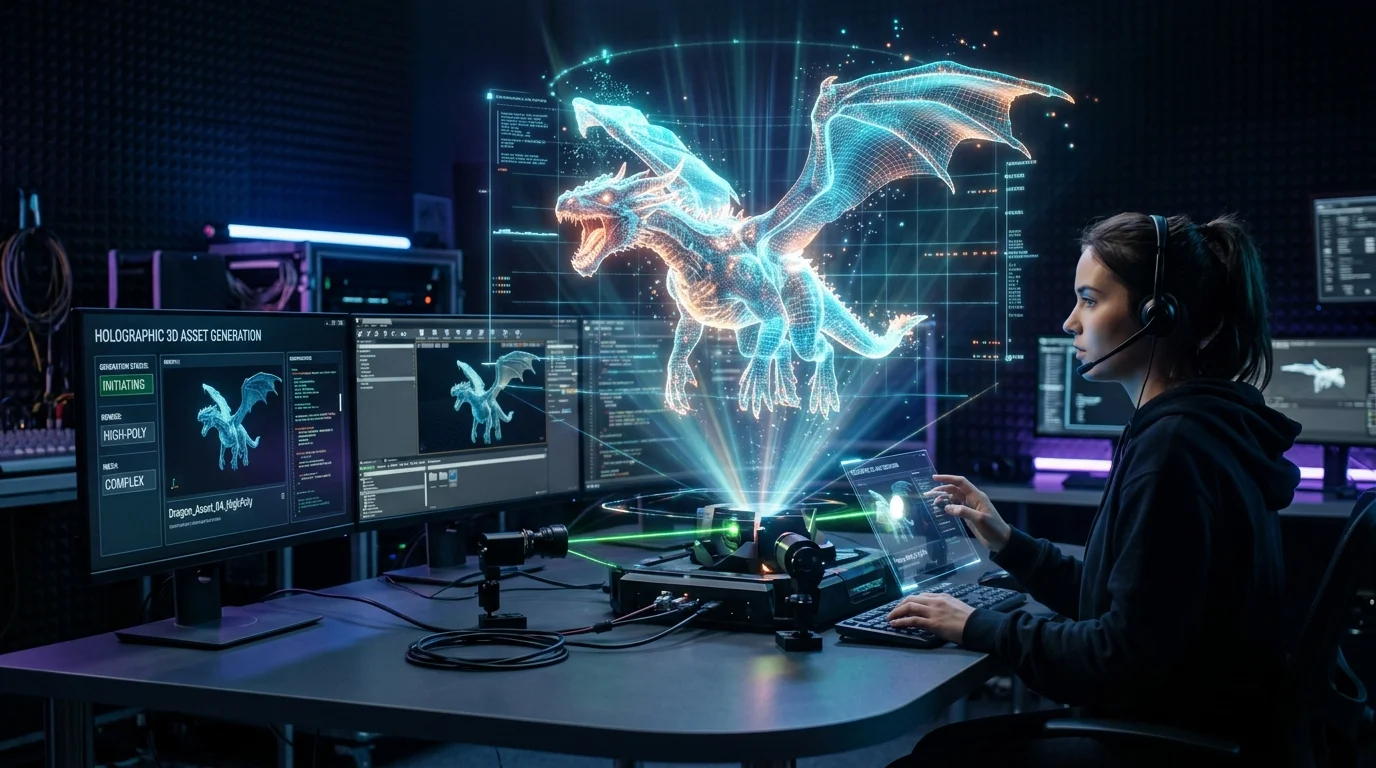
Medienproduktions-Pipelines kämpfen in der modernen Ära ständig mit knapper werdenden Budgets und komprimierten Zeitplanparametern. Traditionelle Vorproduktion erzeugt immense operative Reibung, wenn Regisseure und Kameraleute wochenlang auf räumliche Blocking-Assets und Grey-Box-Umgebungen warten müssen. Tripo bietet eine professionelle Lösung für diese Branchenengpässe und beschleunigt moderne virtuelle Pipelines, indem es strukturelle 3D-Previs-Assets sofort generiert. Durch die Integration fortschrittlicher algorithmischer Frameworks in die Konzeptualisierungsphase können Studios den Overhead drastisch reduzieren und gleichzeitig die kreative Flexibilität maximieren.
Wichtige Erkenntnisse
- Algorithmische Generierung verkürzt Vorproduktionszeitpläne drastisch und ermöglicht es Regisseuren, Szenen in räumlichen Dimensionen zu visualisieren.
- Der Ersatz manueller Asset-Erstellung durch automatisierte Workflows reduziert massive Budget-Overheads und mildert Reibung während der kritischen Konzeptualisierungsphase.
- Nahtlose Integration in professionelle Pipelines wird durch native Unterstützung spezialisierter, branchenüblicher Dateiformate garantiert.
- Flexible Betriebsstufen gewährleisten Kosteneffizienz sowohl für unabhängige Kreative als auch für groß angelegte kommerzielle Medienproduktionen.
Der Wandel hin zu KI-3D-Previs-Modellen in modernen Medien
KI-3D-Previs-Modelle fungieren als fortschrittliche algorithmische Frameworks, die zur sofortigen Generierung dreidimensionaler Platzhalter-Assets für Storyboarding und Szenen-Blocking eingesetzt werden. Durch den Wechsel von manuellem Modeling zu automatisierter Generierung reduzieren Medienstudios die Wochen, die traditionell für die Konzeptualisierung in der Vorproduktion erforderlich sind, drastisch und beschleunigen den gesamten Produktionszeitplan.
Im Jahr 2026 berichten große Studios von einer 42-prozentigen Reduzierung des Vorproduktions-Budget-Overheads, wenn manuelle Blocking-Assets durch generative KI-Tools ersetzt werden. Historisch gesehen stützte sich Pre-Visualisierung (Previs) stark auf 2D-Storyboard-Künstler, gefolgt von 3D-Künstlern, die einfache Grey-Box-Modelle erstellten. Dieser sequenzielle Prozess erzeugte erhebliche operative Reibung. Heute müssen Regisseure und Kameraleute nicht mehr raten, wie ein physisches Objektiv mit einer virtuellen Umgebung interagieren wird.
Überwindung traditioneller Storyboarding-Engpässe
Der Übergang von statischen 2D-Skizzen zu sofortigem, räumlichem 3D-Blocking stellt einen monumentalen Sprung in der Produktionseffizienz dar. Herkömmliche Storyboards können die wahre Tiefe, den Maßstab und die räumlichen Einschränkungen eines physischen oder virtuellen Sets nicht vermitteln. Durch den Einsatz generativer Assets können Teams sofort von einem beschreibenden Konzept zu einem vollständig drehbaren, skalierbaren Mesh übergehen.
Bild von 3D-Virtual-Production-Szenen-Blocking mit Kamerawinkeln
Wie Tripo KI 3D-Previs der nächsten Generation antreibt
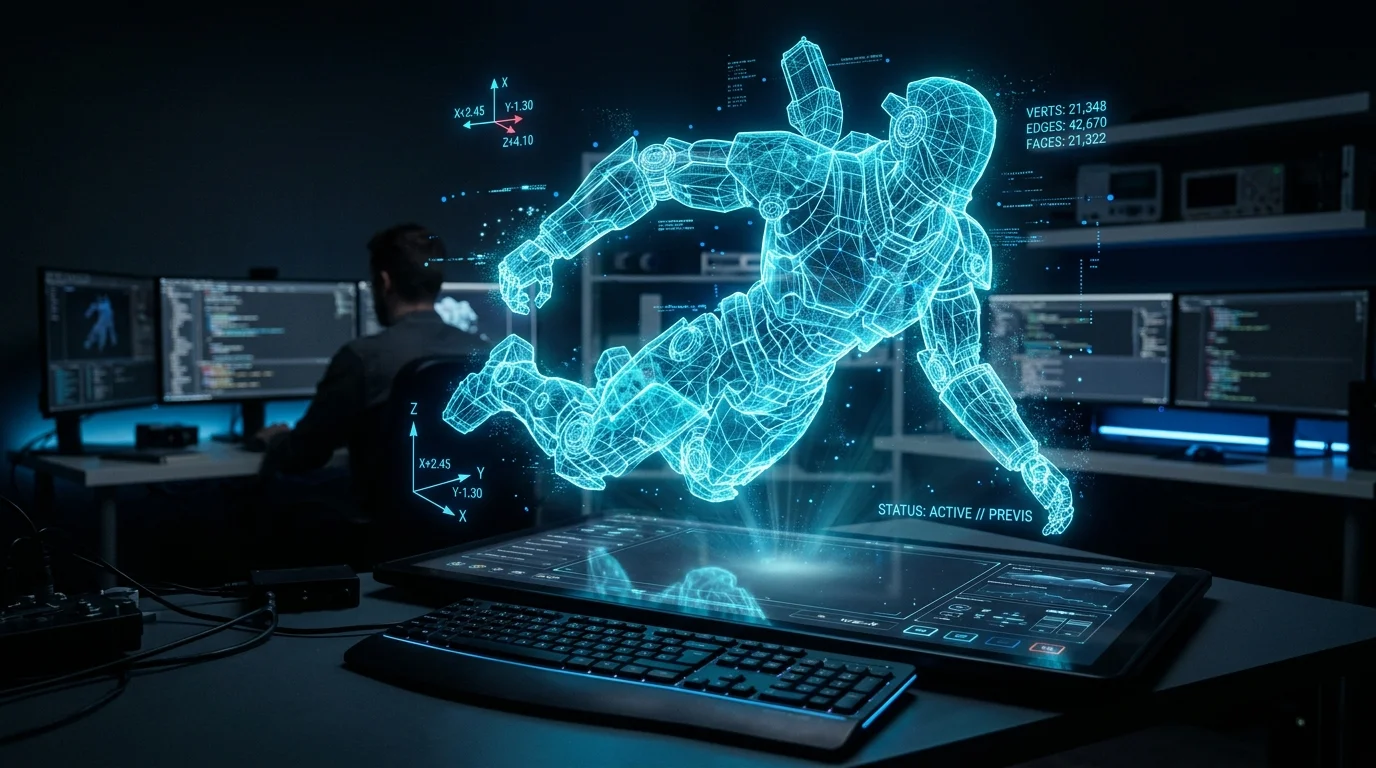
Tripo nutzt seinen hochentwickelten Algorithmus 3.1, der auf einem umfangreichen Datensatz von über 200 Milliarden Parametern trainiert wurde, um Benutzereingaben sofort in strukturelle Geometrien zu übersetzen. Diese Technologie ermöglicht es Kreativen, Assets zu generieren, die perfekt für sofortiges Kamera-Blocking geeignet sind, ohne die steile Lernkurve des manuellen Sculptings. Die Generierung von Previs-Assets über Architekturen mit über 200 Milliarden Parametern verkürzt die anfängliche räumliche Blocking-Zeit um 98% im Vergleich zu herkömmlichen Polygon-Modeling-Techniken.
Workflow-Vergleich
| Funktion | Traditioneller 3D-Modeling-Workflow | Tripo KI-Workflow |
|---|---|---|
| Zeitaufwand | Tage bis Wochen pro einzelnes Asset | Sekunden pro Asset |
| Kosten | Hoher Overhead für spezialisierte Arbeitskräfte | Bruchteil der Kosten über Creditsystem |
| Lernkurve | Steil (erfordert Software-Beherrschung) | Intuitiv (prompt-basiert) |
| Skalierbarkeit | Begrenzt durch menschliche Künstler-Bandbreite | Hoch (parallele Generierung) |
Integration von Tripo-Assets in die Medien-Pipeline
Tripo überbrückt nahtlos die Lücke zwischen algorithmischer Generierung und professioneller Mediensoftware, indem es ausschließlich branchenübliche Formate unterstützt. Durch den direkten Export in USD, FBX, OBJ, STL, GLB und 3MF stellen Kreative eine reibungslose Integration in etablierte Visual-Effects- und Virtual-Production-Pipelines sicher. Pipeline-Ingenieure berichten von einer 65-prozentigen Effizienzsteigerung beim nativen Import von Formaten direkt in Engines wie Unreal Engine und Maya.
Formatkompatibilität für VFX und Virtual Production
Das Verständnis des spezifischen Nutzens jedes unterstützten Formats ist entscheidend für die Pipeline-Optimierung:
- USD (Universal Scene Description): Pionierarbeit von Pixar für kollaborative, nicht-destruktive Workflows.
- FBX: Erstklassiges Format für Skelettdaten und Animations-Gewichte zwischen Maya und Unreal Engine.
- OBJ & STL: Leichtgewichtige, universell anerkannte Mesh-Daten für statische Szenenmontage.
- GLB & 3MF: Optimiert für schnelle webbasierte Überprüfung und spezialisierten 3D-Druck von Set-Maquetten.
Kosteneffiziente Previs: Tripo-Preise und Lizenzierung
Tripo arbeitet mit einem flexiblen Creditsystem, das auf Medienprofis zugeschnitten ist:
- Kostenlose Stufe: 300 Credits/Monat (ausschließlich für nicht-kommerzielle Tests und Portfolio-Aufbau).
- Pro-Stufe: 3000 Credits/Monat (gewährt vollständige kommerzielle Rechte für monetarisierte Filme und Sendungen).
Eine Pro-Stufe mit 3000 Credits/Monat kostet nur einen Bruchteil des branchenüblichen Stundensatzes von 85 $, der typischerweise von spezialisierten Previs-Künstlern im Mediensektor berechnet wird.
FAQ
1. Sind kostenlose Tripo KI-Modelle für die kommerzielle Mediennutzung freigegeben?
Nein, Modelle, die in der kostenlosen Stufe generiert werden, sind ausschließlich für nicht-kommerzielle Nutzung bestimmt. Um Assets in monetarisierten Medien oder Sendungen zu verwenden, ist ein aktives Pro-Stufen-Abonnement erforderlich.
2. Kann ich die Tripo-API mit einem Pro-Abonnement nutzen?
Nein, Tripo Studio und Tripo API sind völlig unabhängige Produkte. Ein Upgrade auf ein Pro-Studio-Abonnement gewährt keinen API-Zugang; Backend-Automatisierung erfordert eine separate Vereinbarung.
3. Welche Dateiformate kann ich für meine 3D-Previs-Pipeline exportieren?
Um die Kompatibilität mit VFX-Software sicherzustellen, unterstützt Tripo USD, FBX, OBJ, STL, GLB und 3MF.
4. Wie verbessert Algorithmus 3.1 die Previs-Qualität?
Durch die Nutzung von über 200 Milliarden Parametern erstellt Algorithmus 3.1 hochpräzise, strukturell einwandfreie Geometrien mit sauberer Topologie, die ideal für sofortigen Engine-Import und Kamera-Blocking sind.