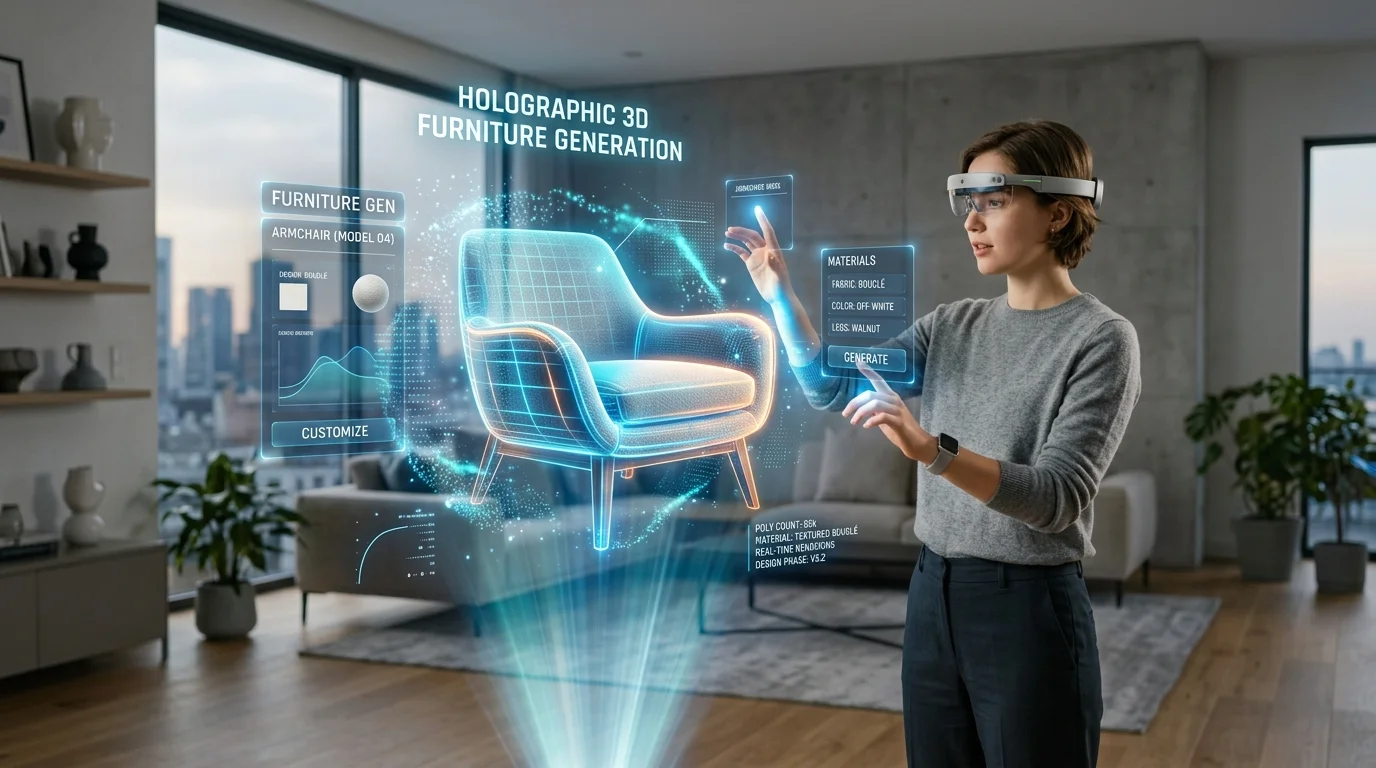
Автоматизация планировки помещений с помощью ИИ для 3D-дизайна интерьера
Преобразование плоских чертежей в функциональные 3D-пространства с помощью передовой автоматизации
Дизайн интерьера и архитектурное проектирование исторически страдали от утомительных циклов ручного черчения, которые задерживают утверждение проектов и увеличивают операционные расходы. Интеграция передовых рабочих процессов ИИ 3D дизайна дома может радикально изменить этот процесс. Преобразование двухмерных планов этажей в понятные трехмерные пространственные модели требует часов кропотливой корректировки геометрии и размещения отдельных объектов.
Интегрируя генератор 3D-моделей на базе ИИ, профессионалы могут мгновенно преобразовывать базовые параметры в полностью реализованные планировки, устраняя традиционные точки трения и ускоряя этап концептуального проектирования.
Ключевые выводы
- Интеллектуальный пространственный анализ преобразует исходные размеры и структурные ограничения в точные, пропорциональные трехмерные среды.
- Автоматизированное размещение мебели учитывает эргономические стандарты и проходы, обеспечивая немедленную физическую функциональность.
- Быстрое прототипирование планировок значительно сокращает время, необходимое для итераций с клиентами и утверждения пространственных решений.
- Стандартизированные возможности экспорта позволяют легко переходить от генерации с помощью искусственного интеллекта к профессиональному CAD и архитектурному программному обеспечению.
Эволюция планировки помещений в 2026 году
Переход от ручного черчения к интеллектуальной пространственной генерации знаменует собой фундаментальный сдвиг в архитектурных рабочих процессах. Используя передовой искусственный интеллект, дизайнеры достигают невероятной скорости и точности, мгновенно превращая плоские чертежи и концепции в высокоточные, функциональные 3D-среды, соответствующие современным отраслевым стандартам.
Преодоление традиционных препятствий при планировании этажей
На протяжении десятилетий стандартная процедура планировки интерьера требовала линейного, трудоемкого подхода. Архитекторы и дизайнеры начинали проекты с создания двухмерных чертежей, нанося стены, окна и двери с высокой точностью размеров. Однако «узкое место» постоянно возникало при переходе от плоских чертежей к объемной визуализации.
В 2026 году отрасль преодолела эти архаичные ограничения благодаря автоматизированной пространственной генерации. Современные интеллектуальные системы рассматривают комнату как целостное пространственное уравнение. Технология рассчитывает оптимальное расположение физических объектов в заданных границах за долю времени, позволяя проектным фирмам направлять человеческие ресурсы на творческую доработку, а не на повторяющееся геометрическое построение.
Как Tripo AI ускоряет пространственную визуализацию
Достижение такого уровня автоматизированной пространственной визуализации требует мощной вычислительной инфраструктуры. В основе Tripo AI лежит алгоритм 3.1, разработанный с использованием более 200 миллиардов параметров, который обрабатывает сложные архитектурные ограничения для создания высокодетализированных, структурно корректных сеток за считанные секунды.
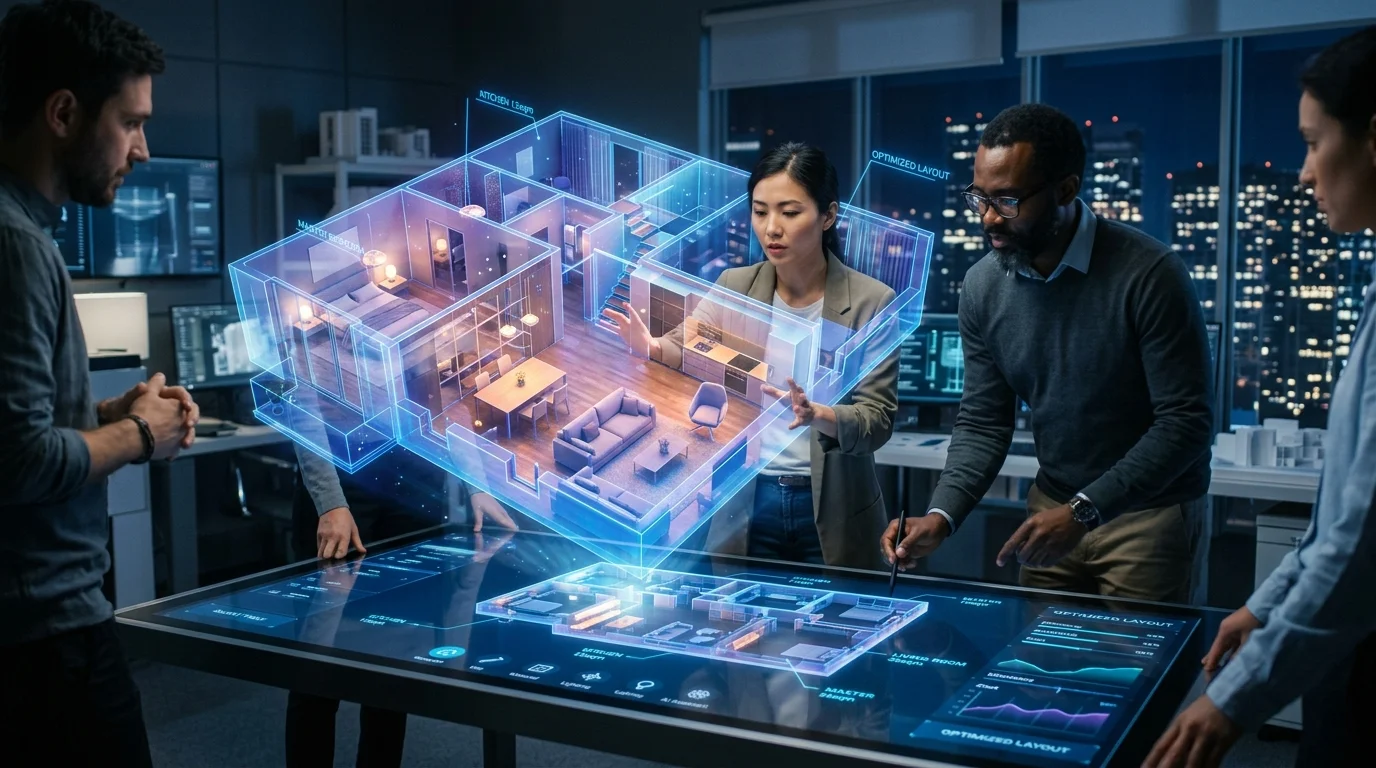
Как автоматизировать планировку помещений с помощью ИИ для 3D-дизайна интерьера
Освоение автоматизированного рабочего процесса позволяет профессионалам мгновенно создавать функциональные планировки помещений с высокой точностью. Чтобы изучить специализированные инструменты для этого процесса, посетите ИИ 3D дизайн дома.
Определение пространственных параметров и стилей дизайна
Профессионалы вводят точные размеры комнаты, включая высоту потолка и длину стен. Используя структуру текст в 3D-модель, пользователи могут задавать нюансы дизайна — от стиля середины века (Mid-Century Modern) до минималистичных индустриальных сред. Система интерпретирует эти запросы, гарантируя, что сгенерированные объекты идеально вписываются в физические ограничения комнаты.
Экспорт планировок для профессионального ПО (FBX, OBJ, GLB)
После завершения автоматизированной планировки модели должны быть извлечены для структурного рендеринга или дальнейшей инженерной доработки. Поддержка универсальных типов файлов обязательна. Профессионалы могут выполнять экспорт в форматах USD, FBX, OBJ, STL, GLB и 3MF, обеспечивая полную совместимость с внешними движками рендеринга. Во время конвертации 3D-форматов крайне важно, чтобы топологическая чистота и пространственные координаты были сохранены.
Ключевые преимущества автоматизации планировки интерьера на базе ИИ
Максимизация площади пола и эргономическая эффективность
Автоматизированное планирование исключает человеческие ошибки за счет строгого соблюдения установленных эргономических правил. Система автоматически рассчитывает свободное пространство, необходимое между объектами, обеспечивая стандартные проходы (например, 36 дюймов для основных путей передвижения), гарантируя, что каждая планировка является функциональной.
Бесшовная итерация для презентаций клиентам в реальном времени
Автоматизация позволяет вносить изменения «на лету». Если клиент хочет увидеть другую конфигурацию рассадки, дизайнер может настроить параметры и мгновенно сгенерировать обновленную 3D-планировку прямо во время встречи. Система работает строго на основе кредитов (Бесплатный тариф: 300/мес для оценки; Профессиональный тариф: 3000/мес с полной коммерческой лицензией).
Часто задаваемые вопросы
В: Может ли ИИ для 3D-дизайна интерьера создавать функциональные планировки для комнат нестандартной формы?
О: Да. Tripo AI динамически адаптируется к нестандартным планам этажей, вычисляя угловые пересечения и криволинейные периметры, гарантируя, что пространственная генерация точно соответствует уникальному архитектурному контуру.
В: Какие форматы 3D-файлов я могу экспортировать для своего архитектурного рабочего процесса?
О: Поддерживаемые типы файлов включают USD, FBX, OBJ, STL, GLB и 3MF, что позволяет сохранить структурную целостность и точные пространственные координаты для дальнейшей доработки.
В: Как ИИ обеспечивает функциональное размещение мебели в автоматизированных планировках?
О: Базовый алгоритм анализирует структуру комнаты, чтобы предотвратить наложение моделей друг на друга, и соблюдает стандартные проходы и эргономические пороги, гарантируя, что итоговая планировка будет практически удобной для использования.