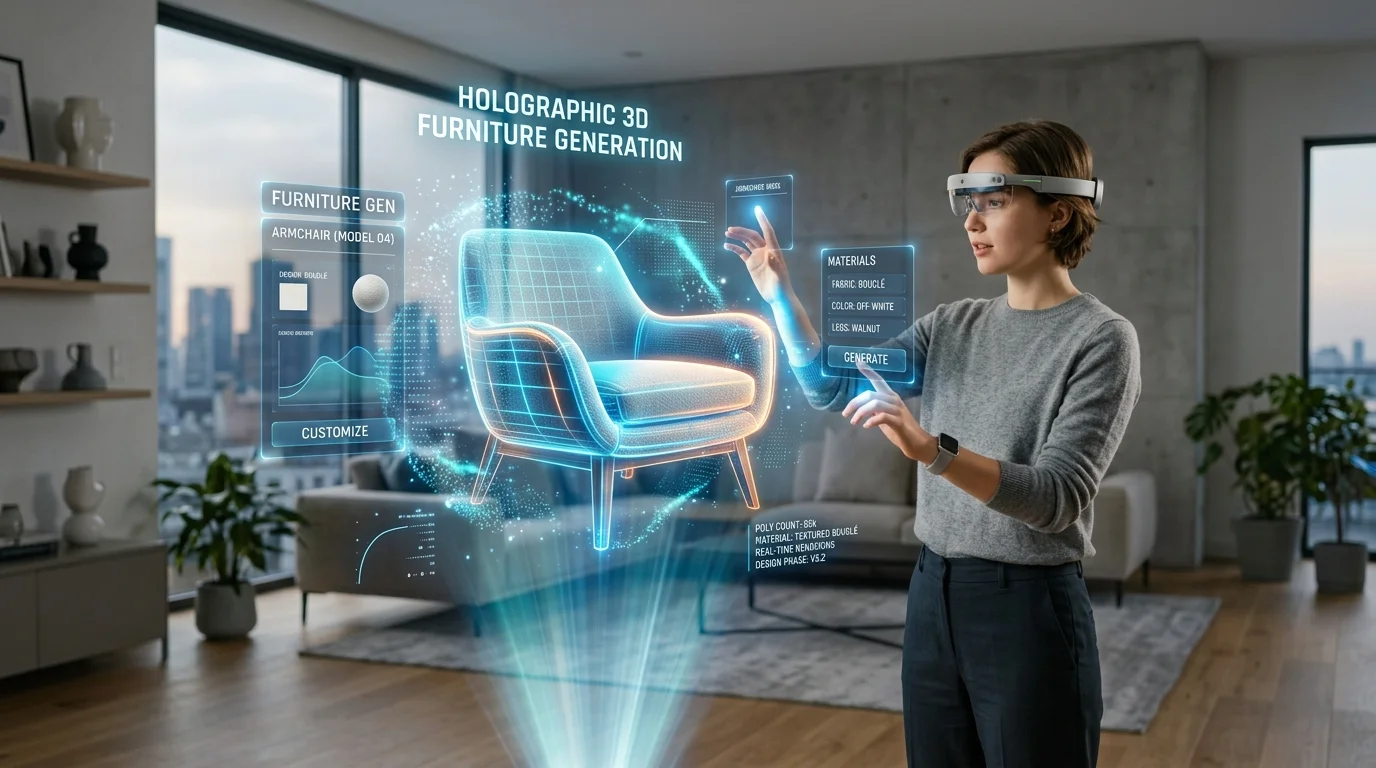
ИИ-планировщик 3D-комнат для оптимизации офисного пространства
Передовые ИИ-решения для эффективных коммерческих планов этажей и создания модульных рабочих пространств
Коммерческая недвижимость сталкивается с беспрецедентным давлением, требующим максимального использования площади при адаптации к динамичным стилям работы. Традиционное планирование пространства опирается на статические двухмерные чертежи, которые не передают пространственные реалии, что приводит к дорогостоящим модификациям после строительства и неэффективной плотности рабочих мест. Используя передовое ИИ-решение для 3D-рабочих пространств, современные управляющие объектами и архитекторы могут быстро преобразовывать плоские планировки в интеллектуальные, полностью оптимизируемые трехмерные среды. Для тех, кто хочет расширить эти возможности до жилых проектов, ознакомьтесь с нашими профессиональными решениями по ИИ-дизайну 3D-интерьеров.
Ключевые выводы
- Алгоритмический пространственный анализ мгновенно оценивает сотни вариантов планировки для максимизации эффективности коммерческого плана этажа.
- Быстрая генерация модульных офисных объектов значительно сокращает этап концептуального проектирования для архитекторов интерьеров.
- Пространственные улучшения на основе данных обеспечивают измеримый возврат инвестиций при масштабной модернизации объектов.
- Бесшовная интеграция с существующими архитектурными рабочими процессами ускоряет переход от виртуального прототипа к готовым к строительству чертежам.
Роль ИИ-планировщика 3D-комнат в коммерческих пространствах
В этом разделе рассматривается, как ИИ-планировщики 3D-комнат анализируют сложные пространственные данные для интеллектуальной максимизации плотности рабочих мест, естественного улучшения потока сотрудников и, в конечном итоге, повышения благополучия на рабочем месте в современных коммерческих офисах путем оценки множества вариантов планировки за считанные секунды.
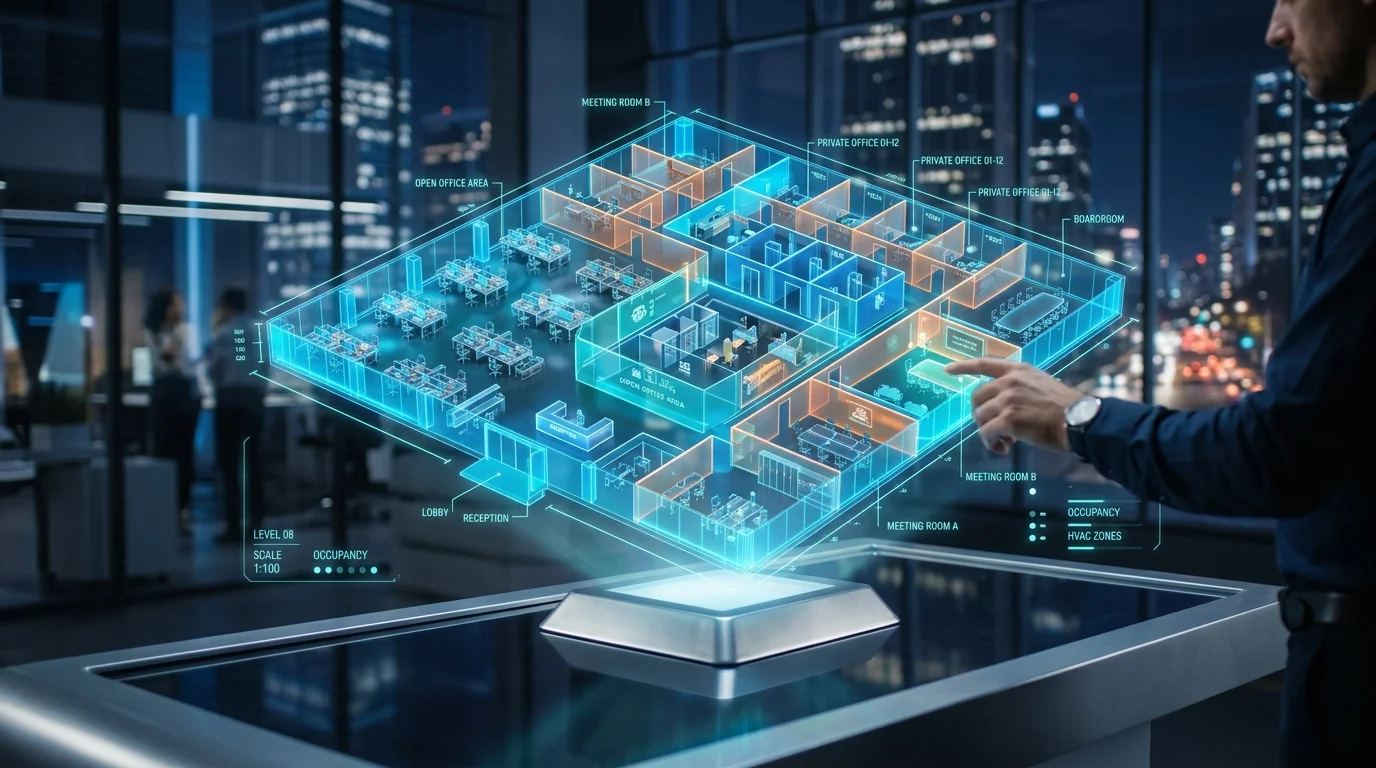
Максимизация эффективности плана этажа и рентабельности инвестиций
Фундаментальная задача управления коммерческой недвижимостью — баланс между вместимостью арендаторов и пространственным комфортом. В 2026 году искусственный интеллект фундаментально меняет подход архитекторов к этому показателю. Передовые системы планирования комнат принимают стандартные плоские планы этажей и выполняют комплексный пространственный анализ для определения высокоэффективного использования каждого квадратного метра.
Баланс между зонами для совместной работы и зонами для индивидуальной работы
Современные коммерческие среды требуют сложного сочетания энергичных пространств для совместной работы и акустически изолированных зон для глубокой концентрации. Искусственный интеллект превосходно справляется с картированием этих противоречивых требований к акустике и трафику на одном плане этажа. Моделируя ежедневные паттерны перемещения сотрудников, система выявляет потенциальные точки скопления людей и зоны акустических утечек.
Использование Tripo AI для быстрого прототипирования офисов
Этот сегмент подробно описывает, как Tripo AI дает архитекторам и управляющим объектами возможность мгновенно генерировать пользовательскую модульную мебель и разнообразные офисные объекты, значительно сокращая этап концептуального проектирования.
Генерация пользовательских моделей эргономичной мебели
Tripo AI полностью обходит традиционные узкие места, позволяя дизайнерам создавать мебель для офиса по запросу. Благодаря применению технологии преобразования текста в 3D-сетку, архитектор может задать точные параметры для модульных столов, эргономичных кресел и элементов для зон отдыха. Используя алгоритм 3.1 с более чем 200 миллиардами параметров, Tripo AI гарантирует, что каждый сгенерированный объект сохраняет точную структурную достоверность.
Интеграция с архитектурными рабочими процессами
Tripo AI поддерживает экспорт в форматах USD, FBX, OBJ, STL, GLB и 3MF. Такая широкая поддержка форматов гарантирует, что независимо от того, визуализирует ли команда проект в Unreal Engine для прохода в реальном времени или импортирует структурные планировки в Revit для инженерного анализа, данные остаются целостными. Профессионалы могут дополнительно оптимизировать свою совместимость, используя специализированные протоколы конвертации 3D-форматов.
Ключевые преимущества оптимизации офисного пространства с помощью ИИ
Внедрение передовых ИИ-инструментов в планирование коммерческой недвижимости обеспечивает максимальный возврат инвестиций при модернизации и ремонте объектов.
Снижение затрат на итерации дизайна
Внедрение искусственного интеллекта фундаментально перестраивает финансовую модель проектирования. В экосистеме Tripo AI организации не сталкиваются с задержками или ограничением вычислительных мощностей. Результатом является высокопредсказуемый и экономически эффективный цикл итераций, в котором дизайнеры могут создавать, отбрасывать и заново генерировать целые планировки офисов за долю стоимости традиционного ручного черчения.
Адаптация планировок к современным гибридным моделям работы
Оптимизация на основе ИИ превосходно справляется со структурированием динамических сред. Анализируя прогнозируемые данные о посещаемости и пересечении отделов, программное обеспечение рекомендует точные соотношения незакрепленных рабочих мест (hot desks) к постоянным рабочим станциям. Такое предиктивное пространственное планирование гарантирует, что портфели коммерческой недвижимости остаются устойчивыми и функциональными.
Часто задаваемые вопросы
В: Как ИИ-планировщик 3D-комнат справляется с гибридными схемами рассадки в офисе?
О: Искусственный интеллект управляет гибридной рассадкой, динамически балансируя соотношение незакрепленных рабочих мест и постоянных рабочих станций на основе пространственных ограничений и ожидаемых данных о заполняемости.
В: Может ли Tripo генерировать специфические стили коммерческой мебели для планировок офисов?
О: Да, Tripo AI создает разнообразные эргономичные кресла, модульные столы и пользовательские акустические элементы непосредственно из целевых текстовых запросов, соответствующих корпоративному бренду.
В: Какие форматы файлов следует использовать для экспорта офисных объектов Tripo AI в архитектурное программное обеспечение?
О: Профессионалам следует экспортировать объекты в форматы USD, FBX, OBJ, STL, GLB или 3MF в зависимости от целевого программного обеспечения (например, FBX/OBJ для рендеринга, GLB для веба, USD для кинематографических проходов).