Comment créer et utiliser des modèles 3D Multiversus : flux de travail d'expert
скачать 3d модели для chicken gun
Créer des modèles 3D Multiversus de haute qualité nécessite un flux de travail rationalisé, une solide compréhension des normes de production et le bon ensemble d'outils, y compris les plateformes alimentées par l'IA. D'après mon expérience, la clé est d'équilibrer la créativité et l'efficacité : je me concentre sur le prototypage rapide, l'automatisation intelligente et les meilleures pratiques pour l'optimisation des assets. Ce guide s'adresse aux artistes 3D, aux développeurs de jeux et aux créateurs de XR qui souhaitent générer, affiner et déployer des modèles prêts pour Multiversus avec un minimum de friction et un maximum de qualité.
Points clés à retenir
- Les modèles 3D Multiversus exigent des considérations uniques en matière de conception, d'optimisation et de compatibilité.
- Les outils alimentés par l'IA peuvent accélérer la création de modèles et réduire les barrières techniques.
- La préparation pour la production dépend d'une retopologie correcte, d'un dépliage UV et de l'optimisation des textures.
- La compatibilité multiplateforme est essentielle : planifiez-la dès le départ.
- Les flux de travail efficaces combinent des techniques automatisées et manuelles pour obtenir les meilleurs résultats.
- La résolution précoce des problèmes d'importation, de rigging et d'animation permet de gagner du temps par la suite.
Comprendre les modèles 3D Multiversus
Ce qui rend un modèle 3D Multiversus unique
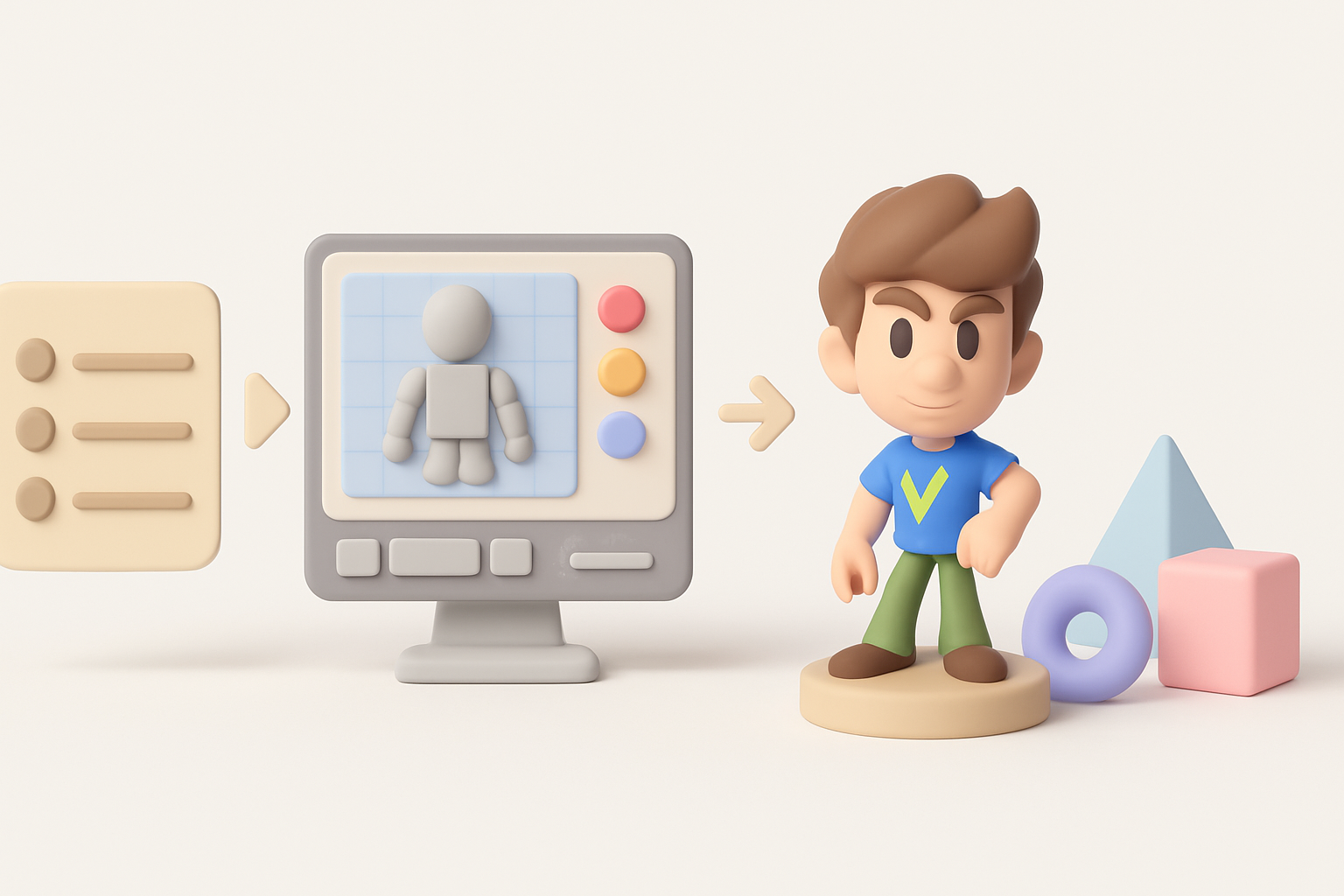
D'après mon travail pratique, les modèles 3D Multiversus se distinguent par leur esthétique stylisée, leur topologie adaptée aux jeux et leurs exigences strictes en matière d'animation et d'interopérabilité. Ces modèles doivent souvent équilibrer une conception de personnage expressive avec des contraintes techniques telles que le nombre de polygones, les îlots UV et la compatibilité du squelette.
Caractéristiques clés :
- Formes et matériaux stylisés pour un impact visuel
- Topologie propre et prête pour l'animation
- Optimisé pour le rendu en temps réel et l'utilisation multiplateforme
Cas d'utilisation courants dans les jeux et la XR
J'ai utilisé des modèles de style Multiversus dans divers scénarios :
- Personnages jouables et PNJ dans les jeux de combat et d'aventure
- Avatars XR pour des expériences immersives
- Cinématiques nécessitant des rigs faciaux expressifs
Liste de contrôle pour les cas d'utilisation :
- Confirmer les budgets de polygones et de textures
- Assurer la compatibilité du rigging et de l'animation
- Tester dans le moteur cible (Unity, Unreal, etc.)
Mon flux de travail pour créer des modèles 3D Multiversus
Du concept à la finalisation : processus étape par étape
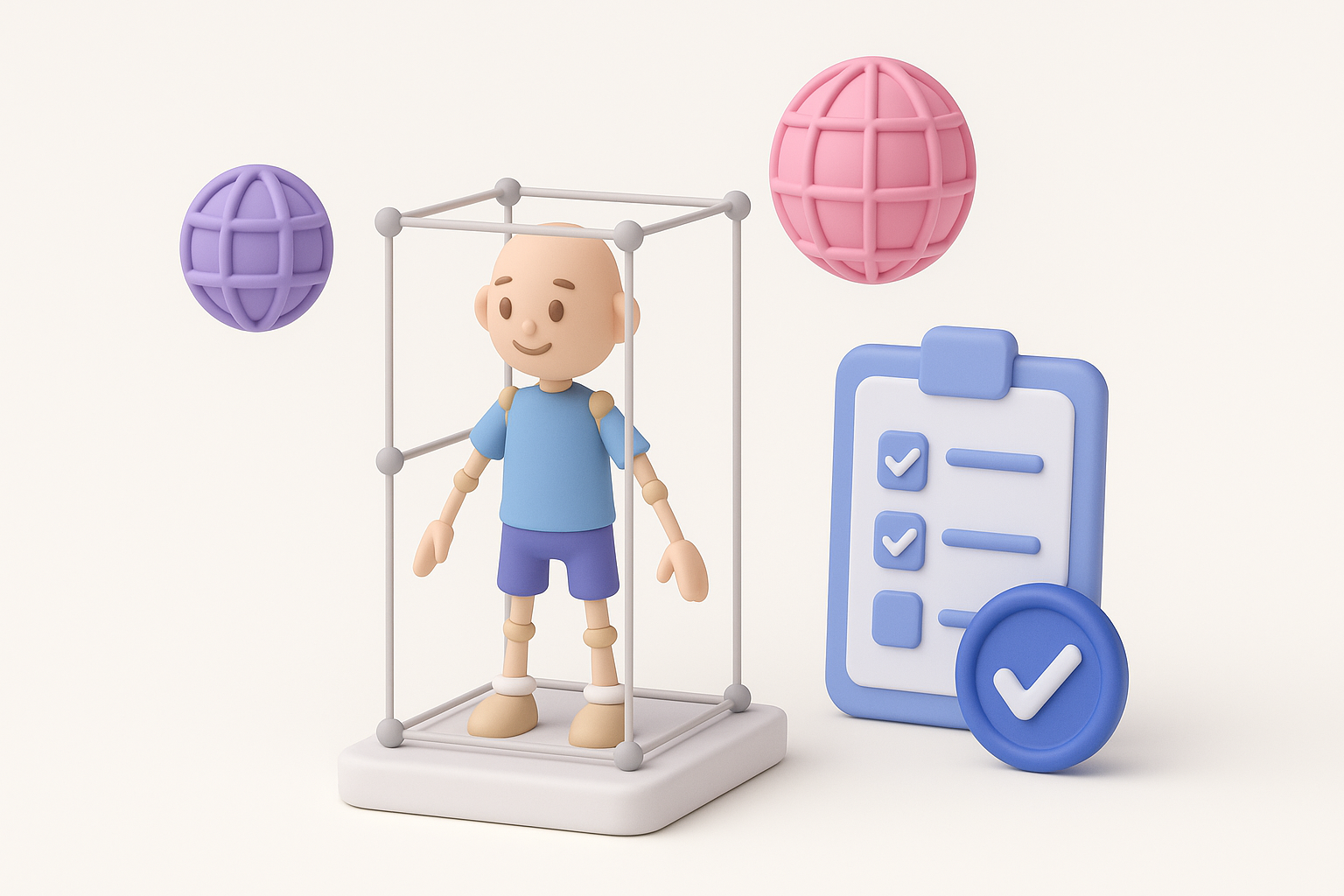
Voici mon flux de travail typique pour un modèle prêt pour Multiversus :
- Concept : Commencer par des croquis ou des images de référence.
- Génération de mesh de base par IA : J'utilise souvent Tripo AI pour générer une base stylisée rapide qui correspond au concept.
- Segmentation et affinement : Nettoyer la géométrie, séparer les parties du mesh si nécessaire.
- Retopologie : Utiliser des outils intégrés ou externes pour une topologie propre et adaptée à l'animation.
- Dépliage UV et texturation : Générer les UV, peindre ou baker des textures stylisées.
- Rigging et skinning : Appliquer un squelette et tester les déformations.
- Exportation et validation : Vérifier dans le moteur cible le rendu des shaders, l'échelle et l'animation.
Conseils pour une génération de modèles efficace
Ce que j'ai trouvé de plus efficace :
- Utiliser des outils d'IA pour le prototypage rapide, puis affiner manuellement si nécessaire.
- Regrouper les tâches similaires (par exemple, le dépliage UV pour plusieurs assets à la fois).
- Sauvegarder des versions incrémentielles : annuler les erreurs est beaucoup plus facile.
Pièges à éviter :
- S'appuyer uniquement sur l'automatisation : les passes manuelles restent vitales pour le peaufinage.
- Ignorer les exigences du moteur de jeu jusqu'à un stade tardif du processus.
- Surcomplexifier la topologie ou la configuration des matériaux.
Bonnes pratiques pour des modèles Multiversus prêts pour la production
Retopologie, texturation et optimisation
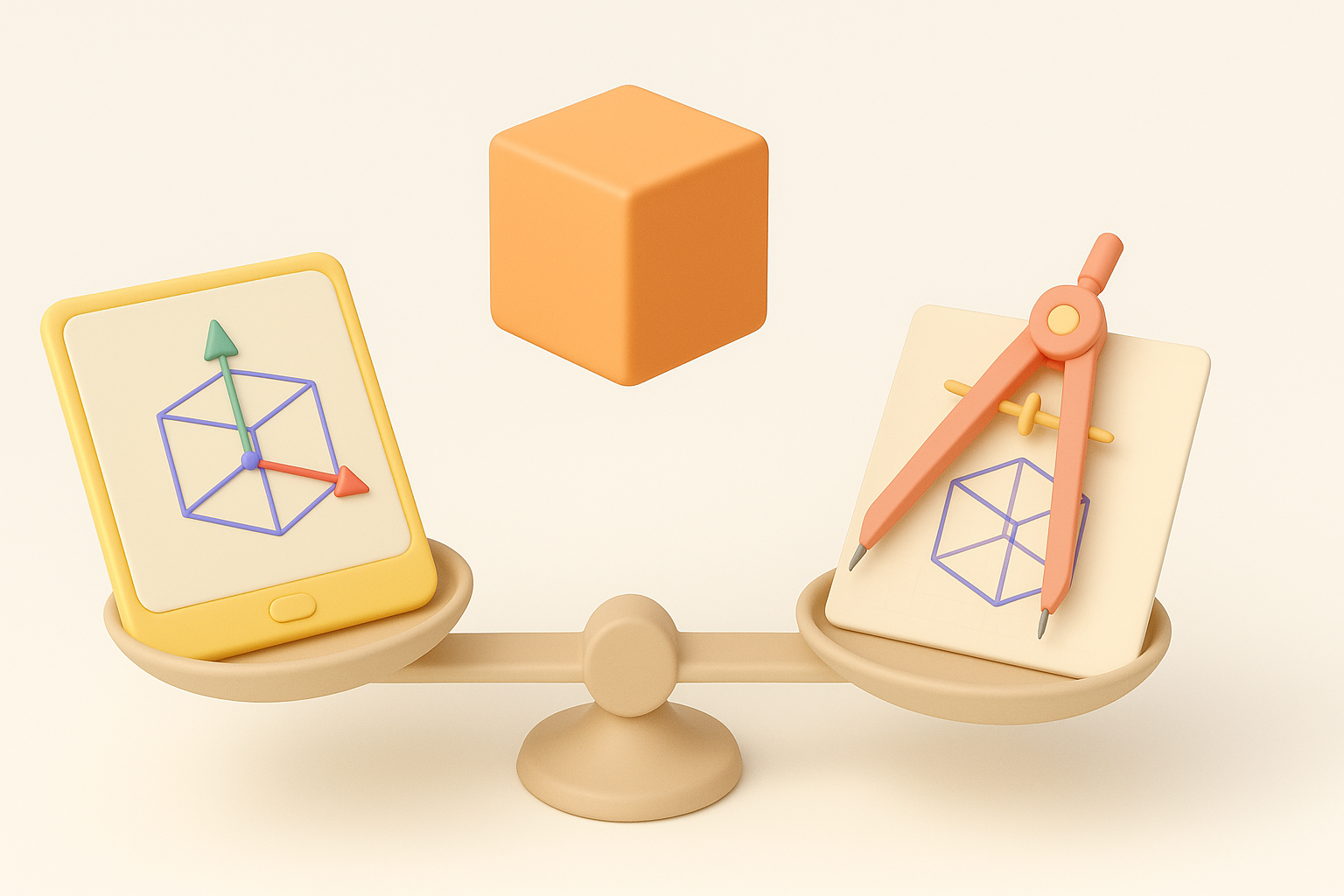
Les modèles prêts pour la production doivent être légers et propres. Je veille toujours à :
- Faire la retopologie pour un flux d'arêtes efficace et un nombre minimal de polygones.
- Utiliser des atlas de textures ou le packing de canaux pour les performances.
- Baker les détails haute résolution sur des cartes de normales (normal maps) ou d'occlusion ambiante (AO) lorsque c'est possible.
Mini-liste de contrôle :
- Toutes les faces sont des quads ou des tris, pas de n-gons
- Les îlots UV minimisent les coutures et l'étirement
- Textures compressées selon les spécifications requises
Assurer la compatibilité entre les plateformes
Je planifie la compatibilité dès le départ :
- Respecter les squelettes standards et les conventions de nommage.
- Tester les modèles sur toutes les plateformes cibles (PC, console, XR).
- Exporter dans des formats largement acceptés (FBX, OBJ, GLTF).
Conseils :
- Utiliser les paramètres d'exportation de Tripo AI pour correspondre aux exigences de votre moteur.
- Attention aux écarts d'échelle entre les outils de création de contenu numérique (DCC) et les moteurs.
Comparaison des outils et méthodes de création de modèles 3D
Plateformes alimentées par l'IA vs Logiciels traditionnels
Les plateformes alimentées par l'IA comme Tripo AI accélèrent la création de mesh de base et la segmentation, me libérant pour me concentrer sur les décisions créatives. Les logiciels DCC traditionnels offrent un contrôle granulaire mais sont plus lents pour les premières itérations.
Quand j'utilise chacun :
- Outils d'IA : Idéation rapide, génération d'assets en lot, réduction des tâches répétitives.
- Outils manuels : Sculpture détaillée, topologie personnalisée, stylisation unique.
Quand utiliser des techniques automatisées vs manuelles
Ma règle : automatiser le répétitif, faire manuellement le créatif.
Automatiser :
- Génération de mesh de base
- Dépliage UV (avec ajustements manuels)
- Retopologie pour les formes standard
Manuel :
- Sculpture de caractéristiques uniques
- Peinture à la main des textures
- Rigging personnalisé pour les animations avancées
Piège : Une automatisation excessive peut donner des assets génériques et sans vie : ajoutez toujours une touche humaine.
Intégration des modèles 3D Multiversus dans vos projets
Importation et rigging pour l'animation
Une fois le modèle prêt, je :
- L'importe dans le moteur cible (vérification de l'échelle et de l'orientation).
- Applique ou recibler les squelettes pour l'animation.
- Teste avec des animations d'exemple : recherche de déformations de mesh ou de problèmes de rig.
Conseils :
- Utiliser les préréglages d'importation spécifiques au moteur.
- Vérifier les textures manquantes ou les normales corrompues.
Résolution des problèmes courants
Problèmes courants que j'ai rencontrés :
- Distorsions de mesh : Généralement dues à de mauvaises influences de skinning ou à la topologie : revoir le skinning.
- Bugs d'animation : Vérifier la hiérarchie des os et le nommage.
- Erreurs de texture : Confirmer les UV et les chemins de fichiers de texture.
Mini-liste de contrôle :
- Tester toutes les animations dans le moteur avant de finaliser.
- Corriger les problèmes à la source (DCC ou outil d'IA), pas seulement dans le moteur.
- Documenter votre pipeline pour pouvoir le reproduire.
En suivant ces flux de travail et bonnes pratiques, je livre systématiquement des modèles 3D Multiversus qui sont à la fois visuellement convaincants et techniquement robustes, prêts à être déployés dans n'importe quel jeu ou projet XR.
