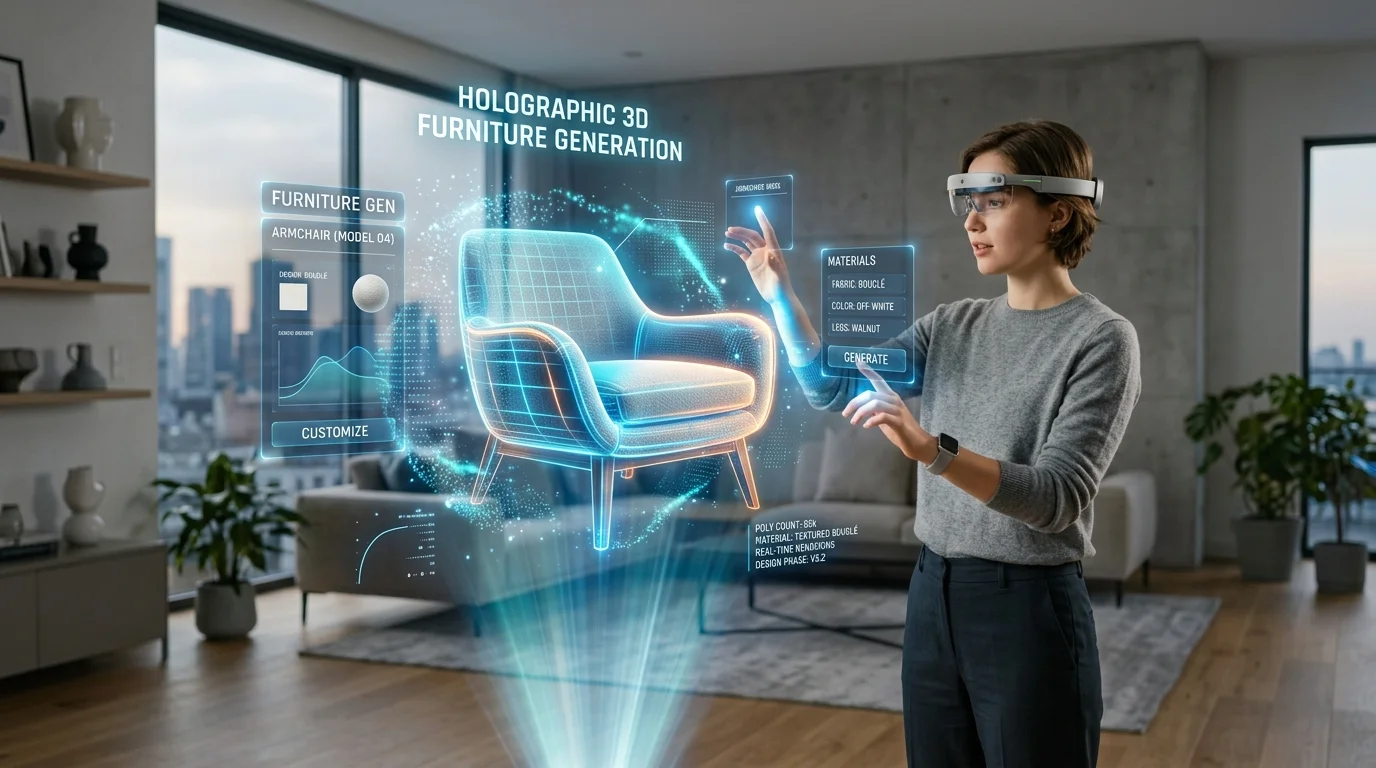
ИИ в 3D дизайне интерьера: сокращение времени на итерации
Ускорение согласования проектов с помощью профессионального генеративного ИИ
Проекты по дизайну интерьера часто застревают на этапе визуализации из-за медленного процесса ручного 3D-моделирования. Эта задержка создает трения, когда клиенты запрашивают внезапные изменения в планировке или мебели, что приводит к потере темпа и выходу за рамки бюджета. Используя эффективные решения ИИ для 3D дизайна дома, профессионалы могут преодолеть эти препятствия.
Внедряя специализированные технологии 3D генеративного ИИ, дизайн-студии могут мгновенно превращать концепции в осязаемые активы, сокращая цикл итераций с недель до минут.
Ключевые выводы
- Традиционные циклы правок создают критические «узкие места», снижая энтузиазм клиентов и затягивая сроки реализации проектов.
- Прототипирование в реальном времени позволяет профессионалам демонстрировать множество вариантов мебели и планировок прямо во время консультаций.
- Современные рабочие процессы требуют бесшовной совместимости форматов, гарантируя, что сгенерированные модели идеально интегрируются в существующие CAD-системы и конвейеры рендеринга.
- Передовые генеративные модели теперь создают коммерчески пригодные активы непосредственно из референсных изображений, избавляя от дней ручной работы с полигонами.
«Узкое место» в традиционных рабочих процессах дизайна интерьера
Традиционный 3D-рендеринг и ручное моделирование занимают дни или недели, вызывая серьезные задержки при внезапных изменениях со стороны клиента. В этом разделе объясняется, как ожидание ручных правок убивает динамику проекта, разочаровывает клиентов и как внедрение современных ИИ-инструментов эффективно меняет эту устаревшую парадигму.
Индустрии архитектуры и дизайна интерьера долгое время полагались на высокотехничные, трудоемкие процессы визуализации. Исторически сложилось так, что превращение концепции из 2D-плана этажа в фотореалистичный 3D-рендер требовало работы в сложных программных средах, таких как 3ds Max, Rhino или SketchUp. Каждый предмет мебели, светильник и архитектурная деталь должны были либо кропотливо моделироваться с нуля, либо подбираться на разрозненных цифровых маркетплейсах.
Когда клиент запрашивает конкретное изменение — например, заменить современный секционный диван на стеганый Chesterfield — дизайнер должен найти новую геометрию, настроить физические материалы, откалибровать глобальное освещение и запустить новую последовательность рендеринга. Этот процесс по своей сути асинхронен. Клиент дает обратную связь, дизайнер уходит выполнять техническую работу, а клиент ждет несколько дней визуального подтверждения. Этот период ожидания является основным «узким местом» в современных рабочих процессах дизайна, эффективно останавливая творческий импульс и создавая периоды операционного простоя для фирмы.
Петли обратной связи с клиентом и усталость от правок
Психологическое воздействие длительных циклов обратной связи невозможно переоценить. Когда клиенты вынуждены долго ждать визуализации своих запросов, их эмоциональная связь с проектом часто ослабевает. Это явление, известное в индустрии как «усталость от правок», возникает, когда восторг от первоначальной презентации дизайна сменяется утомительной реальностью постепенных, медленных корректировок.
Более того, с бизнес-точки зрения, традиционные циклы правок серьезно влияют на размер прибыли. Многие контракты на дизайн интерьера работают по фиксированной ставке или с ограничением оплачиваемых часов. Когда дизайнер тратит незапланированные двенадцать часов на переделку обеденного стола, потому что клиент не смог визуализировать первоначальную концепцию, эти часы часто остаются неоплаченными, что напрямую снижает прибыльность фирмы. Неспособность быстро вносить итерации означает, что дизайнеры часто ограничивают количество предлагаемых вариантов, непреднамеренно подавляя креативность ради соблюдения сроков проекта.
Ускорение согласований с помощью ИИ-инструментов для 3D дизайна интерьера
ИИ радикально сокращает время между обратной связью клиента и обновленной визуальной концепцией. Генерируя мгновенные 3D-активы и планировки, профессиональные дизайнеры интерьера могут уверенно представлять несколько вариантов дизайна прямо во время консультации, ускоряя процесс утверждения.
Внедрение искусственного интеллекта в процесс пространственного проектирования устраняет первопричину задержек итераций: время, необходимое для создания сложной геометрии. Благодаря использованию передовых генеративных систем барьер между концептуальной идеей и осязаемым 3D-активом практически исчезает.
Этот технологический сдвиг обеспечивает синхронное сотрудничество. Вместо того чтобы записывать запрос клиента и планировать повторную встречу на следующую неделю, дизайнер может вводить текстовые подсказки или использовать референсные изображения прямо во время живой консультации. Мгновенная генерация запрошенного актива позволяет клиенту сразу увидеть предложенное изменение в контексте планировки.
Такое быстрое визуальное подтверждение создает огромное доверие, поскольку клиенты чувствуют, что их пожелания немедленно понимаются и исполняются. Процесс утверждения превращается из затянутой серии электронных писем в динамичную совместную сессию, где решения принимаются на месте.
Прототипирование в реальном времени с Tripo AI
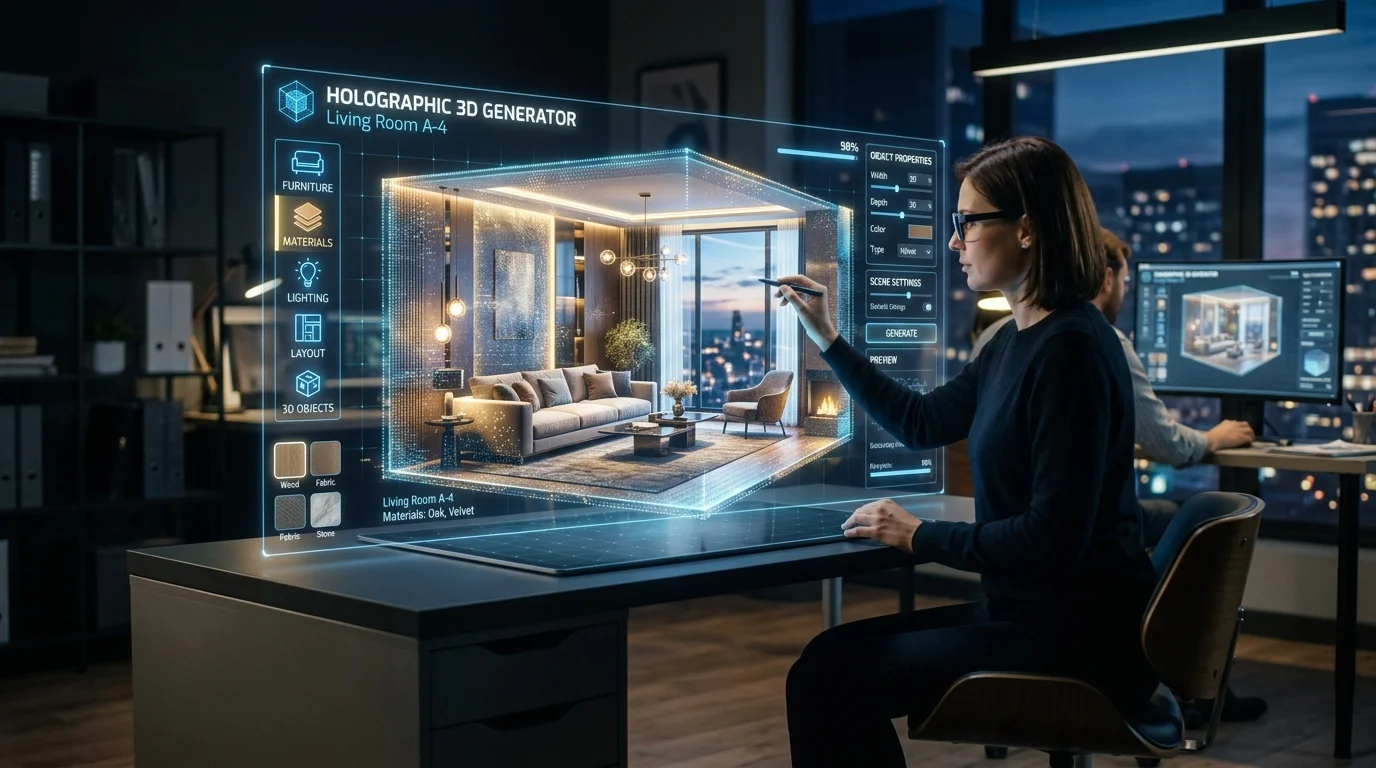
Интеграция Tripo AI в концептуальную фазу позволяет дизайнерам практиковать прототипирование в реальном времени. Во время дизайн-сессии фирме может быть поручено спроектировать биофильный корпоративный лаунж. Клиент выражает желание видеть органичные, плавные формы сидений, а не жесткую, геометрическую мебель.
Вместо того чтобы прерывать встречу для поиска существующих активов, дизайнер может попросить Tripo AI сгенерировать конкретные концептуальные элементы, например: «изогнутый модульный диван из бархата цвета мха с асимметричными деревянными ножками».
За считанные секунды создается полноценная 3D-сетка. Если клиенту кажется, что ножки слишком толстые или изгиб слишком агрессивный, дизайнер просто корректирует параметры и перегенерирует модель. Эта возможность превращает встречу с клиентом из пассивной презентации в активный воркшоп. Дизайнер выступает в роли фасилитатора видения клиента, используя ИИ для мгновенной проверки или отбраковки идей, тем самым обеспечивая окончательное утверждение концепций до начала серьезного CAD-моделирования.
Быстрая генерация активов для индивидуального декора
Индивидуальный декор и мебель на заказ часто являются самыми трудоемкими элементами визуализации интерьера. При работе с высокой структурной точностью и сложными алгоритмами генерации, необходимыми для этих уникальных предметов, лежащие в основе нейронные архитектуры становятся критически важными.
Для достижения такого уровня точности система использует алгоритм 3.1 с более чем 200 миллиардами параметров, гарантируя, что сложные свойства материалов и структурная геометрия точно интерпретируются из данных промпта. Дизайнеры могут использовать рабочие процессы преобразования изображения в 3D-модель, чтобы мгновенно превратить референсную фотографию клиента — например, снимок антикварного стула из журнала — в готовый пространственный актив.
Это устраняет необходимость в ручной ретопологии и перемещении вершин для фоновых или концептуальных объектов. Значительно сокращая время, затрачиваемое на моделирование отдельных предметов, дизайн-команды могут направить свои ресурсы на более высокоуровневое планирование пространства, световой дизайн и общую эстетическую гармонию.
Интеграция ИИ в ваш существующий рабочий процесс
Чтобы беспрепятственно внедрить ИИ, не нарушая текущие рабочие процессы, дизайнеры интерьера должны экспортировать сгенерированные ИИ активы в стандартные отраслевые форматы. Tripo поддерживает экспорт моделей в USD, FBX, OBJ, STL, GLB и 3MF для немедленного использования в таких программах, как SketchUp, Unreal или Blender.
Истинная ценность любой новой технологии заключается в ее способности интегрироваться в устоявшиеся профессиональные экосистемы. Дизайн-студии полагаются на строгий конвейер инструментов создания цифрового контента, часто переходя от AutoCAD для черчения к SketchUp или Rhino для пространственной блокировки, и, наконец, к Unreal Engine 5 или V-Ray для фотореалистичного рендеринга.
Генерация с помощью ИИ — это не замена этих надежных систем; скорее, это высокоэффективный слой создания активов, который находится в начале конвейера. Чтобы гарантировать, что эти сгенерированные активы можно эффективно использовать, Tripo поддерживает экспорт моделей в USD, FBX, OBJ, STL, GLB и 3MF.
Эта всесторонняя поддержка форматов гарантирует, что светильник, созданный с помощью ИИ, можно немедленно поместить в сцену 3ds Max без ошибок геометрии или отсутствующих текстурных координат.
Более того, при оценке корпоративной массовой генерации в сравнении с индивидуальными веб-инструментами для художников важно отметить, что они независимы. Продвинутый уровень (Advanced tier) не имеет корпоративного API, что намеренно направляет фокус на создание высококачественных, уникальных активов в студийной среде, а не на автоматизированную массовую генерацию.
Экспорт и доработка моделей для презентаций клиентам
Как только концептуальная модель сгенерирована и принципиально одобрена клиентом, она должна быть доработана для финального рендера презентации. Хотя ИИ создает отличную базовую геометрию, профессиональные конвейеры часто требуют назначения специфических материалов с использованием PBR-текстур (Physically Based Rendering) для достижения истинного фотореализма.
Дизайнеры экспортируют сгенерированный актив и импортируют его в свой основной движок рендеринга. В случаях, когда устаревшее программное обеспечение требует специфических структур файлов, использование надежной утилиты конвертации 3D-форматов гарантирует, что сложные сетки сохранят свою целостность на разных платформах.
Помимо технического рабочего процесса, фирмы также должны учитывать бюджеты, затраты и лицензирование при коммерческом распространении этих визуализаций. Экономическая модель платформы обеспечивает предсказуемые операционные расходы; валютой являются кредиты. Бесплатный уровень предоставляет 300 кредитов в месяц, но не разрешает коммерческое использование. Профессиональным агентствам требуется уровень Pro, который выделяет 3000 кредитов в месяц, предоставляя полные коммерческие права, необходимые для передачи финальных активов проекта платящим клиентам.
Для получения доступа к более специализированным инструментам посетите наш хаб ИИ для 3D дизайна дома.
Часто задаваемые вопросы
В: Как Tripo AI обрабатывает специфические запросы клиентов на изготовление мебели на заказ?
О: Когда клиент запрашивает предмет мебели на заказ, дизайнер может просто загрузить референсное фото или эскиз через функции преобразования изображения в 3D. Система анализирует двухмерный ввод и мгновенно генерирует полноценную 3D-сетку, позволяя создавать высокоточные представления без ручного моделирования.
В: Можно ли редактировать сгенерированные ИИ 3D-модели интерьера в традиционном CAD-программном обеспечении?
О: Да, активы полностью совместимы с традиционными CAD-средами. Поскольку Tripo поддерживает экспорт в OBJ, FBX и GLB, дизайнеры могут импортировать эти модели напрямую в Rhino, Blender или 3ds Max для ручного редактирования вершин или применения PBR-материалов.
В: Сколько времени обычно экономит ИИ для 3D дизайна интерьера за один цикл правок?
О: Исторически правка требовала от 24 до 72 часов ручной работы. Используя генерацию с помощью ИИ во время сессий обратной связи, дни моделирования сокращаются до считанных минут, позволяя дизайнерам проверять новые активы синхронно с клиентом.