Mastering 3D Model Creation with Advanced AI Workflows
Creating production-ready 3D models used to require deep technical expertise and hours of manual work. Today, with advanced AI-powered platforms, I can generate high-quality assets from text, images, or sketches in minutes. This article distills my hands-on workflow, best practices, and lessons learned using AI-driven 3D tools—ideal for artists, game developers, and XR creators who want to move faster without sacrificing quality.
Key takeaways
- AI-powered 3D tools accelerate asset creation and iteration, freeing me to focus on creativity.
- Understanding model requirements and use cases is crucial for choosing the right workflow.
- Efficient retopology, texturing, and animation ensure models are ready for production.
- Compatibility checks with target engines (Unity, Unreal, XR) prevent headaches later.
- Troubleshooting and custom AI fine-tuning help avoid common pitfalls and deliver unique results.
What Is a other tools 3D Model? Key Concepts and Use Cases
Understanding the Core Principles
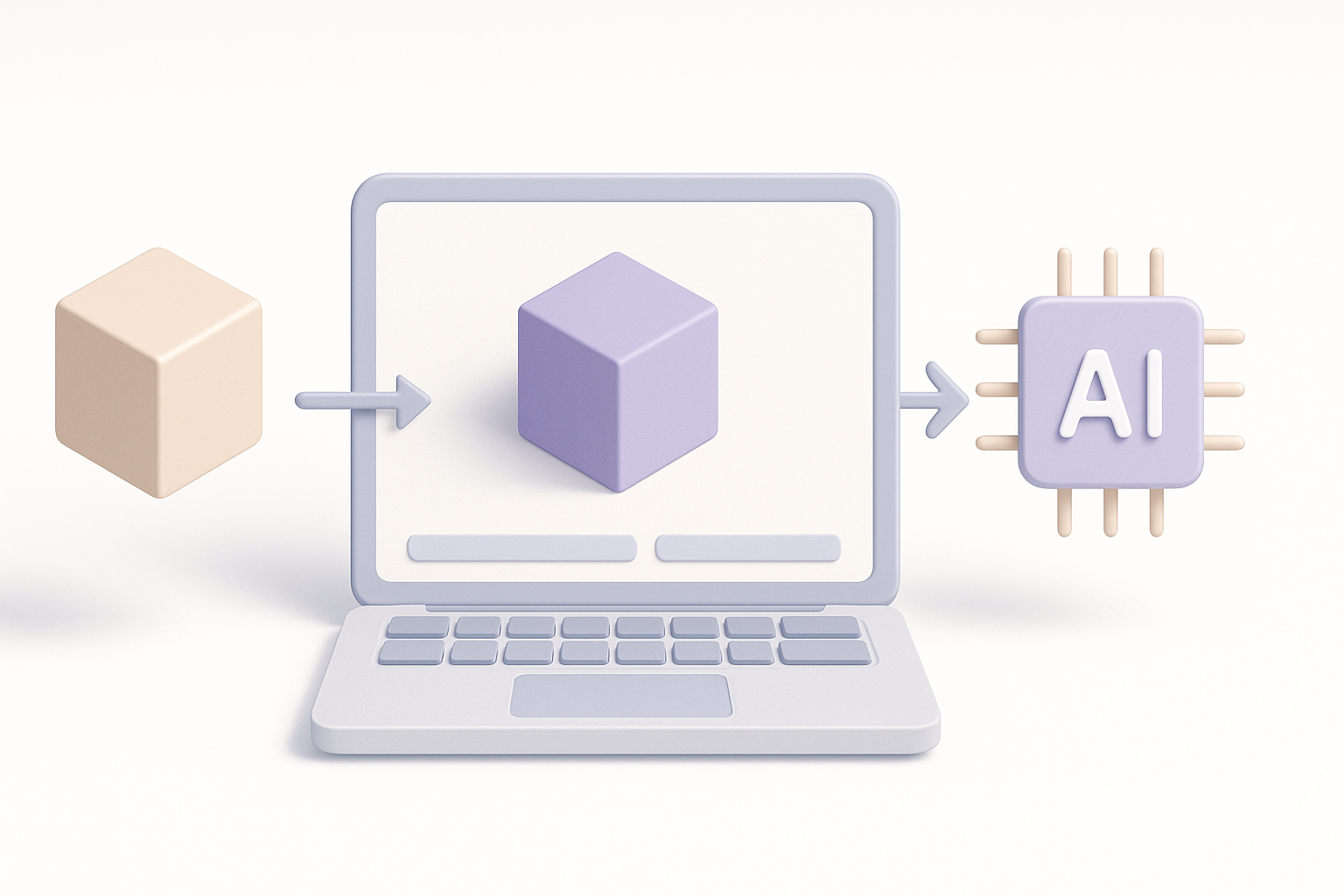
A "other tools 3D model" refers to a new breed of AI-generated 3D assets that are created from minimal user input—such as text prompts or sketches—and automatically processed for production use. In my experience, these models are characterized by:
- Automated segmentation and retopology, ensuring clean geometry
- AI-driven texturing and material assignment
- Rigging and animation capabilities out of the box
The core principle is to minimize manual steps while maximizing creative control. I can quickly iterate on concepts, adjust details, and export models ready for integration.
Where other tools 3D Models Excel in Real Projects
I’ve found these AI-powered models are especially valuable for:
- Rapid prototyping in games and AR/VR experiences
- Creating background or secondary assets for films and visualization
- Design exploration, where speed and variety matter more than hyper-detail
Use cases where this approach shines:
- Blockout phases, where I need many variations fast
- XR projects with tight deadlines
- Teams lacking dedicated 3D artists
My Workflow: Creating High-Quality 3D Models with AI
Step-by-Step Process from Concept to Completion
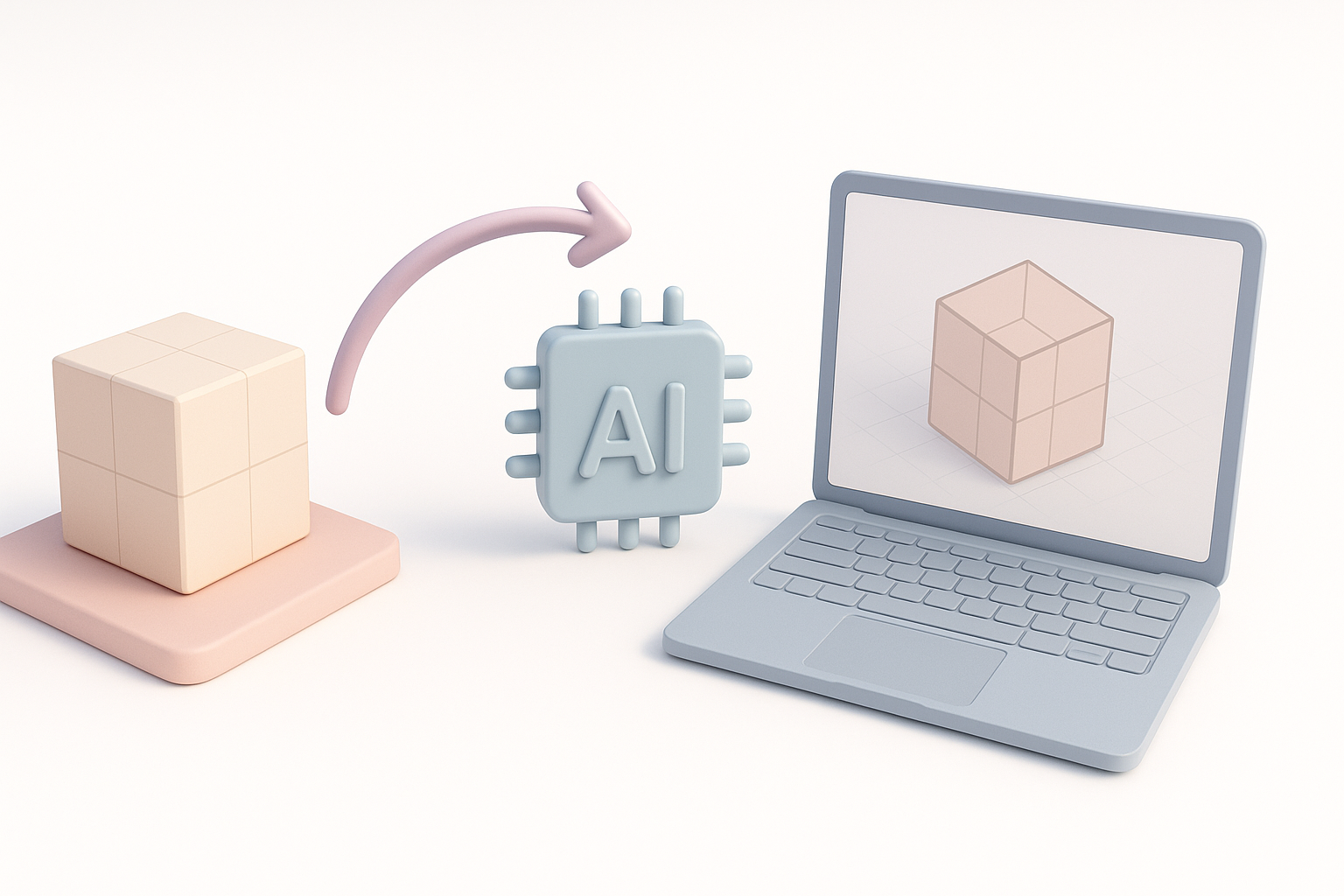
Here’s my standard workflow for creating production-ready 3D assets with AI:
- Define intent: I clarify the asset’s purpose, style, and technical constraints.
- Input creation: I use text prompts, reference images, or quick sketches as AI input.
- AI generation: Platforms like Tripo AI process the input, generating a base model.
- Review and iterate: I inspect geometry, textures, and proportions, making quick edits or regenerating as needed.
- Export and integration: Once satisfied, I export the model in the required format for my game engine or DCC tool.
Checklist for each stage:
- Is the model’s scale and style consistent with the project?
- Are there any obvious geometry errors or artifacts?
- Are UVs and textures properly assigned?
Tips for Efficient Asset Generation and Iteration
- Batch generation: I often create several variants in one go, picking the best or combining features.
- Prompt engineering: Specific, descriptive prompts yield better results—think “weathered sci-fi crate, worn metal, 1m x 1m” instead of “box.”
- Iterative refinement: Small tweaks to prompts or input images can dramatically improve outputs.
- Use built-in tools: Tripo’s segmentation and retopology features save me hours of cleanup.
Best Practices for Production-Ready 3D Models
Optimizing Topology, Textures, and Animation
Clean topology is non-negotiable for animation and real-time rendering. I always:
- Inspect edge flow for deformation and animation readiness
- Use AI retopology tools, but manually check for n-gons or stray vertices
- Review UV maps for stretching or seams
- Test textures under different lighting conditions
Animation is simplified with auto-rigging, but I still verify bone placement and weight painting if the model will be animated.
Ensuring Compatibility with Game Engines and XR
Before finalizing, I check:
- Polycount and texture size match engine guidelines (e.g., Unity or Unreal)
- Export format (FBX, OBJ, GLB) is supported by the target platform
- Materials use engine-compatible shaders and maps (albedo, normal, roughness)
- Model origin and scale are correct for XR/AR placement
Pro tip: I always import test assets into the engine early to catch issues before they multiply.
Comparing AI-Powered 3D Creation Tools
Strengths and Limitations of Leading Platforms
From my hands-on experience, AI 3D tools differ in:
- Input flexibility: Some excel with text, others with images or sketches.
- Output quality: Geometry and texture fidelity can vary—always review outputs.
- Workflow integration: Look for direct export options and built-in optimization tools.
- Customization: The best platforms allow for prompt tweaking and manual overrides.
No tool is perfect. Some generate impressive visuals but require manual cleanup; others are better for quick blockouts.
How I Choose the Right Tool for Each Project
My selection criteria:
- Asset type and required detail (hero asset vs. background prop)
- Target platform and file format needs
- Available post-processing features (retopology, texturing, rigging)
- Speed vs. control—do I need fast iterations or fine-grained edits?
I often use Tripo AI for its balance of speed, quality, and integrated workflow, but I’m not afraid to switch tools if a project calls for it.
Troubleshooting and Advanced Tips
Common Pitfalls and How I Overcome Them
Frequent issues I encounter:
- Messy geometry (hidden faces, non-manifold edges)
- Texture seams or misaligned UVs
- Animation artifacts from auto-rigging
My fixes:
- Always run a mesh cleanup in a DCC tool before export
- Use the AI’s built-in retopology or UV tools, but double-check results
- Test animations with simple rigs first, then refine as needed
Leveraging AI for Customization and Fine-Tuning
For unique or stylized assets, I:
- Chain multiple AI generations—using the output of one as input for another
- Combine AI-generated geometry with hand-sculpted details
- Fine-tune textures in Substance or Photoshop after initial AI output
Advanced tip: Training custom prompt templates or input sketches speeds up consistency across a project.
By integrating AI into my 3D workflow, I deliver high-quality assets faster and with less technical friction. The key is knowing when to trust the AI—and when to step in for that final polish.