Fiverr 3D Model Services for Mechanical Engineering: My Workflow
Delivering mechanical engineering 3D models on Fiverr requires a blend of technical expertise, efficient communication, and the right toolset. In my experience, success hinges on accurately interpreting client requirements, choosing the best modeling platforms (including AI-powered options), and ensuring models are both manufacturable and compatible with industry standards. This article breaks down my practical workflow, best practices, and tips for standing out as a mechanical 3D modeler on Fiverr—ideal for freelancers, engineers, and anyone looking to streamline their 3D services.
Key takeaways
- Clear client communication and precise requirements gathering are essential
- Use AI-powered tools like Tripo to accelerate modeling when appropriate
- Always validate models for accuracy and manufacturability before delivery
- Optimize file formats for compatibility with client workflows
- Build trust with a strong portfolio and reliable turnaround times
Understanding Mechanical Engineering 3D Model Needs on Fiverr
Common project types and client expectations
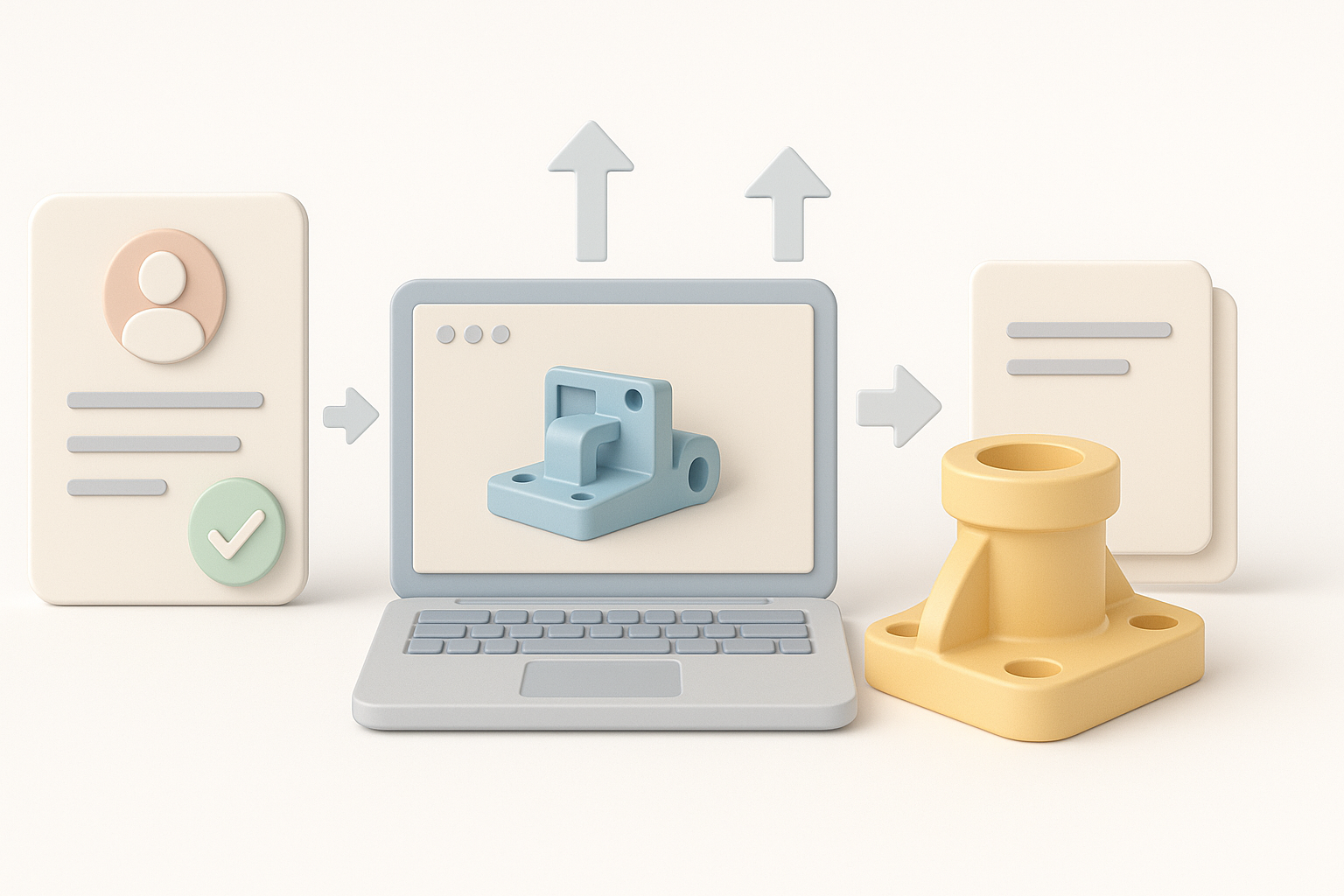
Mechanical engineering clients on Fiverr typically request models for prototyping, manufacturing, simulation, or product visualization. I often see demand for parts like brackets, enclosures, gears, or assemblies. Clients expect models to be technically accurate, ready for fabrication, and often compatible with CAD software.
What I’ve learned:
- Clients value clarity—always confirm intended use (e.g., 3D printing, CNC, simulation)
- Expect requests for native CAD files, STEP, STL, or OBJ formats
Key technical requirements and deliverables
Deliverables must meet strict engineering standards:
- Dimensional accuracy
- Proper tolerances and fit for assemblies
- Clean, well-organized geometry (no non-manifold edges or mesh errors)
Checklist:
- Confirm units and scale early
- Document any assumptions (material, manufacturing constraints)
- Provide clear, labeled files and optional screenshots/renders
My Step-by-Step Process for Delivering 3D Models on Fiverr
Initial client consultation and requirements gathering
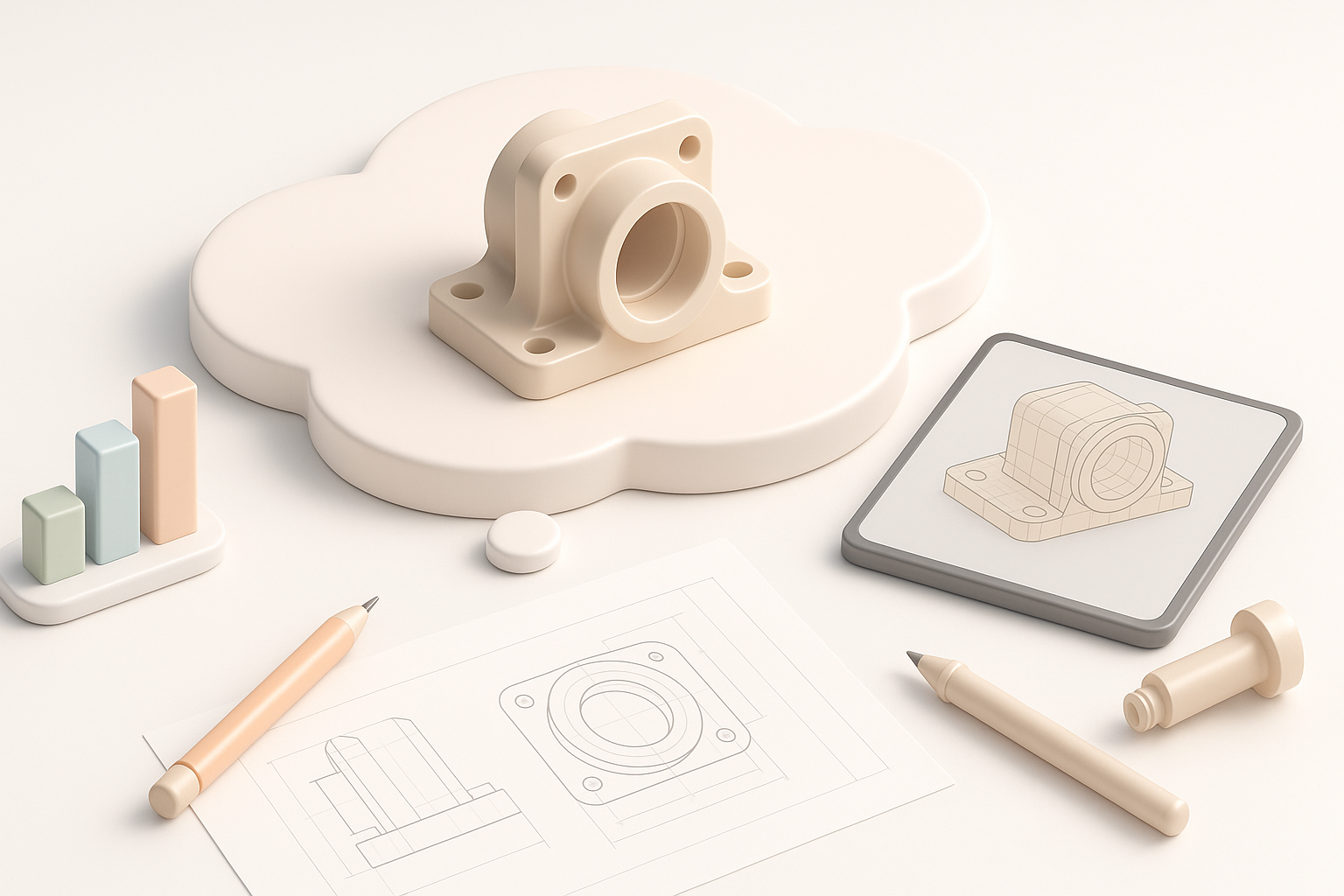
I start every project with a detailed consultation. This means:
- Asking for sketches, reference images, or existing CAD files
- Clarifying critical dimensions, material preferences, and manufacturing methods
- Discussing deadlines and revision policy
Pitfall: Skipping this step often leads to revisions and misunderstandings.
Choosing the right tools and platforms for modeling
Tool selection depends on project complexity and client needs. For straightforward parts, I use traditional CAD software. For rapid prototyping or concept work, I leverage AI-powered platforms like Tripo, which can generate base models quickly and allow for intelligent segmentation and retopology.
My approach:
- Use CAD for high-precision, parametric modeling
- Use Tripo for quick ideation, then refine as needed in CAD
- Always check compatibility with client’s preferred software
Best Practices for High-Quality Mechanical 3D Models

Ensuring accuracy and manufacturability
Accuracy is non-negotiable. I double-check all dimensions and use tolerance guidelines based on manufacturing processes. If AI tools are used, I manually review geometry for errors or artifacts before delivery.
Tips:
- Validate models using CAD’s measurement tools
- Run manufacturability checks (e.g., minimum wall thickness, clearances)
- Include technical drawings if requested
Optimizing for file formats and compatibility
Clients often need specific formats for their workflow. I export models in STEP, STL, or OBJ, ensuring clean geometry and proper units.
Checklist:
- Test exported files in target software
- Remove unnecessary features or hidden geometry
- Provide a README with file descriptions and instructions
Comparing AI-Powered and Traditional 3D Modeling Workflows
When to use AI-driven tools like Tripo
AI tools like Tripo are ideal for rapid concept generation, iterative prototyping, and projects with tight deadlines. I use them when clients need quick turnaround or when starting from rough sketches.
When I prefer AI:
- Early-stage ideation
- Projects with minimal technical constraints
- Bulk modeling tasks
Balancing automation with hands-on expertise
While AI tools can accelerate workflows, hands-on CAD expertise is crucial for final adjustments, ensuring engineering standards, and preparing models for manufacturing.
My workflow:
- Generate base with AI, then refine and validate in CAD
- Use AI for repetitive or creative tasks, manual modeling for precision work
- Always review AI-generated models for errors
Tips for Standing Out as a Mechanical 3D Modeler on Fiverr
Building a strong portfolio and client trust
A portfolio showcasing diverse mechanical projects and clear before/after results helps attract clients. I include annotated renders, technical drawings, and testimonials.
Best practices:
- Display models with context (e.g., exploded views, assembly diagrams)
- Share case studies of solved engineering challenges
Handling revisions and delivering on time
I set clear revision limits and turnaround times. Prompt communication and proactive updates keep clients satisfied.
My checklist:
- Agree on revision policy upfront
- Deliver initial drafts early for feedback
- Keep clients informed throughout the process
Conclusion:
Delivering mechanical engineering 3D models on Fiverr is about blending technical skill, efficient workflows, and client-centric communication. Leveraging AI-powered tools like Tripo alongside traditional CAD platforms allows me to provide fast, accurate, and manufacturable models—ensuring client satisfaction and repeat business.