Oyun Geliştiricileri için En İyi Ses AI API'leri: Text-to-Speech Araçlarının Karşılaştırması
Modern oyun ekipleri, voice AI API'lerini ve text-to-speech araçlarını artık yalnızca anlatım için değil; NPC diyalogları, yerelleştirme, prototipleme ve dinamik içerik üretimi için de giderek daha fazla değerlendiriyor. Kullanım alanları genişledi --- ve geliştirme bütçeleri üzerindeki baskı da arttı.
Oyunlarda seslendirme çalışmaları geleneksel olarak pahalı ve yavaş olmuştur. Seslendirme sanatçılarını ayarlamak, oturumları organize etmek ve replik okumaları üzerinde yineleme yapmak, özellikle senaryoların hâlâ değişmekte olduğu erken geliştirme aşamalarında, üretim takvimlerine haftalar ekler. Indie ve orta ölçekli ekipler için bu sürtünme, oyunları çıkış öncesinde daha iyi hâle getiren hızlı yineleme türünü engeller.
TTS kalitesi sessizce pratik bir eşiği geçti. Günümüzün en iyi voice AI API'leri artık yalnızca prototipleme için kullanılabilir değil --- birçoğu indie yapımlarda yayına alınabilecek düzeyde ve kalite bütçesi mevcut olsa bile hız ve maliyetin önemli olduğu AA/AAA ön üretim süreçlerinde giderek daha fazla test ediliyor.
Oyunların, genel TTS sıralamalarının gözden kaçırdığı kendine özgü gereksinimleri vardır: dallanan diyalog ağaçlarıyla uyumluluk, NPC başına karakteristik sesler, ince ayarlı duygu aralığı, çok dilli yerelleştirme ve toplu üretim için pipeline düzeyinde API erişimi. Bu makale, oyun üretim iş akışlarında gerçekten önemli olan unsurlara odaklanıyor --- en iyi demo klibe değil, oyun sesinin gerçekte nasıl üretildiğine en iyi uyan çözüme.
Oyun Geliştiricileri TTS'den Gerçekte Neye İhtiyaç Duyuyor?
Piyasadaki en iyi araçları değerlendirmek için, Mayıs 2026 itibarıyla herkese açık dokümantasyonlara göre fiyatlandırma ve özellik erişilebilirliğini inceledik. Sonuçta, oyun üretim iş akışları için en önemli beş kriter olduğuna karar verdik:
- Satır başına duygu kontrolü. NPC diyalogları ton bakımından tekdüze değildir. Tek bir sahnede korkmuş bir tüccar, alaycı bir muhafız ve acil görev veren bir karakter bulunabilir. Karakterin ya da oturumun tamamındaki söyleyişi düzleştiren genel bir "ton" kaydırıcısına değil, tek tek satır düzeyinde çalışan etiketlere veya stil seçicilere ihtiyacınız vardır.
- Karakter oluşturma için voice cloning. Baş karakteriniz, kötü karakteriniz ve yardımcı kadronuz için, her build yinelemesinde ayrı VAs tutmadan özel sesler oluşturabilme. Kısa bir örnekten bir sesi klonlayıp ardından o sesten binlerce satır üretme yeteneği, tam bir prodüksiyon döngüsü boyunca karakter tutarlılığı olan ses üretiminin temelidir.
- Çok dilli yerelleştirme. Beş veya daha fazla dilde çıkış yapmak, indie yapımlar için bile yaygındır. Asıl anlamlı soru, aynı voice clone'un diller arasında korunup korunmadığıdır --- yoksa yerelleştirme, her pazar için ses kütüphanenizi sıfırdan yeniden oluşturmanızı mı gerektirir?
- API ve toplu üretim. 2.000 NPC satırını bir GUI üzerinden üretmek pratik değildir. Oyun ses pipeline'ları, mevcut build araçlarına uyan, toplu işlemeyi destekleyen ve asset management iş akışlarıyla temiz biçimde entegre olan scriptlenebilir bir API'ye ihtiyaç duyar.
- Ölçekte maliyet. Build başına on bin satırın, birden fazla build ve birden fazla dil hedefiyle çarpılması, proje başına gerçek maliyetler yaratır. Podcast prodüksiyonu için işe yarayan fiyatlandırma yapıları, yoğun diyalog sistemlerine ekonomik olarak ölçeklenmeyebilir.
Aşağıdaki araç önerilerini bu beş kriter belirliyor.
Oyun Geliştiricileri için Voice AI API Karşılaştırması
| Araç | Duygu Kontrolü | Diller | Voice Cloning | API Fiyatı (yaklaşık) | En Uygun Olduğu Alan |
|---|---|---|---|---|---|
| Fish Audio | İnce ayarlı etiketlerle açık alan | 80+ | Evet | ~$15/1M karakter | Üretim ölçeğinde ifade gücü yüksek diyalog |
| ElevenLabs | Açık alan (v3 model) | 70+ | Evet | ~$100/1M karakter | Yüksek doğrulukta, önceden render edilmiş sinematikler |
| Resemble AI | Paralinguistic etiketler (Chatterbox) | 23 | Evet | ~$40/1M karakter (cloud) | Open-source/self-hosted iş akışları |
| Google Cloud TTS | SSML prosody kontrolü | 50+ | Hayır | ~$30/1M karakter (Chirp 3) | Kurumsal pipeline, ölçeklenebilir sistem sesi |
(Fiyatlandırma 2026 itibarıyladır; karar vermeden önce güncel planları doğrulayın.)
Oyun Ses İş Akışları için En İyi Text-to-Speech API'leri
1. Fish Audio --- Stüdyo Dostu Maliyetle İfade Gücü Yüksek NPC Diyaloğu için En İyi Text-to-Speech API
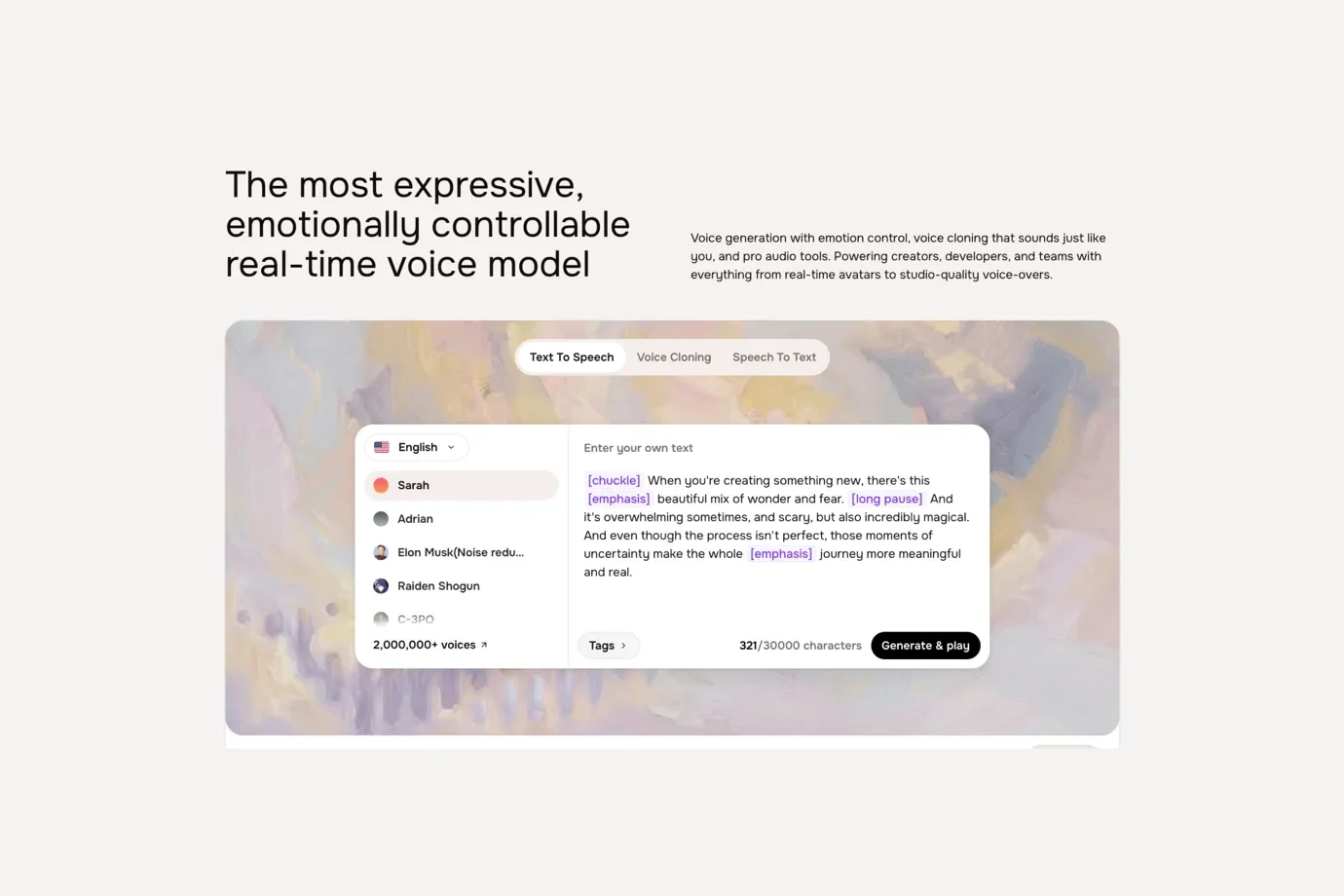
Fish Audio, ifade gücü yüksek NPC diyalogları, çok dilli ses üretimi ve ölçeklenebilir fiyatlandırmaya ihtiyaç duyan oyun stüdyoları için güçlü bir text-to-speech API'sidir. Satır içi duygu etiketleri, geliştiricilerin tonu ve söyleyişi doğrudan senaryo içinde kontrol etmesine olanak tanır; bu da bir yönetmenin bir seslendirme sanatçısı için replikleri notlamasına benzer. Bu özellikle, her NPC satırının belirli bir duygusal bağlam gerektirebildiği diyalog ağırlıklı oyunlarda iyi çalışır.
Fish Audio'nun S2 modeli ayrıca hızlı voice cloning desteği sunar. Kısa bir ses örneğiyle bir karakter sesi oluşturulabilir ve bu ses daha sonra 80+'den fazla dilde TTS için kullanılabilir. Yerelleştirme ekipleri için bu, tek bir API entegrasyonunun, her hedef pazar için karakter seslerini yeniden oluşturmadan çok dilli NPC diyaloglarını destekleyebileceği anlamına gelir.
Fiyatlandırma da stüdyo dostudur. Yaklaşık 1M karakter başına 7--10 olabilir; aynı diyalogu beş dile yerelleştirmek ise $50 altında kalabilir. REST API, yaklaşık 200ms first-audio süresi ile streaming desteği sunar; bu da onu hem toplu ses üretimi hem de etkileşimli ses iş akışları için pratik kılar.
Fish Audio ayrıca 2M+ community voice model içeren geniş bir kütüphane sunar; bu da ekiplerin bölgesel aksanlar, yan karakterler ve NPC ses çeşitliliği için her sesi sıfırdan özel olarak klonlamadan daha fazla seçeneğe sahip olmasını sağlar.
Bir sınırlama şu: Fish Audio, ElevenLabs kadar güçlü bir marka bilinirliğine sahip değil ve open-weights modelin ticari kullanımı ücretli lisans gerektiriyor. Cloud API kullanan ekipler için bu genellikle sorun olmayacaktır, ancak self-hosted deployment değerlendiren stüdyolar lisans koşullarını dikkatle incelemelidir.
En uygun olduğu alan: Diyalog yoğun RPG'ler, açık dünya oyunları, AI NPC'ler veya ifade gücü yüksek text-to-speech, satır başına duygu kontrolü, voice cloning ve ölçekte maliyet verimli yerelleştirme ihtiyacı olan çok dilli yapımlar geliştiren oyun stüdyoları.
2. ElevenLabs --- Yüksek Doğrulukta Çıktı için En İyisi, Bütçe Elveriyorsa
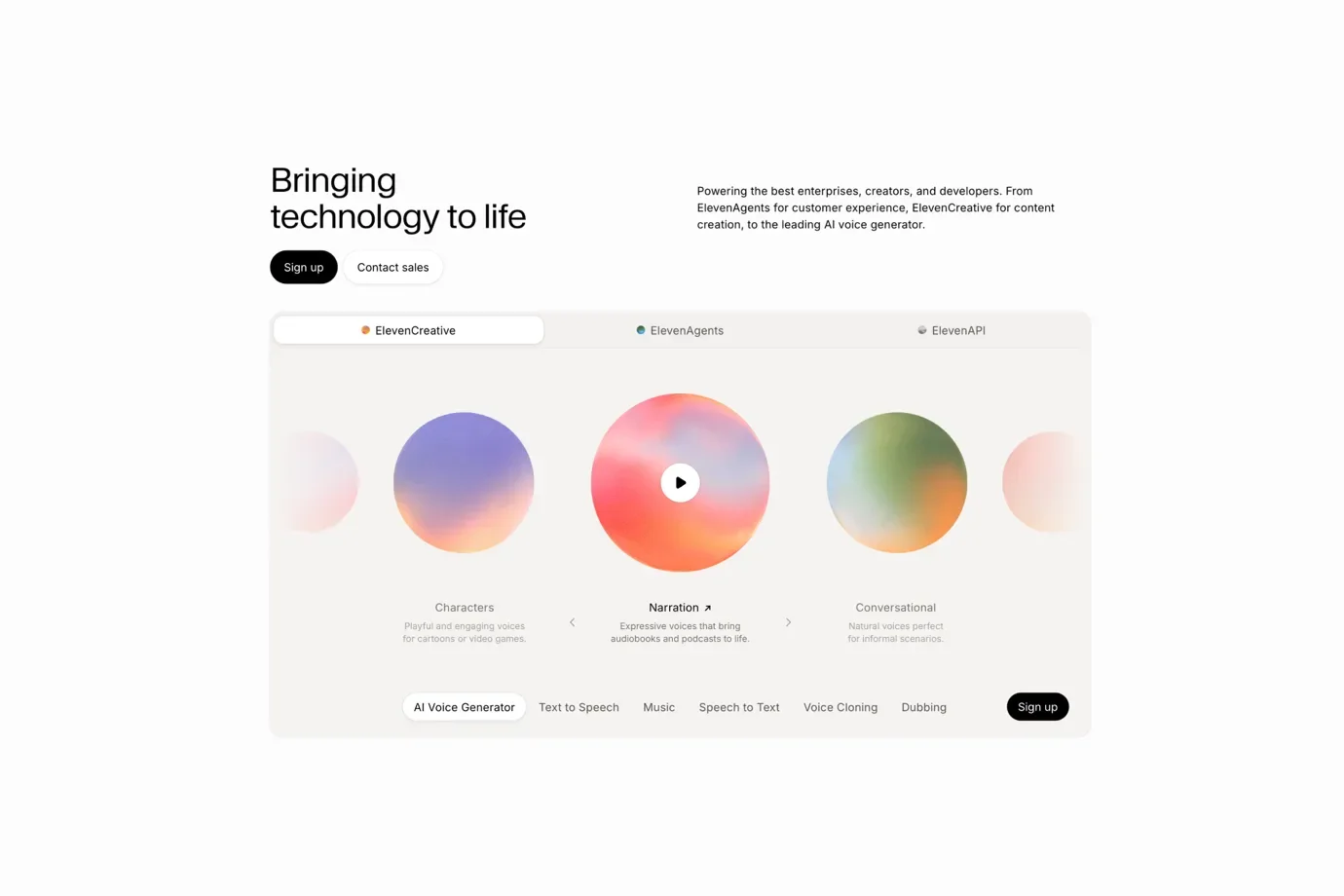
ElevenLabs, sektörde en çok tanınan AI ses markasıdır ve tutarlı, yüksek kaliteli çıktı konusundaki itibarı haklıdır. Önceden render edilmiş seslerde --- sinematikler, fragmanlar ve senaryolu anlatı dizileri --- kalite tavanı mevcut en yüksek seçenekler arasındadır.
Dubbing Studio, diller arasında otomatik konuşmacı takibiyle yerelleştirmeyi yönetir; bu da senaryolu içerikler için çok dilli teslimatı kolaylaştırır. 2026'nın başında genel kullanıma açılan v3 audio tags, anlatı sahneleri için bağlamsal söyleyişi iyileştirerek ses yönetmenlerine önceki sürümlere kıyasla daha ince ayarlı kontrol sunar. Aranabilir stillere sahip geniş bir hazır ses kütüphanesi, özel karakter seslerine ihtiyaç duymayan ekipler için kurulum süresini azaltır.
Oyun üretimi açısından sınırlayıcı faktör ekonomidir. API fiyatlandırması yaklaşık $100/1M karakter düzeyindedir; bu, Fish Audio'dan yaklaşık yedi kat daha yüksektir ve katman bazlı rate limit'ler yüksek satır sayılı, dinamik diyalog sistemlerinde sürtünme yaratır. Birden fazla build ve dilde on binlerce satır üreten ekipler için maliyet farkı hızla büyür.
En uygun olduğu alan: Premium kalitenin önceliklendirildiği ve ölçekte gerçek zamanlı API maliyetinin birincil kısıt olmadığı yüksek bütçeli, önceden render edilmiş projeler.
3. Resemble AI --- Open-Source Esnekliğine Sahip Geliştirici Dostu TTS
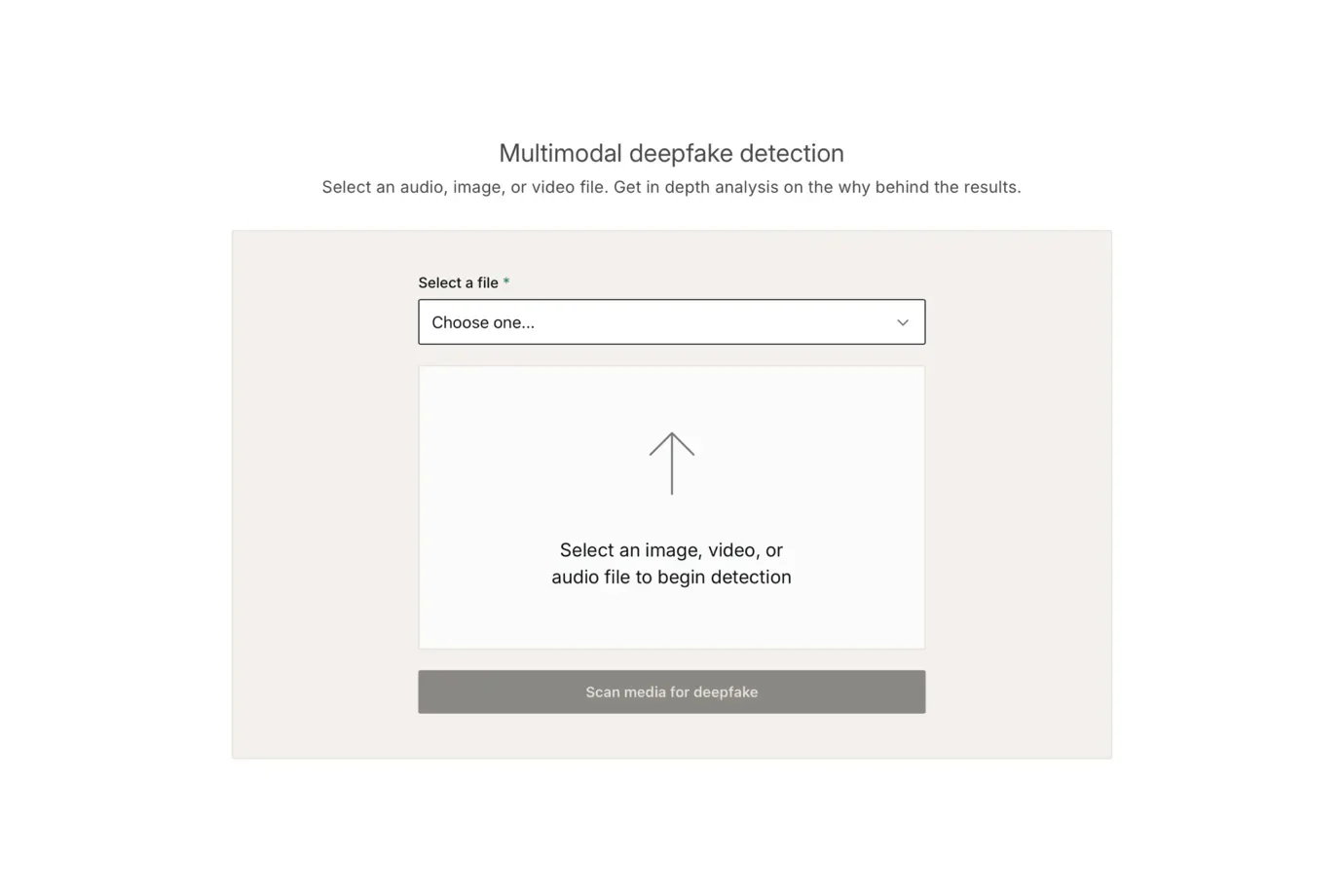
Resemble AI'ın Chatterbox modeli, ek post-processing gerektirmeden organik vokal tepkiler --- kahkaha, tereddüt, vurgu --- için paralinguistic etiketler sundu. Bunlar, ayrık kategori etiketlerinden farklı bir ifade gücü sağlar: duygusal durumu belirtmekten çok, söyleyişe doğal bir doku eklemeye yöneliktir.
5 saniyelik bir referans örnekten voice cloning, pazardaki en kısa sürelerden biridir. Dil kapsamı deployment'a göre değişir: Chatterbox Multilingual'de 23 dil ve yönetilen cloud API'de 100+ dil. REST API, bir Python SDK ile sunulur ve engine düzeyinde entegrasyon isteyen ancak özel bağlayıcılar geliştirmek istemeyen ekipler için GitHub'da bir Unity plugin'i mevcuttur.
Cloud API fiyatlandırması yaklaşık $40/1M karakterdir. Open-source weights üzerinde self-host yapabilecek altyapı yetkinliğine sahip ekipler bunu yalnızca altyapı maliyetine indirebilir --- Resemble AI'ın ses pipeline'ı üzerinde kontrol sahibi olmak isteyen geliştirici odaklı stüdyolar için önde gelen bir seçenek olmasının temel nedeni budur.
Duygu kontrol modeli, yoğun diyalog sistemleri için dikkat çekici bir ödünleşim içerir: yoğunluk ayarlanabilir, ancak kategori ayarlanamaz. Satır bazında "korkulu" ile "alaycı" arasında ayrım yapmak, ayrık bir etiket yerine referans ses gerektirir. Çeşitli duygusal bağlamlara sahip büyük diyalog ağaçlarını yöneten ekipler, Fish Audio'nun etiket başına sistemini operasyonel açıdan daha doğrudan bulacaktır.
En uygun olduğu alan: MIT lisanslı, self-host edilebilir bir model isteyen geliştirici ekipleri veya paralinguistic tepkilerin karakter söyleyişine doğal biçimde işlenmesini gerektirenler.
4. Google Cloud TTS --- Kurumsal Pipeline Entegrasyonu için En İyisi
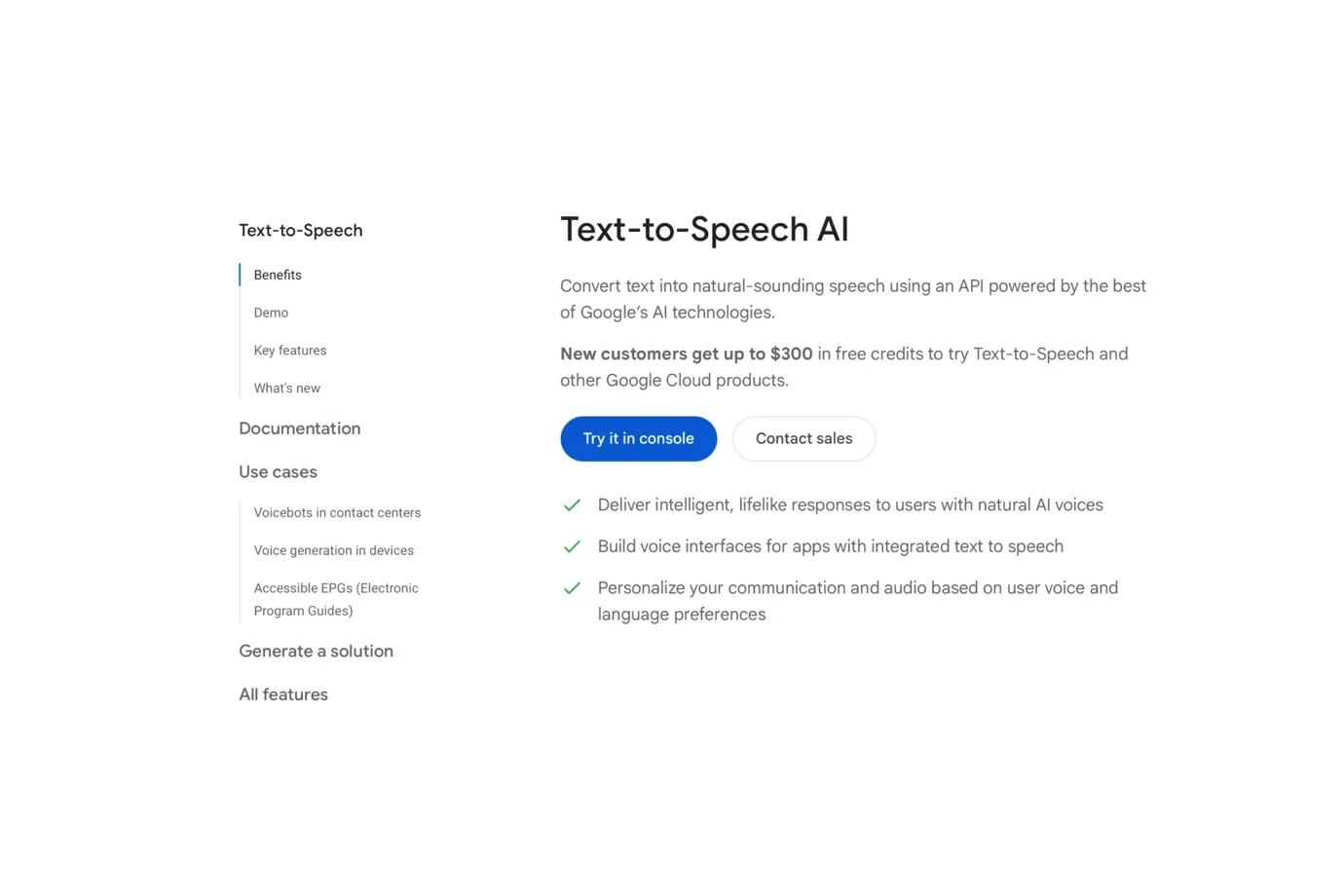
Google Cloud TTS Chirp 3 HD sesleri, UI anlatımı, öğretici seslendirme ve ambiyans sistem sesi için uygun, temiz ve doğal duyulan çıktılar sunar. Çıktı kalitesi güvenilir ve tutarlıdır --- bunlar, farklı oynatma ortamlarında anlaşılır kalması gereken yüksek hacimli sistem sesi için önemli niteliklerdir.
Tam SSML desteği, Chirp 3'ün yerel kontrolleriyle eşleşir: 0.25x ila 2x hız ayarı, bağlamsal duraklama etiketleri ve özel fonem telaffuzları. Oyun içi dinamik metinler --- görev açıklamaları, sistem mesajları, erişilebilirlik anlatımı --- render eden ekipler için bu prosody kontrol düzeyi pratiktir ve Firebase, GKE ve Cloud Run dahil mevcut GCP altyapısıyla yerel olarak entegre olur.
Birincil sınırlama karakter sesi yeteneğidir. Standart katmanda voice cloning yoktur; $60/1M karakter karşılığında bir "Instant Custom Voice" eklentisi sunulur, ancak temel teklif sabit bir hazır kütüphanedir. Karakter sesi doğal ve profesyonel hissettirir --- sistem ve UI sesi için uygundur, ancak binlerce satır boyunca tutarlı karakter kimliği gerektiren ifade gücü yüksek baş karakter veya kötü karakter diyalogları için daha az uygundur.
En uygun olduğu alan: Anlatı odaklı bir ses motorundan ziyade bir pipeline bileşeni olarak güvenilir, ölçeklenebilir TTS'ye ihtiyaç duyan ve hâlihazırda GCP kullanan büyük stüdyolar.
Kullanım Senaryosuna Göre Öneri
- Yoğun diyaloglara sahip dinamik NPC sistemleri: Fish Audio (toplu üretim için scriptlenebilir REST API, satır başına duygu etiketleri, çok büyük ölçekte maliyet verimliliği)
- Diyalog odaklı karakterlere sahip çok dilli bir oyunu yayına alma: Fish Audio (80+ dil, duygu etiketleri, ölçekte maliyet)
- Yüksek bütçeli AAA ön üretim sesleri: ElevenLabs (kalite tavanı, ses yönetmenlerine tanıdık)
- Open-source veya self-hosted ses pipeline'ı: Resemble AI
- GCP üzerinde kurumsal/cloud-native pipeline: Google Cloud TTS
Sonuç
Doğru TTS aracı, prodüksiyonun hangi aşamasında olduğunuza ve diyalog ihtiyaçlarınızın gerçekte nasıl göründüğüne bağlıdır. Özellikle oyunlarda, duygu kontrolü ve API ölçeklenebilirliği diğer TTS kullanım senaryolarına göre daha önemlidir --- ve bu da değerlendirmeyi genel TTS sıralamalarından farklı bir noktaya taşır.
Tek bir genel "en iyi" voice AI yoktur; yalnızca sizin prodüksiyon mimarinize en uygun seçenek vardır. Ölçeklenebilir, dinamik diyalog ağaçları ve yoğun yerelleştirme gereksinimleri geliştiren geliştiriciler için Fish Audio, yoğun NPC sistemlerini uygulanabilir kılmak için gereken hassas duygusal kontrolü ve API ekonomisini sunar. Gerçek zamanlı API maliyetlerinin sorun olmadığı doğrusal, önceden render edilmiş sinematiklerde ise ElevenLabs premium ses doğruluğu sunar. Self-hosted, open-source esneklik gerekiyorsa, açık seçenek Resemble AI'dır. Stüdyonuz mevcut kurumsal cloud pipeline'ları içinde sıkı biçimde çalışıyorsa, Google Cloud güvenilir bir altyapı sağlar.
Sonuç olarak, sadece en iyi demo klibe sahip olanı değil, oyununuzun belirli mekanikleriyle ölçeklenebilen motoru seçin.